HelloGrowthCRM software
Built for real small-business sales teams
HelloGrowthCRM helps reps qualify faster, follow up on time, and close more deals—with practical automation in one place.
- AI lead scoring and pipeline visibility
- Built-in dialer, WhatsApp, and email automation
- Sales forecasting and RevOps-ready reporting
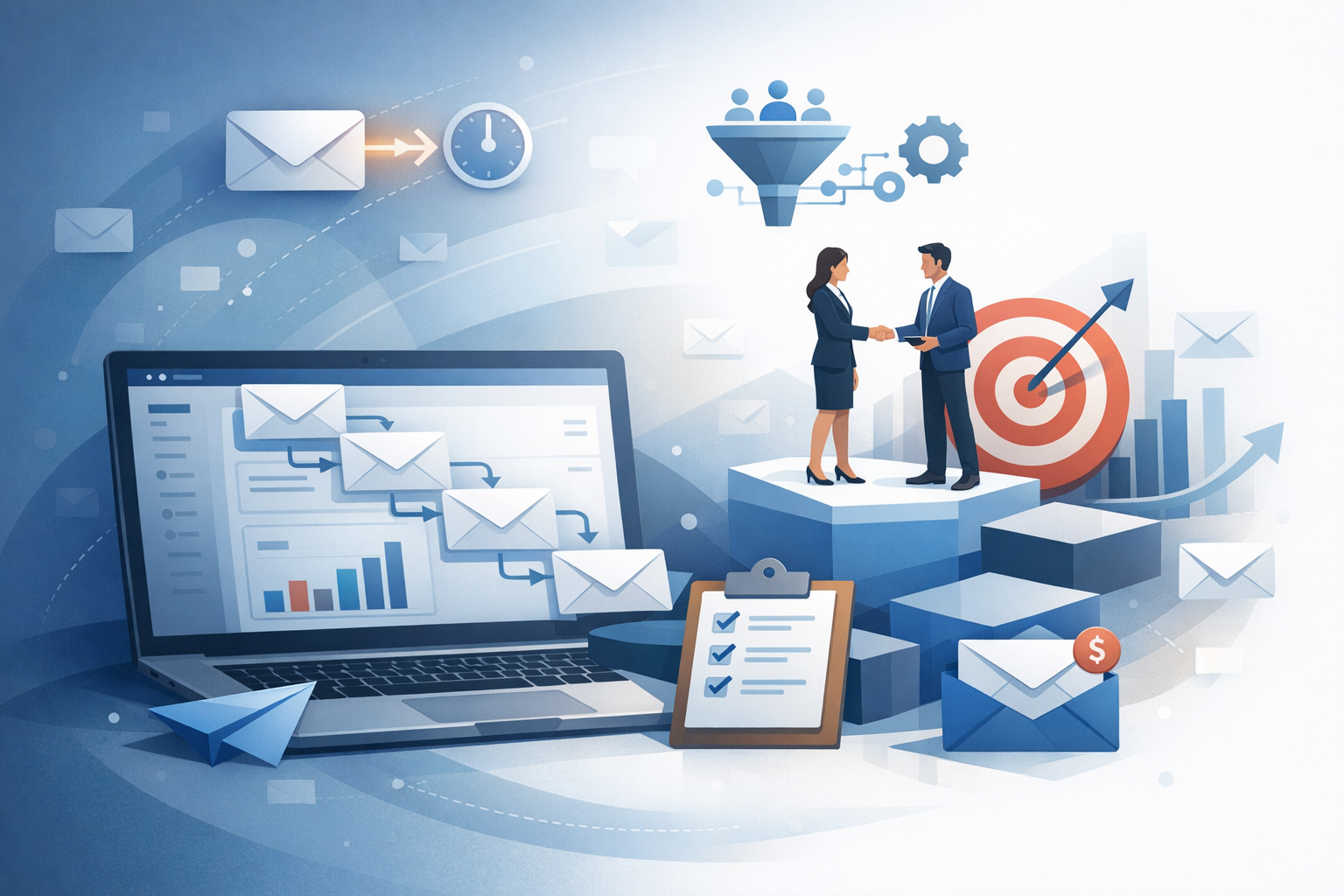
Cold emailing remains a vital strategy for reaching out to potential clients. However, many individuals struggle to get responses from their cold emails. The average reply rate for these emails is typically low, around 1-2%. In contrast, those who master the art of cold emailing can achieve a response rate of 8-15%. Understanding why most cold emails fail is the first step toward crafting effective outreach messages.
Why Most Cold Emails Fail
Several factors contribute to the poor performance of cold emails. One primary reason is the lack of personalization. When emails feel generic, recipients are less likely to engage. Additionally, unclear subject lines can lead to emails being ignored or deleted. Many senders also make the mistake of focusing too much on their product rather than addressing the recipient's needs.
Another common issue is the length of the email. Lengthy emails can overwhelm the reader, leading to disengagement. If the message is not concise and to the point, it may end up in the trash. Moreover, many cold emails fail to establish a clear call to action, leaving the recipient unsure of what to do next.
To improve response rates, consider the following tips:
- Personalize your emails to the recipient's interests.
- Use clear and engaging subject lines.
- Keep your emails concise and focused.
- Include a specific call to action.
Crafting Effective Cold Email Templates
Creating cold email templates that drive responses requires a strategic approach. Start by identifying your target audience and their pain points. Understanding what challenges they face will help you tailor your message to their needs.
Once you have this information, you can create several templates that address different scenarios. For example, you might have a template for reaching out to new leads, another for following up with previous contacts, and one for re-engaging old clients. Each template should be adaptable to allow for personalization.
Include the following elements in your templates:
- A strong subject line that grabs attention.
- A personalized greeting that addresses the recipient by name.
- A brief introduction that establishes your credibility.
- A clear explanation of how you can help the recipient.
- A specific call to action that encourages a response.
Examples of Cold Email Templates
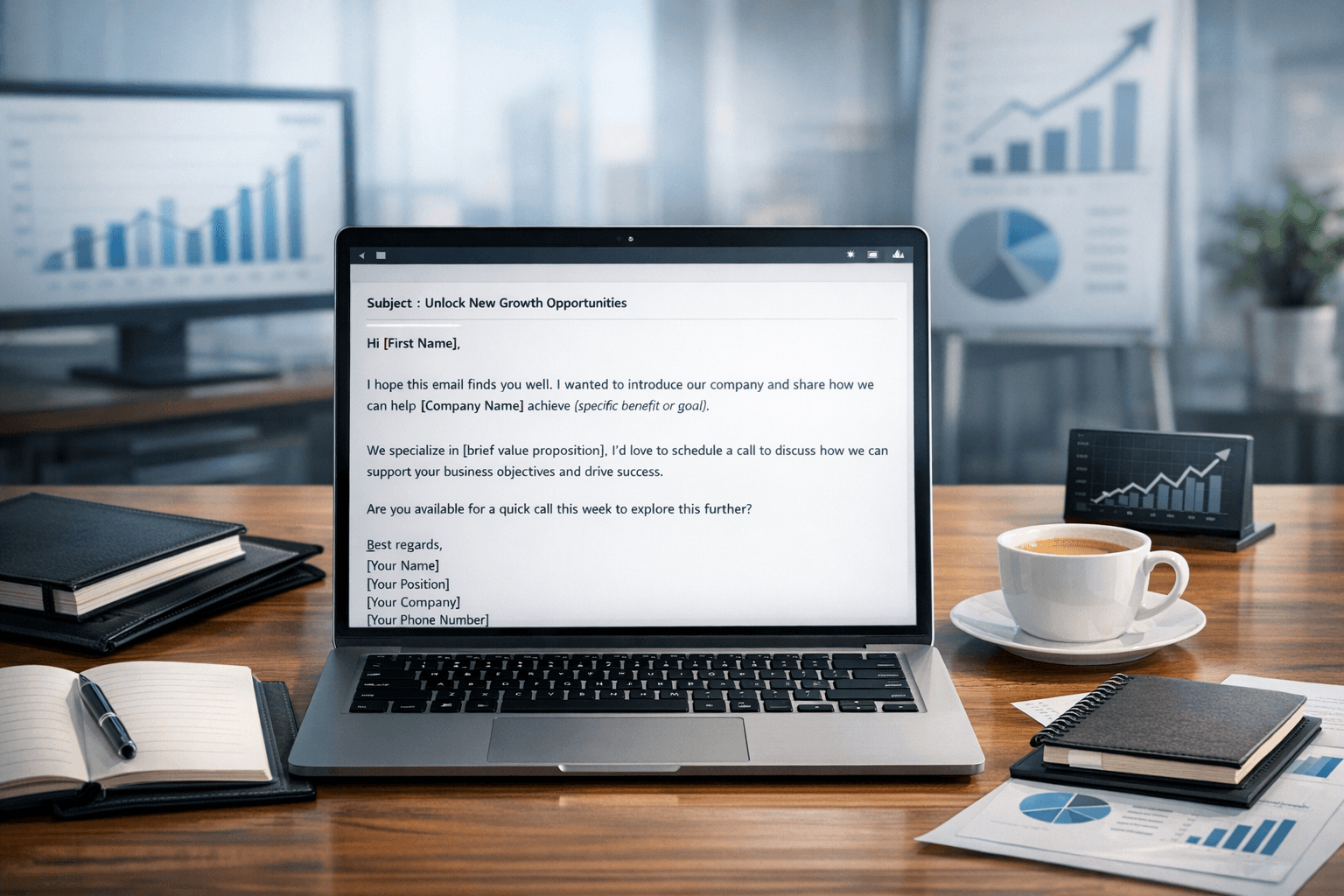
Here are a few examples of cold email templates that can be customized for your outreach efforts.
Template 1: Introduction to a New Service
Subject: Helping You [Solve a Specific Problem]
Hi [Recipient's Name],
I hope this message finds you well. I came across your company while researching [Industry/Field], and I noticed that [specific detail about their business].
At [Your Company Name], we specialize in [briefly explain your service]. I believe our solution could help you [explain the benefit].
Would you be open to a quick chat next week to discuss this further?
Best regards,
[Your Name]
Template 2: Follow-Up Email
Subject: Just Checking In
Hi [Recipient's Name],
I wanted to follow up on my previous email regarding [specific topic]. I understand how busy things can get, and I wanted to ensure you received my message.
Our [service/product] can help you [specific benefit], and I would love to chat about how we can work together.
Do you have time for a brief call this week?
Best,
[Your Name]
Template 3: Re-Engagement Email
Subject: We Missed You!
Hi [Recipient's Name],
I hope you’ve been well! It’s been a while since we last connected, and I wanted to reach out to see how things are going with [specific detail about their business].
We’ve recently launched some new features that I think you might find valuable. I’d love to catch up and hear your thoughts.
Are you available for a quick chat next week?
Cheers,
[Your Name]
Tips for Testing and Optimizing Your Cold Emails
Testing and optimizing your cold emails can significantly improve your response rates. Start by tracking the performance of your emails. Pay attention to open rates, click-through rates, and response rates. This data can help you identify which elements of your emails are working and which need improvement.
Consider A/B testing different subject lines and email formats. This method allows you to see which variations perform better. Additionally, pay attention to the timing of your emails. Sending emails at different times of the day or week can yield different results.
Key areas to focus on include:
- Subject line effectiveness.
- Email length and structure.
- Personalization levels.
- Call to action clarity.
Building a Follow-Up Strategy
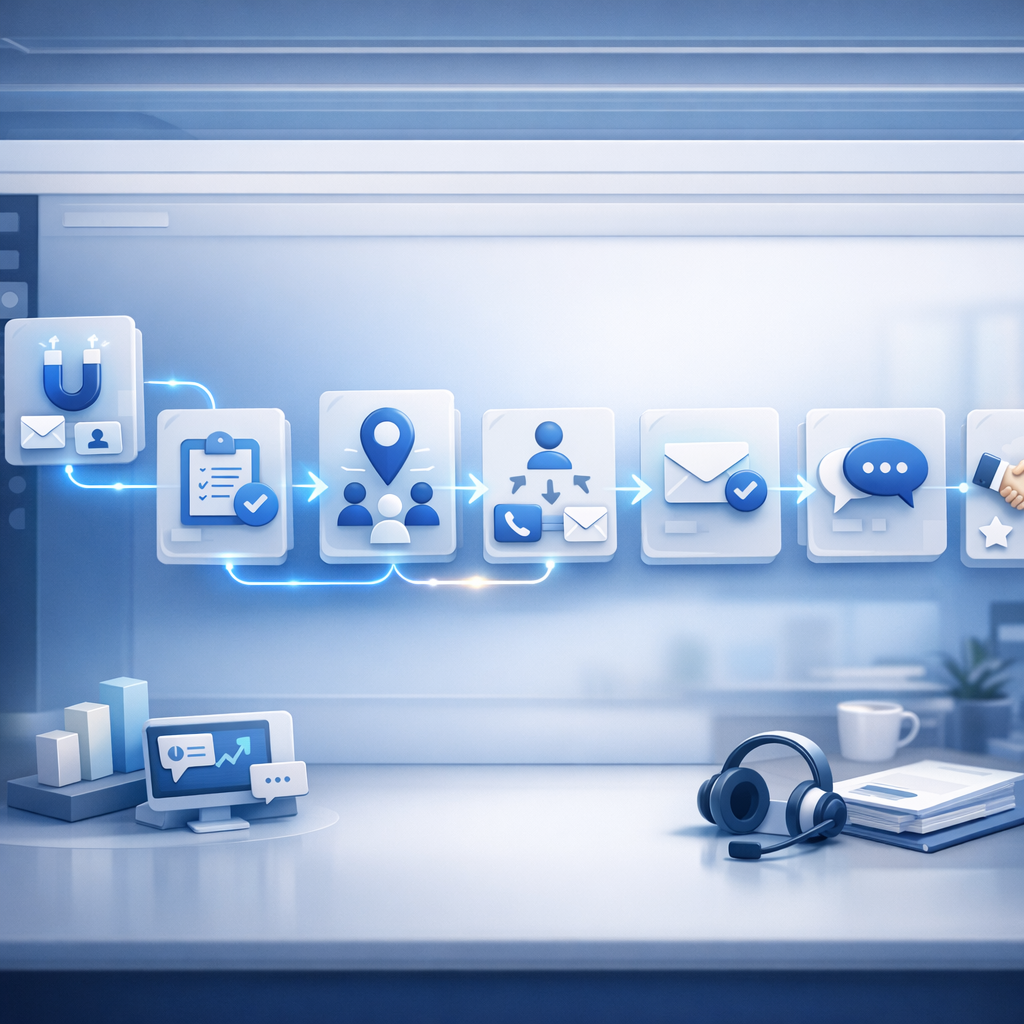
Following up is crucial in the cold emailing process. Many recipients may not respond to your first email but could be interested if you reach out again. A well-planned follow-up strategy can significantly increase your chances of getting a response.
When following up, be sure to space your emails appropriately. A common practice is to wait about three to five business days before sending a follow-up. In your follow-up email, reference your initial message and reiterate the value you can provide.
Here are some tips for effective follow-ups:
- Keep your follow-up emails short and to the point.
- Restate your value proposition clearly.
- Ask if there’s a better time to connect.
- Offer additional insights or resources that may be helpful.
Conclusion
Cold emailing can be an effective way to connect with potential clients and grow your business. By understanding why most cold emails fail and implementing effective templates, you can increase your response rates. Remember to personalize your messages, keep them concise, and include a clear call to action.
Testing and optimizing your emails will also help you refine your approach over time. Finally, don't underestimate the power of follow-ups. With the right strategy, you can turn cold leads into valuable connections.
Frequently Asked Questions
What are the key elements of a successful cold email?
Key elements include a strong subject line, personalized greeting, brief introduction, clear explanation of benefits, and a specific call to action.
How often should I follow up on cold emails?
It's recommended to follow up about three to five business days after the initial email.
Ready to put this into practice?
Set up your pipeline, WhatsApp follow-ups, and AI lead scoring in minutes — free, no credit card.
Try HelloGrowthCRM freeGet CRM tips in your inbox
Join thousands of sales professionals who get weekly insights on CRM strategy, AI automation, and pipeline optimization.

The HelloGrowthCRM team publishes guides on CRM strategy, AI sales tools, and revenue operations for small business sales teams.