HelloGrowthCRM software
Built for real small-business sales teams
HelloGrowthCRM helps reps qualify faster, follow up on time, and close more deals—with practical automation in one place.
- AI lead scoring and pipeline visibility
- Built-in dialer, WhatsApp, and email automation
- Sales forecasting and RevOps-ready reporting
The CRM Landscape is Changing
For decades, customer relationship management systems have been little more than glorified spreadsheets. Salespeople often see them as places to reluctantly log data rather than tools that enhance their productivity. However, artificial intelligence is transforming this landscape. AI-driven CRM systems are becoming essential for sales teams, offering smarter tools that streamline processes and boost performance.
As organizations recognize the need for efficiency, the integration of AI into CRM systems is no longer optional. It is now a game-changer that can redefine how sales teams operate. Embracing AI technology allows teams to focus on building relationships rather than getting bogged down in administrative tasks. This shift ultimately leads to better customer experiences and increased sales.
Understanding AI in CRM
AI in CRM refers to the use of artificial intelligence technologies to enhance customer relationship management. This includes machine learning, natural language processing, and predictive analytics. These technologies help sales teams analyze customer data more effectively, enabling them to make informed decisions. By utilizing AI, sales teams can identify patterns, predict customer behavior, and tailor their strategies accordingly.
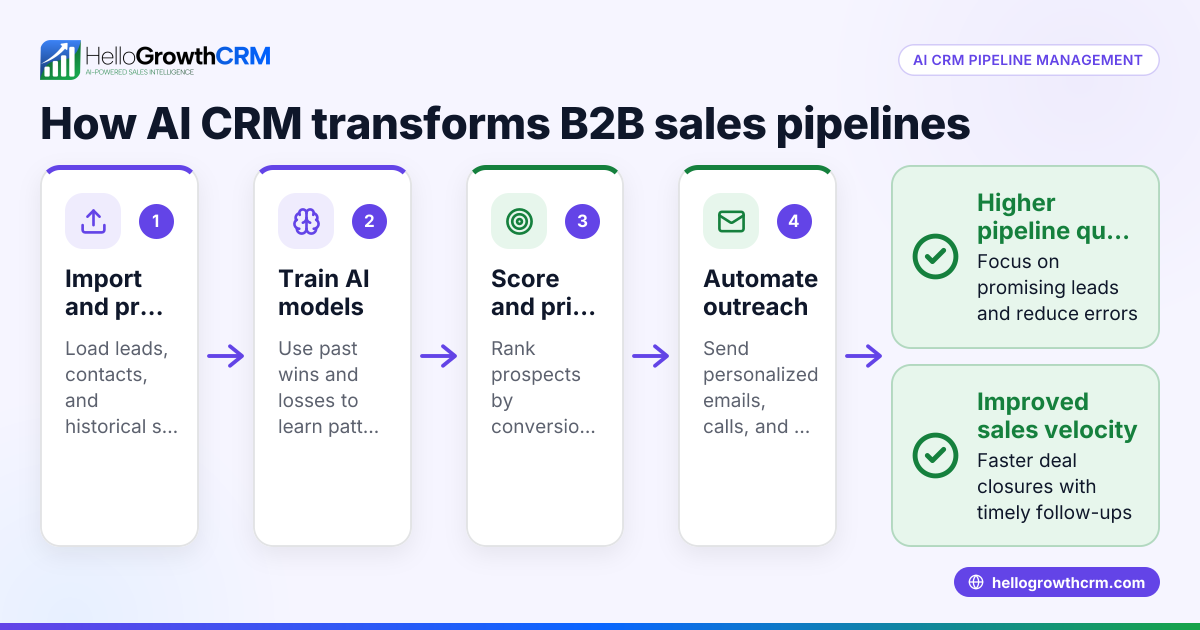
The implementation of AI in CRM systems can significantly improve lead scoring and prioritization. Instead of relying solely on manual input, AI algorithms can assess various factors to determine which leads are most likely to convert. This allows sales teams to focus their efforts on high-potential leads, improving their chances of closing deals. Additionally, AI can automate repetitive tasks, freeing up time for sales professionals to engage with customers.
Key Trends Shaping AI CRM
Several trends are emerging as AI continues to shape the CRM landscape. Understanding these trends can help sales teams prepare for the future and leverage AI to their advantage. Some of the key trends include:
- Enhanced Predictive Analytics: AI can analyze historical data to predict future customer behavior. This allows sales teams to anticipate needs and tailor their approach.
- Improved Customer Segmentation: With AI, sales teams can segment customers more accurately based on behavior and preferences. This leads to more targeted marketing efforts.
- Chatbots and Virtual Assistants: AI-powered chatbots can handle routine inquiries and support tasks, allowing sales teams to focus on more complex customer interactions.
- Personalization at Scale: AI enables sales teams to deliver personalized experiences to customers, even in large-scale operations. This enhances customer satisfaction and loyalty.
- Integration with Other Technologies: AI CRM systems are increasingly integrating with other tools, such as marketing automation and data analytics platforms. This creates a seamless workflow for sales teams.
Benefits of AI CRM for Sales Teams
The integration of AI into CRM systems offers numerous benefits for sales teams. These advantages help improve efficiency, enhance customer relationships, and ultimately drive more sales. Some of the key benefits include:
- Increased Efficiency: AI automates routine tasks, allowing sales teams to focus on high-value activities. This leads to improved productivity and better time management.
- Better Decision-Making: AI provides data-driven insights that help sales teams make informed decisions. This reduces guesswork and enhances strategic planning.
- Enhanced Customer Relationships: By understanding customer behavior and preferences, sales teams can build stronger relationships. This leads to increased customer loyalty and retention.
- Higher Conversion Rates: AI-driven lead scoring helps sales teams prioritize leads effectively. This increases the likelihood of closing deals and achieving sales targets.
- Cost Savings: Automating tasks and improving efficiency can lead to significant cost savings for organizations. This allows for better resource allocation and investment in growth initiatives.
Challenges of Implementing AI CRM
While the benefits of AI CRM are clear, there are challenges that organizations must address when implementing these systems. Understanding these challenges can help sales teams prepare for a smoother transition. Some common challenges include:
- Data Quality: AI relies on high-quality data to function effectively. Organizations must ensure that their data is accurate and up-to-date.
- Change Management: Implementing AI CRM requires a cultural shift within the organization. Sales teams may need training and support to adapt to new technologies.
- Integration Issues: Integrating AI CRM with existing systems can be complex. Organizations must plan for potential compatibility issues and invest in necessary resources.
- Cost of Implementation: While AI can lead to cost savings, the initial investment can be significant. Organizations must weigh the long-term benefits against short-term costs.
- Keeping Up with Technology: The rapid pace of technological advancement means that organizations must stay informed about the latest developments in AI CRM. This requires ongoing training and adaptation.
The Future of AI CRM
The future of AI CRM looks promising as technology continues to evolve. Sales teams can expect to see even more advanced features and capabilities in the coming years. As AI becomes more sophisticated, it will enable deeper insights into customer behavior and preferences. This will allow sales teams to create highly personalized experiences that resonate with customers.
Moreover, the integration of AI with other emerging technologies, such as augmented reality and the Internet of Things, will open new avenues for customer engagement. Sales teams will have access to a wealth of data that can be used to refine their strategies and improve their outreach. As organizations embrace these changes, AI CRM will become an indispensable tool for driving sales growth and enhancing customer relationships.
In conclusion, AI is transforming the CRM landscape, providing sales teams with powerful tools to enhance efficiency and productivity. By understanding the trends, benefits, and challenges associated with AI CRM, organizations can position themselves for success in a rapidly changing environment. The future is bright for sales teams that embrace AI technology and leverage it to build stronger customer relationships.
Frequently Asked Questions
What is AI CRM?
AI CRM refers to the use of artificial intelligence technologies to enhance customer relationship management.
What are the benefits of implementing AI in CRM?
The benefits include increased efficiency, better decision-making, enhanced customer relationships, higher conversion rates, and cost savings.
Ready to put this into practice?
Set up your pipeline, WhatsApp follow-ups, and AI lead scoring in minutes — free, no credit card.
Try HelloGrowthCRM freeGet CRM tips in your inbox
Join thousands of sales professionals who get weekly insights on CRM strategy, AI automation, and pipeline optimization.

The HelloGrowthCRM team publishes guides on CRM strategy, AI sales tools, and revenue operations for small business sales teams.