HelloGrowthCRM software
Built for real small-business sales teams
HelloGrowthCRM helps reps qualify faster, follow up on time, and close more deals—with practical automation in one place.
- AI lead scoring and pipeline visibility
- Built-in dialer, WhatsApp, and email automation
- Sales forecasting and RevOps-ready reporting
Sales strategies and techniques are structured approaches and methods a business uses to attract, engage, and close customers. For small business owners, this means identifying target customers, managing leads, following up promptly, and tracking deals through a sales pipeline. This article covers why sales strategies matter, step-by-step actions to implement them, a practical example, common pitfalls, and how HelloGrowthCRM can support your sales process.
Why this comes up / what goes wrong
Small-business owners often find themselves losing leads or deals because follow-up is slow or inconsistent. Sales may be scattered across text messages, email, and spreadsheets, which makes tracking progress and prioritizing leads difficult. Without a clear sales strategy, teams can miss opportunities, fail to understand customer needs, or spend time chasing low-value prospects. This leads to wasted effort, unpredictable revenue, and frustration. Understanding sales strategies and techniques helps organize the sales process, improve communication, and increase conversions.
Step-by-step
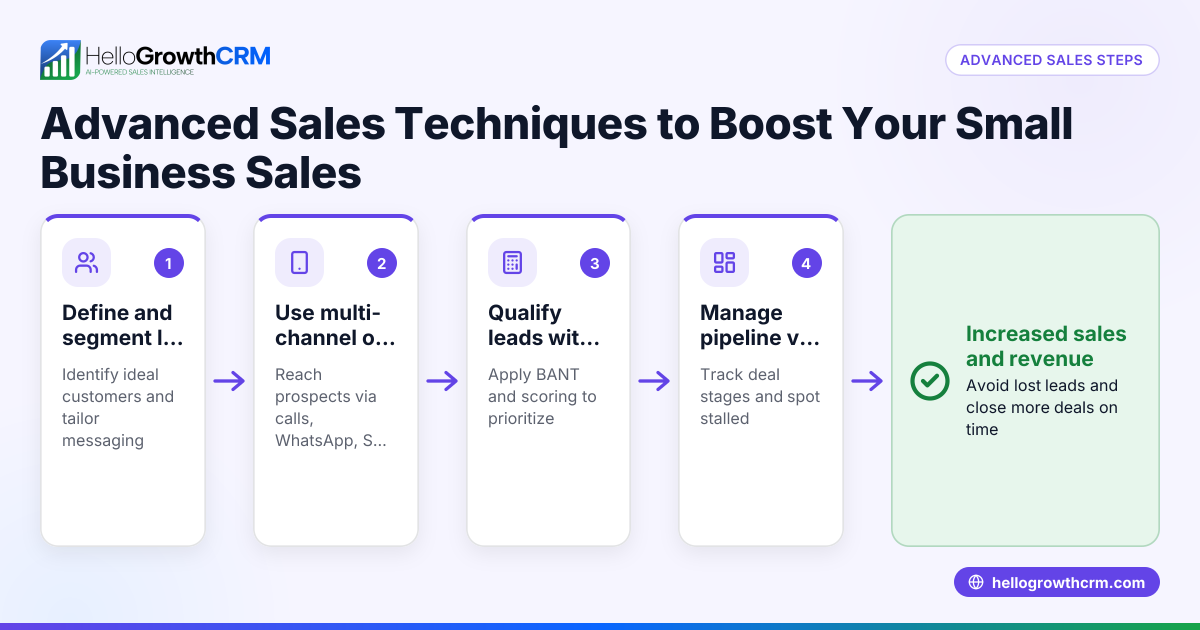
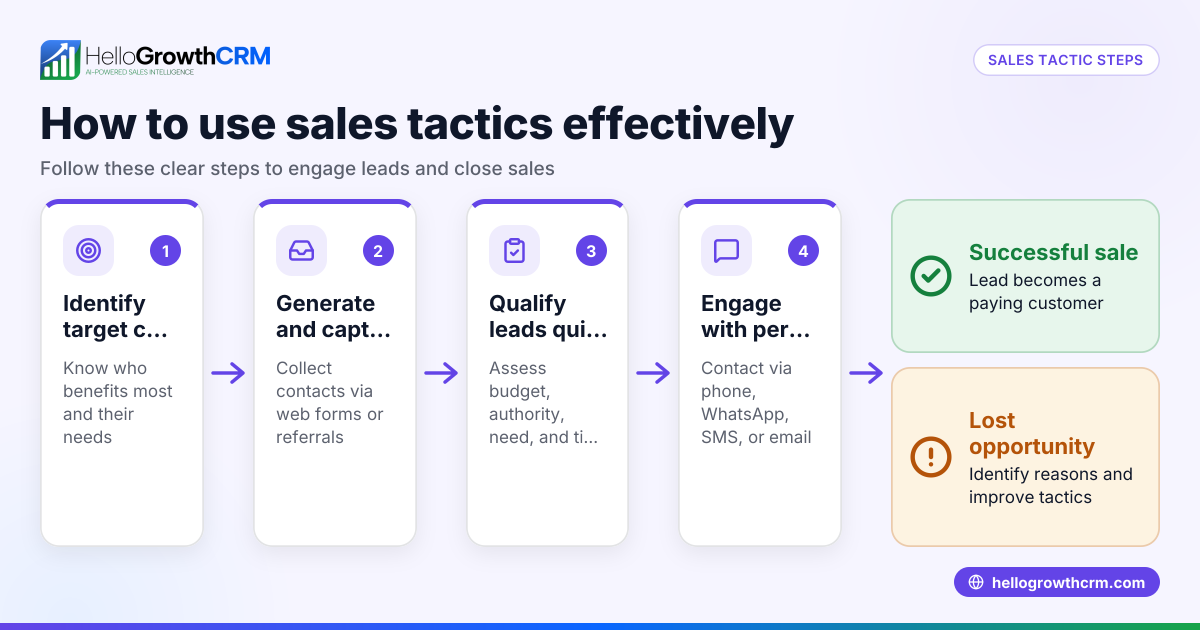
- Define your target market and territories: Identify who your ideal customers are and, if applicable, assign sales territories to focus efforts geographically or by segment. Check that territories are clearly assigned to avoid overlap.
- Capture and organize leads: Use web forms or integrations to collect leads automatically into a central system. Check that all incoming leads are logged promptly and assigned to the right sales rep.
- Qualify and score leads: Assess leads based on criteria such as budget, need, and timeline. Check that lead scoring is consistent and helps prioritize follow-up.
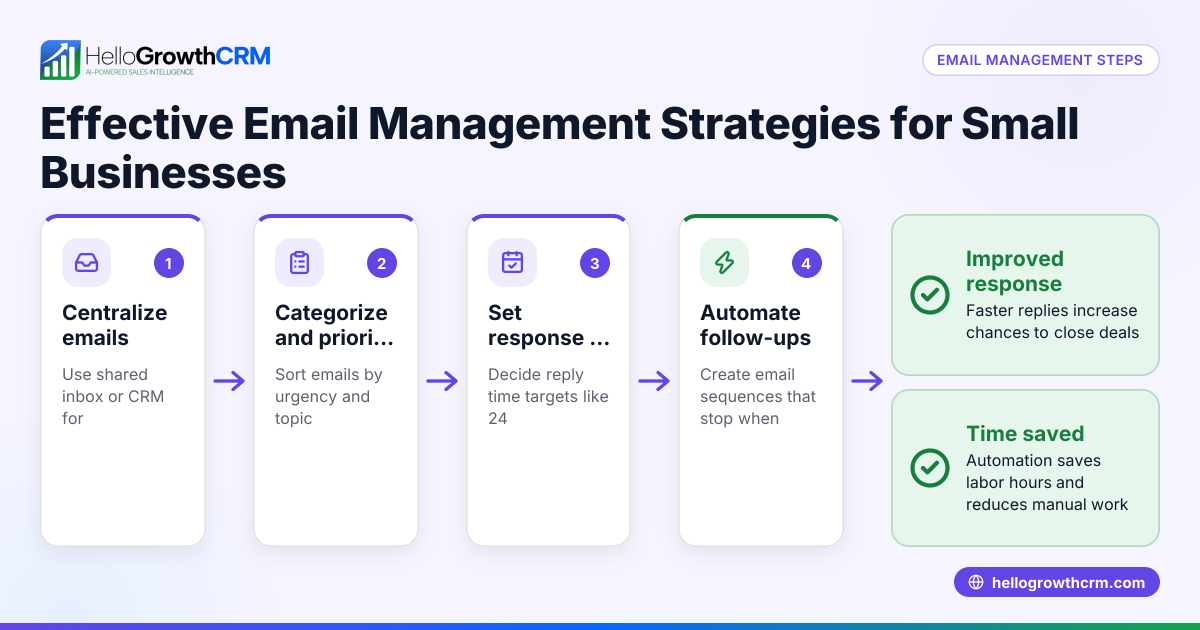
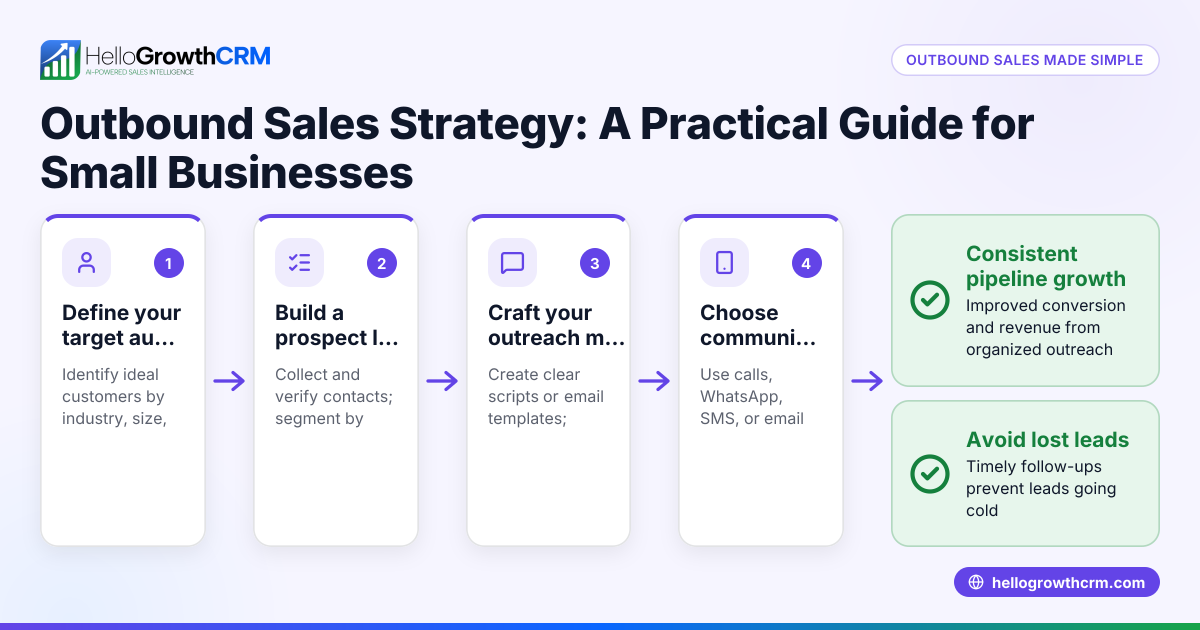
- Follow up with a structured cadence: Plan a sequence of contacts via email, WhatsApp, SMS, or phone calls. Check that follow-up dates are set and reminders are in place.
- Manage deals in a sales pipeline: Track each opportunity through stages like prospecting, quote sent, negotiation, and close. Check that deals are updated regularly and next steps are clear.
- Use data to forecast and improve: Review sales reports and forecasts to identify bottlenecks or trends. Check that the team reviews pipeline health and adjusts strategies as needed.
Example (fictional figures)
A landscaping contractor in Charlotte, North Carolina, wants to improve sales in Q2 2026.
- They define their target market as residential homeowners in three Charlotte zip codes.
- They assign two sales reps to cover these territories.
- They capture 100 leads from their website in April.
- They score leads and find 40 are qualified for follow-up.
- They plan a follow-up sequence: initial call, WhatsApp message, and email reminder.
- They send 20 quotes in April, with an average deal value of $2,500.
- They track deals through a pipeline with stages: Lead, Quote Sent, Negotiation, Closed Won/Lost.
Calculations for April:
Qualified leads: 100 × 40% = 40 Quotes sent: 20 Average deal value: $2,500 Expected value of quotes: 20 × $2,500 = $50,000
If 50% of quotes close, revenue forecast:
$50,000 × 50% = $25,000
This example shows how defining steps and tracking progress can help forecast sales and focus efforts.
Common mistakes
- Ignoring lead follow-up timing: Delays cause lost interest. Prevent by setting follow-up reminders and using a sales cadence template. See free sales tools and templates at HelloGrowthCRM free tools.
- Scattered sales data: Using text, email, and spreadsheets separately makes tracking deals hard. Prevent by centralizing leads and deals in one place.
- Skipping lead qualification: Pursuing every lead wastes time. Prevent by scoring leads to focus on high-potential prospects.
- Not updating deal stages: Leads get stuck or forgotten. Prevent by regularly moving deals through the pipeline and setting follow-up dates. HelloGrowthCRM’s Deals (pipeline) helps manage this.
- Overlapping territories: Sales reps chase the same leads causing confusion. Prevent by clearly defining territories. HelloGrowthCRM’s Territories and field operations can assist.
Doing this in HelloGrowthCRM
HelloGrowthCRM offers tools to organize and track your sales efforts efficiently. You can define and assign sales territories so field reps log visits from their phones, and managers monitor daily activity. Download free sales tools, templates, and calculators without creating an account to help structure your follow-up cadence and pipeline. Track all deals in a pipeline with stages and follow-up dates, ensuring quotations sent last week appear as active deals so no opportunity is forgotten. For more, see HelloGrowthCRM for the United States.
Frequently asked questions
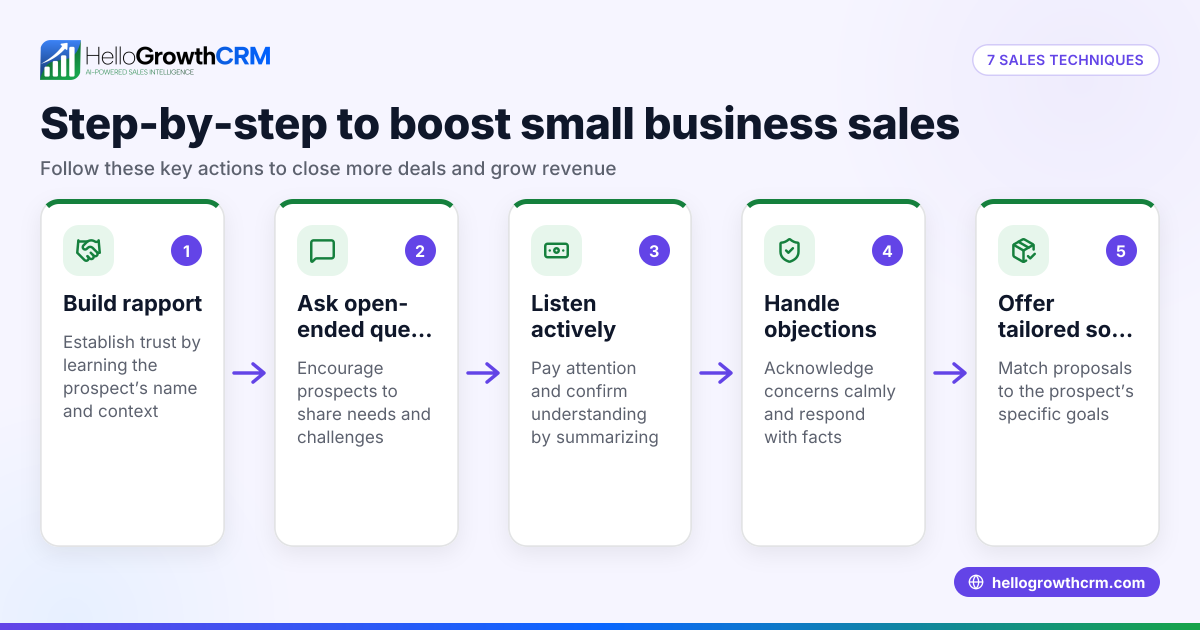
What are the most effective sales techniques for small businesses? Effective techniques include lead qualification, timely follow-up, using multiple communication channels like WhatsApp and SMS, and managing deals through a structured pipeline. Consistency and clear tracking are key.
How can I prioritize leads to focus on the best opportunities? Use lead scoring based on factors such as budget, decision timeline, and need. Prioritize leads with higher scores to maximize conversion chances.
Why is tracking deals in stages important? Tracking deals through stages helps you know where each opportunity stands, schedule timely follow-ups, and forecast revenue. It prevents leads from being forgotten or stuck.
How do sales territories improve performance? Territories assign responsibility, reduce overlap, and help reps focus on specific customer groups or areas. This improves efficiency and accountability.
Can I use WhatsApp and SMS for sales follow-up? Yes, using WhatsApp and SMS sequences can improve engagement. HelloGrowthCRM supports these channels integrated with your CRM pipeline for streamlined communication.
Key takeaways
- Define your target market and assign clear sales territories.
- Capture and qualify leads to focus on high-potential prospects.
- Follow up consistently using a planned cadence across multiple channels.
- Track deals through a sales pipeline with stages and follow-up dates.
- Use data and forecasting to adjust your sales strategies.
- Avoid common mistakes like slow follow-up and scattered data.
Start organizing your sales process with practical tools and templates. Start on the Free Forever plan (200 leads, no credit card) to test HelloGrowthCRM and improve your sales today.
Ready to put this into practice?
Set up your pipeline, WhatsApp follow-ups, and AI lead scoring in minutes — free, no credit card.
Try HelloGrowthCRM freeGet CRM tips in your inbox
Join thousands of sales professionals who get weekly insights on CRM strategy, AI automation, and pipeline optimization.

The HelloGrowthCRM team publishes guides on CRM strategy, AI sales tools, and revenue operations for small business sales teams.