HelloGrowthCRM software
Built for real small-business sales teams
HelloGrowthCRM helps reps qualify faster, follow up on time, and close more deals—with practical automation in one place.
- AI lead scoring and pipeline visibility
- Built-in dialer, WhatsApp, and email automation
- Sales forecasting and RevOps-ready reporting
An ecommerce funnel shows the stages a visitor passes through before buying from your online store. It breaks down the journey into clear steps such as awareness (finding your site), interest (browsing products), decision (adding to cart or requesting a quote), and action (making a purchase). Tracking this funnel helps ecommerce business owners understand where customers drop off and improve follow-up to increase sales.
Why this comes up / what goes wrong
US ecommerce business owners and accountants face challenges managing leads from multiple sources like email, text messages, and spreadsheets. Without a clear funnel, leads get lost or forgotten, causing missed sales and wasted marketing budgets. Many ecommerce sellers run sales on informal channels and struggle to track prospects systematically. A well-defined ecommerce funnel helps visualize each step, prioritize leads, and ensure timely contact. Without it, sales opportunities slip away unnoticed.
Step-by-step
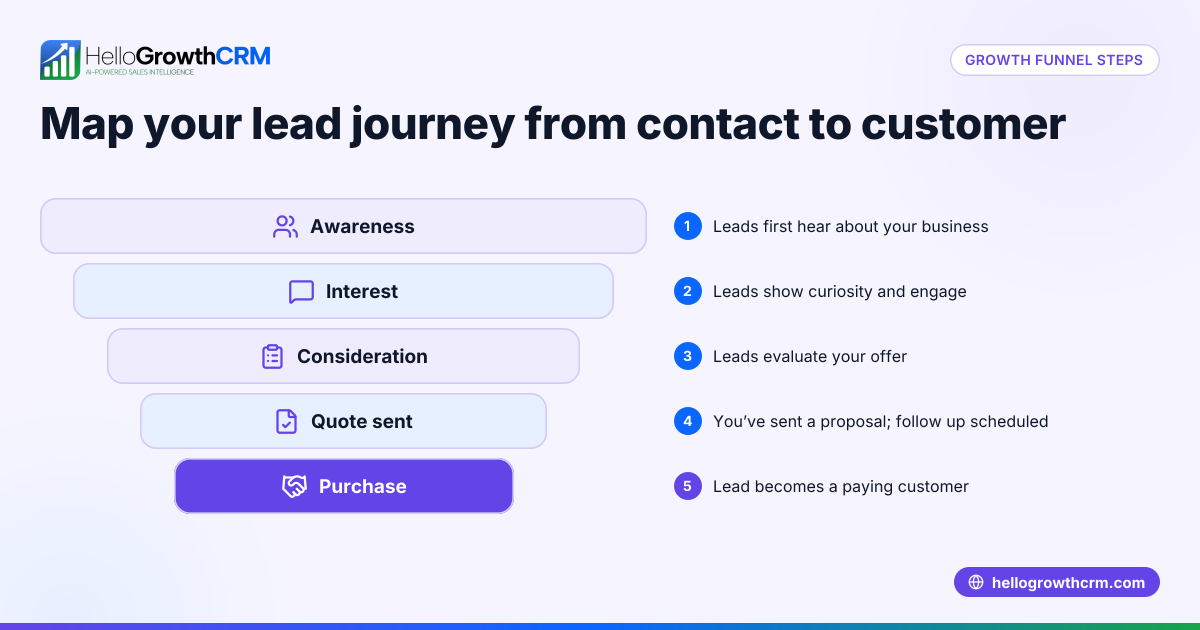
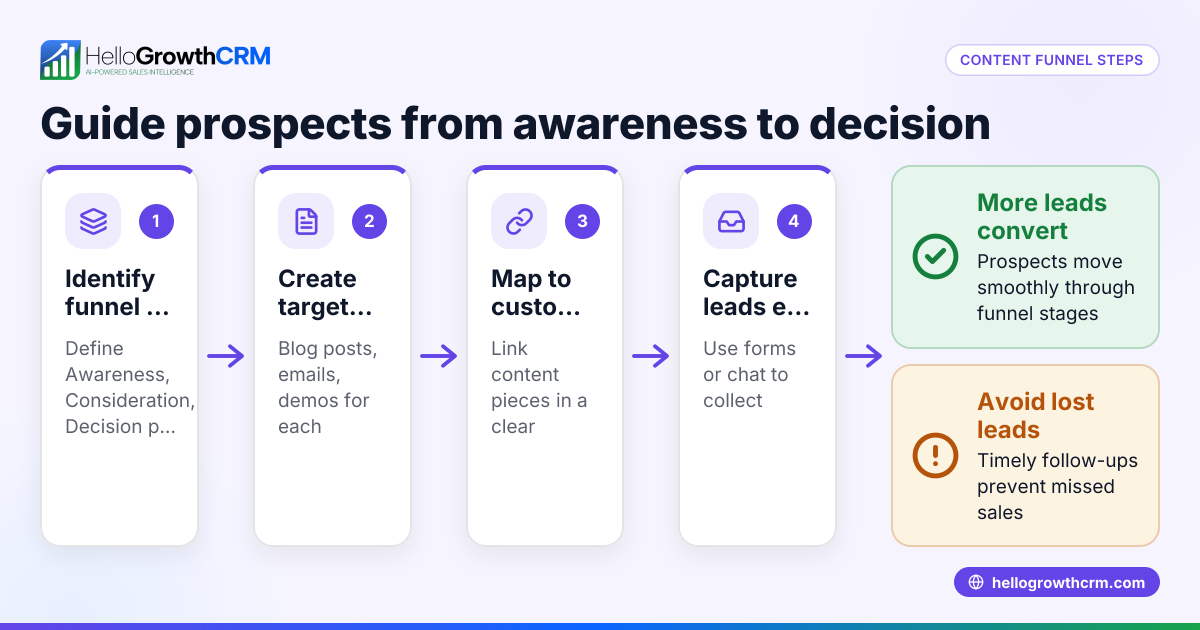
- Define your funnel stages: Typical ecommerce funnel stages include:
- Awareness: Visitors discover your store through ads, search engines, or social media.
- Interest: Visitors browse products, read descriptions, and add items to wishlists or carts.
- Decision: Visitors start checkout, request quotes, or ask questions.
- Action: Visitors complete the purchase.
- Set up tracking tools: Use website analytics and a CRM to capture visitor actions at each stage. Check that your tools integrate with your ecommerce platform and communication channels.
- Capture leads effectively: Make sure web forms, chatbots, or contact options capture visitor information early. Verify that data is accurate and accessible for follow-up.
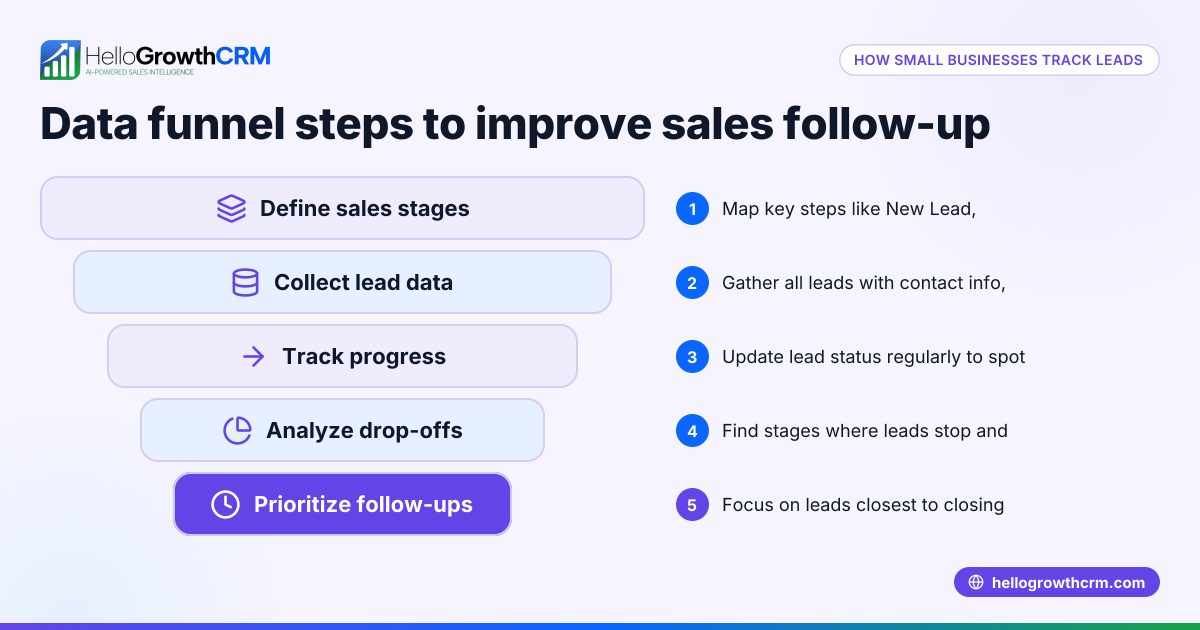
- Assign lead status and follow-up tasks: Label each lead by funnel stage and set reminders to contact them promptly. Use task boards or pipelines to avoid losing leads.
- Analyze drop-off points: Regularly review funnel data to find where visitors leave. Check for website issues, confusing messaging, or slow responses.
- Optimize marketing and sales efforts: Adjust advertising, product pages, and follow-up sequences based on funnel insights.
- Repeat and refine: Continuously test changes and update funnel stages as your business grows.
For ecommerce and online sellers, using a CRM that supports WhatsApp and SMS communication can improve lead engagement and follow-up. Learn more about WhatsApp and SMS CRM.
Example (fictional figures)
An ecommerce store selling custom pet supplies in Phoenix, Arizona tracks its funnel for March 2026:
- Visitors (Awareness): 40,000
- Product views (Interest): 12,000
- Cart adds (Decision): 2,400
- Purchases (Action): 960
Calculate conversion rates:
Interest rate = 12,000 ÷ 40,000 = 0.30 (30%)
Decision rate = 2,400 ÷ 12,000 = 0.20 (20%)
Purchase rate = 960 ÷ 2,400 = 0.40 (40%)
Overall conversion = 960 ÷ 40,000 = 0.024 (2.4%)
This shows the biggest drop-off is from product views to cart adds. The owner should check if product pricing, shipping costs, or checkout usability affect this stage.
Common mistakes
- Ignoring lead follow-up: Leads who show interest but receive no timely contact often disappear. Prevent this by setting follow-up reminders and using task boards.
- Overcomplicating funnel stages: Using too many stages can confuse your team and slow action. Keep funnel stages clear and focused.
- Inconsistent funnel tracking: Without regular review, you miss trends and problems. Schedule weekly or biweekly funnel analysis.
- Relying only on email: Many ecommerce customers prefer texting or WhatsApp. Use multi-channel outreach to increase engagement.
- Disconnected sales tools: Using separate spreadsheets, messaging apps, and calendars wastes time and risks lost leads. Use a CRM that consolidates sales data.
For US ecommerce sellers, see how HelloGrowthCRM for the United States supports sales teams with pipeline tracking.
Doing this in HelloGrowthCRM
HelloGrowthCRM offers Deals (pipeline) to track ecommerce sales opportunities from first contact to close. For example, a quotation sent last week appears as a deal at the 'quote sent' stage with a follow-up date, so it is not forgotten. This helps ecommerce teams manage leads efficiently without losing track of prospects. Learn more about the Deals pipeline at HelloGrowthCRM AI CRM.
Frequently asked questions
What is an ecommerce funnel? An ecommerce funnel is the path customers follow from discovering your online store to completing a purchase. It breaks down the buying process into stages so you can identify where customers drop off and improve sales.
How do I track my ecommerce funnel? Track your funnel using website analytics combined with a CRM that captures visitor actions and lead statuses. Regular reviews help spot drop-offs and guide marketing adjustments.
What are common stages in an ecommerce funnel? Typical stages include awareness (visitors), interest (product views), decision (cart adds or quotes), and action (purchase).
Why do customers drop off in the funnel? Drop-offs can happen due to unclear product information, complicated checkout, slow follow-up, or lack of trust signals.
How can I improve my ecommerce funnel? Simplify website navigation, offer clear calls to action, follow up leads promptly via email, WhatsApp, or SMS, and test changes regularly.
Key takeaways
- An ecommerce funnel maps customer progress from discovery to purchase.
- Define clear funnel stages and capture lead information early.
- Use analytics and CRM to identify where customers drop off.
- Avoid losing leads by timely follow-up and multi-channel outreach.
- Keep funnel stages simple and actionable.
- HelloGrowthCRM’s Deals pipeline helps track and manage ecommerce sales opportunities.
Start improving your ecommerce funnel today by managing leads efficiently. Start on the Free Forever plan (200 leads, no credit card).
Ready to put this into practice?
Set up your pipeline, WhatsApp follow-ups, and AI lead scoring in minutes — free, no credit card.
Try HelloGrowthCRM freeGet CRM tips in your inbox
Join thousands of sales professionals who get weekly insights on CRM strategy, AI automation, and pipeline optimization.

The HelloGrowthCRM team publishes guides on CRM strategy, AI sales tools, and revenue operations for small business sales teams.