HelloGrowthCRM software
Built for real small-business sales teams
HelloGrowthCRM helps reps qualify faster, follow up on time, and close more deals—with practical automation in one place.
- AI lead scoring and pipeline visibility
- Built-in dialer, WhatsApp, and email automation
- Sales forecasting and RevOps-ready reporting
Email marketing best practices help small businesses engage prospects and customers efficiently while avoiding spam complaints and low engagement. Key practices include getting explicit opt-in consent, segmenting your audience, personalizing emails, maintaining a consistent schedule, and automating follow-ups that stop as soon as the prospect replies. Monitoring performance metrics and avoiding common errors like over-emailing or ignoring replies is essential.
Why this comes up / what goes wrong
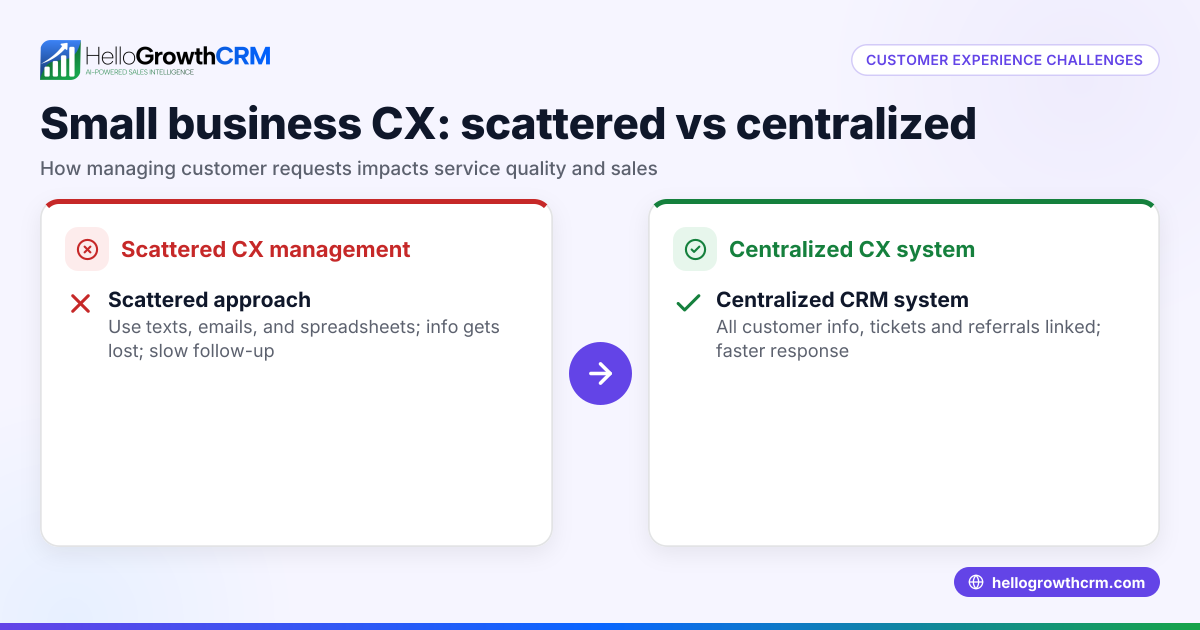
Small business owners often start email marketing with basic tools like spreadsheets and generic email clients. They struggle with slow follow-up, lost replies, and poor engagement because they lack automation and team visibility. Without clear opt-in practices, they risk damaging their sender reputation or violating regulations. Evaluating email marketing best practices helps these owners choose software or services that streamline campaigns, improve response rates, and keep their teams coordinated.
Step-by-step
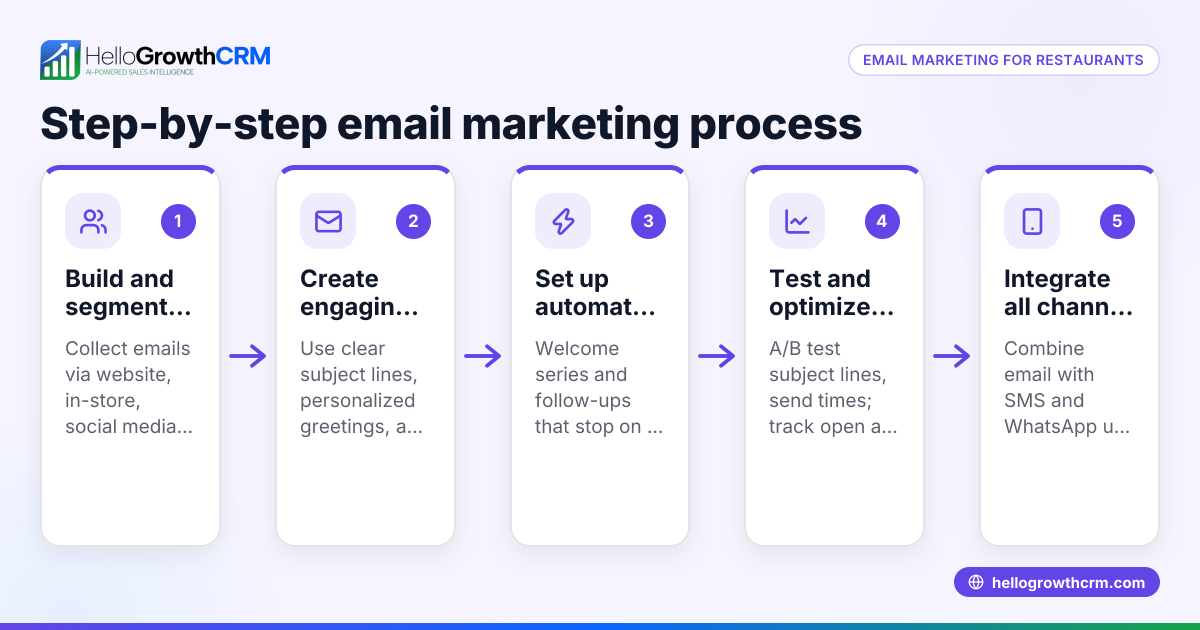
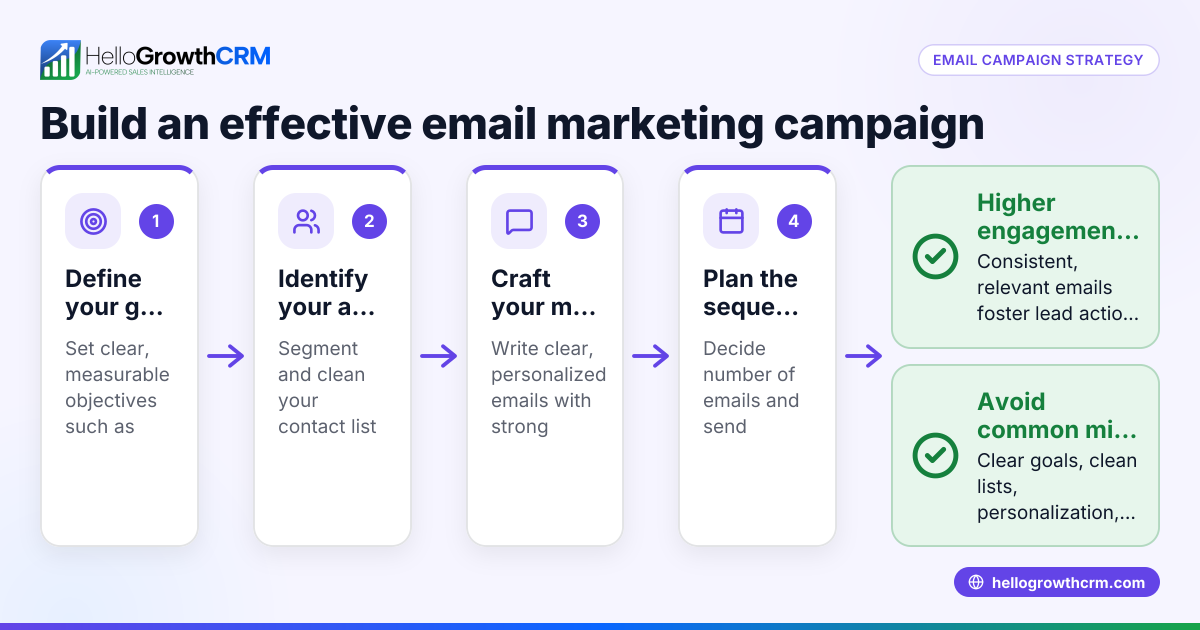
- Build a clean opt-in list: Collect emails only from people who explicitly agree to receive your messages. Check that your sign-up forms clearly explain what subscribers will get.
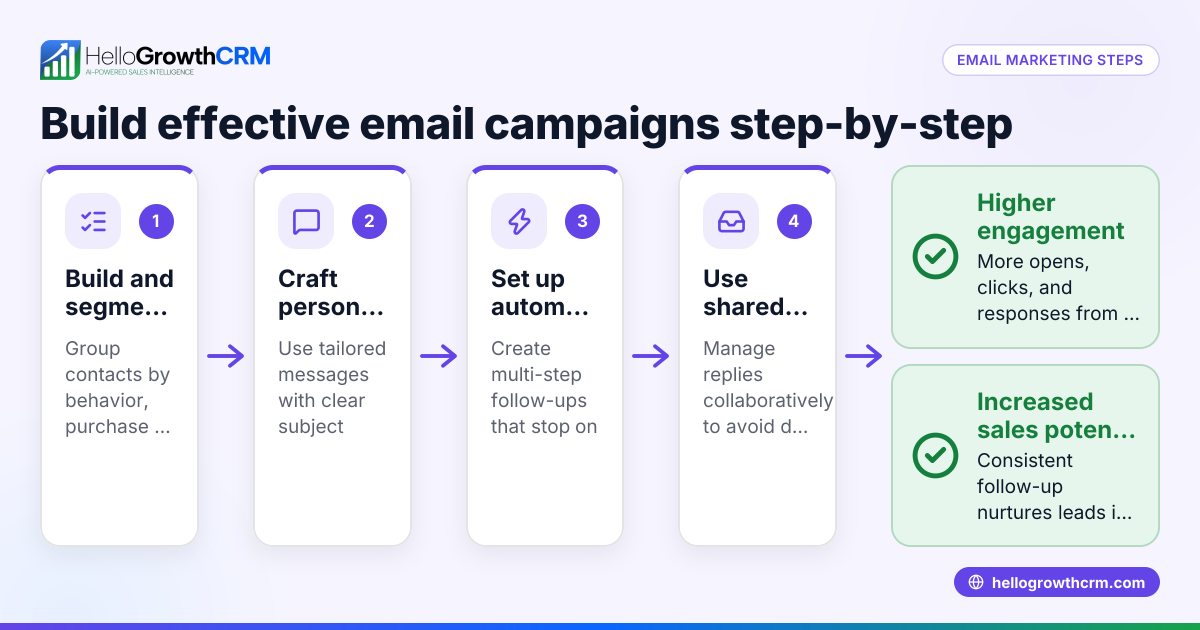
- Segment your audience: Group contacts by criteria like purchase history, location, or engagement level. This allows sending relevant content that resonates.
- Personalize your emails: Use the recipient’s name and tailor content based on their interests or stage in the sales funnel.
- Create a consistent sending schedule: Decide how often to email and stick to it. Avoid overwhelming recipients but maintain regular contact.
- Set up automated follow-ups: Use sequences that send a series of emails over days or weeks. Ensure the sequence stops immediately when the prospect replies to avoid spammy impressions. Check that your automation can handle multi-channel outreach, including SMS or WhatsApp if applicable.
- Monitor key metrics: Track open rates, click-through rates, and unsubscribe rates to measure engagement and adjust your strategy.
- Manage replies efficiently: Use shared inboxes so your sales team can see all replies in context and collaborate on next steps.
For software that supports these steps, see email automation and sequences.
Example (fictional figures)
A B2B software reseller in Denver, Colorado, runs an email campaign to promote a new product launch on 09/01/2025.
- They start with a clean opt-in list of 5,000 contacts.
- Open rate is 20%, so 5,000 × 20% = 1,000 opens.
- Click-through rate is 10%, so 1,000 × 10% = 100 clicks.
- Conversion rate from clicks is 5%, so 100 × 5% = 5 sales.
- Average sale value is $2,000.
- Total revenue = 5 × $2,000 = $10,000.
They use a five-step automated follow-up sequence over two weeks that stops as soon as a prospect replies, reducing manual work and increasing engagement.
Common mistakes
- Not getting explicit opt-in: Prevent this by using clear sign-up forms and confirming consent.
- Ignoring segmentation: Avoid sending generic emails by grouping contacts and personalizing content.
- Over-emailing: Space out your emails to prevent unsubscribes and complaints.
- Not automating follow-ups: Manual follow-up leads to delays and lost leads. Use sequences that stop on reply to avoid annoying prospects.
- Failing to monitor replies: Without a shared inbox, team members may miss replies. Use tools that show all responses on the deal for team visibility.
- Neglecting performance metrics: Track opens, clicks, and unsubscribes to improve campaigns continuously.
Learn more about managing replies with a shared inbox in HelloGrowthCRM for the United States.
Doing this in HelloGrowthCRM
HelloGrowthCRM offers a HelloMail shared inbox so your team can manage inbound emails on deals without switching apps. Replies to quotation emails are visible to everyone involved, preventing lost messages. You can also create automated sequences and campaigns that run a five-step follow-up over two weeks and stop immediately when the prospect replies, saving time and improving response rates.
Frequently asked questions
What are email opt-in best practices? Email opt-in best practices include clearly informing subscribers what content they will receive, using double opt-in confirmations when possible, and providing easy options to unsubscribe. This builds trust and keeps your list clean.
How often should I send marketing emails? Frequency depends on your audience and content but aim for consistency without overwhelming recipients. Typically, one to four emails per month works well. Monitor engagement and adjust accordingly.
How can I personalize emails without manual work? Use CRM tools that support dynamic fields and segmentation to automatically insert names and tailor content based on customer data. Automated sequences can send personalized messages at scale.
Why is it important to stop automated follow-ups when a prospect replies? Stopping follow-ups on reply prevents annoying your leads with redundant messages. It shows respect for their engagement and helps your team respond promptly.
Can I manage all my email replies in one place? Yes, a shared inbox inside your CRM lets your sales team view and respond to all inbound emails related to deals, improving collaboration and response time.
For more on automated email workflows, see email automation and sequences.
Key takeaways
- Always get explicit opt-in consent and maintain a clean email list.
- Segment and personalize emails to increase relevance and engagement.
- Use automated multi-step sequences that stop on reply to save time and avoid spamming.
- Monitor key metrics and adjust your strategy based on data.
- Manage replies with a shared inbox for team visibility and faster responses.
Start improving your email marketing with HelloGrowthCRM. Start on the Free Forever plan (200 leads, no credit card).
Ready to put this into practice?
Set up your pipeline, WhatsApp follow-ups, and AI lead scoring in minutes — free, no credit card.
Try HelloGrowthCRM freeGet CRM tips in your inbox
Join thousands of sales professionals who get weekly insights on CRM strategy, AI automation, and pipeline optimization.

The HelloGrowthCRM team publishes guides on CRM strategy, AI sales tools, and revenue operations for small business sales teams.