HelloGrowthCRM software
Built for real small-business sales teams
HelloGrowthCRM helps reps qualify faster, follow up on time, and close more deals—with practical automation in one place.
- AI lead scoring and pipeline visibility
- Built-in dialer, WhatsApp, and email automation
- Sales forecasting and RevOps-ready reporting
Email marketing metrics are key data points that reveal how your email campaigns perform. These include:
- Open rate: The percentage of recipients who open your email.
- Click-through rate (CTR): The percentage of recipients who click links inside your email.
- Bounce rate: The percentage of emails that fail to deliver.
- Unsubscribe rate: The percentage of recipients who opt out.
- Conversion rate: The percentage of recipients who complete a desired action, like making a purchase or booking an appointment.
Tracking these metrics helps you understand what works in your campaigns, which contacts engage with your messages, and where to improve to increase sales.
Why this comes up / what goes wrong
Small business owners often start email marketing without tracking key metrics. They send emails but don’t know who reads them or takes action. This leads to wasted time and missed sales opportunities. Without metrics, it’s difficult to tell if your message resonates or if your contact list contains inactive or invalid addresses. Also, many small businesses run sales outreach across disconnected tools like text messages, spreadsheets, and email clients, causing slow follow-up and lost leads. This confusion often results in poor sales performance and low return on marketing efforts.
Step-by-step
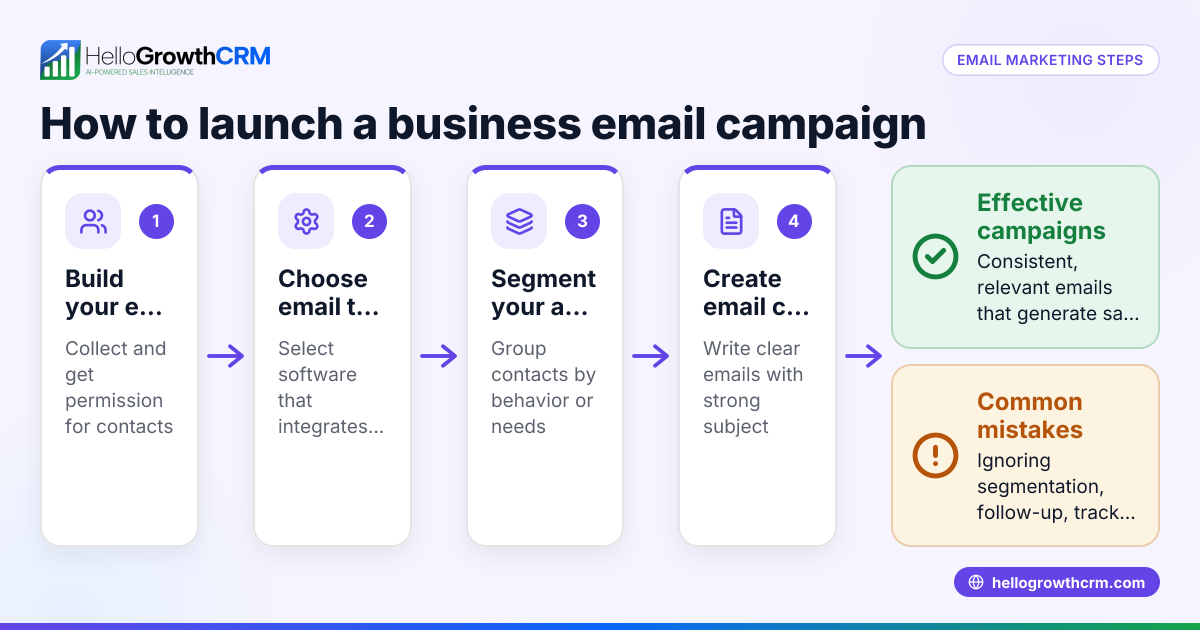
- Set up your email campaign and segment your list: Create clear email content targeted to logical groups (e.g., new leads, warm prospects, repeat customers). This improves relevance and engagement.
- Track open rates: Monitor how many recipients open your emails. A low open rate suggests your subject lines, sender name, or timing may need improvement.
- Monitor click-through rates: Check how many recipients click links inside your email. This measures interest in your offer and content quality.
- Watch bounce rates: Identify emails that didn’t deliver because of invalid addresses or full inboxes. Remove or update these contacts to keep your list clean.
- Check unsubscribe rates: A rising unsubscribe rate signals your content or frequency may not meet audience expectations. Adjust accordingly.
- Measure conversion rates: Track how many recipients complete your desired action after clicking (e.g., booking an appointment, requesting a quote, or making a purchase).
- Analyze reply rates: For sales emails, monitor how many prospects reply directly. Replies indicate engagement and provide opportunities for personal follow-up.
- Use sequences and campaigns: Automate follow-ups with multi-step email sequences that run over days or weeks and stop immediately when a prospect replies. This saves time and increases response rates. Learn more about email automation and sequences.
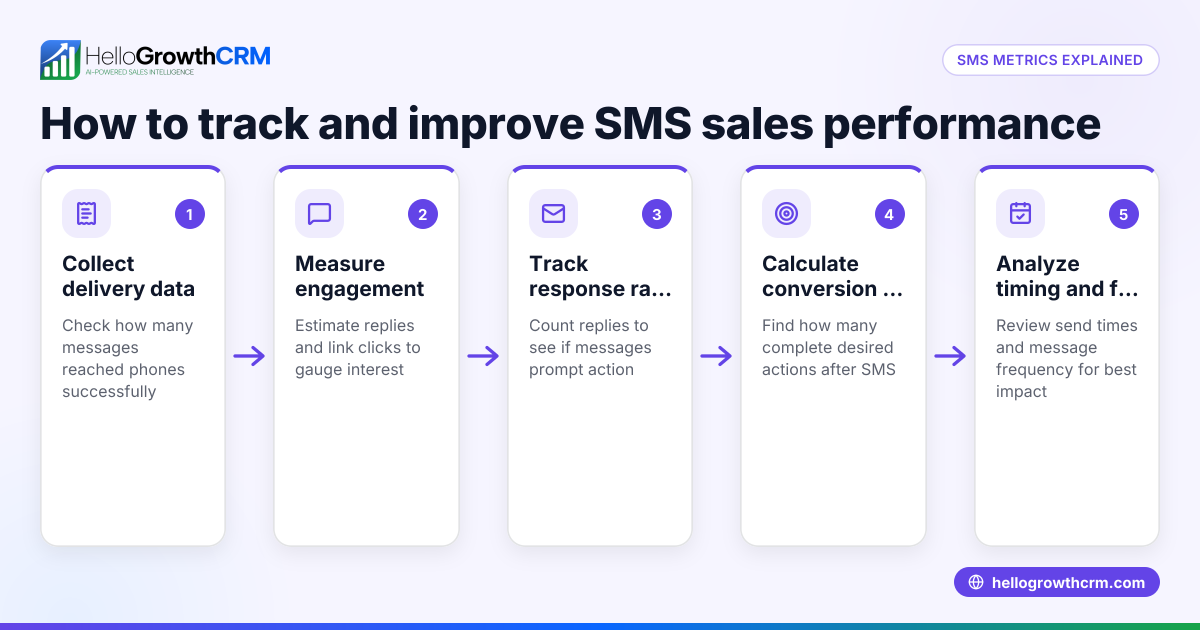
- Consolidate communication channels: Manage email, WhatsApp, and SMS outreach in one CRM to avoid lost leads and slow follow-up. See how WhatsApp and SMS CRM can help.
Example (fictional figures)
A two-location dental practice in Columbus, Ohio runs a promotional email campaign on 05/01/2026 to 2,000 patients offering a teeth whitening discount.
- Emails sent: 2,000
- Open rate: 25% → 2,000 × 25% = 500 opens
- Click-through rate: 10% → 500 × 10% = 50 clicks
- Bounce rate: 5% → 2,000 × 5% = 100 bounces
- Unsubscribe rate: 2% → 2,000 × 2% = 40 unsubscribes
- Conversion rate: 20% → 50 × 20% = 10 bookings
This means 10 patients booked the whitening service from this campaign. Tracking these metrics helps the practice see what works and where to improve.
Common mistakes
- Not tracking metrics regularly: Prevent this by scheduling weekly reviews of your email reports to spot trends and issues early.
- Ignoring bounce and unsubscribe rates: Remove invalid contacts promptly and adjust your content or frequency to reduce unsubscribes.
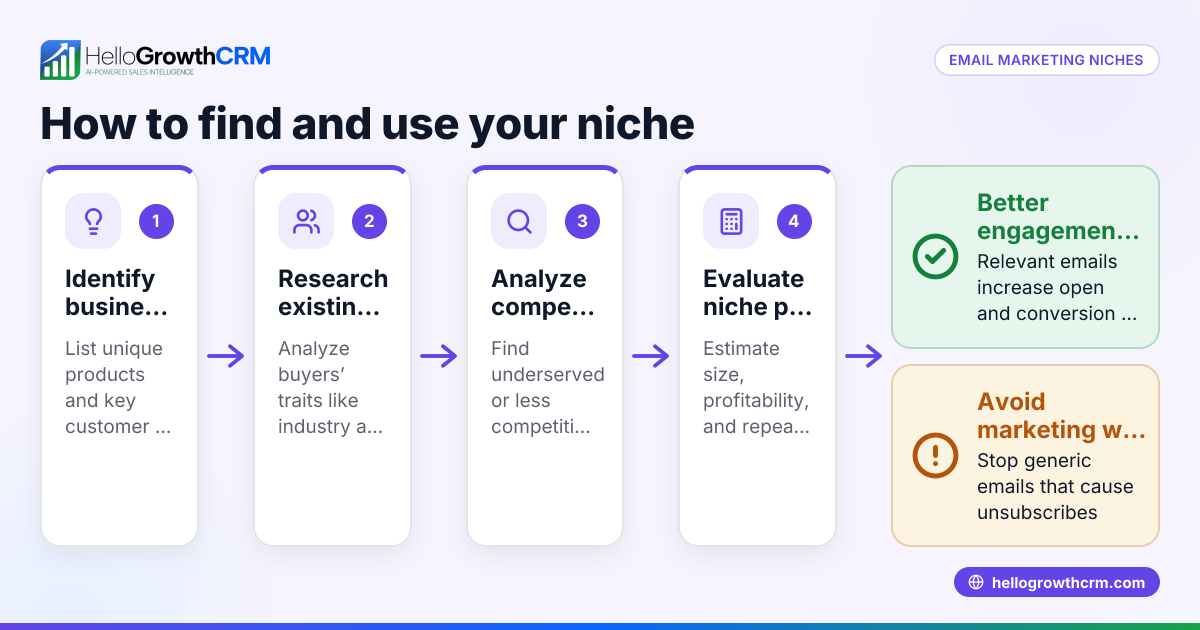
- Sending the same message to all contacts: Segment your list based on behavior or demographics to send relevant messages that increase engagement.
- Failing to follow up: Use automated sequences to maintain contact without manual effort, ensuring no lead is forgotten.
- Using multiple disconnected tools: Consolidate your communication channels in one CRM to avoid lost leads and slow follow-up. HelloGrowthCRM integrates email, WhatsApp, and SMS outreach in one platform. Learn more about WhatsApp and SMS CRM.
Doing this in HelloGrowthCRM
HelloGrowthCRM offers a shared inbox called HelloMail where your team can see all replies to quotation emails on the deal, avoiding missed communications. You can also set up sequences and campaigns—automated five-step follow-ups over two weeks that stop as soon as the prospect replies. This keeps your outreach consistent and responsive without extra manual work. Learn more about email automation and sequences.
Frequently asked questions
What is a good open rate for email marketing? Open rates vary by industry but typically range from 15% to 30%. If your open rate is below this, try improving subject lines, sender name, or sending times.
How do I improve click-through rates? Make your email content clear and engaging, include strong calls to action, and ensure links are visible and relevant. Segment your list to send targeted offers.
Why do some emails bounce? Bounces happen when email addresses are invalid, full, or blocked. Regularly clean your list to reduce bounces and improve deliverability.
How often should I send marketing emails? Balance staying top of mind without overwhelming recipients. Weekly or biweekly emails often work well for small businesses.
Can I automate follow-ups without annoying prospects? Yes, with tools like HelloGrowthCRM’s sequences, follow-ups stop immediately when a prospect replies, ensuring respectful communication.
How can I manage email replies efficiently in a small team? Using a shared inbox like HelloMail in HelloGrowthCRM allows your team to see all replies on deals, preventing missed responses and improving collaboration.
Key takeaways
- Track key email marketing metrics: open rate, click-through rate, bounce rate, unsubscribe rate, and conversion rate.
- Regularly analyze and clean your contact list to maintain deliverability.
- Use segmented and relevant messaging to increase engagement.
- Automate follow-ups with sequences that stop on reply to save time and improve response.
- Consolidate communication channels in one CRM to avoid lost leads and slow follow-up.
Start improving your email marketing today by tracking these metrics and using tools designed for small businesses.
Ready to organize your sales and email outreach? Start on the Free Forever plan (200 leads, no credit card) with HelloGrowthCRM.
Ready to put this into practice?
Set up your pipeline, WhatsApp follow-ups, and AI lead scoring in minutes — free, no credit card.
Try HelloGrowthCRM freeGet CRM tips in your inbox
Join thousands of sales professionals who get weekly insights on CRM strategy, AI automation, and pipeline optimization.

The HelloGrowthCRM team publishes guides on CRM strategy, AI sales tools, and revenue operations for small business sales teams.