HelloGrowthCRM software
Built for real small-business sales teams
HelloGrowthCRM helps reps qualify faster, follow up on time, and close more deals—with practical automation in one place.
- AI lead scoring and pipeline visibility
- Built-in dialer, WhatsApp, and email automation
- Sales forecasting and RevOps-ready reporting
End of year emails are a practical way for small businesses to connect with their contacts before the new year starts. Whether you want to thank customers, remind leads of your services, or share holiday offers, a clear and well-structured email is key. This article explains why these emails matter, how to write them step-by-step, shows a realistic example, highlights common errors, and describes how HelloGrowthCRM can support your email campaigns.
Why this comes up / what goes wrong
Many small business owners realize late in the year that they have not reached out to their customers or leads with a meaningful message. Without a planned end of year email, you miss the chance to strengthen relationships, boost sales, or set the tone for the next year. Common issues include unclear messaging, forgetting to personalize, or sending emails too late when recipients are already disengaged. Using multiple tools like text messages, emails, and spreadsheets without a unified system can also cause delays and lost opportunities.
Step-by-step
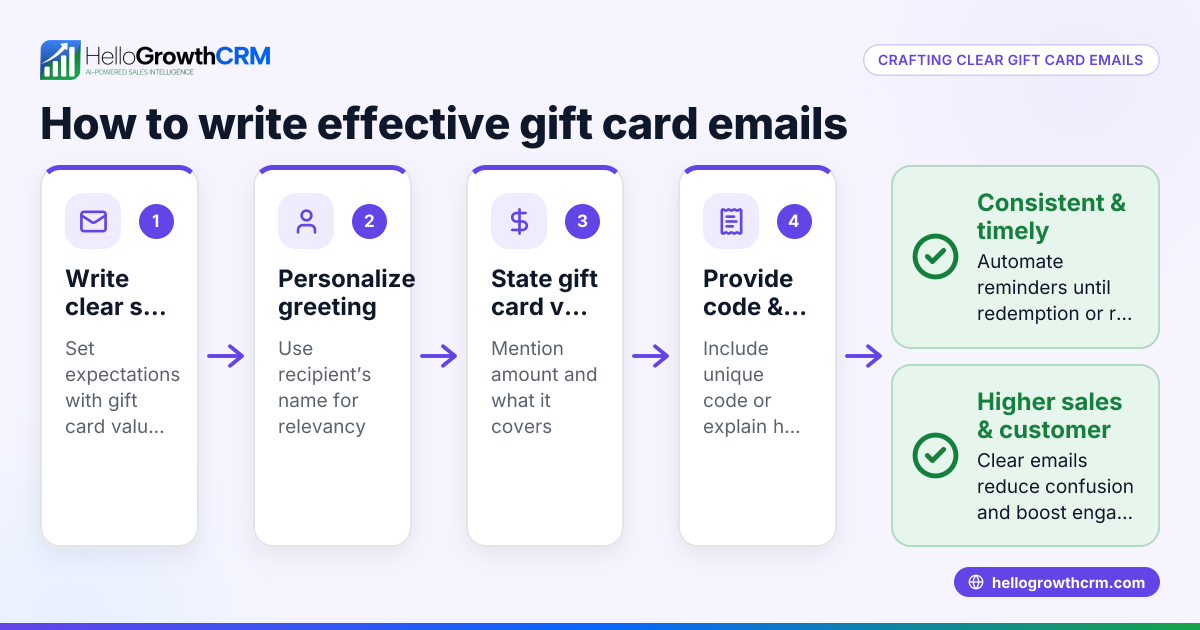
- Define your goal: Decide if the email is to thank customers, promote a year-end sale, share company news, or encourage feedback. Clear goals shape your message.
- Segment your list: Identify which contacts should get the message—active customers, leads, or partners. Tailor content accordingly.
- Write a clear subject line: Use straightforward, friendly language like "Thank You for a Great Year!" or "Our Year-End Offer Just for You."
- Craft the body: Start with gratitude, then share updates or offers. Keep paragraphs short and use bullet points if needed.
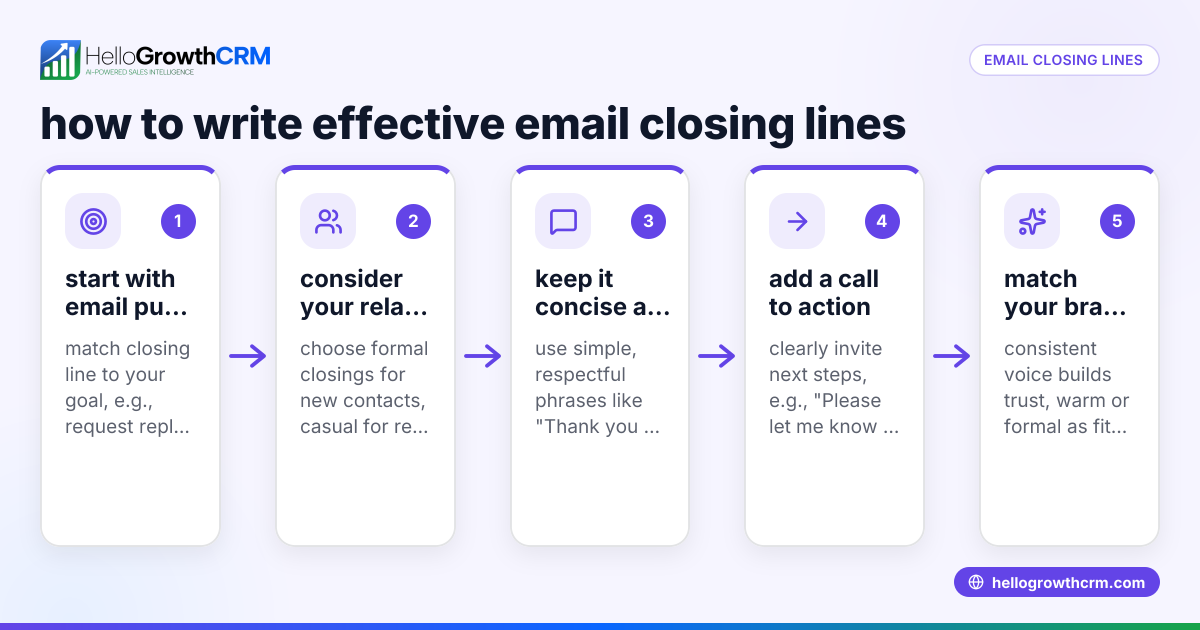
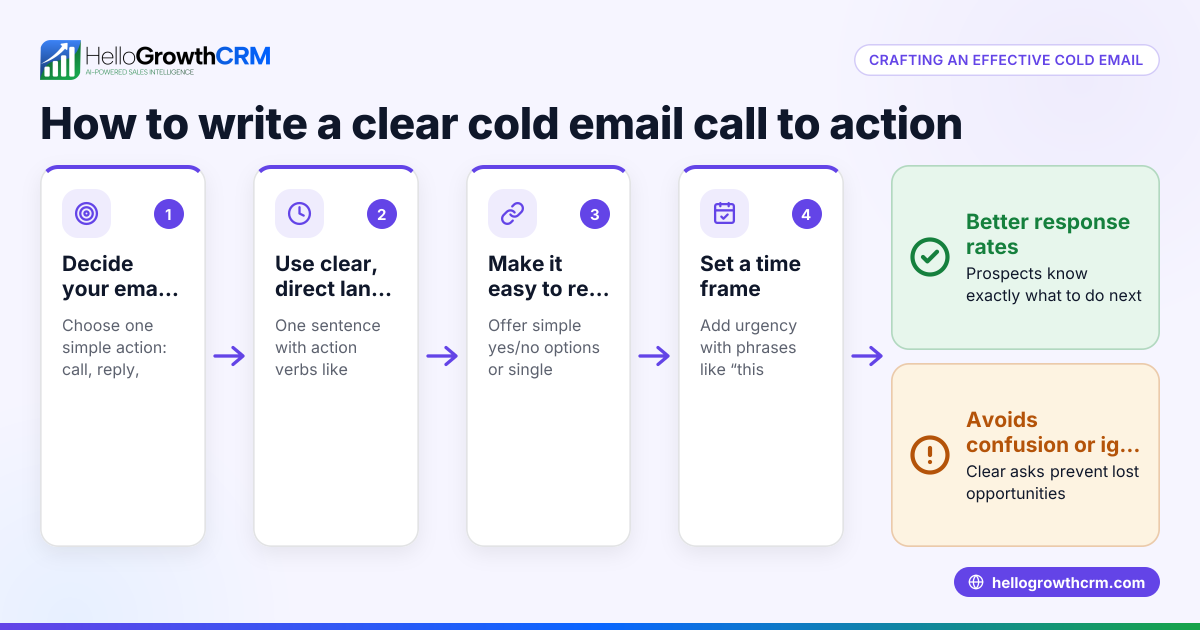
- Include a call to action: Invite readers to book a consultation, visit your website, or reply to your email.
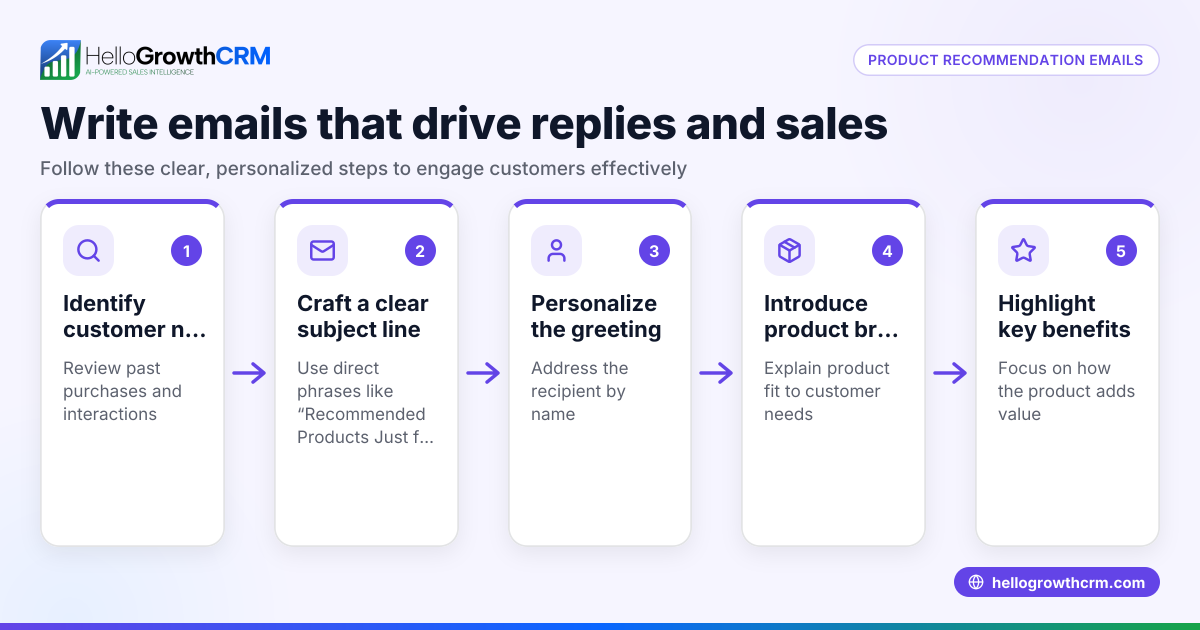
- Personalize where possible: Use the recipient’s name and reference past interactions to increase engagement.
- Check timing: Send your email early enough in December to avoid holiday distractions but late enough to feel timely.
- Test and review: Send test emails to yourself or a colleague to check formatting, links, and spelling.
- Schedule and automate: Use an email tool or CRM to schedule your emails and follow-ups efficiently.
For automating follow-up sequences and managing replies efficiently, consider tools with email automation and sequences.
Example (fictional figures)
A two-location dental practice in Columbus, Ohio, wants to send a year-end thank you email with a special offer.
- They decide on the goal: thank patients and promote a 10% discount on teeth whitening for bookings made by 12/31/2026.
- They segment their list to active patients who visited in the last year (about 1,200 contacts).
- Subject line: "Thank You for Smiling with Us in 2026!"
- Email body highlights:
- Thank you message
- Summary of new equipment added in 2026
- Details of the whitening discount
- Call to action: "Book your whitening appointment by 12/31/2026."
They schedule the email to send on 12/10/2026, giving patients time to act before the year ends.
Calculating expected revenue:
Assume 10% of recipients book whitening at an average price of $400.
1,200 × 10% = 120 bookings
120 bookings × $400 = $48,000 total sales
With a 10% discount:
$48,000 × 10% = $4,800 discount given
Net revenue:
$48,000 - $4,800 = $43,200
This example shows how a clear email with a timely offer can generate significant revenue.
Common mistakes
- Sending generic emails: Avoid one-size-fits-all messages by segmenting your list and personalizing content.
- Poor timing: Sending too early or too late reduces impact. Plan your schedule to hit inboxes when recipients are receptive.
- No clear call to action: Every email should tell the reader what to do next; without this, engagement drops.
- Ignoring mobile optimization: Many read emails on phones, so use short paragraphs and readable fonts.
- Failing to follow up: If recipients don’t respond, a sequence of follow-up emails can improve results. Automate this with CRM sequences.
- Not managing replies: Use a shared inbox so your team can see and respond to replies promptly, avoiding lost leads.
For avoiding follow-up mistakes, learn about WhatsApp and SMS CRM and shared inbox features.
Doing this in HelloGrowthCRM
HelloGrowthCRM offers a shared inbox called HelloMail where replies to your end of year emails are visible to your whole team, so no response slips through. You can also set up automated sequences and campaigns that run a five-step follow-up over two weeks, stopping immediately once a prospect replies. This saves time and ensures consistent communication. See more about email automation and sequences.
Frequently asked questions
What should I include in an end of year email? Include a thank you message, a brief summary of the year, any special offers or news, and a clear call to action. Personalizing the message to your audience increases its effectiveness.
When is the best time to send end of year emails? Early to mid-December is usually best. Sending too early may seem premature, while late December risks getting lost in holiday distractions.
How often should I follow up after the initial email? A sequence of 3-5 follow-ups spaced over 1-2 weeks works well. Automated sequences can stop as soon as the recipient replies.
Can I use text messages or WhatsApp for end of year outreach? Yes, combining email with SMS or WhatsApp messages can improve engagement, especially when managed through a CRM that supports multi-channel sequences.
How do I measure the success of my end of year email? Track open rates, click-through rates, reply rates, and conversions such as bookings or sales. Use CRM reporting tools to analyze these metrics.
Key takeaways
- Define a clear goal and segment your contacts before writing.
- Write a concise, personalized message with a strong call to action.
- Time your email to reach recipients in early to mid-December.
- Use automated sequences to follow up and shared inboxes to manage replies.
- Avoid generic messages and poor timing to maximize impact.
- Combine email with SMS or WhatsApp for better engagement.
End of year emails are a simple but powerful way to reconnect with your audience and boost your business as the year closes. To start automating your email campaigns and managing replies easily, try HelloGrowthCRM’s shared inbox and sequences. Start on the Free Forever plan (200 leads, no credit card).
Ready to put this into practice?
Set up your pipeline, WhatsApp follow-ups, and AI lead scoring in minutes — free, no credit card.
Try HelloGrowthCRM freeGet CRM tips in your inbox
Join thousands of sales professionals who get weekly insights on CRM strategy, AI automation, and pipeline optimization.

The HelloGrowthCRM team publishes guides on CRM strategy, AI sales tools, and revenue operations for small business sales teams.