HelloGrowthCRM software
Built for real small-business sales teams
HelloGrowthCRM helps reps qualify faster, follow up on time, and close more deals—with practical automation in one place.
- AI lead scoring and pipeline visibility
- Built-in dialer, WhatsApp, and email automation
- Sales forecasting and RevOps-ready reporting
Hospitality pipeline management involves tracking and organising all sales opportunities from initial enquiry to closing the deal, ensuring no lead is lost or forgotten. This article explains why pipeline management matters for hospitality businesses in Singapore, provides step-by-step instructions, a worked example, common mistakes to avoid, and how HelloGrowthCRM can help streamline the process.
Why this comes up / what goes wrong
Hospitality businesses in Singapore, such as hotels, event venues, and catering services, often juggle multiple leads and bookings simultaneously. Without a clear system, enquiries can get lost in WhatsApp chats, emails, or handwritten notes. This leads to slow follow-up, missed opportunities, and unpredictable revenue. Accountants and owners struggle to forecast sales accurately because deals are tracked inconsistently or not at all. Managing the sales pipeline helps organise leads, prioritise follow-ups, and forecast expected revenue more reliably.
Step-by-step
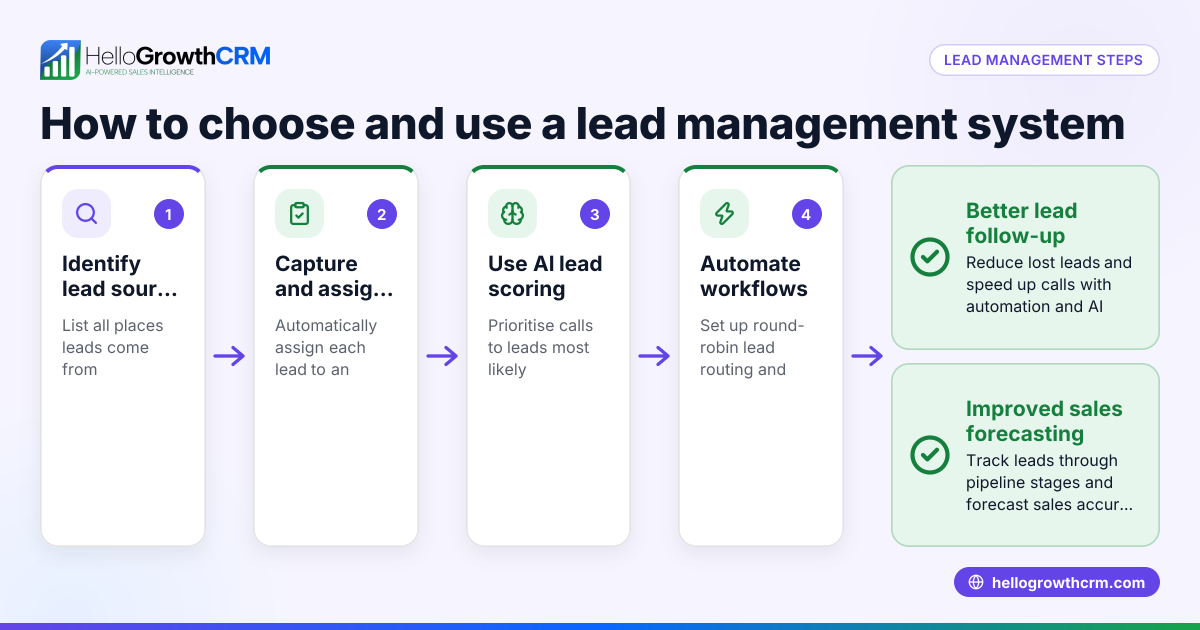
- Capture every lead immediately: Ensure all enquiries from website forms, calls, WhatsApp messages, or walk-ins are recorded in one place with an assigned owner and next step. Check that no lead is left in notebooks or scattered chat apps.
- Define pipeline stages relevant to hospitality: Typical stages might include ‘New Enquiry’, ‘Site Visit Scheduled’, ‘Quote Sent’, ‘Negotiation’, and ‘Booking Confirmed’. Each stage should have clear criteria for moving deals forward.
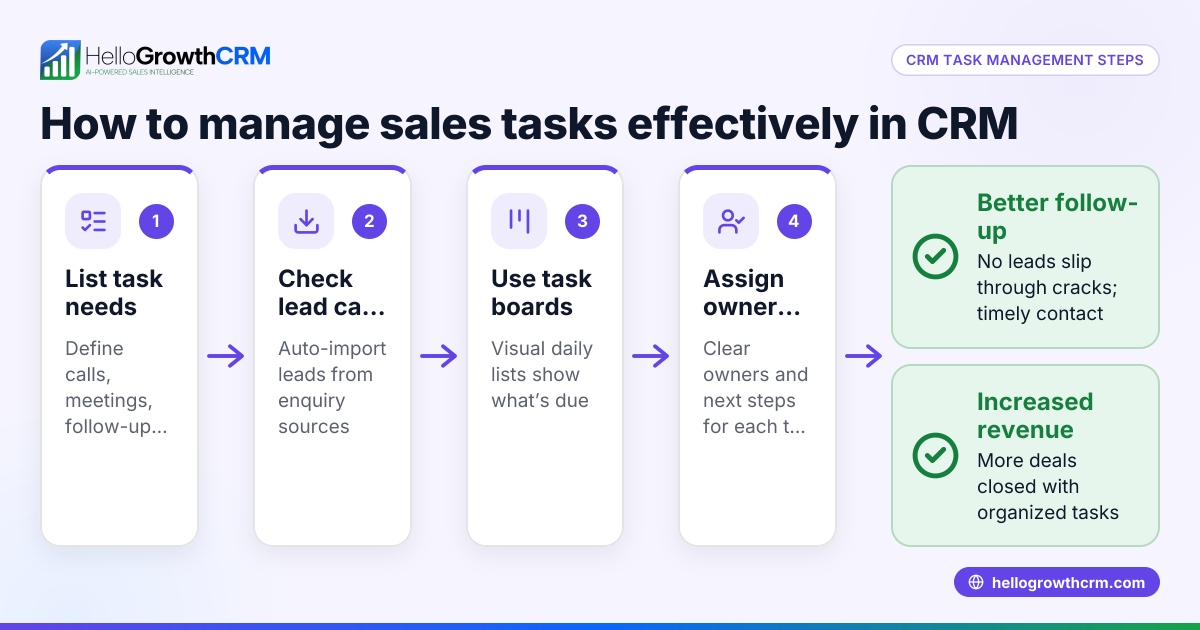
- Assign follow-up dates and owners for each deal: Every deal should have a responsible team member and a follow-up date to avoid letting leads go cold.
- Update deal status regularly: After each contact or event (e.g., site visit), update the deal’s stage and notes. Check that deals are moving steadily and identify any that are stalling.
- Use pipeline forecasting to predict revenue: Review the expected value of deals at each stage to estimate future income. Check if the pipeline is healthy or if more leads need to be generated.
- Analyse pipeline insights to improve sales: Look for patterns such as where deals tend to stall or which team members close more bookings. Use this information to train staff or adjust processes.
- Review and refine your pipeline regularly: Hold weekly or monthly meetings to review pipeline health, update forecasts, and adjust strategies.
Example (fictional figures)
A boutique hotel in Tanjong Pagar uses pipeline management to track event space bookings.
- On 01/05/2024, a lead from a corporate client enquiry is captured as a new deal valued at S$80,000.
- The deal moves to ‘Site Visit Scheduled’ on 05/05/2024.
- A quote is sent on 10/05/2024 for S$80,000.
- Follow-up date is set for 15/05/2024.
- On 15/05/2024, the client requests a discount; the deal moves to ‘Negotiation’.
- The hotel offers a 10% discount: S$80,000 × 10% = S$8,000 discount.
- New deal value = S$80,000 − S$8,000 = S$72,000.
- Booking is confirmed on 20/05/2024.
This clear tracking prevents the deal from being forgotten and helps forecast revenue accurately.
Common mistakes
- Ignoring leads from informal channels: Leads from WhatsApp or calls often get lost. Prevent this by capturing every enquiry in a central system with assigned owners and next steps.
- No follow-up dates set: Deals stall without scheduled follow-ups. Assign follow-up dates immediately when a deal enters a new stage.
- Using inconsistent pipeline stages: Vague or too many stages confuse the team. Define clear, relevant stages for hospitality sales.
- Failing to update deal progress: Old information leads to inaccurate forecasts. Update deal status after every interaction.
- Relying on spreadsheets or manual tracking: These can be error-prone and hard to update in real time. Consider a CRM designed for pipeline management.
- Not reviewing pipeline regularly: Without regular reviews, stalled deals or pipeline gaps go unnoticed. Schedule routine pipeline check-ins.
Doing this in HelloGrowthCRM
HelloGrowthCRM helps hospitality businesses manage their sales pipeline effectively. A quotation sent last week appears as a deal at the 'quote sent' stage with a follow-up date, so it is not forgotten. Every enquiry from a form, call, or WhatsApp message lands as a lead with an owner and a next step, instead of being lost in notebooks or chat threads. The owner can also see which stage deals are stalling in without building a spreadsheet, thanks to pipeline forecast and AI insights. Learn more about these features on the AI CRM and sales forecasting pages. For Singapore businesses specifically, see HelloGrowthCRM for Singapore.
Frequently asked questions
What are the key pipeline stages for hospitality businesses? Typical stages include ‘New Enquiry’, ‘Site Visit Scheduled’, ‘Quote Sent’, ‘Negotiation’, and ‘Booking Confirmed’. These stages help teams track progress clearly and know when to follow up.
How can I prevent losing leads from WhatsApp or calls? Capture every enquiry immediately in a CRM with lead ownership and next steps. This avoids leads being forgotten in chats or notebooks and ensures timely follow-up.
How does pipeline management improve sales forecasting? By tracking deals at each stage with expected values, you can estimate future revenue more reliably. Pipeline forecasting tools can highlight stalled deals and help plan sales efforts.
Can pipeline management help my hospitality team work better together? Yes. Assigning deal ownership and clear follow-up actions ensures everyone knows their responsibilities, reducing confusion and missed opportunities.
Is it possible to automate follow-ups in hospitality sales? Some CRMs offer sequence automation for emails, WhatsApp, or SMS to remind leads and clients automatically, helping keep deals moving.
Key takeaways
- Capture and assign every hospitality lead immediately to avoid losing opportunities.
- Define clear, relevant pipeline stages to track sales progress.
- Set follow-up dates and update deal status regularly to prevent stalling.
- Use pipeline forecasting and AI insights to predict revenue and identify bottlenecks.
- Regularly review the pipeline to keep sales efforts on track.
- A CRM like HelloGrowthCRM can centralise leads, deals, and forecasting for hospitality businesses.
Start managing your hospitality pipeline effectively today. Start on the Free Forever plan (200 leads, no credit card).
Ready to put this into practice?
Set up your pipeline, WhatsApp follow-ups, and AI lead scoring in minutes — free, no credit card.
Try HelloGrowthCRM freeGet CRM tips in your inbox
Join thousands of sales professionals who get weekly insights on CRM strategy, AI automation, and pipeline optimization.

The HelloGrowthCRM team publishes guides on CRM strategy, AI sales tools, and revenue operations for small business sales teams.