HelloGrowthCRM software
Built for real small-business sales teams
HelloGrowthCRM helps reps qualify faster, follow up on time, and close more deals—with practical automation in one place.
- AI lead scoring and pipeline visibility
- Built-in dialer, WhatsApp, and email automation
- Sales forecasting and RevOps-ready reporting
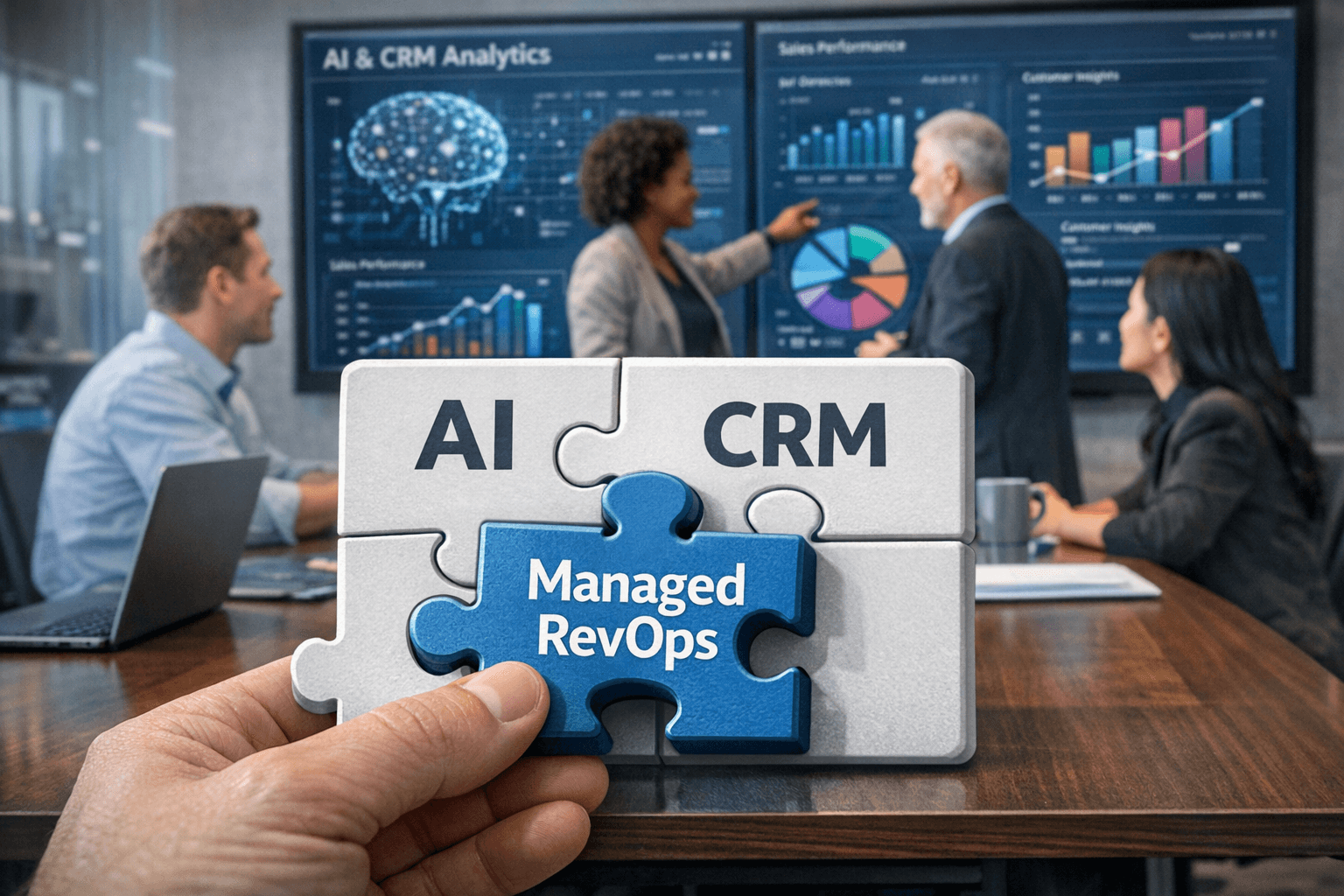
Enhance Your AI CRM Strategy with Managed Revenue Operations
Understanding Managed Revenue Operations
Managed Revenue Operations, or RevOps, is a method that helps unify sales, marketing, and customer success teams. This alignment is vital for businesses that want to improve their performance.
When departments work in silos, they miss opportunities. Breaking down these barriers creates a cohesive approach to driving revenue. This strategy improves communication and fosters a culture of collaboration.
The main goal of RevOps is to optimize the entire revenue process. This involves:
- Analyzing customer interactions
- Identifying bottlenecks
- Implementing solutions that benefit the whole organization
When teams collaborate, they share insights and data. This leads to better decision-making. As a result, companies can respond more effectively to market changes and customer needs.
Why AI is Essential for RevOps
Artificial Intelligence (AI) plays a crucial role in RevOps. It helps teams analyze data quickly and accurately. With AI, businesses can:
- Predict customer behavior
- Automate repetitive tasks
- Improve lead scoring
AI tools can enhance your CRM system. They provide valuable insights that help your sales and marketing teams work smarter. By using AI, you can streamline your processes and improve efficiency.
Key Benefits of Integrating AI with RevOps
Integrating AI with RevOps offers many benefits. Here are some key advantages:
- Better Data Analysis: AI can analyze large datasets in real-time. This helps teams spot trends and make informed decisions.
- Enhanced Customer Insights: AI tools can provide deeper insights into customer behavior. This allows for more personalized marketing efforts.
- Increased Efficiency: Automating tasks frees up time for your teams. They can focus on more strategic activities.
- Improved Lead Scoring: AI can help prioritize leads based on their likelihood to convert. This ensures your sales team spends time on the best prospects.
How to Implement RevOps in Your Organization
Implementing RevOps requires careful planning. Here are steps to get started:
- Assess Your Current Processes: Look at how your sales, marketing, and customer success teams currently operate.
- Identify Gaps: Find areas where communication and collaboration could improve.
- Create a Unified Strategy: Develop a plan that aligns all teams toward common goals.
- Invest in Technology: Choose tools that support your RevOps strategy. Consider options like AI CRM, Email Automation, and Sales Forecasting.
- Train Your Teams: Ensure everyone understands the new processes and tools. Provide training to help them adapt.
Challenges in Implementing RevOps
While RevOps can drive growth, it can also present challenges. Here are some common issues:
- Resistance to Change: Some team members may resist new processes. It’s important to communicate the benefits clearly.
- Data Silos: If departments do not share data, it can hinder collaboration. Encourage open communication and data sharing.
- Lack of Clear Goals: Without clear goals, teams may struggle to align. Set measurable objectives for everyone to work towards.
Measuring the Success of Your RevOps Strategy
To ensure your RevOps strategy is effective, you need to measure success. Here are some key metrics to track:
- Revenue Growth: Look at overall revenue growth as a primary indicator of success.
- Customer Retention Rates: High retention rates show that your teams are effectively meeting customer needs.
- Sales Cycle Length: A shorter sales cycle often indicates improved efficiency.
- Lead Conversion Rates: Monitor how many leads convert into customers. This reflects the effectiveness of your sales efforts.
Enhancing Collaboration with Technology
Technology can significantly enhance collaboration between teams. Here are some tools that can help:
- AI CRM: This tool can provide insights and automate processes.
- Project Management Software: Use software to track tasks and deadlines.
- Communication Platforms: Tools like Slack or Microsoft Teams can improve internal communication.
The Role of Training in RevOps Success
Training is essential for the success of your RevOps strategy. It ensures that everyone understands their roles and responsibilities. Here are some training tips:
- Provide Regular Workshops: Offer workshops to keep teams updated on new tools and processes.
- Encourage Cross-Departmental Training: Allow team members to learn about other departments. This fosters understanding and collaboration.
- Use Real-World Scenarios: Train teams using real-life examples. This makes learning more relevant and engaging.
Keeping Up with Market Changes
The business landscape is always changing. RevOps helps companies adapt quickly. Here’s how:
- Regularly Review Your Strategy: Reassess your RevOps strategy periodically. Make adjustments based on market trends.
- Stay Informed About Industry Changes: Keep an eye on industry news and changes. This helps you anticipate shifts that may affect your business.
- Engage with Customers: Regularly solicit feedback from customers. This can provide valuable insights into changing needs.
FAQ
What is RevOps?
RevOps is a strategy that aligns sales, marketing, and customer success teams to optimize revenue.
How does AI help in RevOps?
AI helps analyze data, predict customer behavior, and automate tasks, improving efficiency and decision-making.
What are the benefits of RevOps?
RevOps improves communication, increases efficiency, and helps teams respond better to customer needs.
How can I implement RevOps in my organization?
Start by assessing current processes, identifying gaps, and creating a unified strategy. Invest in technology and train your teams.
What metrics should I track for RevOps success?
Track revenue growth, customer retention rates, sales cycle length, and lead conversion rates.
Conclusion
Enhancing your AI CRM strategy with Managed Revenue Operations can drive growth. By aligning your teams, you can improve collaboration and efficiency. Use technology and training to support your RevOps strategy.
Ready to elevate your business? Try HelloGrowthCRM today for a Free Trial and see the impact of RevOps firsthand!
Ready to put this into practice?
Set up your pipeline, WhatsApp follow-ups, and AI lead scoring in minutes — free, no credit card.
Try HelloGrowthCRM freeGet CRM tips in your inbox
Join thousands of sales professionals who get weekly insights on CRM strategy, AI automation, and pipeline optimization.

The HelloGrowthCRM team publishes guides on CRM strategy, AI sales tools, and revenue operations for small business sales teams.