HelloGrowthCRM software
Built for real small-business sales teams
HelloGrowthCRM helps reps qualify faster, follow up on time, and close more deals—with practical automation in one place.
- AI lead scoring and pipeline visibility
- Built-in dialer, WhatsApp, and email automation
- Sales forecasting and RevOps-ready reporting
Marketing automation ROI measures the financial return you get from your automated marketing efforts compared to what you spend on them. It shows if your automation tools and campaigns are profitable and worth continuing. This article explains why ROI matters, gives clear steps to calculate it, a practical example, common mistakes to avoid, and how HelloGrowthCRM features can help improve your ROI.
Why this comes up / what goes wrong
Many small business owners invest in marketing automation hoping to save time and boost sales. They set up automated email sequences, SMS messages, or multi-channel campaigns expecting more leads and conversions. However, without tracking the return on investment (ROI), they don’t know if these efforts actually generate enough revenue to cover costs. This lack of clarity can lead to wasted budget on ineffective campaigns or abandoning automation altogether. It also makes it difficult to optimize outreach or justify spending on marketing automation tools.
Step-by-step
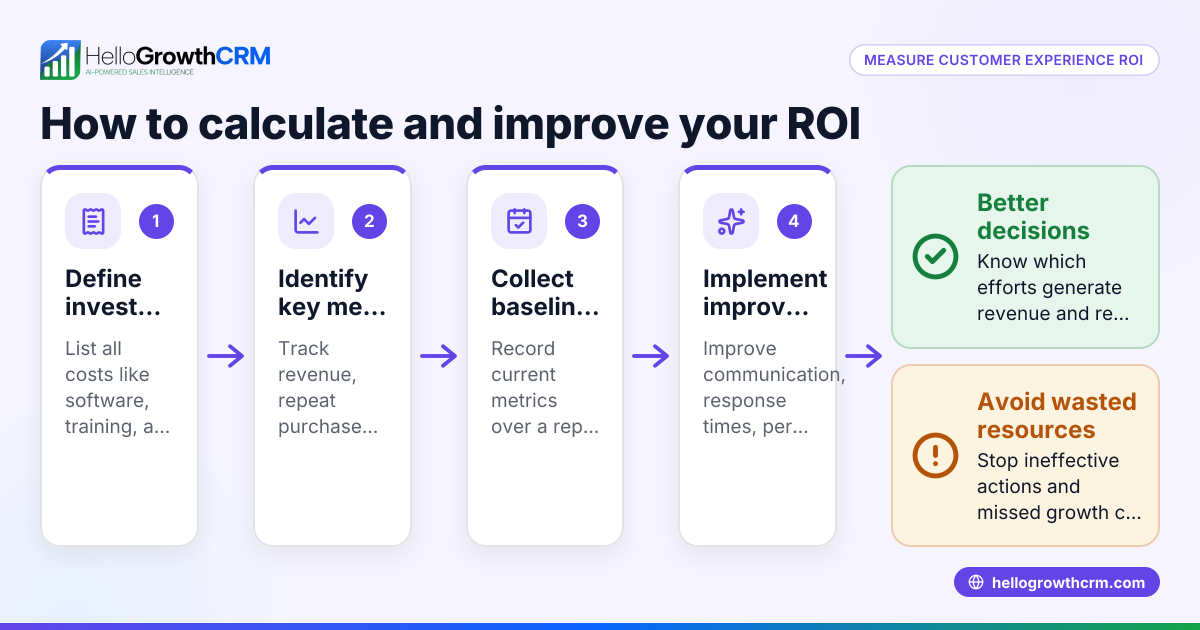
- Define your goal and timeframe: Decide what revenue you want to measure from your marketing automation efforts, such as sales generated from automated follow-ups, and select a period to track it (e.g., last quarter or last six months).
- Identify revenue influenced by automation: Use your CRM or sales tracking to find revenue from leads engaged through automated campaigns. This includes sales that resulted from sequences, campaigns, or other automated outreach.
- Calculate total costs of marketing automation: Add all expenses related to automation, including software subscriptions, content creation, staff time spent managing automation, and any other related costs.
- Use the ROI formula:
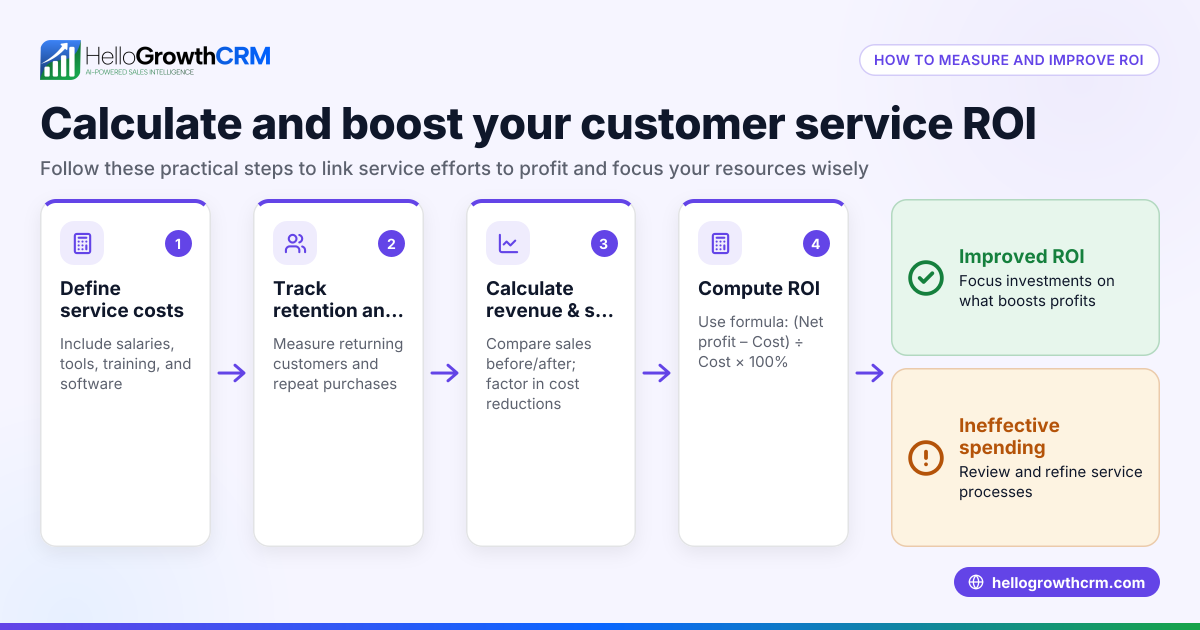
ROI = (Revenue from automation - Cost of automation) ÷ Cost of automation × 100%
- Analyze the result: A positive ROI means your automation is profitable; a negative ROI means costs exceed revenue. Use this information to decide whether to continue, scale, or adjust your marketing automation.
- Track ROI regularly: Calculate ROI monthly or quarterly to monitor trends and improve your campaigns over time.
Example (fictional figures)
A residential real-estate team in Phoenix, Arizona, calculates marketing automation ROI for Q1 2026.
- Revenue from automated lead follow-ups: $120,000
- Cost of marketing automation software: $3,000
- Staff time managing automation (estimated): $7,000
- Content creation costs: $2,000
Total cost = $3,000 + $7,000 + $2,000 = $12,000
ROI = ($120,000 - $12,000) ÷ $12,000 × 100% ROI = $108,000 ÷ $12,000 × 100% ROI = 9 × 100% ROI = 900%
This means for every dollar spent on marketing automation, the team earned $9 in revenue.
Common mistakes
- Not tracking revenue accurately: Prevent this by linking sales data directly to automation campaigns in your CRM. Without accurate tracking, ROI calculations will be misleading.
- Ignoring all costs: Include hidden costs like staff time and content creation to avoid overstating ROI. Many overlook these indirect expenses.
- Measuring too soon: Allow enough time for leads to convert after automation before calculating ROI. Measuring immediately can underestimate returns.
- Overlooking customer lifetime value: Consider repeat sales influenced by automation, not just the initial purchase, for a fuller ROI picture.
- Not testing and optimizing: Use A/B testing and monitor campaign performance to improve ROI continuously. Tools like HelloGrowthCRM’s sequences and campaigns support this.
- Failing to assign leads efficiently: Slow or manual lead assignment delays follow-up and reduces conversion. Automated lead routing and task creation help prevent this.
Doing this in HelloGrowthCRM
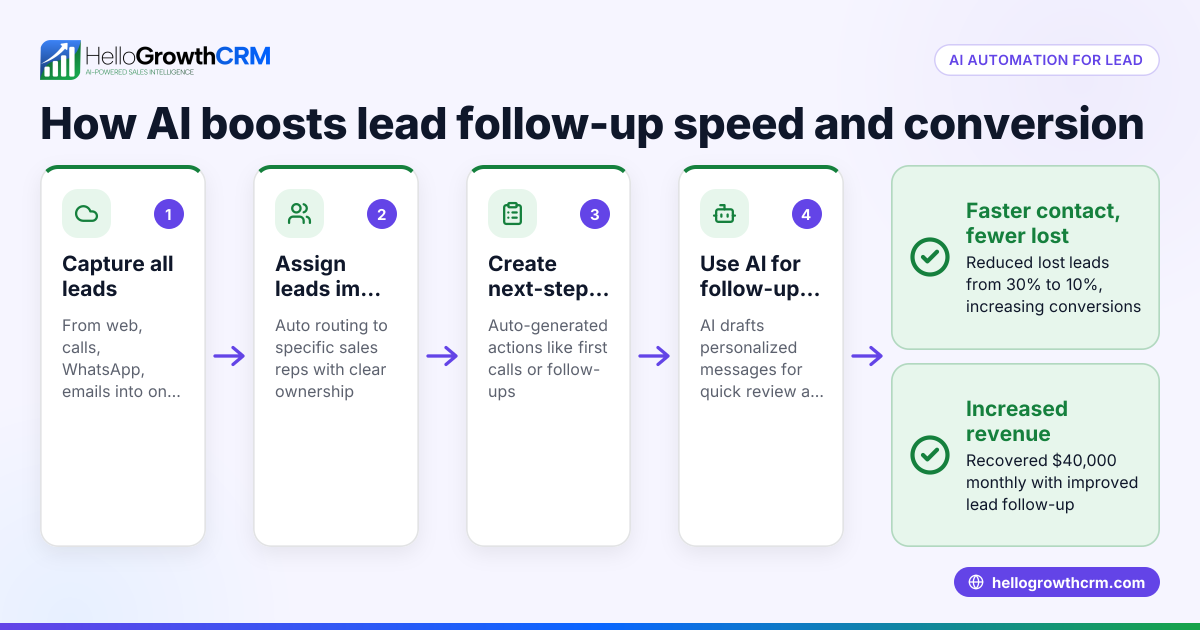
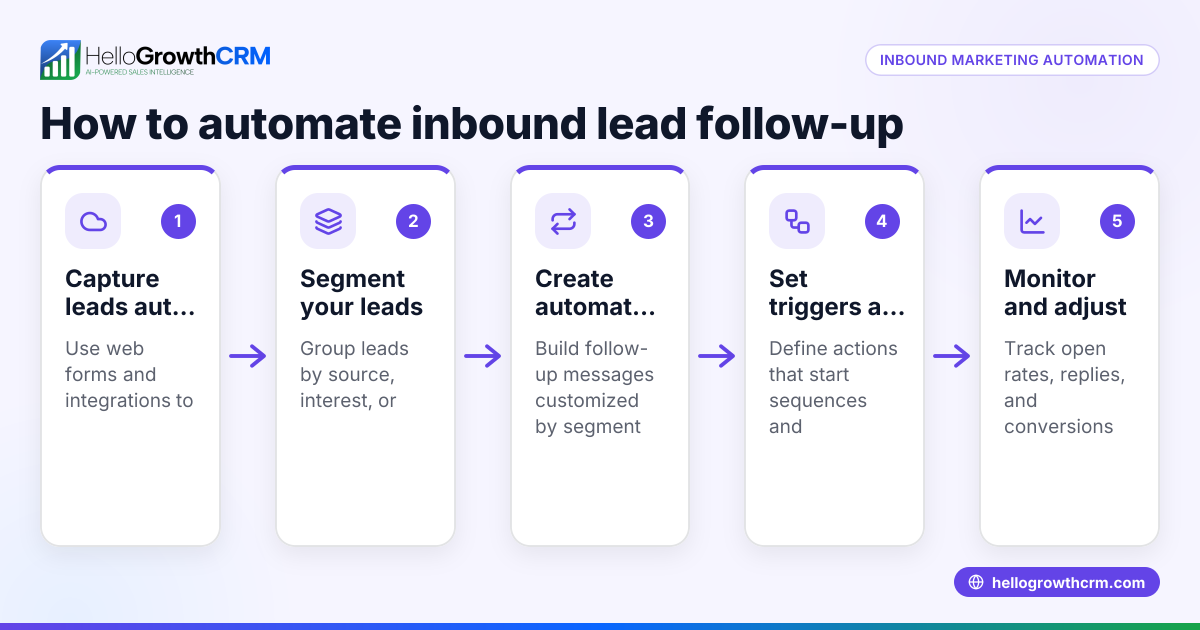
HelloGrowthCRM supports improving marketing automation ROI with features like Sequences and campaigns that run a five-step follow-up over two weeks automatically and stop as soon as a prospect replies, saving time and increasing engagement. AI agents draft follow-up messages after calls so sales reps only review and send them, reducing workload. Workflows, lead routing, and validation rules automate lead assignment and task creation, ensuring timely follow-up without manual effort. Learn more on the AI CRM page.
Frequently asked questions
How do I know if my marketing automation is worth the cost? Calculate ROI by comparing revenue generated from automation to total costs, including software and staff time. A positive ROI means it’s profitable. Regular tracking helps you spot trends and decide whether to scale or adjust your efforts.
What metrics should I track for marketing automation ROI? Track revenue influenced by automation, cost of automation tools and resources, conversion rates from automated campaigns, and customer engagement metrics like reply rates. Combining these gives a clear picture of ROI.
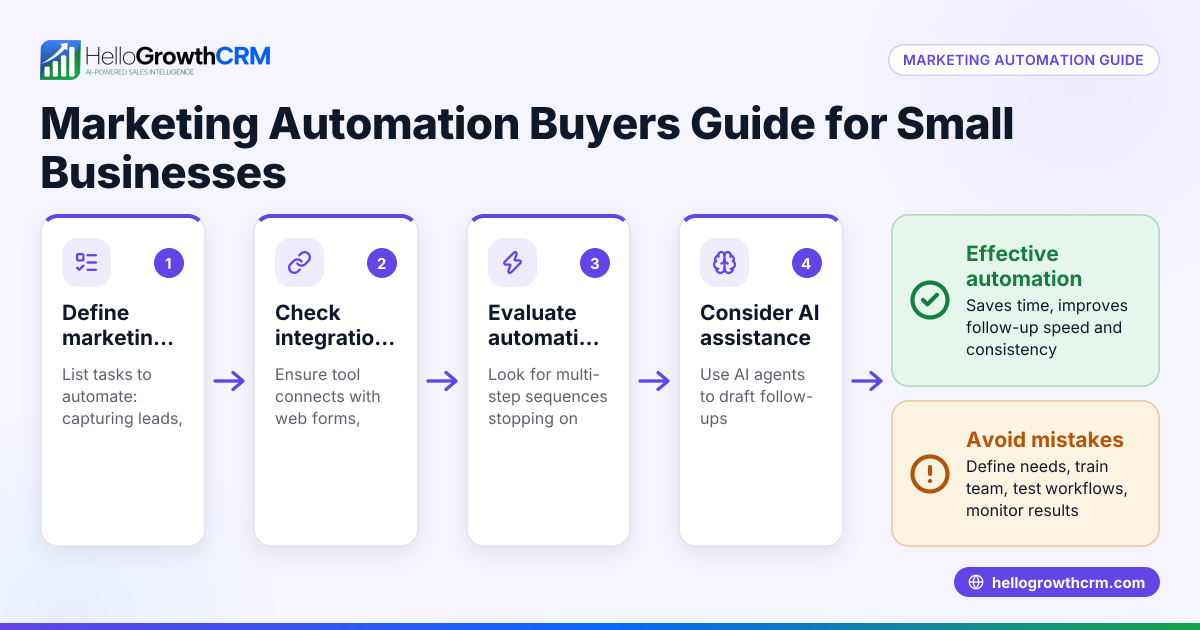
Can small businesses benefit from marketing automation? Yes, when done right. Automation saves time and helps you follow up consistently with leads. Using tools like HelloGrowthCRM’s sequences and AI agents can increase efficiency and sales without adding staff.
How often should I calculate marketing automation ROI? Calculate ROI monthly or quarterly to monitor performance and make informed decisions. Frequent checks help catch issues early and optimize campaigns.
What are common mistakes to avoid when measuring marketing automation ROI? Avoid ignoring indirect costs, rushing measurement before leads convert, and failing to link revenue properly to automation. Use a CRM that integrates sales and marketing data, like HelloGrowthCRM, to reduce errors. For detailed ROI calculations, try our CRM ROI calculator.
How can I improve marketing automation ROI? Focus on accurate tracking, regular optimization, and using automation tools that reduce manual work and speed up follow-up. HelloGrowthCRM’s workflows and AI agents help automate routine tasks and keep leads engaged.
Key takeaways
- Marketing automation ROI compares revenue generated to the total cost of automation.
- Accurate tracking of revenue and all costs is essential for valid ROI.
- Calculate ROI regularly to monitor and improve your marketing efforts.
- Avoid common mistakes like ignoring staff time and measuring too soon.
- Use automation features like sequences, AI agents, and workflows to increase ROI.
Start improving your marketing automation ROI today. Start on the Free Forever plan (200 leads, no credit card) and see how automation can boost your sales.
Ready to put this into practice?
Set up your pipeline, WhatsApp follow-ups, and AI lead scoring in minutes — free, no credit card.
Try HelloGrowthCRM freeGet CRM tips in your inbox
Join thousands of sales professionals who get weekly insights on CRM strategy, AI automation, and pipeline optimization.

The HelloGrowthCRM team publishes guides on CRM strategy, AI sales tools, and revenue operations for small business sales teams.