HelloGrowthCRM software
Built for real small-business sales teams
HelloGrowthCRM helps reps qualify faster, follow up on time, and close more deals—with practical automation in one place.
- AI lead scoring and pipeline visibility
- Built-in dialer, WhatsApp, and email automation
- Sales forecasting and RevOps-ready reporting
Matching behavioral and customer data means linking the actions customers take—such as browsing your website, clicking links, sending WhatsApp messages, or opening emails—with their customer profiles. This alignment gives you a clearer picture of each customer's journey and preferences, enabling better sales follow-up and service.
Why this comes up / what goes wrong
Small-business owners often collect customer data (names, emails, phone numbers) separately from behavioral data (website visits, message history, email opens). Without matching these data sets, you get fragmented insights. For example, your sales team might see a lead’s contact info but not know they recently checked pricing pages or responded on WhatsApp. This disconnect leads to slow or generic follow-up, lost leads, and missed sales opportunities.
Many small businesses rely on multiple tools—text messages, email, spreadsheets—to track leads and customer interactions. This scattered approach makes it hard to connect behavioral signals to the right customer record. Without matching, you can’t prioritize leads based on engagement or personalize your outreach effectively.
Step-by-step
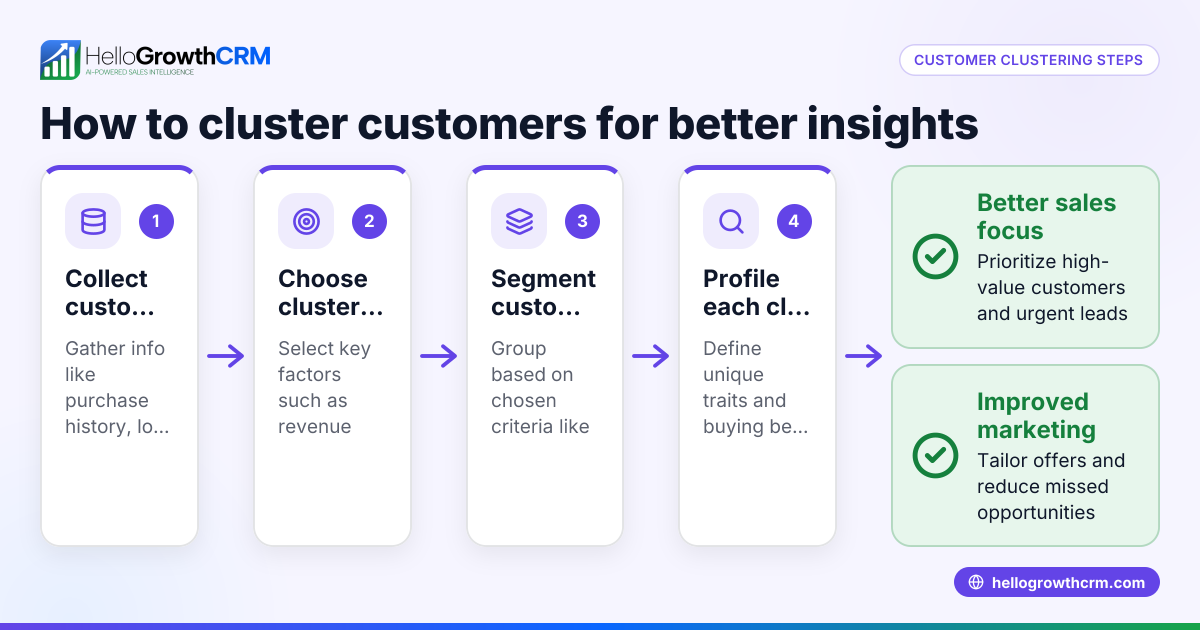
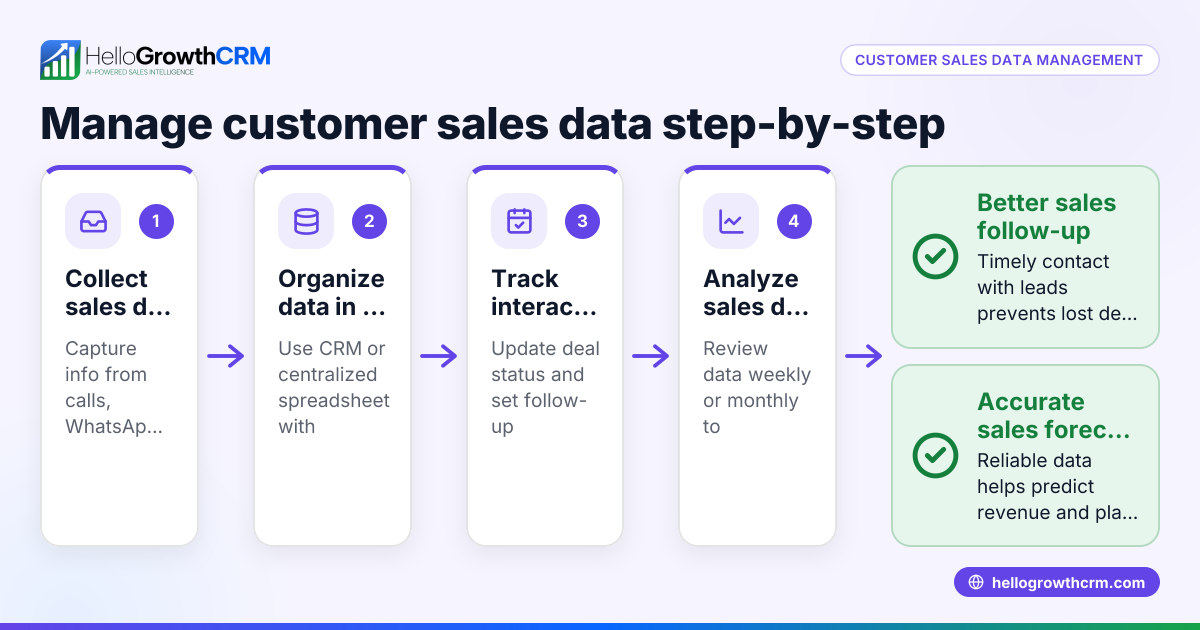
- Gather customer data into one system. Collect names, contact info, purchase history, and notes in a single CRM or database. Check that each customer has a unique identifier like email or phone number.
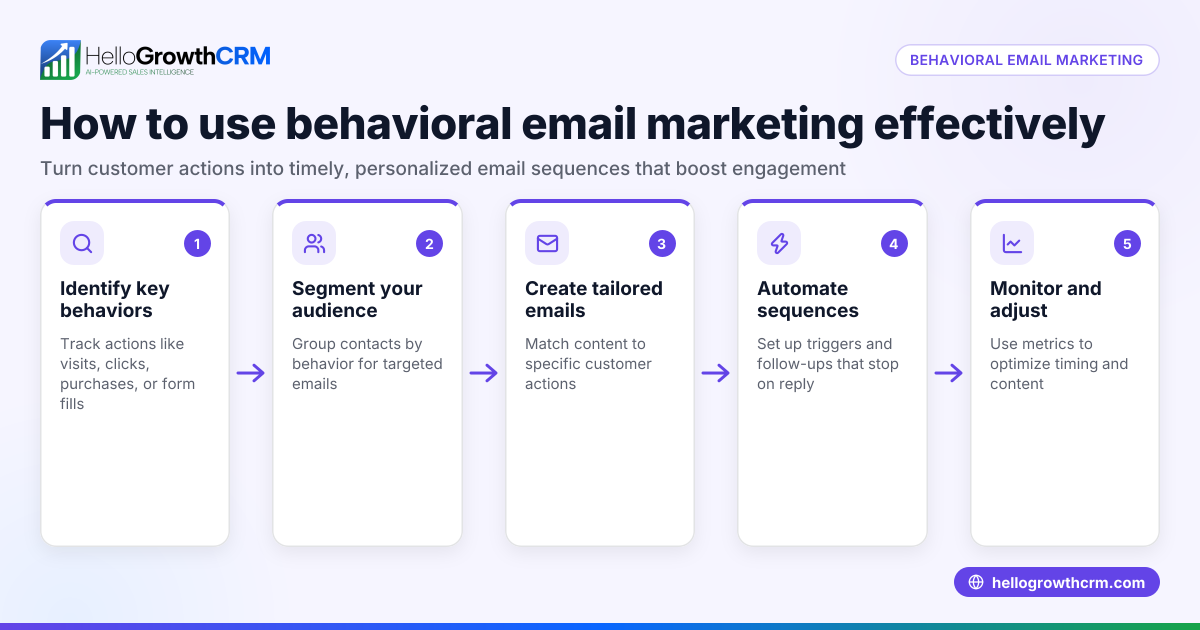
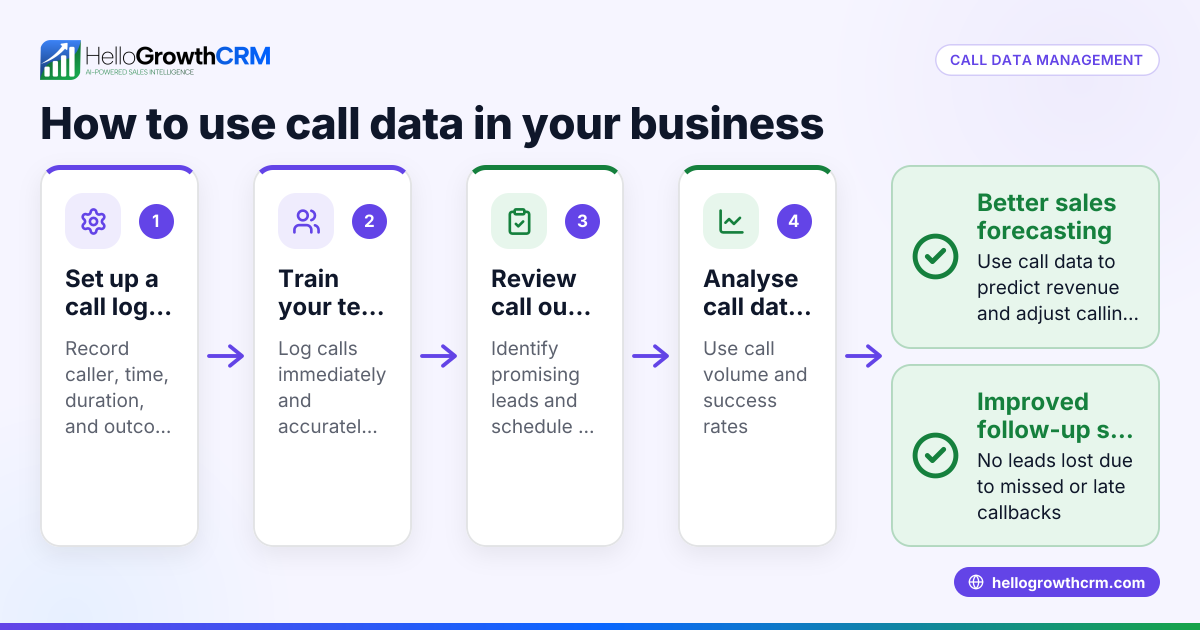
- Collect behavioral data from all touchpoints. Track website visits, WhatsApp and SMS conversations, email opens and clicks, and call logs. Ensure you capture timestamps and identifiers that can link back to customers.
- Match behavioral data to customer profiles. Use unique identifiers—usually email or phone number—to connect each behavioral event to the right customer record. Check for data consistency (e.g., phone number formats) to avoid mismatches.
- Create a unified customer view. Combine matched data so you see each customer’s contact info alongside their recent behaviors, such as messages sent, pages viewed, or support tickets raised.
- Use this matched data to score and prioritize leads. Focus on customers showing recent engagement signals. Assign tasks or follow-ups based on behavior to increase conversion chances.
- Keep data updated and clean. Regularly review for duplicates, outdated contacts, or unmatched behavioral events. Update customer records as new data arrives.
- Secure and comply with data regulations. Ensure customer data is stored securely, respecting residency requirements if applicable, and that data access is controlled.
Example (fictional figures)
A two-location dental practice in Columbus, Ohio, wants to match behavioral and customer data to improve appointment bookings.
- They have 1,200 patient contacts with emails and phone numbers.
- Their website logs 3,000 visits per month, with 200 visitors filling appointment request forms.
- WhatsApp messages are used to confirm appointments and answer questions.
Step 1: Import 1,200 patient contacts into a CRM.
Step 2: Collect behavioral data:
- 200 appointment requests via web forms with emails and phone numbers.
- WhatsApp chats linked to phone numbers.
Step 3: Match behavioral data to patients by phone number and email.
Step 4: Create unified profiles showing each patient’s last website visit date, appointment requests, and WhatsApp messages.
Step 5: Prioritize follow-up for 150 patients who requested appointments in the last 30 days.
Step 6: Assign follow-up tasks to front desk staff with due dates.
This matching helps the practice focus on engaged patients, reducing no-shows and increasing bookings.
Common mistakes
- Not using consistent identifiers. Prevent this by standardizing phone and email formats before matching.
- Ignoring data updates. Regularly clean and update records to avoid outdated matches.
- Separating sales and service data. Keep all interactions on the same customer record to avoid gaps. HelloGrowthCRM supports this by keeping service requests with deals on one record (/product/customer-health-score).
- Relying on memory for follow-ups. Use task boards to track calls and tasks with due dates instead of relying on memory (/product/sales-task-boards).
- Not securing customer data properly. HelloGrowthCRM has completed a SOC 2 Type II examination and supports CCPA data-subject rights.
- Failing to integrate behavioral data sources. Use tools and integrations that capture WhatsApp, SMS, email, and web form data in one place (/product/whatsapp-sms-crm).
Doing this in HelloGrowthCRM
HelloGrowthCRM helps you match behavioral and customer data by keeping all customer interactions—including WhatsApp, SMS, email, and support tickets—tied to one customer record. After the sale, service requests stay linked to the deal, so your team sees the full customer history in one place. Each follow-up becomes a task with a due date on a task board, helping your team prioritize calls and messages without relying on memory. HelloGrowthCRM has completed a SOC 2 Type II examination and supports CCPA data-subject rights. Learn more about HelloGrowthCRM’s security and task boards at /security and /product/sales-task-boards.
Frequently asked questions
How do I match behavioral data if customers use different emails or phone numbers? Use additional identifiers like names or addresses to help match. Consider asking customers to confirm their preferred contact info. Regularly clean your data to merge duplicates.
Can I automate matching behavioral data to customer profiles? Yes, many CRMs support automated matching using unique identifiers. Automations can assign behaviors like website visits or message replies to the right customer record without manual work.
What if I have behavioral data but no customer contact info? Collect contact info at the point of engagement, such as web forms or WhatsApp opt-ins. Without contact info, matching behavioral data to a customer is not possible.
Why is matching behavioral and customer data important for sales? It helps prioritize leads who are actively engaging, personalize outreach, and improve conversion rates by understanding customer interests and behavior.
How does HelloGrowthCRM support matching WhatsApp and SMS data? HelloGrowthCRM integrates WhatsApp and SMS conversations directly into customer records, linking behavioral data with contact info for seamless follow-up (/product/whatsapp-sms-crm).
Key takeaways
- Matching behavioral and customer data links actions to customer profiles for clearer insights.
- Use unique identifiers like email and phone to connect behavioral events to customers.
- Keep all interactions and service requests on one customer record for continuity.
- Use task boards to manage follow-ups based on matched data, avoiding memory reliance.
- Regularly clean and update data to maintain accurate matches.
- Secure customer data and comply with residency requirements as needed.
Start matching your behavioral and customer data today to improve your sales and service follow-up. Start on the Free Forever plan (200 leads, no credit card).
Ready to put this into practice?
Set up your pipeline, WhatsApp follow-ups, and AI lead scoring in minutes — free, no credit card.
Try HelloGrowthCRM freeGet CRM tips in your inbox
Join thousands of sales professionals who get weekly insights on CRM strategy, AI automation, and pipeline optimization.

The HelloGrowthCRM team publishes guides on CRM strategy, AI sales tools, and revenue operations for small business sales teams.