HelloGrowthCRM software
Built for real small-business sales teams
HelloGrowthCRM helps reps qualify faster, follow up on time, and close more deals—with practical automation in one place.
- AI lead scoring and pipeline visibility
- Built-in dialer, WhatsApp, and email automation
- Sales forecasting and RevOps-ready reporting
Customer sales data refers to all the information you collect about your customers' buying behavior and your sales interactions with them. This includes details such as what products or services they purchase, when and how often they buy, the monetary value of each sale, and the current status of each sales opportunity. Properly managing this data enables small businesses to understand customer preferences, improve follow-up timing, and forecast sales more accurately.
Why this comes up / what goes wrong
Small-business owners often face challenges with customer sales data because it tends to be scattered across multiple platforms like emails, text messages, spreadsheets, and personal notes. Without a centralized system, leads can be lost or forgotten, follow-ups delayed, and sales opportunities missed. For example, a residential real-estate team might send property quotes but fail to track which clients received them or when to follow up. This can result in lost deals and unpredictable revenue.
Step-by-step
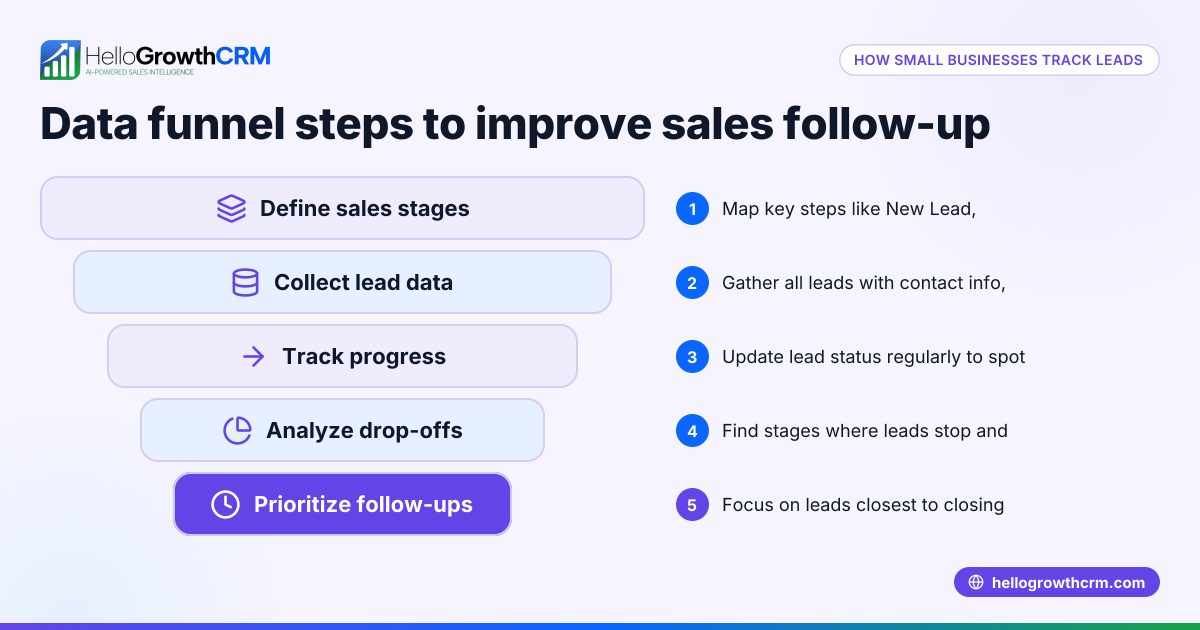
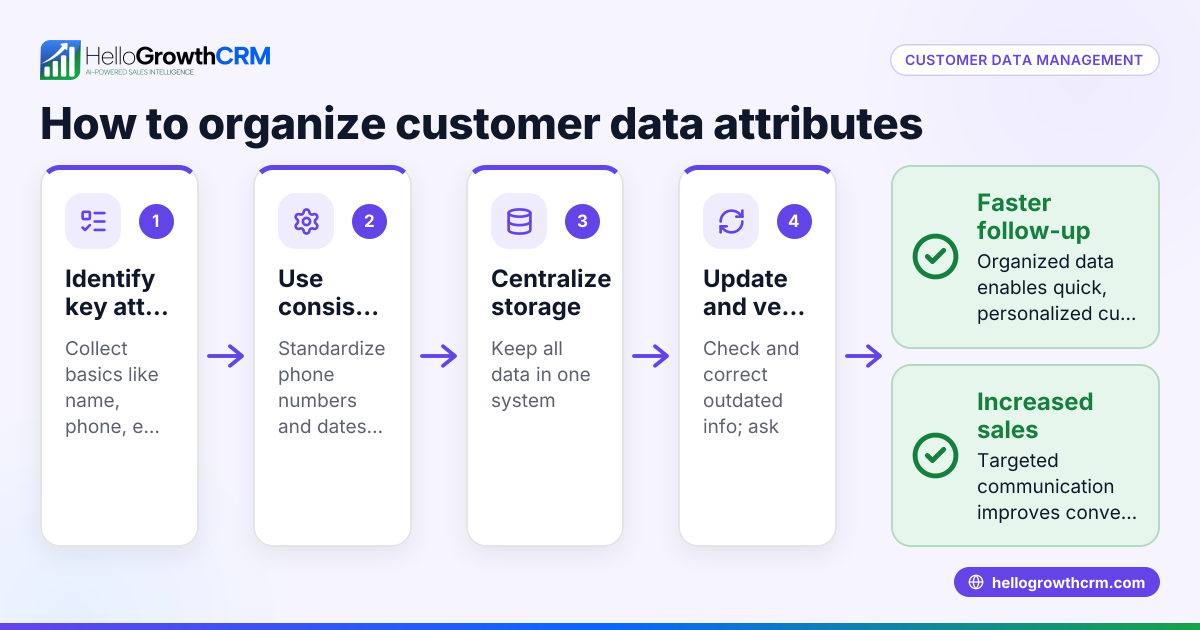
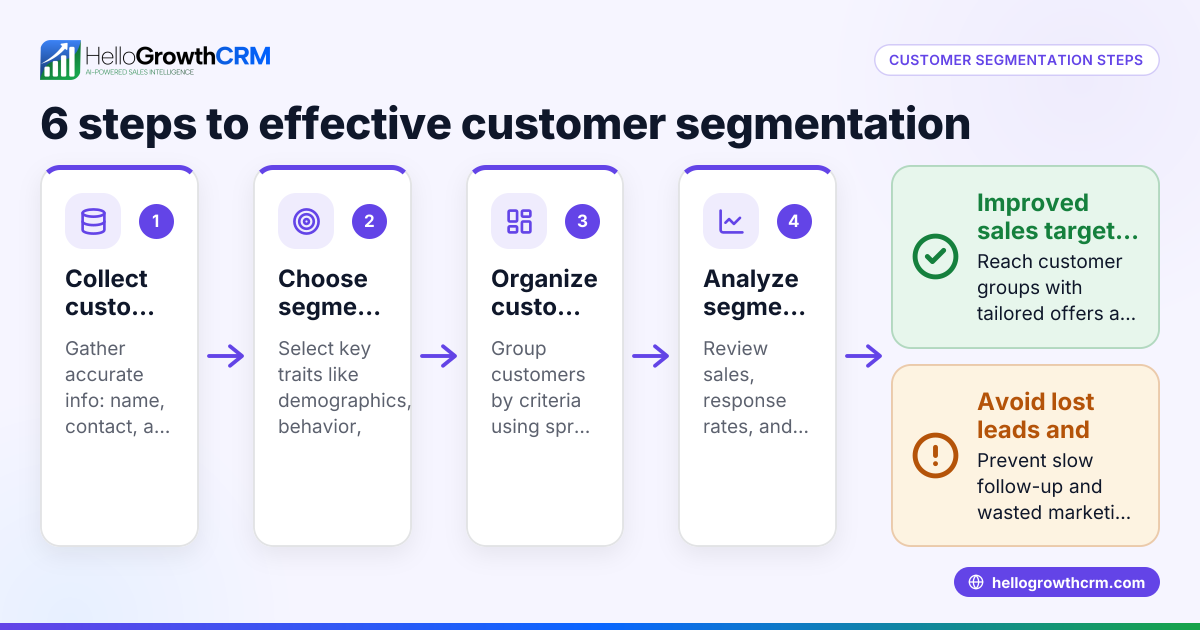
- Collect customer sales data consistently: Capture all relevant information from every channel you use — phone calls, WhatsApp messages, emails, web forms, and face-to-face meetings. Check that each lead’s contact details and purchase interests are recorded accurately.
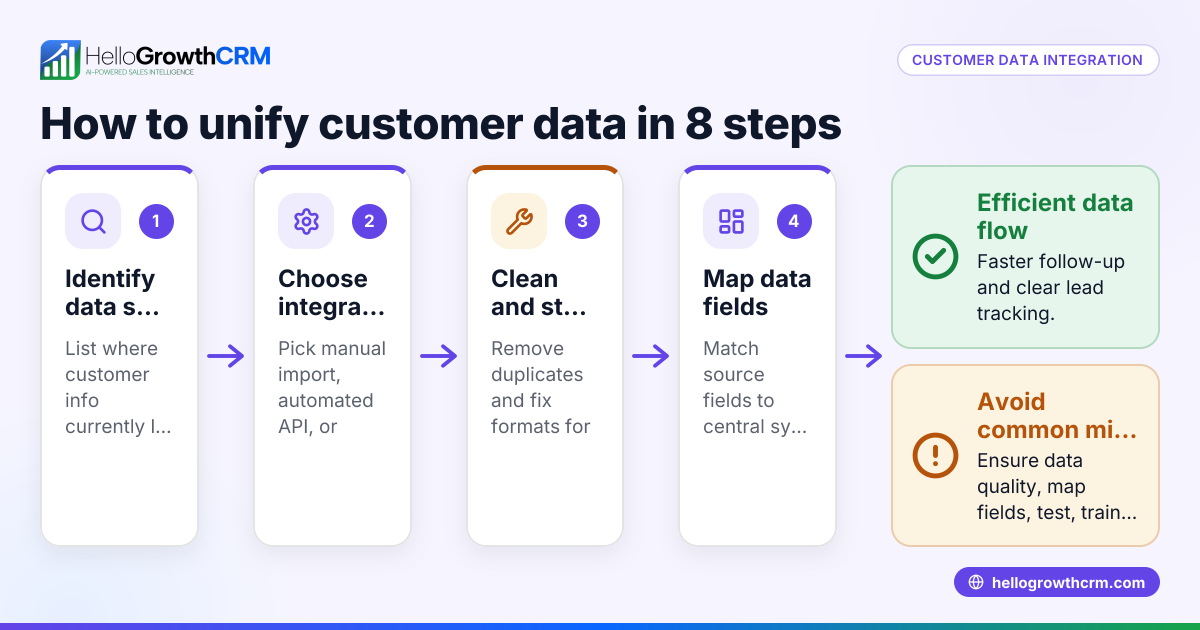
- Organize data in one place: Use a CRM or a centralized spreadsheet to store all customer sales data. Confirm that each deal is logged with clear sales stages such as "quote sent" or "follow-up scheduled" to ensure no opportunities are overlooked.
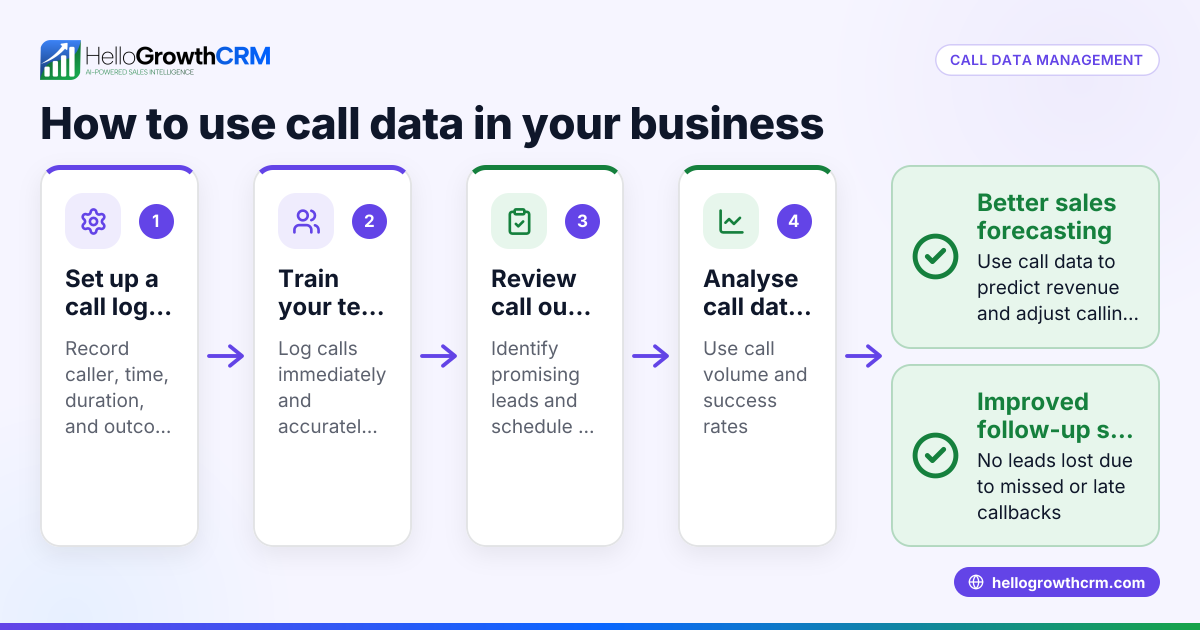
- Track interactions and update regularly: After every contact or sales event, update the deal’s status. Set follow-up dates and reminders to keep the sales process moving.
- Analyze sales data periodically: Review your sales data weekly or monthly to identify which customers are buying most, spot bottlenecks in your sales funnel, and see which products or services perform best.
- Use insights to improve sales: Adjust your sales strategies based on the data. For example, prioritize leads showing high engagement or send targeted offers to repeat customers. For more on improving customer engagement, see customer health score.
Example (fictional figures)
A residential real-estate team in Phoenix, Arizona, tracks their sales data for April 2026.
- Total leads collected: 50
- Quotes sent: 20
- Deals closed: 10
One deal details:
- Lead: John Smith
- Quotation sent on 04/10/2026 for a $350,000 property
- Follow-up scheduled for 04/17/2026
- Deal closed on 04/20/2026
Calculations:
$350,000 × 1 (deal amount) = $350,000 total sales
If the team had 10 deals closed, total sales would be:
$350,000 × 10 = $3,500,000 total sales
Tracking this data helps the team plan follow-ups and forecast revenue accurately.
Common mistakes
- Scattered data sources: Leads and sales info spread across emails, texts, and spreadsheets cause confusion. Prevent this by consolidating data into one system like a CRM.
- No follow-up reminders: Without alerts, leads can go cold. Prevent by setting tasks or automated reminders for each sales stage.
- Ignoring data updates: Failing to update deal statuses leads to missed opportunities. Prevent by reviewing and updating sales data regularly.
- Overlooking mobile field data: Field reps not logging visits reduce data accuracy. Prevent by using tools that allow real-time mobile logging.
- Failing to analyze trends: Not reviewing data means missing sales insights. Prevent by scheduling regular reviews to identify patterns and adjust strategies.
Doing this in HelloGrowthCRM
HelloGrowthCRM offers features that help small businesses manage customer sales data efficiently. Its Deals (pipeline) feature tracks sales opportunities through stages such as "quote sent" with follow-up dates, ensuring no deal is forgotten. HelloGrowthCRM has completed a SOC 2 Type II examination and supports CCPA data-subject rights. Field sales reps can log visits directly from their phones, while managers monitor daily activities and territory coverage. This improves sales tracking, territory management, and commission calculations. Learn more about WhatsApp and SMS CRM and HelloGrowthCRM for the United States.
Frequently asked questions
What is included in customer sales data? Customer sales data includes purchase history, contact information, sales stages, follow-up dates, and communication records. It helps businesses track progress and understand customer preferences.
How can I organize sales data without a CRM? You can use spreadsheets to log leads, deals, and follow-ups. However, this requires manual updates and increases the risk of errors or missed opportunities.
Why is follow-up scheduling important in sales data? Scheduling follow-ups ensures timely contact with prospects, increasing the chance of closing deals. It prevents leads from going cold due to neglect.
How does field sales data improve customer sales data quality? Field sales data includes visit logs and on-site activities that provide real-time insights and improve the accuracy of sales tracking.
Can I analyze customer sales data to improve my sales strategy? Yes, reviewing sales data helps identify best-selling products, peak buying times, and bottlenecks in the sales process, allowing you to adjust strategies. For tips on customer engagement, see customer health score.
Key takeaways
- Customer sales data includes all purchase and interaction details needed to improve sales follow-up.
- Centralizing data and updating it regularly prevents lost leads and missed opportunities.
- Setting follow-up reminders keeps deals moving steadily through the pipeline.
- Mobile field logging enhances data accuracy and supports territory management.
- HelloGrowthCRM supports pipeline tracking, data security, and field operations for better sales management.
Start managing your customer sales data more effectively today. Start on the Free Forever plan (200 leads, no credit card).
Ready to put this into practice?
Set up your pipeline, WhatsApp follow-ups, and AI lead scoring in minutes — free, no credit card.
Try HelloGrowthCRM freeGet CRM tips in your inbox
Join thousands of sales professionals who get weekly insights on CRM strategy, AI automation, and pipeline optimization.

The HelloGrowthCRM team publishes guides on CRM strategy, AI sales tools, and revenue operations for small business sales teams.