HelloGrowthCRM software
Built for real small-business sales teams
HelloGrowthCRM helps reps qualify faster, follow up on time, and close more deals—with practical automation in one place.
- AI lead scoring and pipeline visibility
- Built-in dialer, WhatsApp, and email automation
- Sales forecasting and RevOps-ready reporting
Potential customers are individuals or companies who could buy from your business because they have a need or interest but have not yet become paying customers. Identifying and nurturing these leads is crucial for growing sales. This article covers why potential customers matter, how to find and qualify them, common pitfalls, and practical tools to manage them effectively.
Why this comes up / what goes wrong
Small-business owners in the UK often struggle to clearly define who their potential customers are. Without this understanding, they waste time chasing uninterested contacts or miss opportunities by failing to follow up promptly. Many rely on informal methods like WhatsApp chats, emails, or spreadsheets that don’t track leads properly. This causes leads to fall through the cracks and slows down sales growth. Knowing who your potential customers are and how to engage them systematically is essential.
Step-by-step
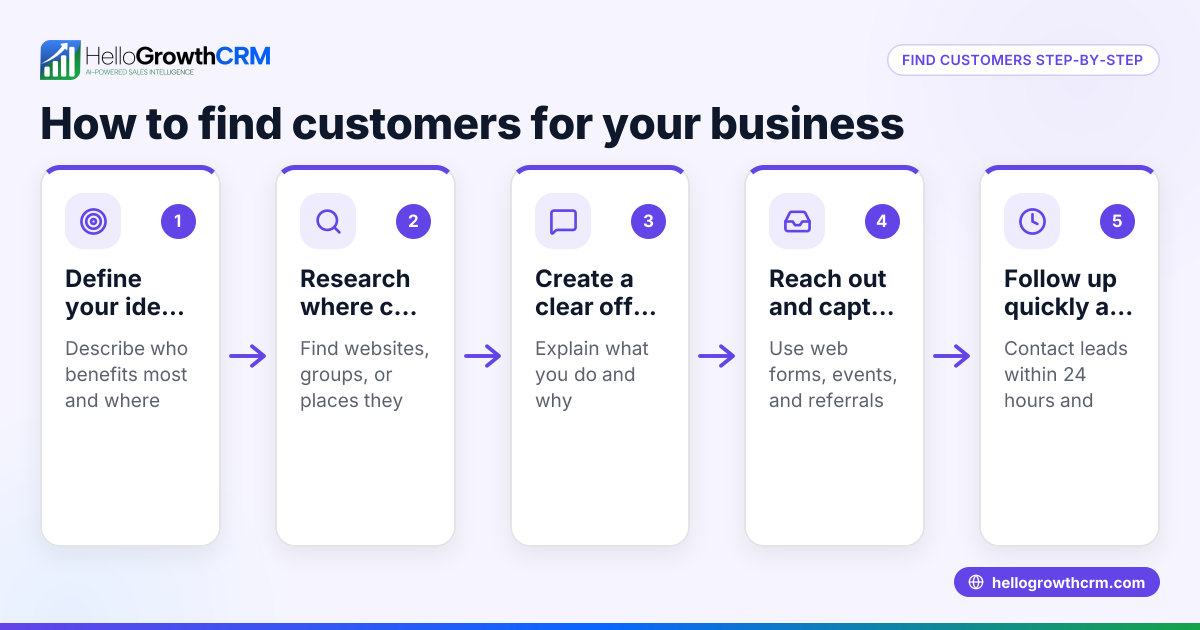
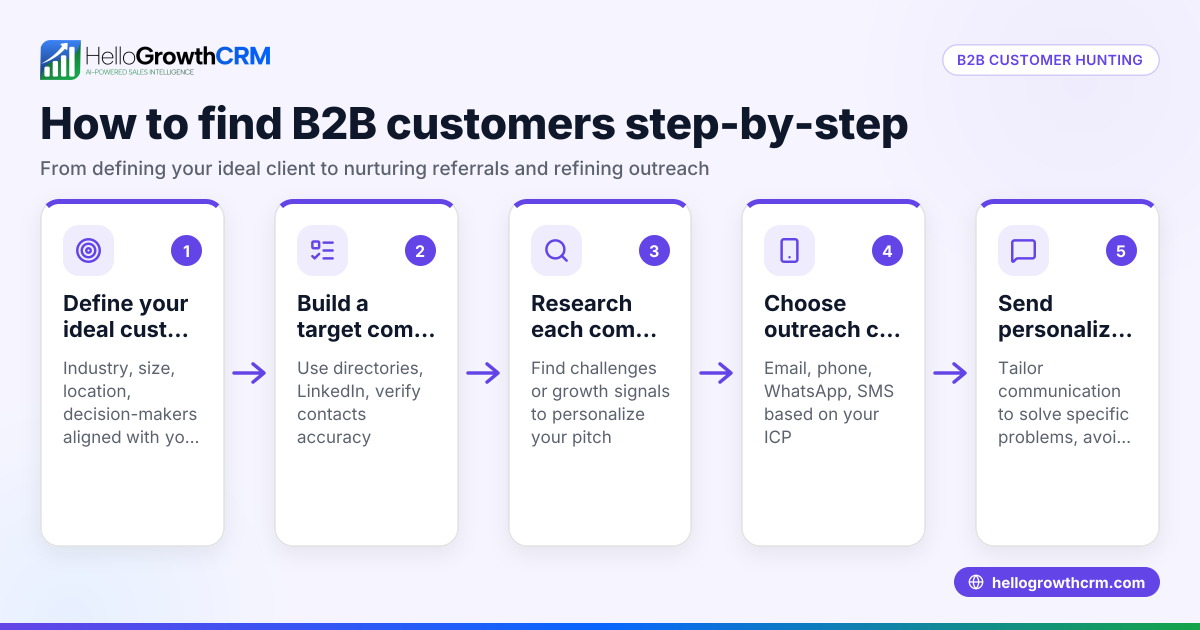
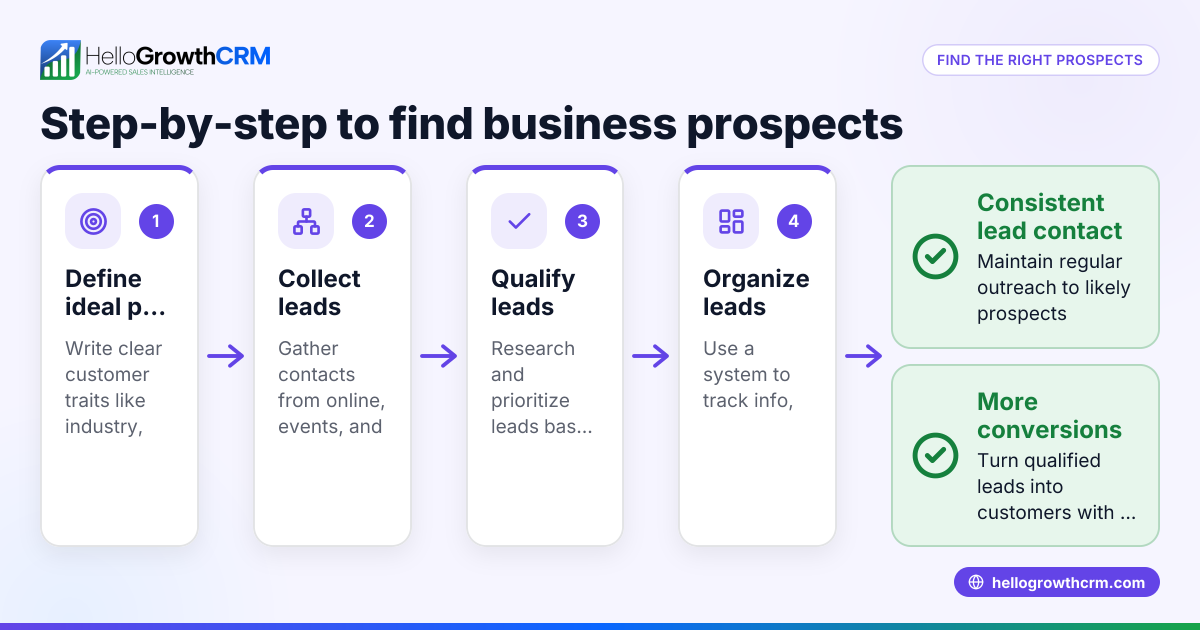
- Define your ideal customer profile: Decide the characteristics of customers who would benefit most from your product or service. Check their industry, company size, location, and budget.
- Capture leads from multiple sources: Use web forms, referrals, social media, or events to gather contact details. Check that you record essential information like name, contact method, and interest level.
- Qualify leads to identify potential customers: Assess each lead’s readiness to buy by checking their needs, budget, and timeline. Prioritise leads that match your ideal profile and show genuine interest.
- Engage potential customers with timely follow-up: Contact them quickly using their preferred communication channel. Check that you provide relevant information and answer questions.
- Track interactions and progress: Keep records of calls, messages, and meetings. Check that you update the lead status regularly to avoid losing track.
- Convert potential customers into paying customers: Offer proposals or demos tailored to their needs. Check that you address objections and confirm the sale.
- After the sale, continue service and support: Manage service requests and referrals on the same customer record to build loyalty and encourage repeat business.
For ongoing management, consider tools that support WhatsApp and SMS CRM for direct messaging and follow-ups efficiently. You can also monitor customer health scores to prioritise leads and customers effectively customer health score.
Example (fictional figures)
A solar-panel installer in Glasgow wants to identify potential customers from online enquiries received in March 2026.
- Total enquiries received: 150
- After qualification, 60 match the ideal profile and show interest.
- They follow up with these 60 leads within 24 hours.
- 20 leads agree to a site visit.
- 10 site visits convert to sales at £12,000 each.
Calculations:
150 enquiries × 40% disqualified = 60 potential customers
60 potential customers × 33.3% site visit conversion = 20 site visits
20 site visits × 50% sales conversion = 10 sales
10 sales × £12,000 = £120,000 revenue
This example shows how focusing on potential customers and following up promptly can lead to substantial sales.
Common mistakes
- Not defining potential customers clearly: Prevent by creating a detailed ideal customer profile before lead generation.
- Slow or inconsistent follow-up: Prevent by setting reminders and using tools that support WhatsApp and SMS CRM to message leads quickly.
- Using scattered communication channels: Prevent by centralising contacts and conversations to avoid losing information.
- Failing to track lead progress: Prevent by regularly updating lead status and notes.
- Ignoring after-sale service: Prevent by managing service requests and referrals on the same customer record to maintain relationships.
- Relying only on manual spreadsheets: Prevent by adopting a CRM that integrates lead capture and communication.
Doing this in HelloGrowthCRM
HelloGrowthCRM keeps service requests and referrals on the same customer record as the deal, helping you maintain a full view of your customer’s journey from lead through after-sales support. This includes managing support tickets and knowledge bases linked to customers. Learn more about how HelloGrowthCRM supports customer management in the UK HelloGrowthCRM for the United Kingdom.
Frequently asked questions
What is the difference between a lead and a potential customer? A lead is any contact who might be interested in your product or service. A potential customer is a lead that has been qualified as having a genuine interest and the ability to buy. Qualification includes checking their needs, budget, and readiness.
How can I find potential customers for my small business? Start by defining your ideal customer profile, then capture leads through your website, referrals, or social media. Qualify these leads by assessing their interest and fit with your product. Follow up promptly and keep track of interactions to nurture them into customers.
Why is quick follow-up important for potential customers? Potential customers often explore multiple options. Contacting them quickly shows professionalism and keeps your business top of mind. Delayed follow-up risks losing leads to competitors. Using WhatsApp and SMS CRM can speed up communication WhatsApp and SMS CRM.
How do I keep track of potential customers effectively? Use a CRM system to centralise contact information, communication history, and lead status. This prevents leads from being forgotten or duplicated. Regularly update the records and review your pipeline to prioritise efforts. You can also monitor customer health scores to focus on promising leads customer health score.
Can referrals help in finding potential customers? Yes, referrals often bring you warm leads who are more likely to convert. Tracking referrals systematically ensures you reward and encourage customers to recommend your business.
What happens after converting a potential customer? Continue to provide excellent service by managing support tickets and service requests on the same customer record. This builds trust and increases chances of repeat business and referrals.
Key takeaways
- Potential customers are qualified leads showing genuine interest and buying ability.
- Define your ideal customer profile to focus efforts effectively.
- Capture and qualify leads from multiple sources, then follow up quickly.
- Use tools that support WhatsApp and SMS CRM to speed communication.
- Track leads and customer interactions centrally to avoid losing opportunities.
- Manage after-sale service and referrals on the same customer record to build loyalty.
Start managing your potential customers more effectively today. Start on the Free Forever plan (200 leads, no credit card).
Ready to put this into practice?
Set up your pipeline, WhatsApp follow-ups, and AI lead scoring in minutes — free, no credit card.
Try HelloGrowthCRM freeGet CRM tips in your inbox
Join thousands of sales professionals who get weekly insights on CRM strategy, AI automation, and pipeline optimization.

The HelloGrowthCRM team publishes guides on CRM strategy, AI sales tools, and revenue operations for small business sales teams.