HelloGrowthCRM software
Built for real small-business sales teams
HelloGrowthCRM helps reps qualify faster, follow up on time, and close more deals—with practical automation in one place.
- AI lead scoring and pipeline visibility
- Built-in dialer, WhatsApp, and email automation
- Sales forecasting and RevOps-ready reporting
B2B marketing KPIs are measurable values that show how effectively your marketing efforts generate and convert leads into customers. For small businesses, tracking the right KPIs helps focus on what drives sales growth and return on investment. This article covers why these KPIs matter, how to identify and track them step-by-step, a detailed example with realistic figures, common mistakes to avoid, and answers to frequent questions.
Why this comes up / what goes wrong
Small-business owners often struggle with understanding which marketing activities actually bring in paying customers. They may run campaigns on email, social media, or text messages but lack clear numbers to evaluate success. Without proper KPIs, marketing budgets can be wasted on low-impact channels or poorly targeted leads. This leads to slow sales follow-up, lost prospects, and difficulty forecasting revenue. Many also rely on spreadsheets or disconnected tools, making it harder to track progress and optimize marketing efforts.
Step-by-step
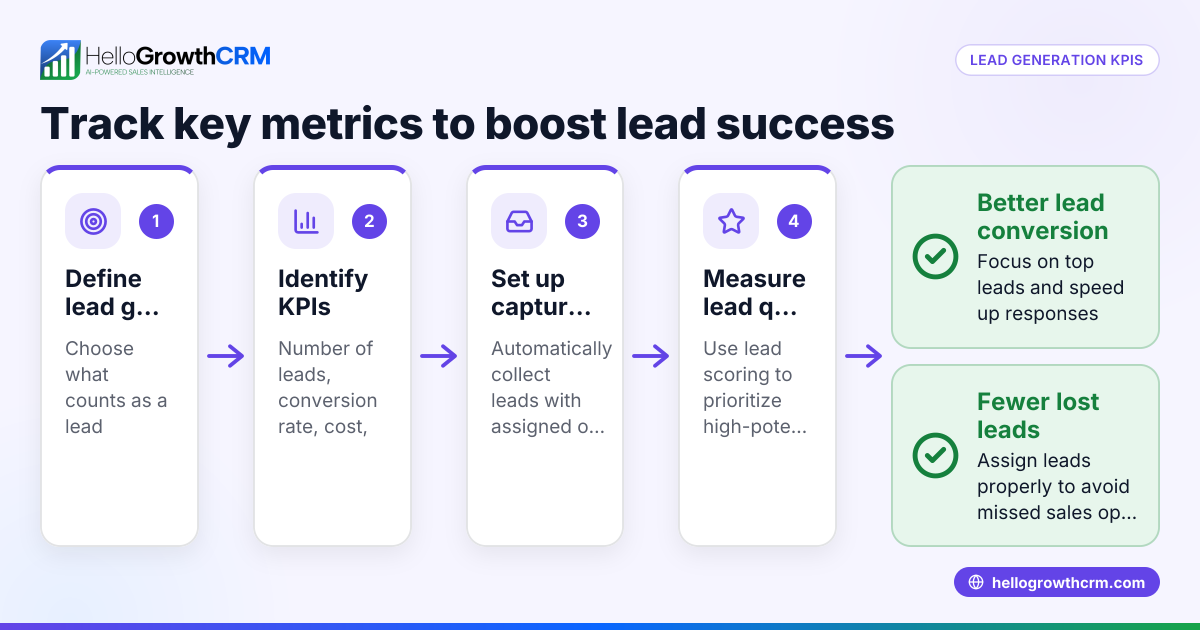
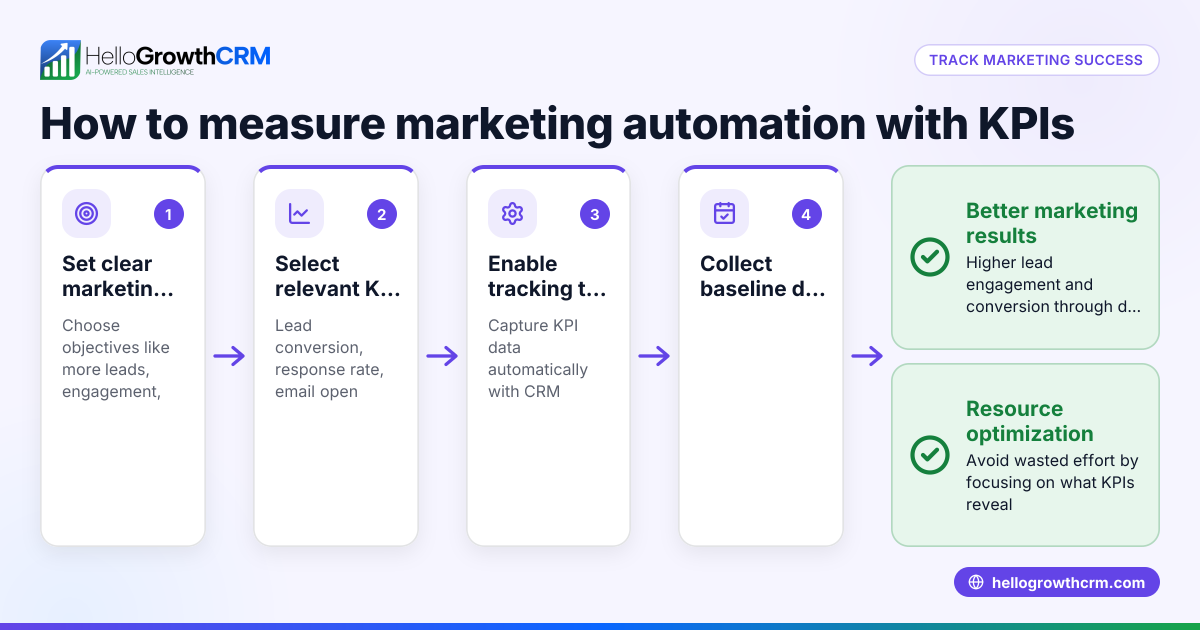
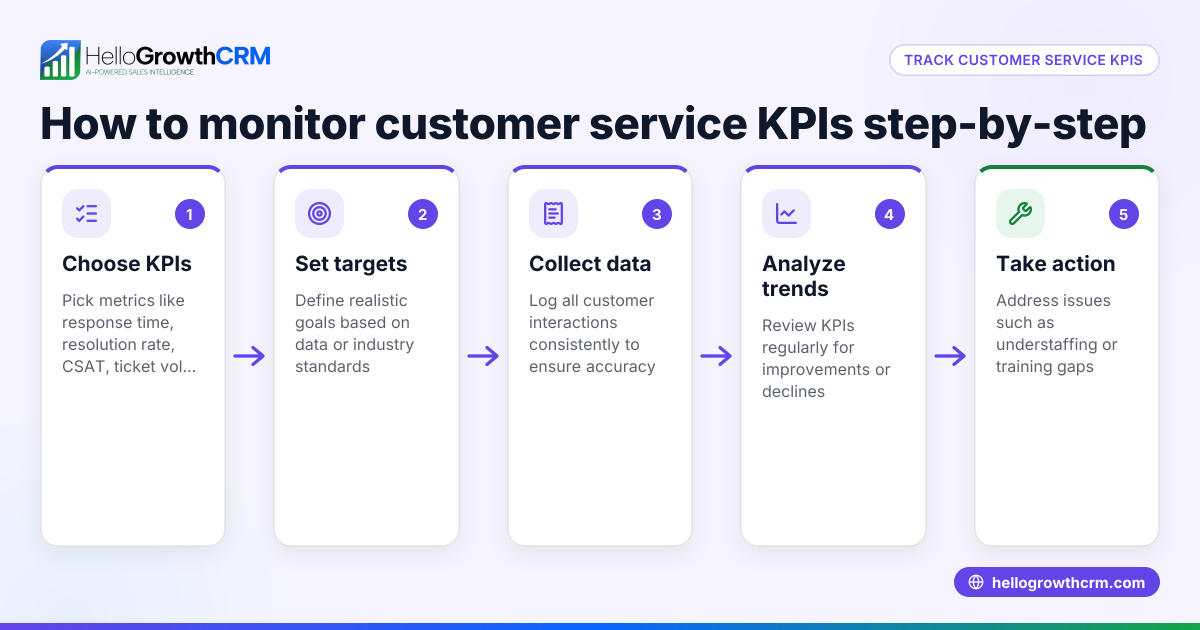
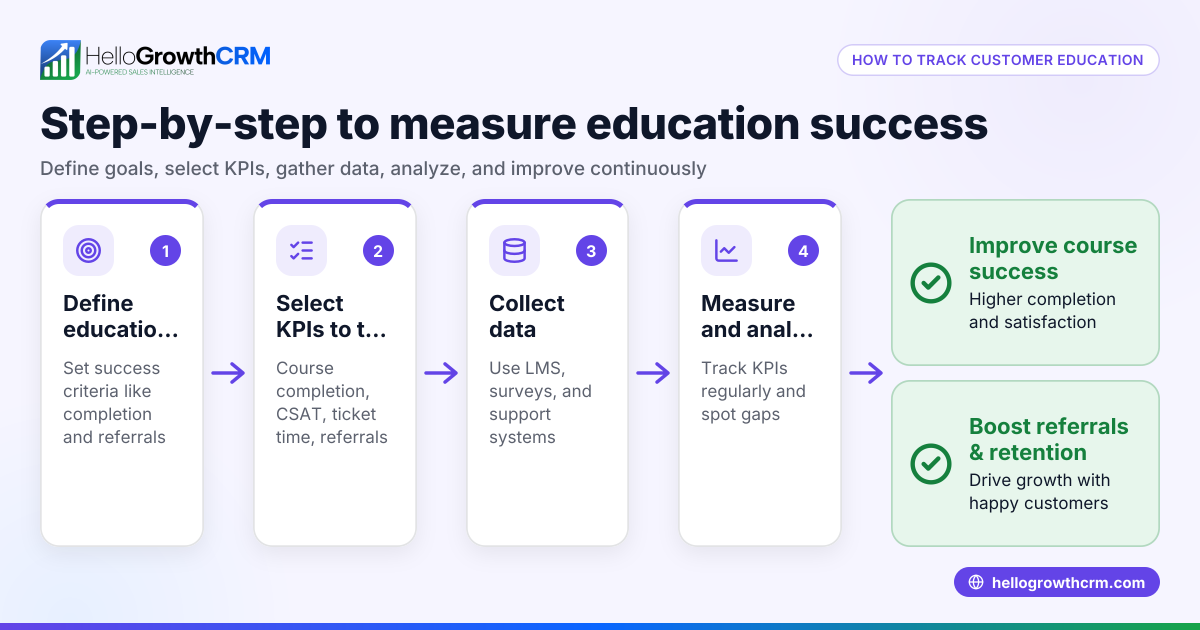
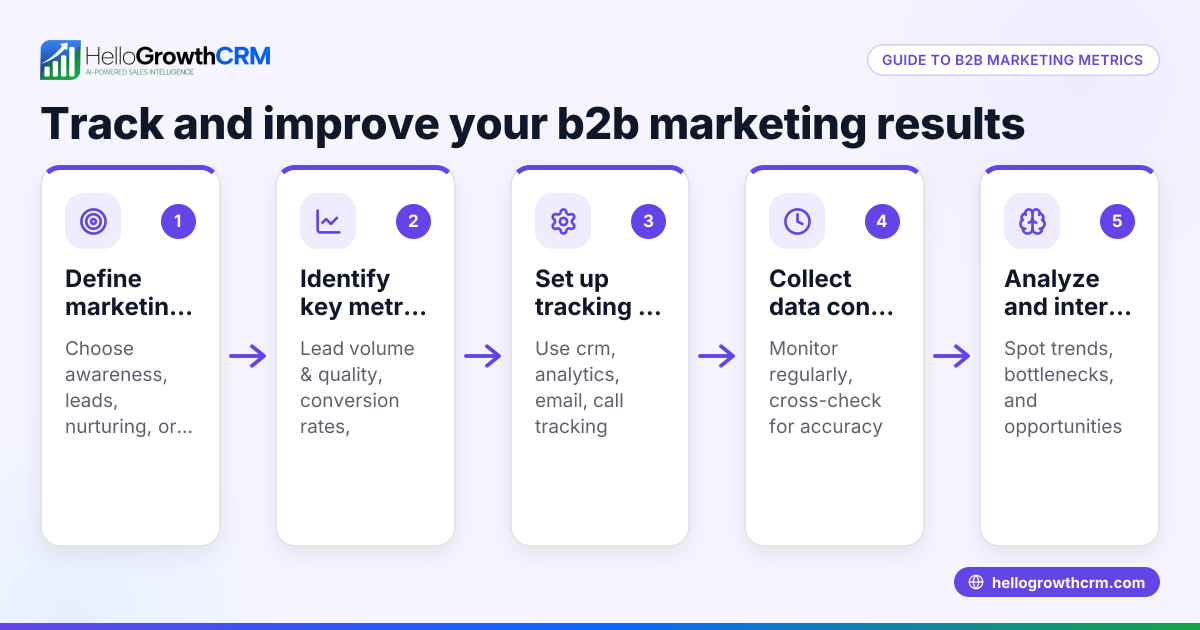
- Define your marketing goals clearly
- Decide what you want from your marketing: more leads, better-quality leads, increased conversions, or higher revenue.
- Check that your goals align with overall business objectives.
- Choose relevant KPIs based on your goals
- For lead generation: track number of leads, cost per lead (CPL), and lead source.
- For lead quality: monitor lead-to-opportunity conversion rate and lead scoring metrics.
- For sales impact: measure sales qualified leads (SQLs), opportunity-to-close rate, and customer acquisition cost (CAC).
- For revenue focus: track marketing influenced revenue and return on marketing investment (ROMI).
- Set up data collection methods
- Use web forms, email campaign reports, and CRM data to gather leads and track interactions.
- Ensure data is centralized to avoid losing leads or misreporting.
- Regularly analyze KPI trends
- Review KPIs weekly or monthly to spot positive or negative trends.
- Compare performance across channels like email, WhatsApp, SMS, or paid ads.
- Adjust marketing actions based on KPI insights
- Increase budget on high-performing channels.
- Refine messaging or targeting for low-performing campaigns.
- Improve sales follow-up speed to convert more leads.
- Report results to your team
- Share KPI dashboards or summaries to align marketing and sales teams.
- Use tools with built-in CRM dialer or WhatsApp and SMS CRM features to streamline communication and data tracking.
Example (fictional figures)
Consider a two-location dental practice in Columbus, Ohio, aiming to increase new patient appointments through digital marketing. They run email and SMS campaigns and track these KPIs monthly.
- Leads generated from campaigns: 500
- Cost of campaigns: $5,000
- Leads that booked appointments (SQLs): 100
- New patient revenue generated: $50,000
Calculations:
Cost per lead (CPL): $5,000 ÷ 500 = $10 per lead
Lead-to-appointment conversion rate: 100 ÷ 500 = 20%
Customer acquisition cost (CAC): $5,000 ÷ 100 = $50 per new patient
Return on marketing investment (ROMI): $50,000 - $5,000 = $45,000 net revenue $45,000 ÷ $5,000 = 9 or 900% ROMI
This example shows the practice spends $10 to acquire each lead, converts 20% of leads to patients, and earns $9 for every $1 spent on marketing.
Common mistakes
- Tracking too many KPIs at once: Focus on a few critical KPIs tied to your goals to avoid confusion. Use simple dashboards.
- Ignoring lead quality: High lead volume doesn’t always mean success; monitor conversion rates to sales qualified leads.
- Delayed follow-up: Slow responses to leads reduce conversions. Integrate tools like built-in CRM dialer or WhatsApp and SMS CRM to speed follow-up.
- Using disconnected tools: Managing leads across spreadsheets, email, and messaging apps causes data loss. Centralize data in a CRM.
- Not reviewing KPIs regularly: Infrequent analysis misses trends and opportunities. Set a regular schedule to review and adjust.
Frequently asked questions
What are the most important B2B marketing KPIs for small businesses? The key KPIs depend on your goals but typically include number of leads, cost per lead, lead-to-opportunity conversion rate, customer acquisition cost, and return on marketing investment. These metrics help you track both quantity and quality of leads and the financial impact of marketing.
How do I track B2B marketing KPIs without complex software? You can start by using spreadsheets to log leads, sources, and follow-up status. Combine this with reports from email platforms or messaging apps. Over time, consider moving to integrated tools that combine lead capture, messaging, and sales tracking to reduce manual work.
How often should I review my marketing KPIs? Review KPIs at least monthly to understand trends and make timely adjustments. Weekly reviews can help during active campaigns. Regular analysis ensures you allocate budget and effort to the best-performing channels.
Can WhatsApp and SMS marketing KPIs be tracked effectively? Yes, tracking response rates, click-throughs, and conversions from WhatsApp and SMS campaigns is essential. Using a WhatsApp and SMS CRM helps centralize communication and measure these KPIs accurately.
What is the difference between a lead and a sales qualified lead (SQL)? A lead is any potential customer who shows interest, while an SQL has been vetted and meets criteria indicating readiness to buy. Tracking SQLs helps focus sales efforts on high-potential prospects.
How can I improve my lead-to-customer conversion rate? Speed up follow-up with tools like a built-in CRM dialer, personalize communication, and ensure marketing messages attract the right audience. Regularly review and refine your lead scoring and qualification process.
Key takeaways
- Define clear marketing goals to select relevant B2B KPIs.
- Focus on lead quantity, quality, and financial impact metrics.
- Collect and centralize data from all marketing channels.
- Analyze KPIs regularly to spot trends and optimize campaigns.
- Avoid common pitfalls like tracking too many KPIs or slow follow-up.
- Use integrated communication tools like WhatsApp and SMS CRM and built-in CRM dialer to improve lead management.
Start tracking your B2B marketing KPIs today to improve your sales pipeline and marketing ROI. For small businesses looking to organize leads and speed follow-up, consider tools tailored to your needs. You can start on the Free Forever plan (200 leads, no credit card) to test a CRM designed for growing sales teams.
Explore more about HelloGrowthCRM for the United States, its WhatsApp and SMS CRM, and the built-in CRM dialer to see how these features support effective B2B marketing KPI tracking.
Ready to put this into practice?
Set up your pipeline, WhatsApp follow-ups, and AI lead scoring in minutes — free, no credit card.
Try HelloGrowthCRM freeGet CRM tips in your inbox
Join thousands of sales professionals who get weekly insights on CRM strategy, AI automation, and pipeline optimization.

The HelloGrowthCRM team publishes guides on CRM strategy, AI sales tools, and revenue operations for small business sales teams.