HelloGrowthCRM software
Built for real small-business sales teams
HelloGrowthCRM helps reps qualify faster, follow up on time, and close more deals—with practical automation in one place.
- AI lead scoring and pipeline visibility
- Built-in dialer, WhatsApp, and email automation
- Sales forecasting and RevOps-ready reporting
A B2B referral program is a system designed to motivate your existing business customers or partners to recommend your products or services to other businesses. Typically, these programs reward referrers when their introductions lead to new sales or contracts. This approach helps you generate warm leads and grow your business network through trusted relationships instead of relying solely on cold outreach.
Why this comes up / what goes wrong
Small-business owners often struggle to find cost-effective ways to attract new clients. Traditional marketing methods like cold calls, ads, or trade shows can be expensive and may yield low conversion rates. Referral programs leverage the trust that already exists between businesses, making leads more likely to convert.
However, many B2B referral programs fail because they lack clear goals, have complicated or unclear rules, or do not track referrals properly. Without a straightforward process and timely follow-up, referred leads can be lost or ignored, and referrers may lose motivation if rewards are delayed or unclear.
Step-by-step
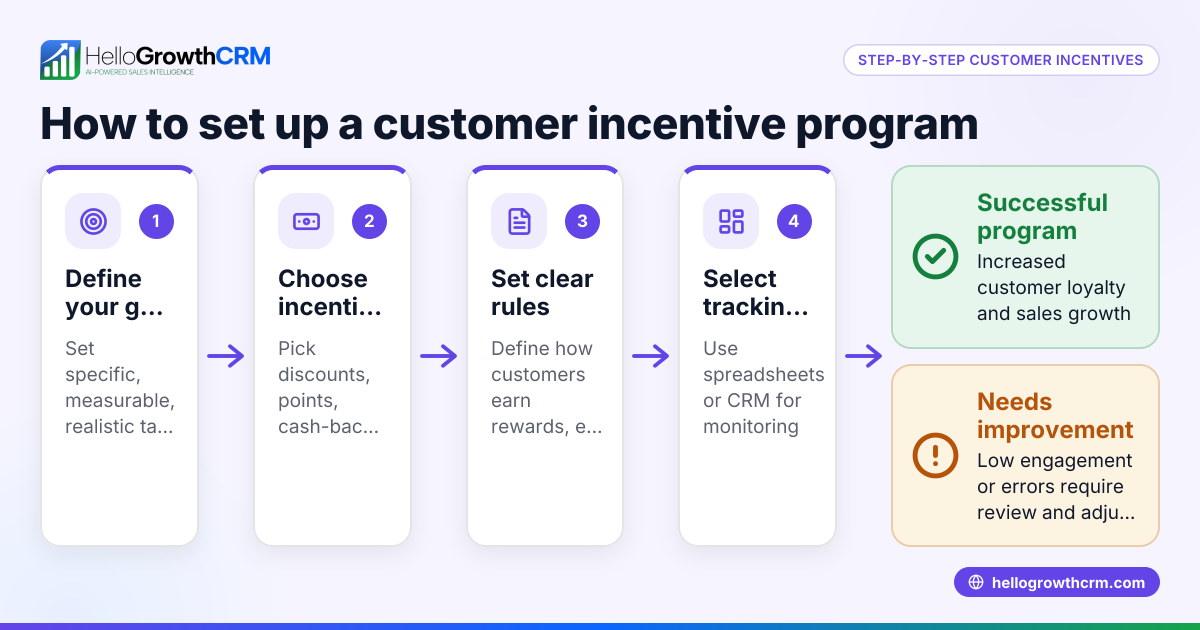
- Define your referral goals: Decide what you want to achieve with your referral program. Examples include increasing leads by a certain number, boosting sales, or expanding into new markets. Make goals measurable and time-bound.
- Identify your referrers: Choose who will be part of your referral program. These can be current customers, business partners, suppliers, or even employees.
- Design motivating incentives: Select rewards that encourage participation but are financially sustainable. Common incentives include cash bonuses, discounts on future services, or exclusive offers.
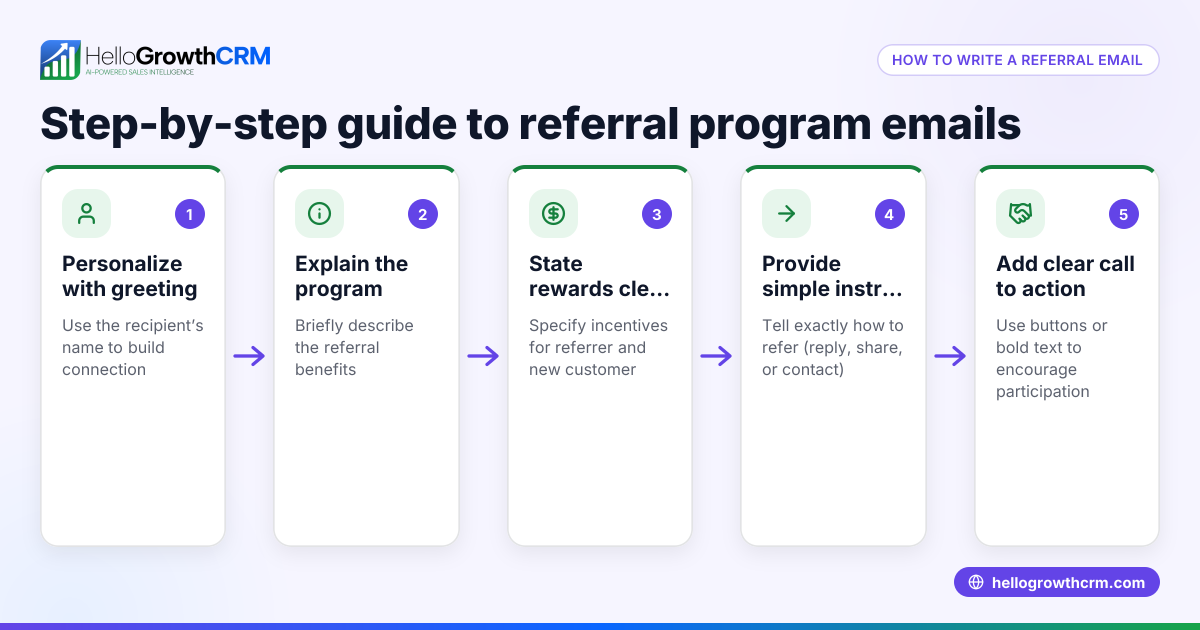
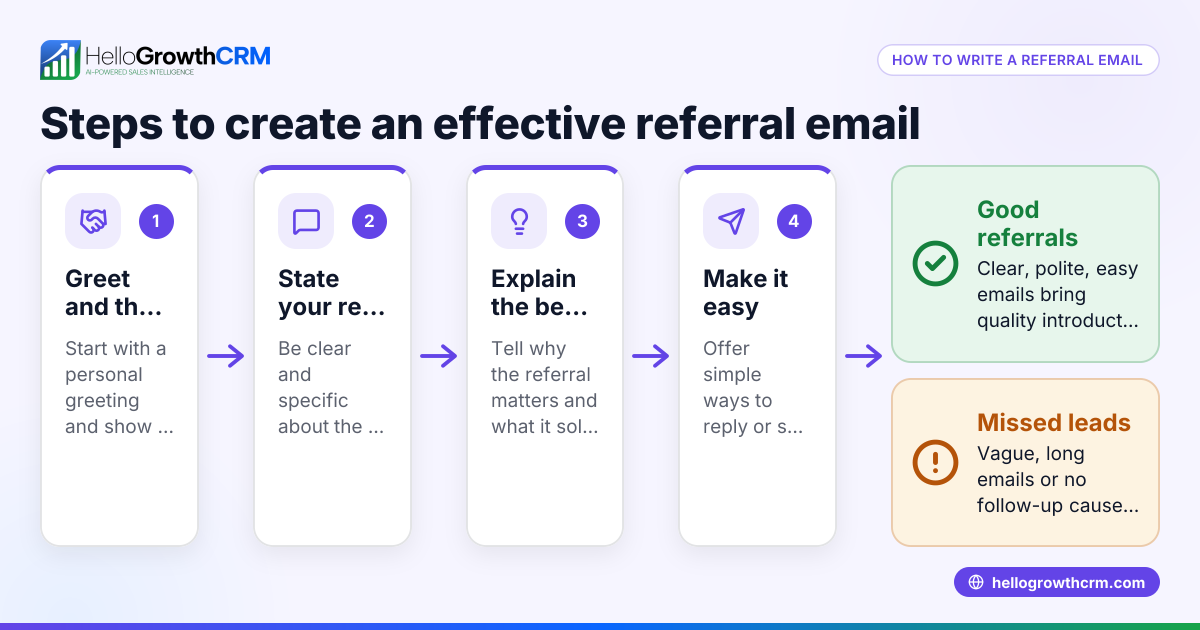
- Create clear referral guidelines: Write simple, clear rules that explain what counts as a referral, how to submit referrals, and when rewards will be given.
- Set up referral tracking and communication: Use tools like referral forms, emails, or a CRM system to capture referrals. Keep referrers informed about their referrals’ status.
- Promote your program: Announce the program through emails, meetings, your website, and social media to ensure your network knows about it.
- Follow up quickly on referrals: Contact referred leads within 24 hours to increase conversion chances.
- Review and improve regularly: Analyze referral program results and adjust incentives, rules, or communication methods to improve effectiveness.
Example (fictional figures)
Phoenix Realty Group, a residential real estate team in Phoenix, Arizona, started a referral program on 01/15/2026.
- Goal: Gain 20 new client leads within 6 months.
- Incentive: $500 cash reward for each closed sale from a referral.
- Referral conversion rate: 25% (1 in 4 leads close).
Calculations:
20 new client leads × 25% conversion = 5 closed sales 5 closed sales × $500 reward = $2,500 total referral payouts
Average commission per closed sale = $50,000
5 closed sales × $50,000 = $250,000 total commission earned
Net gain after rewards:
$250,000 - $2,500 = $247,500
This example shows how a referral program can generate significant revenue with manageable costs.
Common mistakes
- Unclear referral process: Prevent this by documenting every step clearly and making it easy for referrers to participate.
- Weak incentives: Research what motivates your referrers and choose rewards accordingly.
- Slow follow-up on referrals: Use CRM notifications to ensure leads are contacted promptly.
- Poor tracking of referrals: Avoid lost leads by using referral tracking software or CRM features.
- Neglecting referrer communication: Keep referrers updated on their referrals’ progress and recognize their efforts.
- Overcomplicated rules: Keep the program simple and transparent to encourage participation.
Doing this in HelloGrowthCRM
HelloGrowthCRM offers a branded customer portal where your clients can submit referrals easily. Referral program tracking is integrated with customer records, so service requests stay linked to the original deal, keeping your team organized after the sale. The platform also provides support tickets and a knowledge base to help your team respond quickly to inquiries. These features help small and mid-sized businesses manage referrals smoothly and improve follow-up. Learn more about these capabilities at HelloGrowthCRM for the United States.
Frequently asked questions
What is the best incentive for a B2B referral program? The best incentive depends on your industry and your referrers. Common options include cash rewards, service discounts, or exclusive offers. Choose incentives that motivate referrers without hurting your profit margins.
How do I track referrals effectively? Use a CRM or referral tracking software that captures referral details, assigns them to sales reps, and notifies you of progress. HelloGrowthCRM includes referral program tracking integrated with customer records to simplify this process.
Can I run a referral program without a CRM? Yes, but tracking and following up become more difficult. Manual methods like spreadsheets or emails increase the risk of lost referrals and slow responses. A CRM centralizes data and automates reminders to keep referrals on track.
How quickly should I follow up on a referred lead? Prompt follow-up is critical. Aim to contact leads within 24 hours to increase conversion chances. HelloGrowthCRM’s built-in dialer helps speed up outreach. Learn more at built-in CRM dialer.
Can I combine a referral program with WhatsApp or SMS outreach? Yes, HelloGrowthCRM supports WhatsApp and SMS CRM features to help you engage referred leads through their preferred channels. This improves communication and conversion rates. Learn more at WhatsApp and SMS CRM.
Key takeaways
- A B2B referral program motivates current customers or partners to bring new business.
- Clear goals, motivating incentives, and simple rules are essential for success.
- Fast follow-up and proper tracking maximize referral conversions.
- Avoid common mistakes like unclear processes and slow responses.
- Using a CRM with referral tracking and communication tools improves program management.
- HelloGrowthCRM offers features to manage referrals, customer service, and communication efficiently.
Start your B2B referral program today and manage it smoothly. Start on the Free Forever plan (200 leads, no credit card).
Ready to put this into practice?
Set up your pipeline, WhatsApp follow-ups, and AI lead scoring in minutes — free, no credit card.
Try HelloGrowthCRM freeGet CRM tips in your inbox
Join thousands of sales professionals who get weekly insights on CRM strategy, AI automation, and pipeline optimization.

The HelloGrowthCRM team publishes guides on CRM strategy, AI sales tools, and revenue operations for small business sales teams.