HelloGrowthCRM software
Built for real small-business sales teams
HelloGrowthCRM helps reps qualify faster, follow up on time, and close more deals—with practical automation in one place.
- AI lead scoring and pipeline visibility
- Built-in dialer, WhatsApp, and email automation
- Sales forecasting and RevOps-ready reporting
Business intelligence metrics are measurable values that help businesses track performance, understand customer behavior, and make data-driven decisions. They summarize complex data into actionable insights. This article explains why these metrics matter for small businesses, how to identify and track the right ones, common pitfalls to avoid, and a practical example with real figures.
Why this comes up / what goes wrong
Small business owners often face challenges managing sales, customer relationships, and growth without clear data. They may rely on scattered information from text messages, emails, or spreadsheets that don’t provide a complete picture. This lack of clarity makes it hard to know which parts of the business are performing well or need attention. Without tracking the right business intelligence metrics, owners risk slow follow-up, missed sales opportunities, and inefficient resource use.
Step-by-step
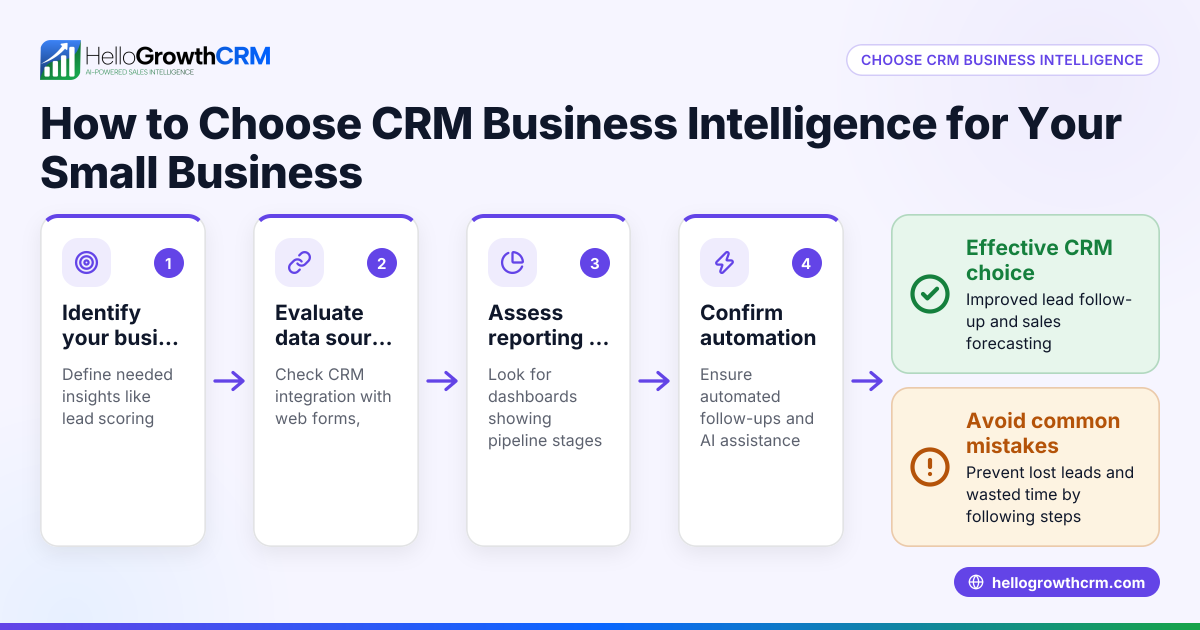
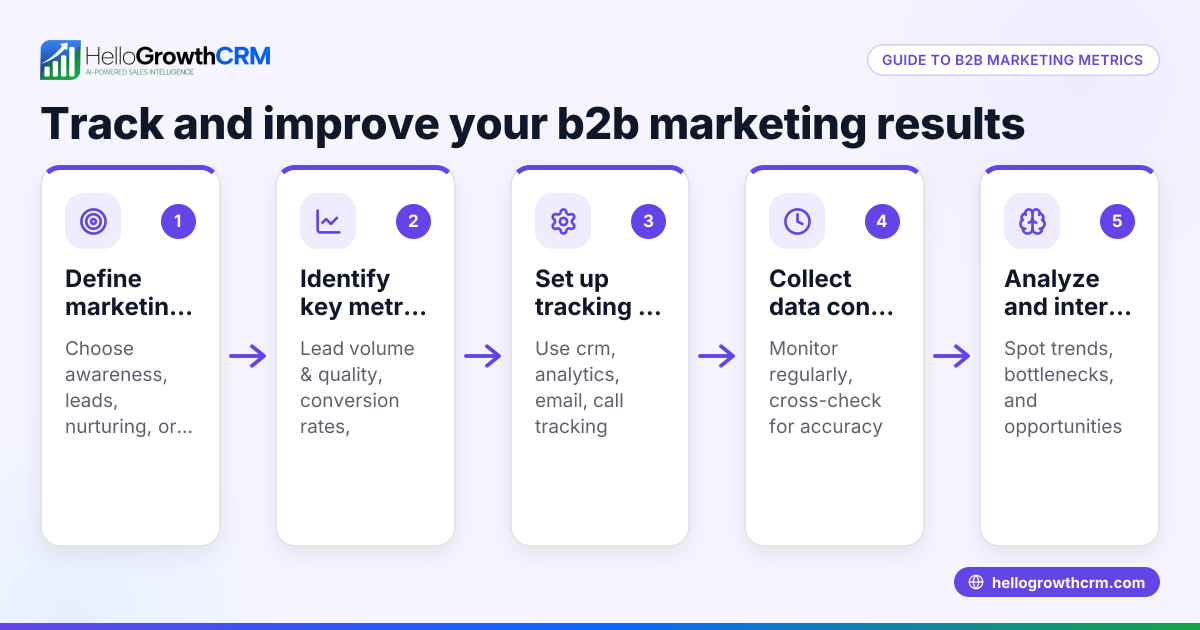
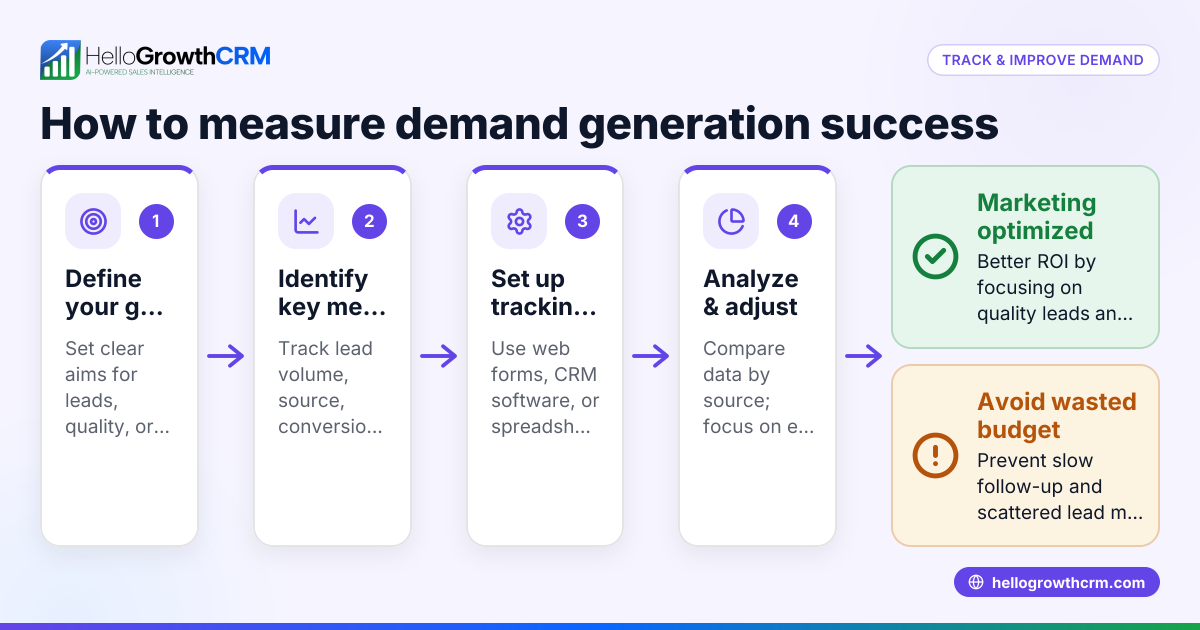
- Identify your business goals. Decide what matters most: increasing sales, improving customer retention, speeding up lead response, or managing cash flow.
- Choose relevant metrics. Pick metrics that directly reflect your goals. For sales growth, track lead conversion rates and average deal size. For customer retention, track repeat purchase rates.
- Collect data consistently. Use reliable sources like sales records, customer communications, and website forms. Avoid mixing data from incompatible sources without verification.
- Use simple tools to organize data. Start with spreadsheets or basic CRM systems designed for small businesses. This helps keep data clean and accessible.
- Analyze trends regularly. Look for patterns over weeks or months, not just daily fluctuations. This helps avoid reaction to noise.
- Take action based on insights. If lead response time is slow, adjust your follow-up process. If repeat purchase rates drop, consider customer feedback or promotions.
- Review and adjust metrics periodically. As your business evolves, some metrics become less relevant. Update your focus accordingly.
Example (fictional figures)
A landscaping contractor in Charlotte, North Carolina, wants to improve sales by tracking lead conversion and average deal size. In Q1 2026, the data shows:
- Leads received: 120
- Deals closed: 30
- Total revenue from closed deals: $150,000
Calculate lead conversion rate:
30 deals closed ÷ 120 leads received = 0.25 or 25%
Calculate average deal size:
$150,000 total revenue ÷ 30 deals closed = $5,000 per deal
The owner sets a goal to increase conversion from 25% to 30% by improving follow-up speed and tracking leads better. By monitoring these metrics monthly, the owner can see progress and adjust tactics.
Common mistakes
- Tracking too many metrics at once. Focus on a few key metrics that align with your goals to avoid overwhelm. Use a simple CRM with features like a built-in CRM dialer to manage communications effectively.
- Using inconsistent or incomplete data. Verify data sources and keep them updated. Avoid mixing data from WhatsApp, email, and spreadsheets without organization. Consider tools like WhatsApp and SMS CRM for better data capture.
- Ignoring data trends over time. Don’t make decisions based on single-day data points. Track metrics regularly to identify real trends.
- Not acting on the metrics. Collecting data without follow-up leads to wasted effort. Set clear action steps for each metric you track.
- Failing to update metrics as business changes. Regularly review which metrics matter as your business grows or shifts focus.
Frequently asked questions
What are the most important business intelligence metrics for small businesses? The most important metrics depend on your goals but commonly include lead conversion rate, average deal size, customer retention rate, sales cycle length, and revenue growth. Focus on those that directly impact your key objectives.
How can I track business intelligence metrics without complex software? Start with organized spreadsheets or simple CRM tools tailored for small businesses. Consistency in data entry and regular review are more important than complex systems. For communication tracking, consider a WhatsApp and SMS CRM to centralize messages.
How often should I review my business intelligence metrics? Review your metrics at least monthly to observe meaningful trends. Weekly checks can be useful for active sales teams, but daily reviews often cause overreaction to normal fluctuations.
Can business intelligence metrics help improve sales follow-up? Yes. Metrics like lead response time and conversion rates highlight weaknesses in follow-up processes. Using tools with features like a built-in CRM dialer can speed communication and improve tracking.
What mistakes should I avoid when using business intelligence metrics? Avoid tracking too many metrics, using poor data, ignoring trends, failing to act on insights, and not updating metrics as your business changes.
How do I choose which business intelligence metrics to track? Start by defining your business goals clearly. Then select metrics that measure progress toward those goals. For example, track sales growth metrics if your goal is revenue increase.
Key takeaways
- Business intelligence metrics turn data into actionable insights aligned with your goals.
- Focus on a few key metrics that matter most to your business objectives.
- Collect and organize data consistently using simple tools or CRMs.
- Regularly analyze trends and take concrete action based on insights.
- Avoid common mistakes like tracking too many metrics or ignoring data quality.
- Update your metrics as your business goals evolve.
Start tracking your business intelligence metrics today to improve decision-making and grow your business. For a practical tool to manage leads and communications, Start on the Free Forever plan (200 leads, no credit card).
Ready to put this into practice?
Set up your pipeline, WhatsApp follow-ups, and AI lead scoring in minutes — free, no credit card.
Try HelloGrowthCRM freeGet CRM tips in your inbox
Join thousands of sales professionals who get weekly insights on CRM strategy, AI automation, and pipeline optimization.

The HelloGrowthCRM team publishes guides on CRM strategy, AI sales tools, and revenue operations for small business sales teams.