HelloGrowthCRM software
Built for real small-business sales teams
HelloGrowthCRM helps reps qualify faster, follow up on time, and close more deals—with practical automation in one place.
- AI lead scoring and pipeline visibility
- Built-in dialer, WhatsApp, and email automation
- Sales forecasting and RevOps-ready reporting
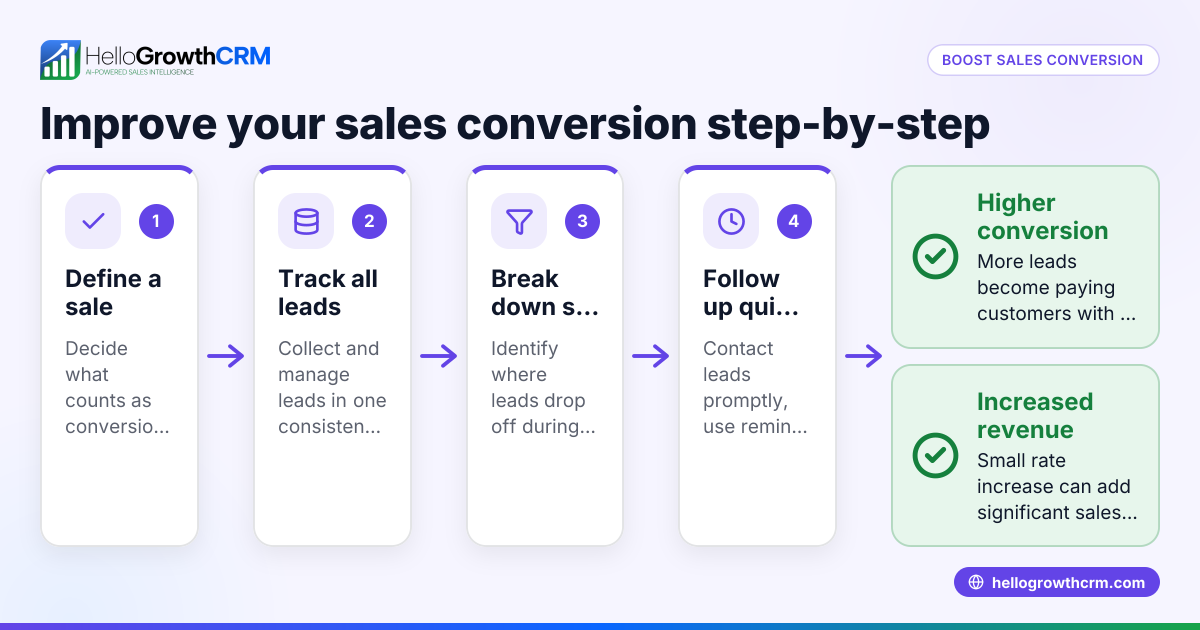
A conversion optimiser focuses on improving how many potential customers become actual customers by refining your sales or marketing approach. For small-business owners who juggle multiple tasks and rely on manual processes like spreadsheets, slow follow-up, or scattered communication channels, conversion optimisation can directly increase revenue and reduce lost leads.
Why this comes up / what goes wrong
Many small businesses lose sales because they do not follow up quickly or consistently with leads. Sales efforts spread over email, text messages, and manual tracking often result in missed opportunities. Without a clear system to prioritise leads and guide them through the sales pipeline, potential customers drop off before completing a purchase or booking.
Owners search for "conversion optimiser" when they want to understand how to systematically improve their sales results, especially when current methods feel inefficient or ineffective. The goal is to find practical ways to capture more leads, engage them promptly, and close deals faster.
Step-by-step
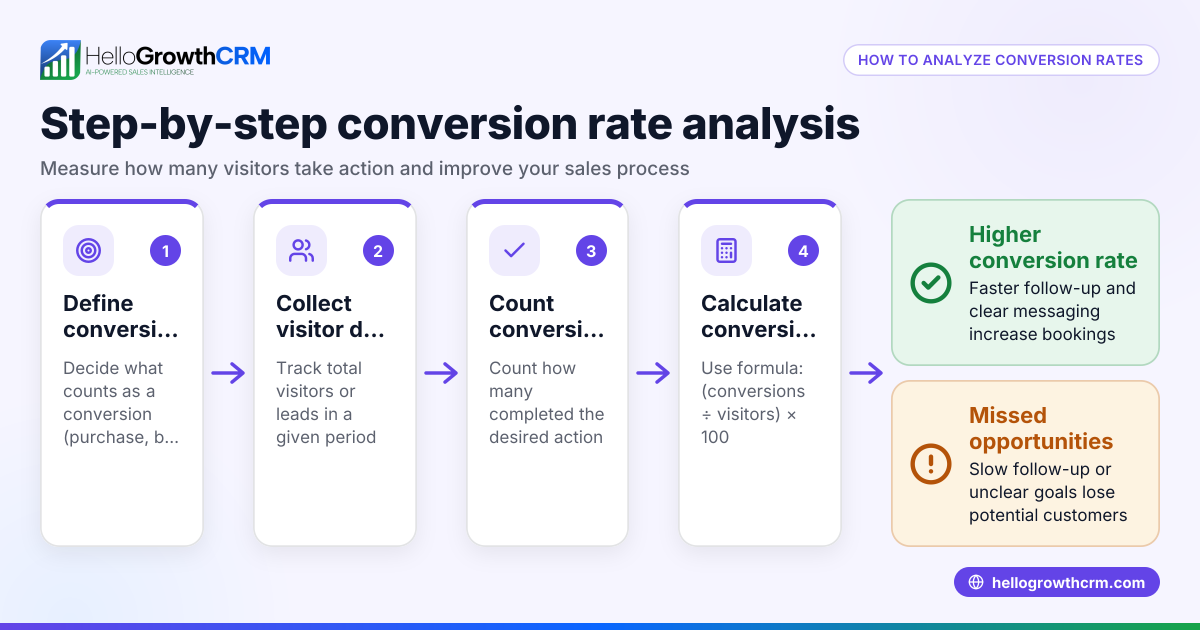
- Identify your key conversion goal. Decide what action you want most visitors or leads to take—such as scheduling an appointment, requesting a quote, or completing a purchase. This focus guides all optimisation efforts.
- Map your current sales process. Write down each step your leads go through from first contact to sale. Note where leads drop off or slow down.
- Gather data on lead behavior. Track how leads find you, how long they take to respond, and which communication channels work best.
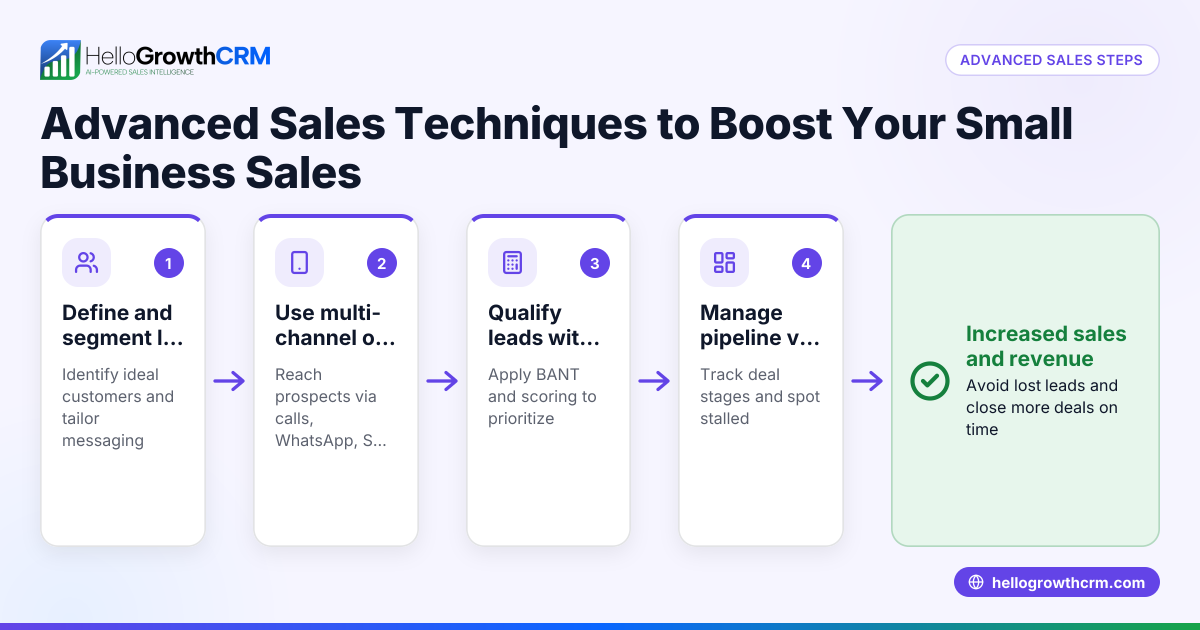
- Prioritise leads with the highest chance to convert. Develop criteria to score leads based on interest level, budget, or readiness to buy.
- Speed up follow-up. Implement a system to contact leads quickly after they express interest, ideally within minutes or hours.
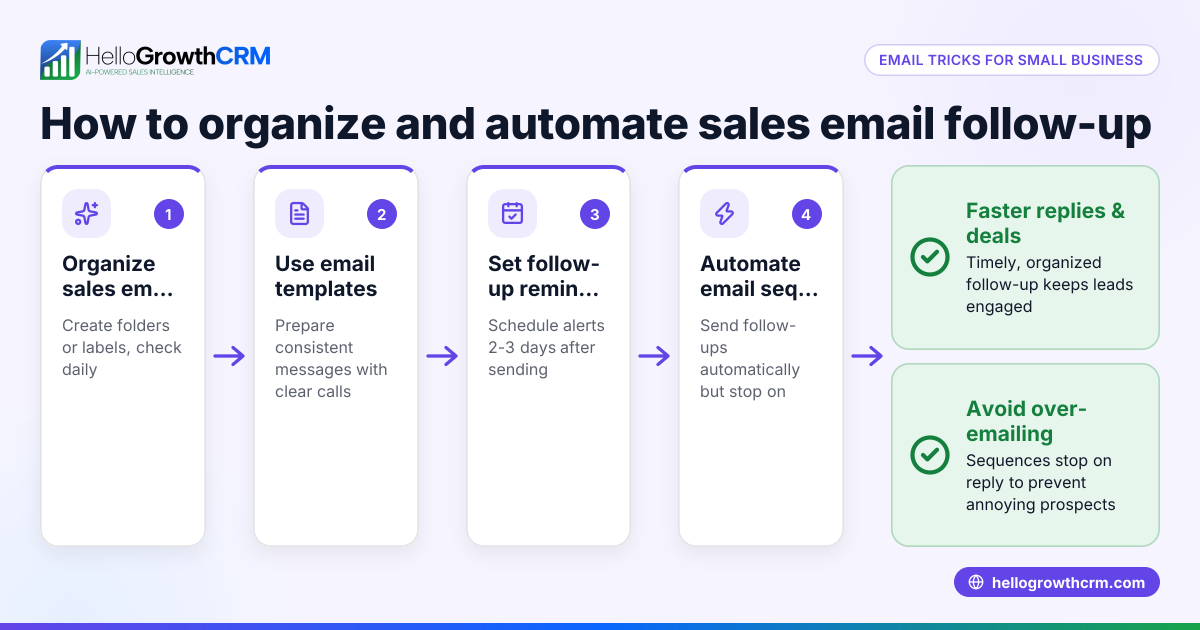
- Use consistent messaging. Prepare templates for emails, texts, or calls to ensure clear, professional communication.
- Test and measure changes. Try different approaches to see what improves conversion rates, such as adjusting messaging or timing.
- Automate repetitive tasks where possible. Use tools that integrate lead capture, follow-up sequences, and task reminders to reduce manual work.
- Review and refine regularly. Schedule weekly or monthly reviews of your conversion data and processes to identify new improvements.
- Train your team. Make sure everyone involved in sales understands the optimiser strategy and uses the tools consistently.
For managing your sales communication, consider platforms like WhatsApp and SMS CRM or a built-in CRM dialer to streamline outreach.
Example (fictional figures)
A two-location dental practice in Columbus, Ohio, wants to improve patient bookings. They currently convert 10% of inquiries into appointments but want to reach 15%.
- Total inquiries per month: 500
- Current conversions: 500 × 10% = 50 appointments
- Target conversions: 500 × 15% = 75 appointments
Steps they take:
- Identify drop-off point: many inquiries don’t get a follow-up call within 24 hours.
- Implement faster follow-up: reduce response time to under 4 hours.
- Use consistent call scripts and SMS reminders.
After 3 months:
- New conversion rate: 15%
- New appointments: 500 × 15% = 75
- Increase in appointments: 75 - 50 = 25 more per month
This increase means more revenue without increasing marketing spend.
Common mistakes
- Ignoring lead prioritisation. Treating all leads equally wastes time. Prevent this by scoring leads based on clear criteria.
- Delaying follow-up. Slow responses cause lost sales. Set reminders or use CRM tools to follow up quickly.
- Inconsistent communication. Mixed messages confuse leads. Use templates and train your team.
- Relying solely on manual tracking. Spreadsheets and notes lead to errors. Adopt a system that consolidates leads and tasks.
- Failing to measure results. Without tracking, you can’t know what works. Use simple metrics and review regularly.
Frequently asked questions
What exactly does a conversion optimiser do? A conversion optimiser improves the rate at which leads take desired actions, such as buying or booking. It involves analysing your sales process, prioritising leads, speeding up follow-up, and testing different approaches to increase conversions.
Can a small business do conversion optimisation without expensive software? Yes. While software can help automate and track, small businesses can start by mapping their sales steps, setting follow-up rules, and using templates. Over time, adopting tools like a CRM with integrated messaging can improve efficiency.
How quickly should I follow up with leads? The faster, the better. Ideally, contact leads within minutes to a few hours after they show interest. Quick follow-up increases the chance of conversion significantly.
What’s the difference between lead scoring and conversion optimisation? Lead scoring ranks leads by their likelihood to buy, helping you focus efforts. Conversion optimisation uses lead scoring plus other tactics like messaging and timing to increase actual sales.
How can I track if conversion optimisation is working? Measure your conversion rate before and after changes. Track metrics like number of leads, follow-up speed, and sales closed. Regular reviews help identify what’s effective.
For more on managing leads and communication efficiently, see HelloGrowthCRM for the United States.
Key takeaways
- A conversion optimiser helps increase the percentage of leads who become customers.
- Prioritising leads and speeding up follow-up are critical steps.
- Consistent messaging and regular measurement improve results.
- Avoid manual tracking errors by using tools that consolidate leads and tasks.
- Training your team on the process ensures consistent execution.
Start improving your conversion rates today. Start on the Free Forever plan (200 leads, no credit card).
Ready to put this into practice?
Set up your pipeline, WhatsApp follow-ups, and AI lead scoring in minutes — free, no credit card.
Try HelloGrowthCRM freeGet CRM tips in your inbox
Join thousands of sales professionals who get weekly insights on CRM strategy, AI automation, and pipeline optimization.

The HelloGrowthCRM team publishes guides on CRM strategy, AI sales tools, and revenue operations for small business sales teams.