HelloGrowthCRM software
Built for real small-business sales teams
HelloGrowthCRM helps reps qualify faster, follow up on time, and close more deals—with practical automation in one place.
- AI lead scoring and pipeline visibility
- Built-in dialer, WhatsApp, and email automation
- Sales forecasting and RevOps-ready reporting
Creative ways to increase revenue include diversifying your product or service offerings, optimizing pricing strategies, leveraging digital marketing channels, and improving customer retention. This article covers why increasing revenue creatively matters, step-by-step actions to take, a detailed example with numbers, common mistakes to avoid, and answers to frequently asked questions.
Why this comes up / what goes wrong
Many small-business owners find themselves stuck with stagnant sales or slow growth despite steady effort. They may rely too heavily on existing customers or a limited product line, miss opportunities to upsell or cross-sell, or fail to follow up quickly on leads. Running sales through disconnected tools like text messages, email, and spreadsheets can cause slow responses and lost deals. Without a clear plan to creatively increase revenue, businesses risk losing market share and falling behind competitors. This situation often arises because the business lacks a structured approach to identifying new revenue streams or optimizing existing ones.
Step-by-step
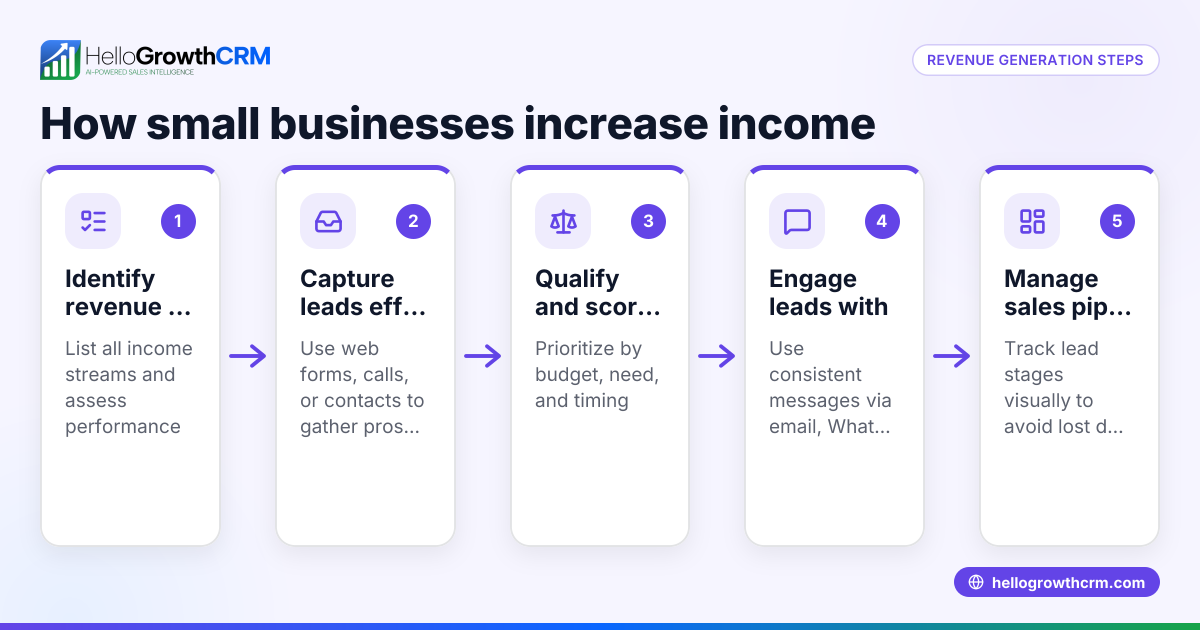
- Analyze your current revenue streams: Identify which products or services bring in the most revenue and which underperform. Check customer feedback and sales data for trends. Understanding where your money currently comes from helps you focus on areas with the highest potential.
- Expand or bundle offerings: Introduce complementary products or services, or create bundles that offer more value and encourage larger purchases. For example, if you sell a product, add related accessories or services that enhance the customer experience.
- Optimize pricing strategies: Test different pricing models such as tiered pricing, discounts for bulk purchases, or subscription plans. Check competitor pricing and customer willingness to pay. Adjust prices carefully to avoid alienating customers but maximize revenue.
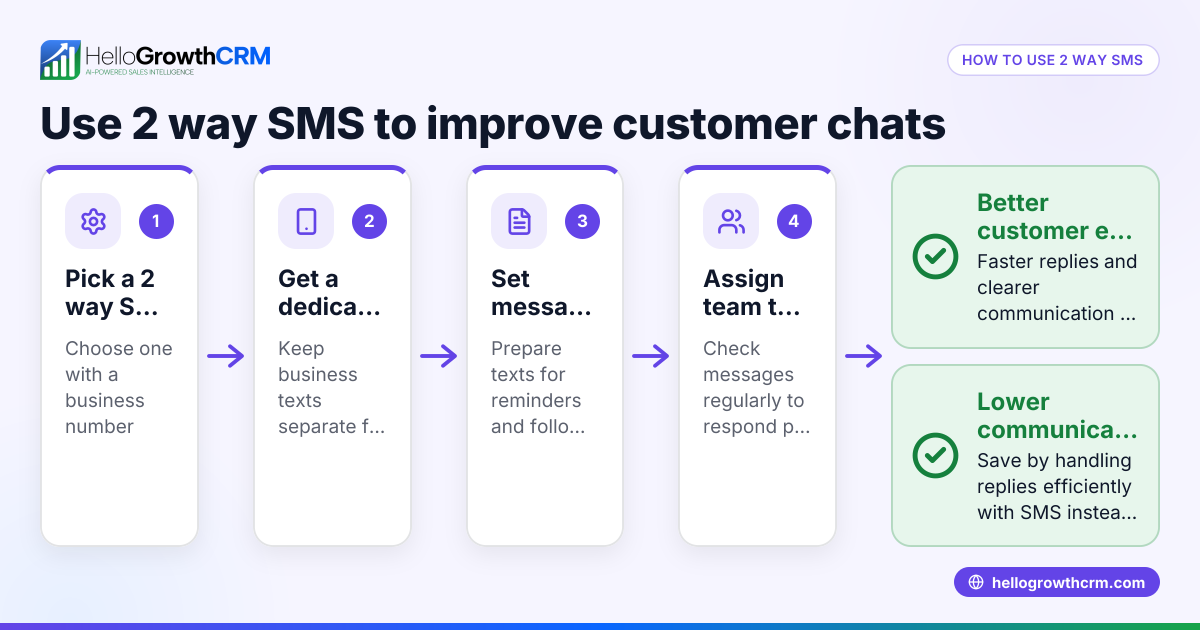
- Enhance lead capture and follow-up: Use web forms, integrations, and quick follow-up sequences via email, WhatsApp, or SMS to engage leads promptly. Track responses and adjust messaging. Fast follow-up increases conversion rates and reduces lost opportunities.
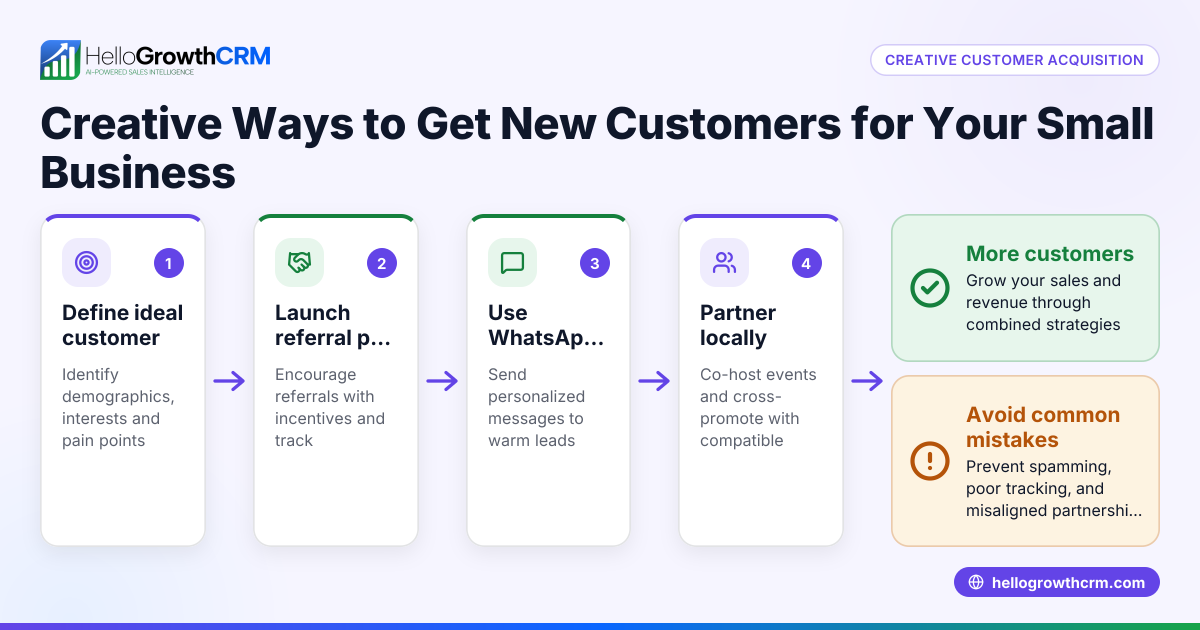
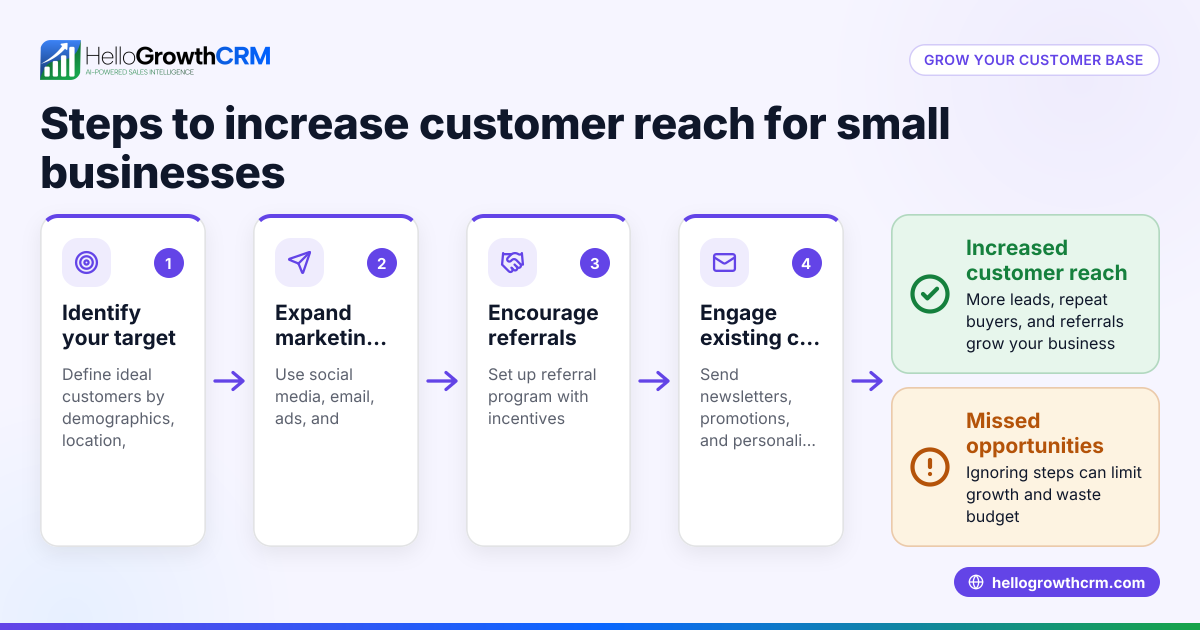
- Use targeted marketing campaigns: Leverage digital channels including social media, email, and messaging apps to reach new and existing customers with personalized offers. Tailored campaigns improve engagement and sales.
- Improve customer retention: Implement loyalty programs, regular check-ins, and post-sale support to encourage repeat business. Retaining customers is often more cost-effective than acquiring new ones.
- Monitor sales forecasting and reporting: Regularly review sales forecasts and reports to identify growth opportunities or areas needing attention. This helps adjust strategies in real time. For sales forecasting, see sales forecasting.
- Train your sales team on new approaches: Ensure your inside-sales teams understand new pricing, bundles, and follow-up sequences to maintain consistency and effectiveness.
Example (fictional figures)
A residential real-estate team in Phoenix, Arizona, wants to increase revenue creatively over the next quarter starting 07/01/2026.
- Current quarterly revenue: $1,000,000
- Step 1: Analyze shows 60% from home sales, 40% from rentals.
- Step 2: Introduce a bundled service offering home staging plus listing promotion, priced at $5,000 per client.
- Step 3: Price testing shows clients accept a 10% premium for bundled service.
- Step 4: Improve lead follow-up with WhatsApp and SMS sequences, increasing lead conversion by 15% (assumed).
Calculations:
- Current home sales revenue: $1,000,000 × 60% = $600,000
- Expected new bundled service clients: 20 clients × $5,000 = $100,000
- Revenue increase from improved lead conversion: $600,000 × 15% = $90,000
- Total projected revenue: $1,000,000 + $100,000 + $90,000 = $1,190,000
By introducing a bundled service and improving lead follow-up, the team projects a $190,000 increase in revenue.
Common mistakes
- Ignoring customer feedback: Prevent this by regularly surveying customers and adjusting offerings accordingly. Customer input reveals what adds value and what does not.
- Overcomplicating pricing: Keep pricing clear and simple to avoid confusing customers. Complex pricing can deter purchases.
- Slow lead response times: Use automated sequences on WhatsApp and SMS CRM tools to speed up follow-up and avoid lost leads. Learn more about WhatsApp and SMS CRM.
- Failing to track results: Use sales forecasting and reporting tools to monitor what works and pivot as needed. Without tracking, you won’t know which strategies increase revenue. See sales forecasting.
- Neglecting team training: Prevent inconsistent messaging by regularly training sales teams on new strategies. Consistency builds trust and improves close rates.
Frequently asked questions
What are some innovative pricing strategies for small businesses? Innovative pricing strategies include tiered pricing, subscription models, dynamic pricing based on demand, and bundling products or services. Testing these helps find what customers value most and are willing to pay for.
How can digital marketing increase revenue creatively? Digital marketing allows precise targeting through social media, email, and messaging apps. Personalized campaigns and sequences can nurture leads and encourage repeat sales, increasing revenue without large advertising spends.
Why is fast lead follow-up important? Fast lead follow-up increases the chance of conversion by engaging potential customers when their interest is highest. Delays often result in lost leads and missed revenue opportunities.
How does sales forecasting help increase revenue? Sales forecasting provides a data-driven view of expected sales, helping businesses plan inventory, staffing, and marketing efforts effectively. It identifies trends and potential gaps early, allowing timely adjustments. See more on sales forecasting.
Can bundling products really boost revenue? Yes, bundling increases perceived value and encourages customers to buy more at once. It can also introduce customers to services they might not have tried otherwise.
What tools can help improve lead follow-up speed? Tools that integrate WhatsApp and SMS messaging with CRM systems automate follow-ups, ensuring leads receive timely responses. This reduces lost opportunities and supports consistent communication. Learn about WhatsApp and SMS CRM.
Key takeaways
- Analyze current revenue streams to find growth opportunities.
- Expand offerings and optimize pricing to increase average sale size.
- Use fast, targeted lead follow-up with WhatsApp and SMS CRM tools.
- Track sales performance with forecasting and reporting to adjust strategies.
- Avoid common mistakes like ignoring feedback and slow lead response.
- Train your sales team consistently on new revenue-increasing methods.
Start increasing your revenue creatively today by organizing your sales efforts and following these steps. To get started without risk, Start on the Free Forever plan (200 leads, no credit card).
Ready to put this into practice?
Set up your pipeline, WhatsApp follow-ups, and AI lead scoring in minutes — free, no credit card.
Try HelloGrowthCRM freeGet CRM tips in your inbox
Join thousands of sales professionals who get weekly insights on CRM strategy, AI automation, and pipeline optimization.

The HelloGrowthCRM team publishes guides on CRM strategy, AI sales tools, and revenue operations for small business sales teams.