HelloGrowthCRM software
Built for real small-business sales teams
HelloGrowthCRM helps reps qualify faster, follow up on time, and close more deals—with practical automation in one place.
- AI lead scoring and pipeline visibility
- Built-in dialer, WhatsApp, and email automation
- Sales forecasting and RevOps-ready reporting
Customer experience in logistics means making every interaction with your business—from order placement to delivery and after-sales support—easy, clear, and satisfying for your customers. This includes providing timely updates on shipments, resolving issues quickly, and maintaining transparent communication. Improving customer experience reduces complaints, builds trust, and encourages repeat business.
Why this comes up / what goes wrong
Logistics business owners and accountants in the US often struggle with customer experience because shipments can be delayed, communication can be inconsistent, and service requests may become disorganized. Customers frequently complain about not knowing where their shipment is or having to repeat their issue multiple times. Without a centralized system that links all customer interactions and service requests to the shipment or customer record, teams can lose track of problems. This leads to slower resolutions, damaged reputation, and lost revenue.
Step-by-step
- Map the customer journey: Identify every customer touchpoint from order confirmation, shipment dispatch, transit updates, delivery, to post-delivery support. Check where customers typically ask questions or report issues.
- Set clear communication protocols: Decide how and when to update customers—for example, via email, SMS, or WhatsApp. Ensure your team consistently follows these protocols.
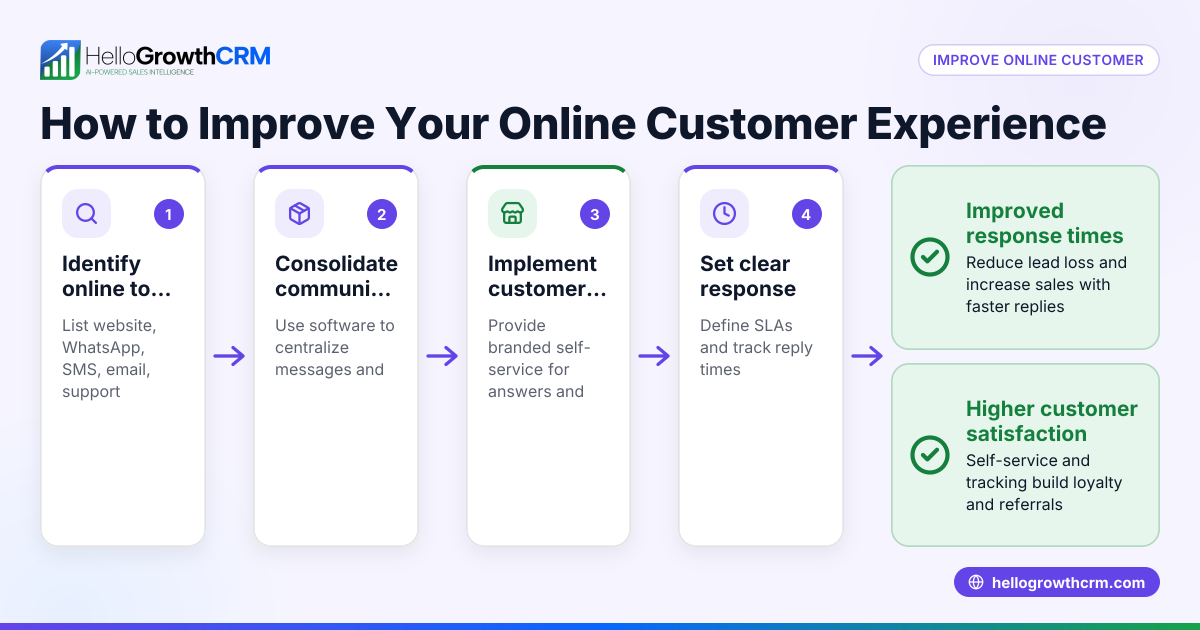
- Implement a centralized system to track service requests: Use a tool that records all customer interactions and support tickets under the same shipment or customer record to avoid lost or duplicated information.
- Train your team on responsiveness: Measure response times to customer inquiries and complaints. Set targets and provide training to improve these metrics.
- Gather feedback regularly: Use surveys, follow-up calls, or direct feedback to understand customer pain points and improve processes.
- Monitor customer health scores: Track satisfaction and engagement metrics to spot at-risk customers early. Learn more about customer health score.
- Encourage referrals and repeat business: Set up a referral program that rewards satisfied customers, enhancing loyalty and expanding your customer base.
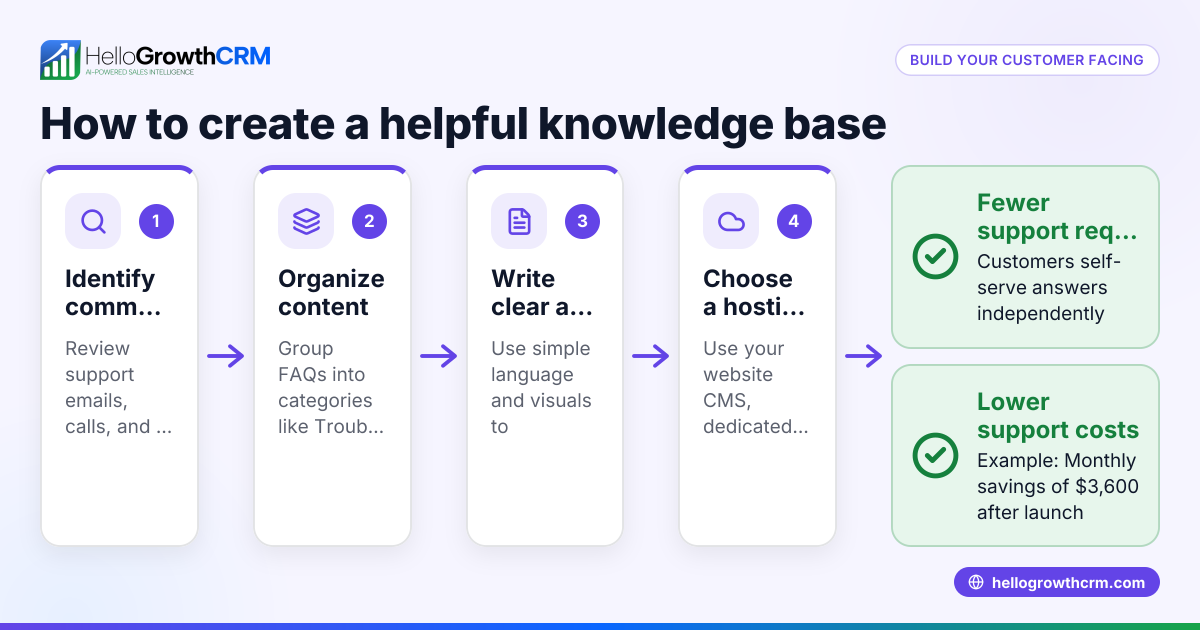
- Use knowledge bases and self-service portals: Provide customers with easy access to FAQs and support resources to reduce repetitive inquiries and empower customers to find answers quickly.
Example (fictional figures)
LogiFast Transporters is a mid-sized logistics company based in Phoenix, Arizona. They handle 1,200 shipments per month and currently face an 8% complaint rate due to delivery delays and communication issues.
Before improvements:
1,200 shipments × 8% complaints = 96 complaints per month
LogiFast implements a customer portal and ticket system to track issues and improve communication. After these changes, complaints drop to 4%.
After improvements:
1,200 shipments × 4% complaints = 48 complaints per month
Reduction in complaints:
96 complaints - 48 complaints = 48 fewer complaints per month
This reduction saves time and resources in handling complaints and improves customer retention.
Common mistakes
- Ignoring communication gaps: Prevent this by setting clear communication protocols and using tools that log all customer contact.
- Separating service requests from sales records: Prevent by using systems that keep tickets and service requests linked to the same customer record.
- Not training staff on customer experience importance: Prevent by providing regular training and monitoring response times.
- Failing to collect feedback: Prevent by scheduling regular customer surveys and follow-ups.
- Overcomplicating self-service options: Prevent by keeping customer portals simple and user-friendly.
- Not tracking customer satisfaction over time: Prevent by using customer health scores to identify issues early.
Doing this in HelloGrowthCRM
HelloGrowthCRM offers a branded self-service customer portal where your customers can track shipments and submit support tickets. After the sale, all service requests stay linked on the same customer record as the deal, giving your team full context. You can also manage referrals and maintain a knowledge base to provide quick answers. This centralized approach helps logistics businesses maintain smooth, transparent customer experience. Learn more about HelloGrowthCRM for the United States at hellogrowthcrm.com/usa.
Frequently asked questions
What is the biggest challenge in improving customer experience in logistics? The biggest challenge is maintaining clear and timely communication throughout the shipping process and resolving issues quickly. Centralized tracking and customer portals help overcome this.
How can logistics companies measure customer experience effectively? By tracking customer health scores and collecting regular feedback through surveys or support tickets, companies gain measurable insights into satisfaction and areas needing improvement. See customer health score.
Why is linking service requests to customer records important? It ensures your team has full context of past interactions, enabling faster issue resolution without repeating questions or losing track of complaints.
Can self-service portals reduce support workload? Yes, by allowing customers to access FAQs and submit tickets directly, portals reduce repetitive calls and emails, improving efficiency.
How do referral programs improve customer experience? Referral programs incentivize satisfied customers to recommend your service, increasing loyalty and trust.
What should a small logistics business focus on first to improve customer experience? Start by mapping the customer journey and setting clear communication protocols, then implement a system to track all interactions in one place. See more about Transporters and logistics.
Key takeaways
- Map and understand every customer touchpoint in your logistics process.
- Use centralized tools to track service requests linked to customer records.
- Set clear communication standards and train your team on responsiveness.
- Use customer health scores and feedback to monitor satisfaction.
- Provide self-service options and referral programs to enhance loyalty.
- HelloGrowthCRM supports logistics businesses with customer portals, tickets, and referral tracking.
Improving customer experience in logistics builds trust and repeat business. Start managing your customer interactions more effectively today with HelloGrowthCRM. Start on the Free Forever plan (200 leads, no credit card).
Ready to put this into practice?
Set up your pipeline, WhatsApp follow-ups, and AI lead scoring in minutes — free, no credit card.
Try HelloGrowthCRM freeGet CRM tips in your inbox
Join thousands of sales professionals who get weekly insights on CRM strategy, AI automation, and pipeline optimization.

The HelloGrowthCRM team publishes guides on CRM strategy, AI sales tools, and revenue operations for small business sales teams.