HelloGrowthCRM software
Built for real small-business sales teams
HelloGrowthCRM helps reps qualify faster, follow up on time, and close more deals—with practical automation in one place.
- AI lead scoring and pipeline visibility
- Built-in dialer, WhatsApp, and email automation
- Sales forecasting and RevOps-ready reporting
Customer perceived value is the importance or benefit a customer believes they receive from a product or service compared to what they pay for it. It is subjective and depends on how well your offering meets their needs, expectations, and preferences. For UK small-business owners, knowing how customers perceive value helps tailor your sales approach and improve retention.
Why this comes up / what goes wrong
Small-business owners often struggle to grow sales because they don’t fully understand what their customers value. They might focus on price alone or assume features matter most, while customers weigh benefits, convenience, trust, and emotional factors. Without clear insight, you risk losing leads to competitors who better communicate value or follow up faster. Running sales on WhatsApp, email, and spreadsheets can also scatter customer data, making it harder to track perceived value and respond effectively.
Step-by-step
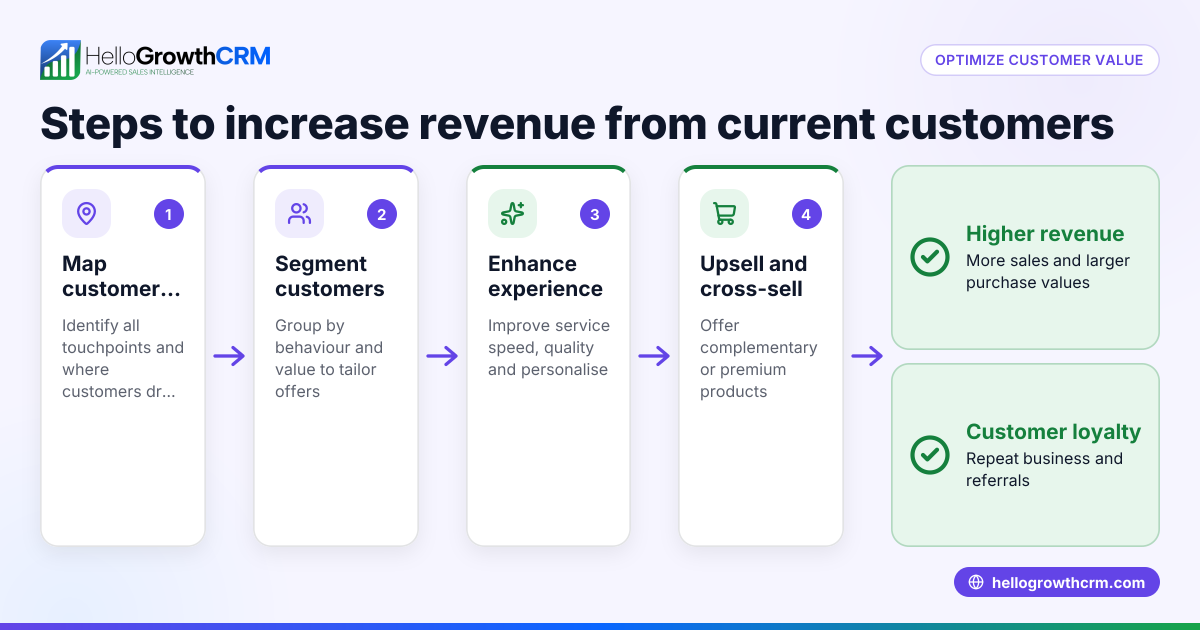
- Identify your customer segments: Group customers by needs, industry, size, or behaviour. Check if your product benefits vary for each segment.
- List the benefits your product or service offers: Include functional, emotional, and social benefits. Check if these match what customers actually want.
- Gather customer feedback: Use surveys, interviews, or informal chats to learn what customers value most. Check for recurring themes or pain points.
- Evaluate your pricing against perceived benefits: Check if customers feel the price is fair for the value they receive. Adjust pricing or highlight benefits accordingly.
- Analyse competitors’ offerings and value propositions: Check how your product compares in features, service, and price.
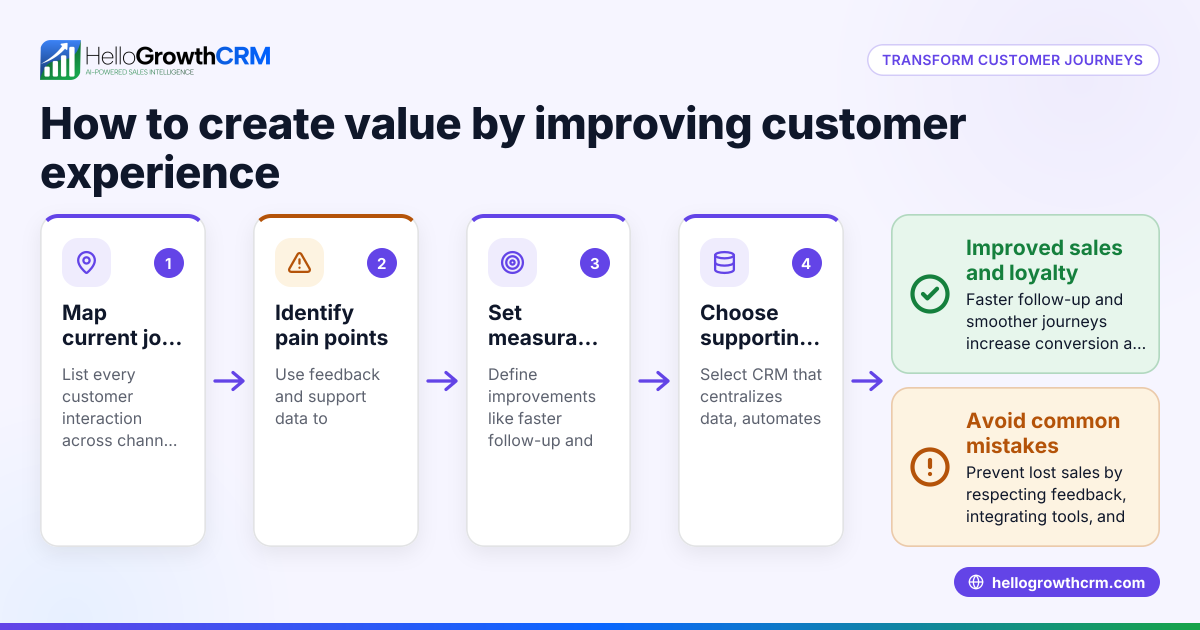
- Map customer touchpoints and experiences: Check if your communication, sales process, and after-sales support reinforce the value you promise.
- Use a customer health score to track satisfaction and engagement over time: This helps identify if perceived value changes and where to improve customer health score.
- Implement a CRM system that centralises customer data and interactions: This ensures you follow up promptly and personalise communication, especially if you use WhatsApp and SMS WhatsApp and SMS CRM.
Example (fictional figures)
An accountancy practice in Birmingham wants to understand customer perceived value to improve retention. They surveyed clients and found that clients value quick response times and clear advice more than price cuts.
- Current average price per client annually: £2,500
- Clients rate response time as 8/10, advice clarity as 7/10
- Competitor offers slightly lower price (£2,300) but slower response (5/10)
The practice decides to emphasise fast, clear communication and improve response time from 8 to 9.
- Expected increase in client retention: 10%
- Current clients: 100
- Additional retained clients: 100 × 10% = 10
Revenue from retained clients: 10 × £2,500 = £25,000
This shows improving perceived value through service can increase revenue more than lowering price.
Common mistakes
- Focusing only on price: Customers weigh benefits and experience too. Prevent this by highlighting unique benefits and improving service.
- Ignoring customer feedback: Without listening, you miss what truly matters. Prevent by regularly surveying and engaging customers.
- Scattered customer data: Using WhatsApp, email, and spreadsheets separately causes delays and errors. Prevent by centralising data in a CRM.
- Neglecting after-sales service: Value continues after purchase. Prevent by tracking service requests on the same customer record to maintain continuity.
- Overcomplicating value communication: Customers want clear, simple messages. Prevent by focusing on key benefits and outcomes.
Doing this in HelloGrowthCRM
HelloGrowthCRM helps you manage customer perceived value by keeping all service requests, tickets, and referrals on the same customer record as the deal. Its branded self-service customer portal lets customers raise support tickets easily, while the knowledge base offers quick answers. This continuity improves your ability to respond promptly and maintain value perception after the sale. Learn more about HelloGrowthCRM for the United Kingdom HelloGrowthCRM for the United Kingdom.
Frequently asked questions
What is the difference between customer perceived value and customer satisfaction? Customer perceived value is the customer's overall evaluation of the benefits versus costs of a product or service before or during purchase. Customer satisfaction is how well the product or service meets or exceeds expectations after use. Both influence loyalty but focus on different stages.
How can I measure customer perceived value effectively? You can measure it by gathering direct feedback through surveys or interviews, analysing customer behaviour, and tracking customer health scores. Combining qualitative and quantitative data gives the clearest picture.
Why is customer perceived value important for small businesses? It helps you understand what drives customers to choose your product over competitors, enabling you to tailor marketing, pricing, and service. This leads to better lead conversion and customer retention.
How does using a CRM improve perceived value? A CRM centralises customer communication and data, allowing faster, personalised responses. It also tracks service requests on the same customer record, maintaining a seamless experience that boosts perceived value.
Can improving customer perceived value increase referrals? Yes. When customers feel they get good value, they are more likely to recommend your business to others. HelloGrowthCRM supports referral programme tracking to help you manage and benefit from referrals.
Key takeaways
- Customer perceived value is the customer's assessment of benefits versus cost.
- Understanding it requires gathering customer feedback and analysing competitor offers.
- Avoid focusing only on price or neglecting after-sales service.
- Use a CRM to centralise customer data and track service requests for continuity.
- Improving perceived value can increase retention, referrals, and revenue.
Start improving your customer perceived value today with HelloGrowthCRM. You can start on the Free Forever plan (200 leads, no credit card) at Start on the Free Forever plan (200 leads, no credit card).
Ready to put this into practice?
Set up your pipeline, WhatsApp follow-ups, and AI lead scoring in minutes — free, no credit card.
Try HelloGrowthCRM freeGet CRM tips in your inbox
Join thousands of sales professionals who get weekly insights on CRM strategy, AI automation, and pipeline optimization.

The HelloGrowthCRM team publishes guides on CRM strategy, AI sales tools, and revenue operations for small business sales teams.