HelloGrowthCRM software
Built for real small-business sales teams
HelloGrowthCRM helps reps qualify faster, follow up on time, and close more deals—with practical automation in one place.
- AI lead scoring and pipeline visibility
- Built-in dialer, WhatsApp, and email automation
- Sales forecasting and RevOps-ready reporting
Customer service hospitality means delivering consistent, helpful, and timely support to guests in hotels or other hospitality businesses. It requires managing guest inquiries, complaints, and requests smoothly to ensure a positive experience that encourages repeat visits and good reviews. This article explains why hospitality businesses face customer service challenges, outlines clear steps to improve service, provides a worked example, highlights common mistakes, and shows how HelloGrowthCRM’s customer portal and ticketing can help.
Why this comes up / what goes wrong
Hospitality business owners and accountants often find customer service challenging because guests expect fast and personalized attention. Hotels and similar businesses juggle many guest requests, from booking changes to maintenance issues, often communicated by phone, email, or text. Without a centralized system, important requests get lost or delayed, leading to unhappy guests and lost revenue. Accountants may also struggle to link service issues to billing or sales records, complicating reporting and follow-up.
Step-by-step
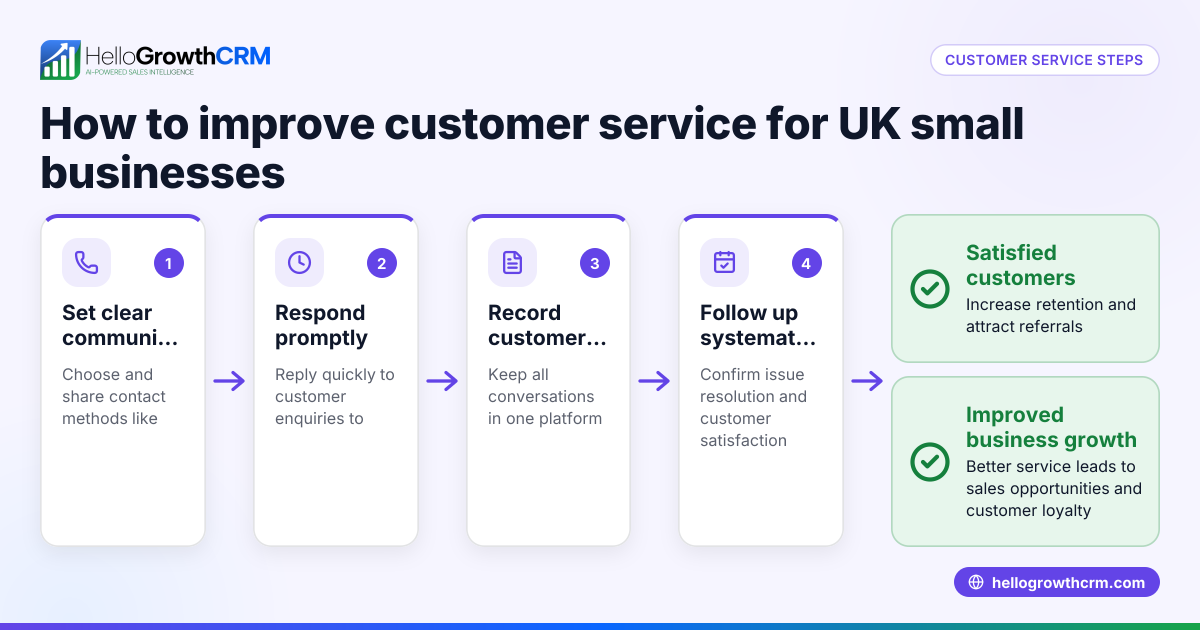
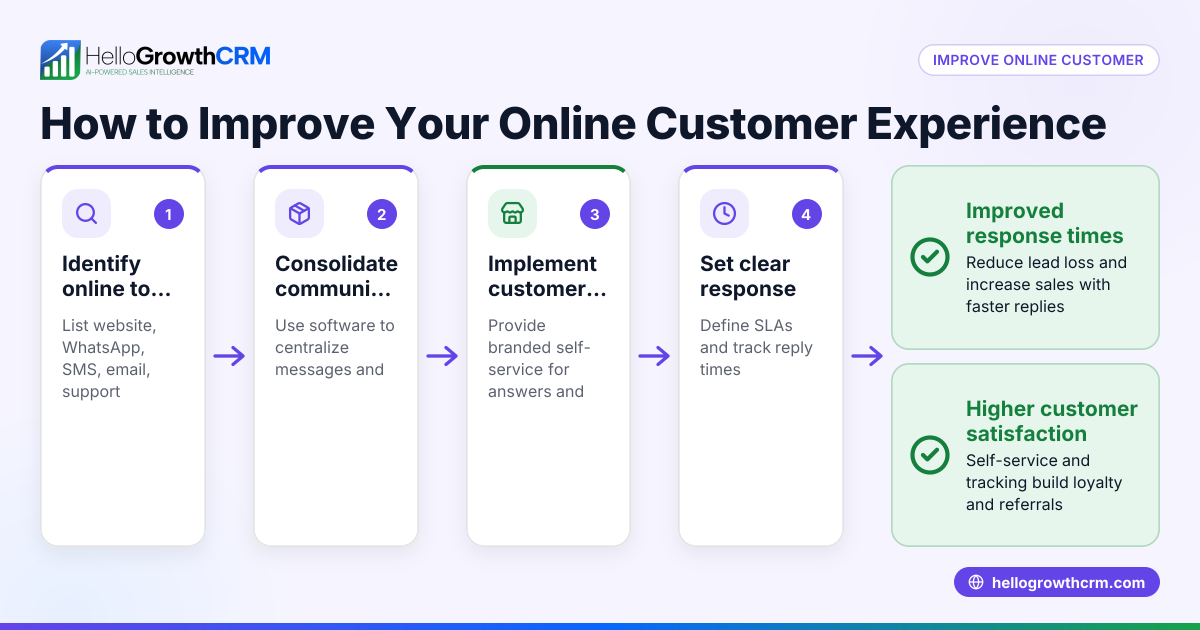
- Centralize guest communication: Use a system that collects all guest messages—phone, email, WhatsApp, SMS—in one place. Check that no message is missed or duplicated.
- Track service requests on guest records: Assign each request or complaint to the guest’s profile to keep a full history. Verify that requests are linked to bookings or deals.
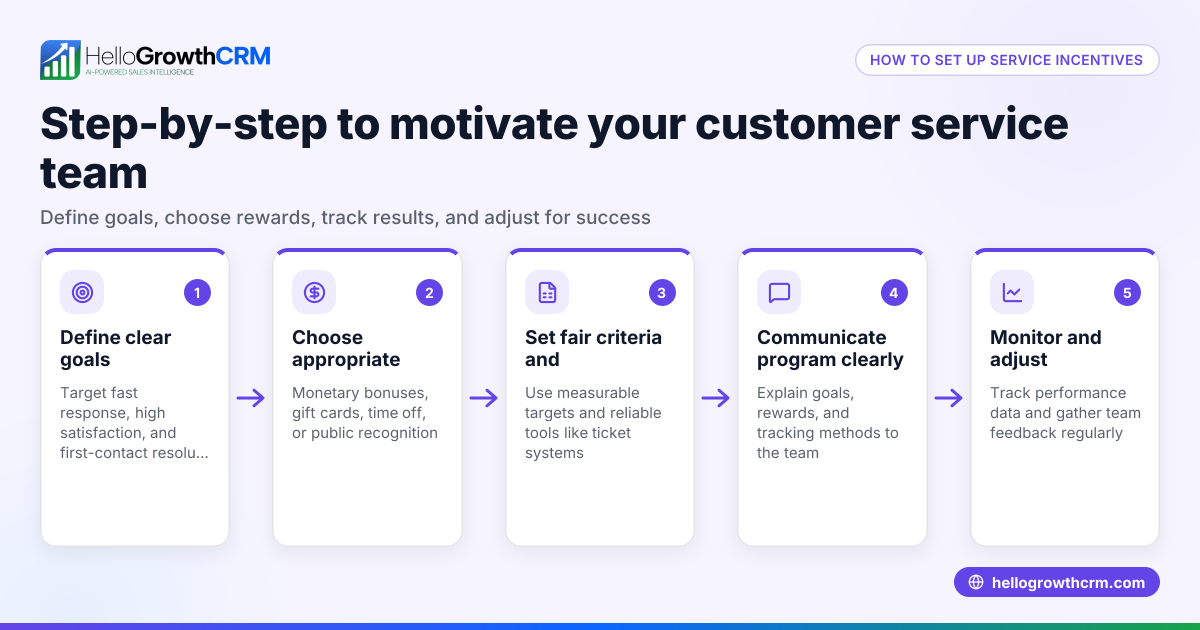
- Set response time goals: Define how quickly staff should respond to common requests (e.g., room service within 30 minutes). Monitor adherence to these goals.
- Use a knowledge base for common issues: Create a reference library of FAQs and solutions so staff can answer quickly. Check that the knowledge base is updated regularly.
- Implement a referral program for guest feedback: Encourage satisfied guests to refer others. Track referrals and follow up promptly.
- Train staff on communication skills: Ensure every team member understands the importance of empathy and clarity. Review training effectiveness periodically.
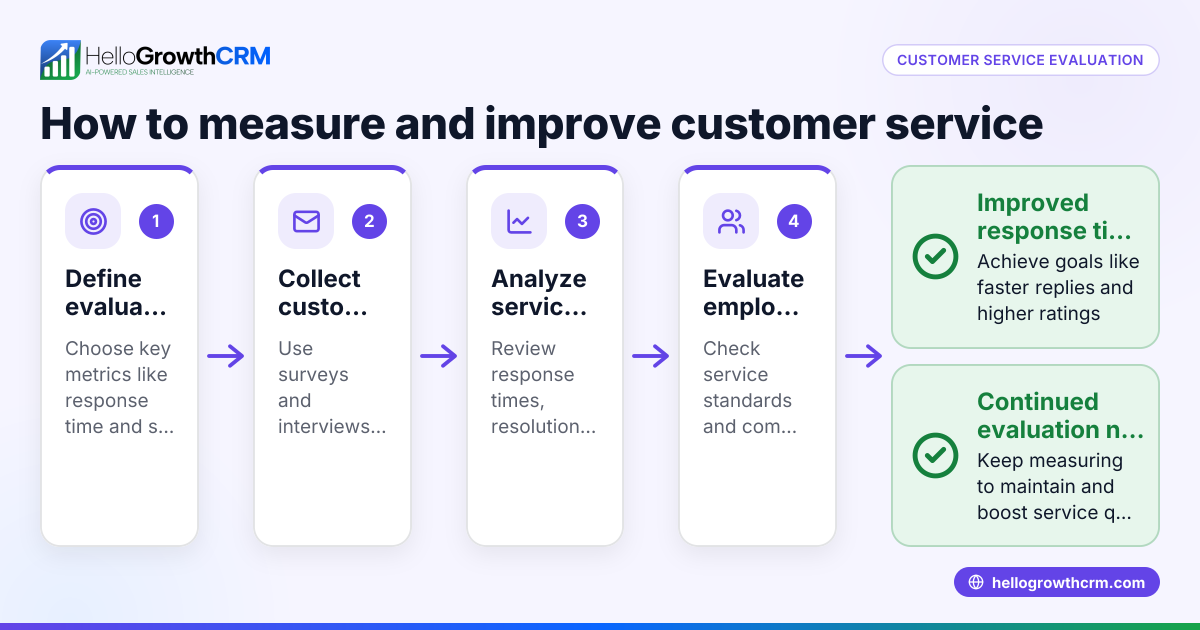
- Monitor customer health score: Regularly assess guest satisfaction and service quality metrics to spot issues early. See customer health score for tools.
- Link service to sales and accounting: Coordinate with accounting to ensure service costs and guest billing align. Confirm that reports reconcile service activity with revenue.
Example (fictional figures)
Sunrise Suites, a 50-room hotel in Phoenix, Arizona, wants to improve customer service response times and track requests better. In January 2026, they handled 300 guest service requests.
- Average response time was 45 minutes, but the goal is 30 minutes.
- Each delayed request risks losing $50 in guest goodwill (estimated).
Calculations: 300 total requests × 0.40 (assumed 40% delayed) = 120 delayed requests 120 delayed requests × $50 goodwill loss = $6,000 potential loss
Sunrise Suites invests in a customer portal and ticket system to reduce delays by half.
New expected delayed requests: 120 delayed requests × 0.50 (50% reduction) = 60 delayed requests
New potential loss: 60 delayed requests × $50 = $3,000
Savings: $6,000 original loss - $3,000 new loss = $3,000 saved by improving service
Common mistakes
- Ignoring guest messages from multiple channels: Prevent by centralizing communication in one system.
- Not linking service requests to guest profiles: Prevent by always recording requests on the customer record.
- Failing to set or track response goals: Prevent by defining clear SLAs and monitoring them.
- Lack of staff training on customer service: Prevent by regular training and feedback sessions.
- Overlooking the value of referrals and feedback: Prevent by implementing a referral program and asking for guest reviews.
- Separating service from sales and accounting data: Prevent by integrating service records with billing and sales reports.
Doing this in HelloGrowthCRM
HelloGrowthCRM offers a branded self-service customer portal where guests can submit and track service requests. After the sale, all service tickets stay on the same customer record as the deal, making it easy to follow up and resolve issues. The system also supports referrals and a knowledge base for quick answers. Learn more at HelloGrowthCRM for the United States.
Frequently asked questions
What is customer service hospitality? It is the process of managing guest interactions and support in hotels or hospitality businesses to ensure satisfaction and loyalty. It includes handling bookings, complaints, and post-stay follow-up.
How can I improve guest response times? Centralize communication channels, set clear response time goals, use a ticketing system, and train staff on quick and empathetic replies. Monitoring tools like customer health scores help track progress.
Why is linking service requests to sales important? Linking service requests to sales or bookings ensures accurate billing, helps identify costly issues, and improves reporting. It also provides a complete view of the guest relationship.
How does a customer portal help hospitality businesses? A customer portal lets guests submit requests anytime and track progress themselves, reducing phone traffic and speeding resolution. It also keeps requests organized under each guest’s profile.
Can referrals really boost hospitality sales? Yes, referrals from satisfied guests bring new customers at lower acquisition costs. Tracking referrals helps reward promoters and improve marketing.
What is a customer health score? It is a metric that summarizes guest satisfaction and engagement, helping businesses spot unhappy customers early. See customer health score for more.
Key takeaways
- Centralize guest communication to avoid missed requests.
- Always link service tickets to guest profiles and bookings.
- Set and monitor response time goals to improve satisfaction.
- Use a knowledge base and referral program to empower staff and guests.
- Integrate customer service data with sales and accounting for better insights.
- HelloGrowthCRM’s customer portal and ticket system streamline hospitality service management.
To start improving your hospitality customer service, try HelloGrowthCRM’s free plan with up to 200 leads and no credit card required at Start on the Free Forever plan (200 leads, no credit card).
Ready to put this into practice?
Set up your pipeline, WhatsApp follow-ups, and AI lead scoring in minutes — free, no credit card.
Try HelloGrowthCRM freeGet CRM tips in your inbox
Join thousands of sales professionals who get weekly insights on CRM strategy, AI automation, and pipeline optimization.

The HelloGrowthCRM team publishes guides on CRM strategy, AI sales tools, and revenue operations for small business sales teams.