HelloGrowthCRM software
Built for real small-business sales teams
HelloGrowthCRM helps reps qualify faster, follow up on time, and close more deals—with practical automation in one place.
- AI lead scoring and pipeline visibility
- Built-in dialer, WhatsApp, and email automation
- Sales forecasting and RevOps-ready reporting
Dealing with difficult customers means handling their concerns calmly and professionally to resolve issues without escalating conflict. This guide explains why these situations occur, offers clear steps to manage them, outlines frequent errors to avoid, and shows how HelloGrowthCRM features can help you organize customer interactions and follow-ups efficiently.
Why this comes up / what goes wrong
Small-business owners often encounter difficult customers when expectations are unmet, communication breaks down, or misunderstandings happen. For example, a customer might be upset about a delayed product delivery or a billing mistake. Without a clear process, these situations can lead to lost sales, negative reviews, and stress for your team. Many small businesses also struggle to track ongoing issues or follow up properly, which worsens the problem.
Step-by-step
- Stay calm and listen actively: Allow the customer to explain their issue fully without interruption. Confirm your understanding by summarizing their concerns.
- Show empathy and acknowledge feelings: Use phrases like “I understand why you’re upset” to validate their emotions.
- Clarify the problem and gather facts: Ask specific questions to get details and avoid assumptions.
- Offer a solution or alternatives: Present clear next steps or options to resolve the issue.
- Set polite boundaries: If the customer is abusive or unreasonable, calmly explain acceptable communication standards.
- Follow up promptly: Schedule a follow-up to ensure the resolution worked and the customer is satisfied.
- Document the interaction: Record details and outcomes to track recurring issues and improve service.
Check that each step is completed thoroughly before moving to the next. Active listening and clear communication prevent misunderstandings. Using a CRM can help you stay organized and on top of follow-ups — see the AI CRM features for more.
Example (fictional figures)
A two-location dental practice in Columbus, Ohio, had a patient upset about a billing error. The office manager followed these steps:
- Listened to the patient’s concern on 03/15/2026.
- Acknowledged the patient’s frustration.
- Reviewed the billing records and found a duplicate charge of $150.
- Offered to refund the extra $150 and update the patient’s account.
- Explained the refund process and set a follow-up call for 03/20/2026.
- Documented the case in their CRM.
Calculation: $150 (duplicate charge) × 1 = $150 refund $150 refund + $0 (no fees) = $150 total refunded
The refund was processed on 03/18/2026, and the follow-up confirmed the patient’s satisfaction.
Common mistakes
- Reacting emotionally: Prevent by pausing before responding and focusing on facts.
- Interrupting the customer: Prevent by practicing active listening and letting them finish.
- Failing to document issues: Prevent by using a CRM or notes system to track interactions.
- Ignoring follow-ups: Prevent by scheduling reminders and checking back with customers.
- Not setting boundaries: Prevent by calmly explaining acceptable behavior early.
- Overpromising solutions: Prevent by offering realistic, achievable options.
Avoiding these mistakes helps maintain professionalism and customer trust. Tools like HelloGrowthCRM support tracking and reminders to prevent missed follow-ups — learn more on the customer health score page.
Doing this in HelloGrowthCRM
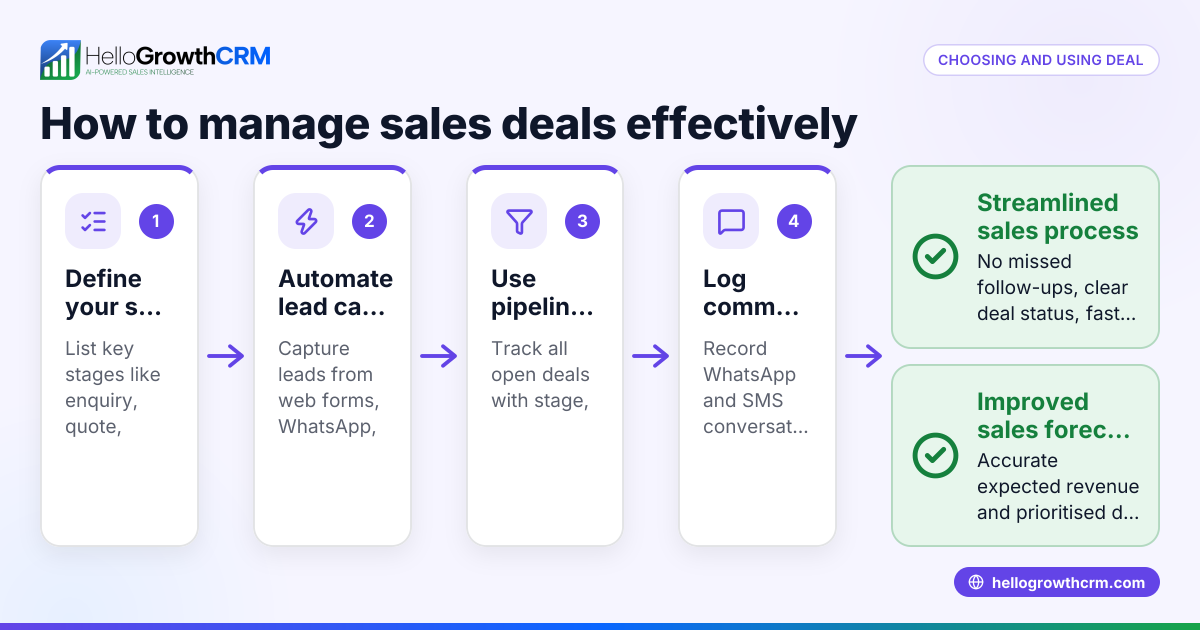
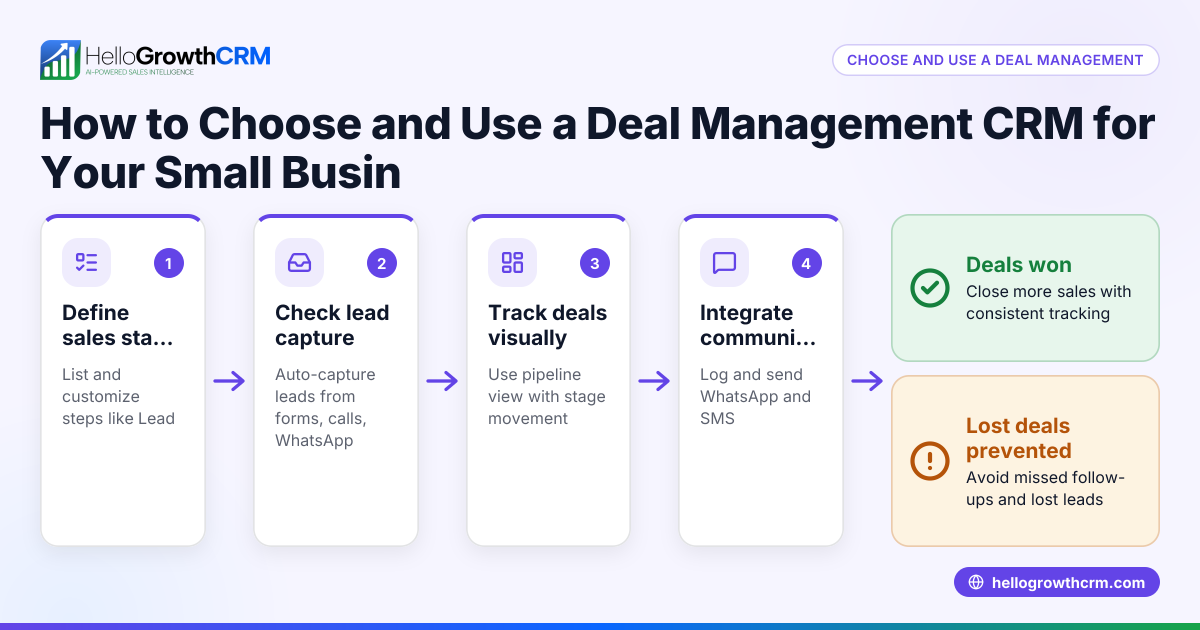
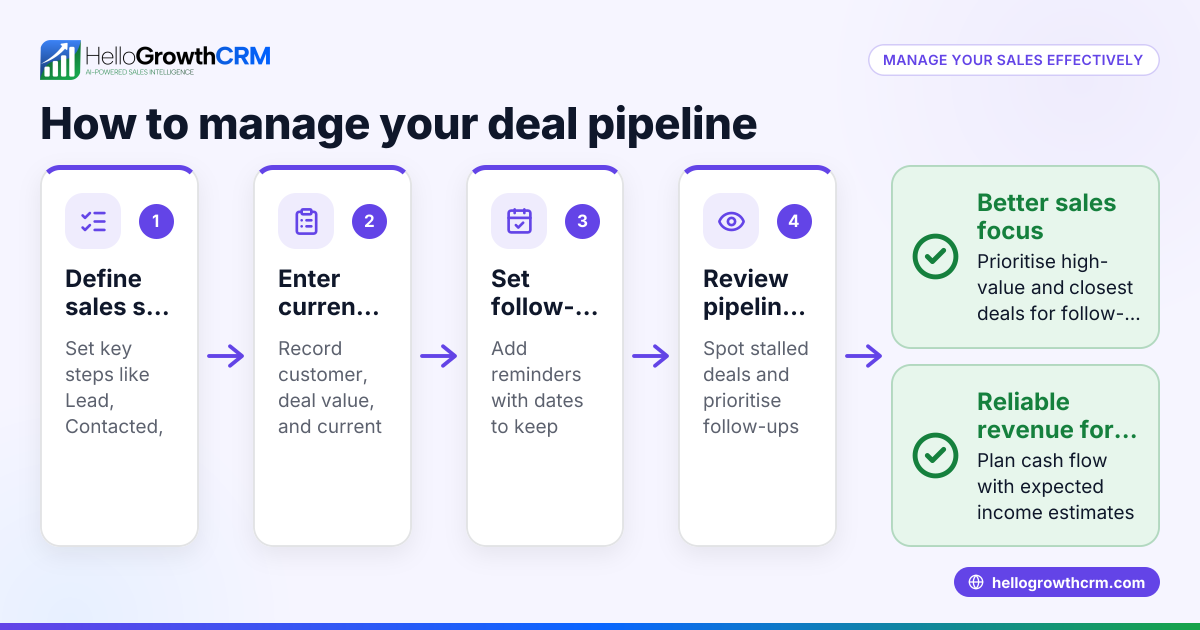
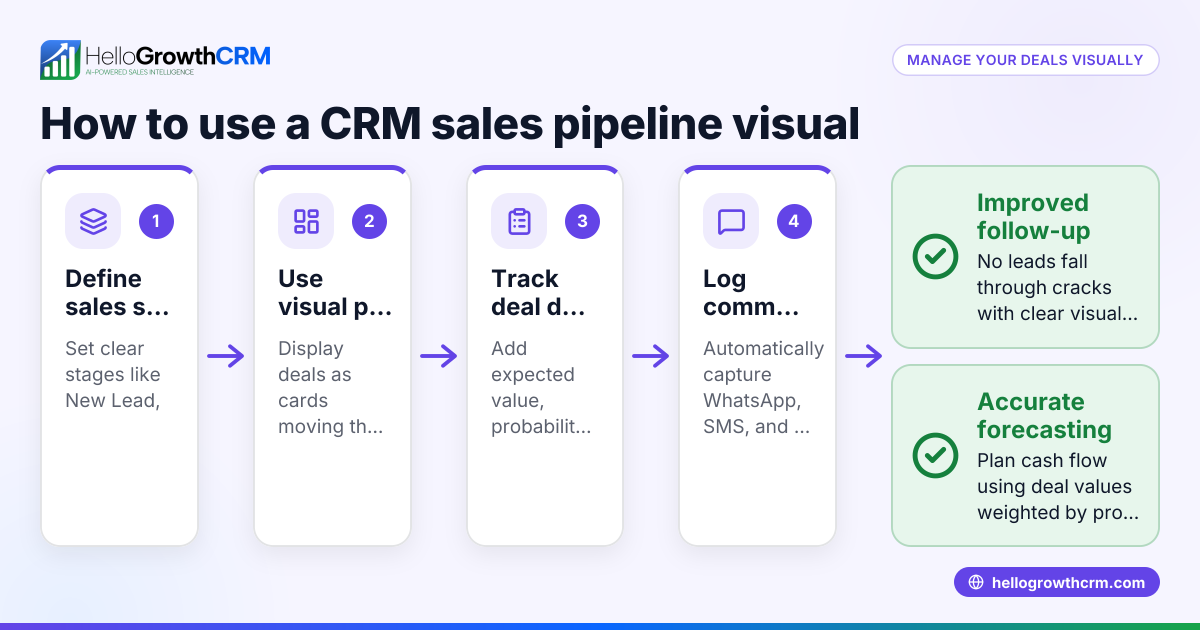
HelloGrowthCRM’s Deals (pipeline) feature lets you track customer issues as deals with stages and follow-up dates, ensuring no concerns are forgotten. For example, a quotation or service request appears as a deal at the 'quote sent' stage with a scheduled follow-up. After the sale, service requests stay linked on the same customer record through the customer portal, referrals, tickets, and knowledge base features. This keeps all customer interactions and support tickets organized in one place, making it easier to manage difficult customers effectively. Learn more about the AI CRM and customer health score features.
Frequently asked questions
What is the best way to calm down an angry customer? Stay calm yourself, listen without interrupting, and acknowledge their feelings. Use a gentle tone and avoid defensive language to help de-escalate the situation.
How do I set boundaries with a difficult customer? Politely but firmly explain what behavior is acceptable. For example, say “I want to help, but I need us to keep this conversation respectful.” This sets clear limits without escalating tension.
When should I escalate a difficult customer issue? If the issue is beyond your authority to resolve or the customer remains dissatisfied after your best efforts, escalate to a manager or specialist promptly to avoid losing the customer.
How can I track difficult customer interactions better? Use a CRM like HelloGrowthCRM to log all communications, set follow-up reminders, and keep service requests linked to customer records. This helps you stay organized and responsive.
How do I prevent difficult customers from affecting my team? Train your staff on de-escalation techniques, encourage taking breaks after tough calls, and share customer notes in your CRM to prepare the team for ongoing issues. See how HelloGrowthCRM supports team collaboration on customer issues in the HelloGrowthCRM for the United States page.
Key takeaways
- Stay calm and listen actively to understand the customer’s issue.
- Show empathy and clarify the problem before offering solutions.
- Set polite boundaries to maintain respectful communication.
- Document all interactions and schedule follow-ups.
- Use a CRM like HelloGrowthCRM to track deals and service requests.
- Avoid common mistakes like interrupting or ignoring follow-ups.
Dealing with difficult customers is challenging but manageable with a clear process and good tools. Start on the Free Forever plan (200 leads, no credit card) to organize your customer interactions and improve follow-ups today.
Ready to put this into practice?
Set up your pipeline, WhatsApp follow-ups, and AI lead scoring in minutes — free, no credit card.
Try HelloGrowthCRM freeGet CRM tips in your inbox
Join thousands of sales professionals who get weekly insights on CRM strategy, AI automation, and pipeline optimization.

The HelloGrowthCRM team publishes guides on CRM strategy, AI sales tools, and revenue operations for small business sales teams.