HelloGrowthCRM software
Built for real small-business sales teams
HelloGrowthCRM helps reps qualify faster, follow up on time, and close more deals—with practical automation in one place.
- AI lead scoring and pipeline visibility
- Built-in dialer, WhatsApp, and email automation
- Sales forecasting and RevOps-ready reporting
Ecommerce marketing automation is software that automatically sends targeted messages such as emails, SMS, and WhatsApp texts to your online customers based on their behavior or triggers. This technology helps ecommerce businesses save time and increase sales by running multi-step outreach sequences that stop immediately when a customer replies, preventing over-messaging and improving follow-up speed.
Why this comes up / what goes wrong
US ecommerce business owners and accountants often juggle many responsibilities: managing inventory, customer service, sales tracking, and marketing efforts all at once. Without automation, they risk losing leads and sales because follow-up is slow, inconsistent, or manually tracked across spreadsheets and multiple apps. This disorganization leads to missed opportunities and wasted time.
Many ecommerce sellers start with manual outreach through emails or text messages, but as order volumes grow, this approach becomes unsustainable. Automation standardizes follow-ups, segments customers based on behavior, and ensures timely responses. However, selecting automation tools and workflows that fit ecommerce needs and team skills is critical to avoid complexity and inefficiency.
Step-by-step
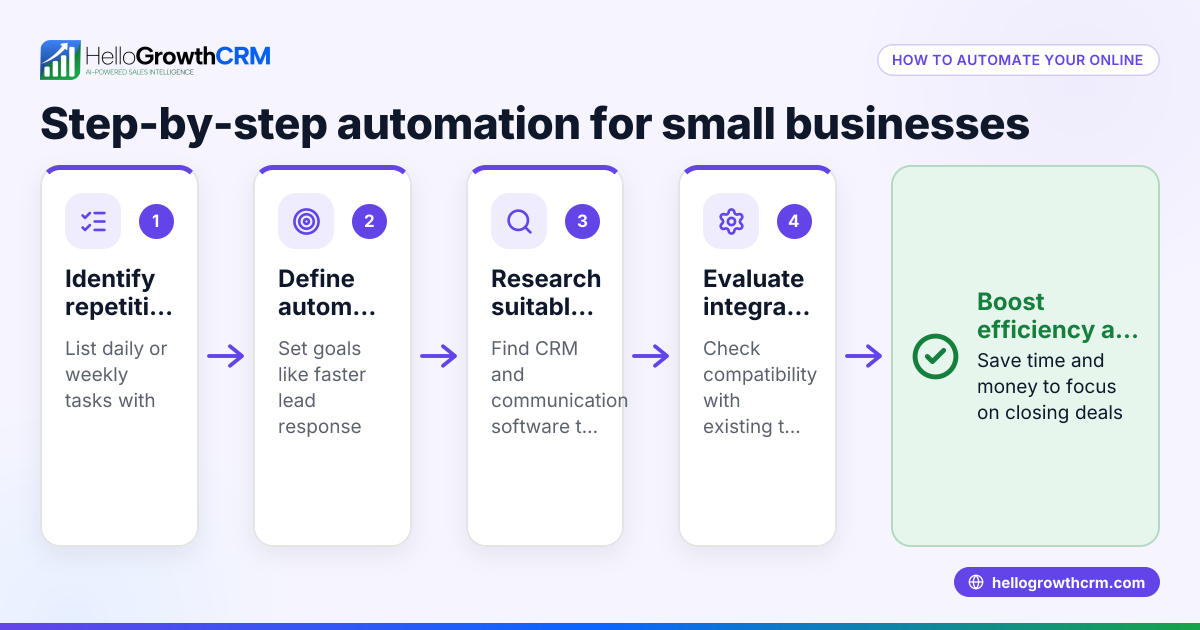
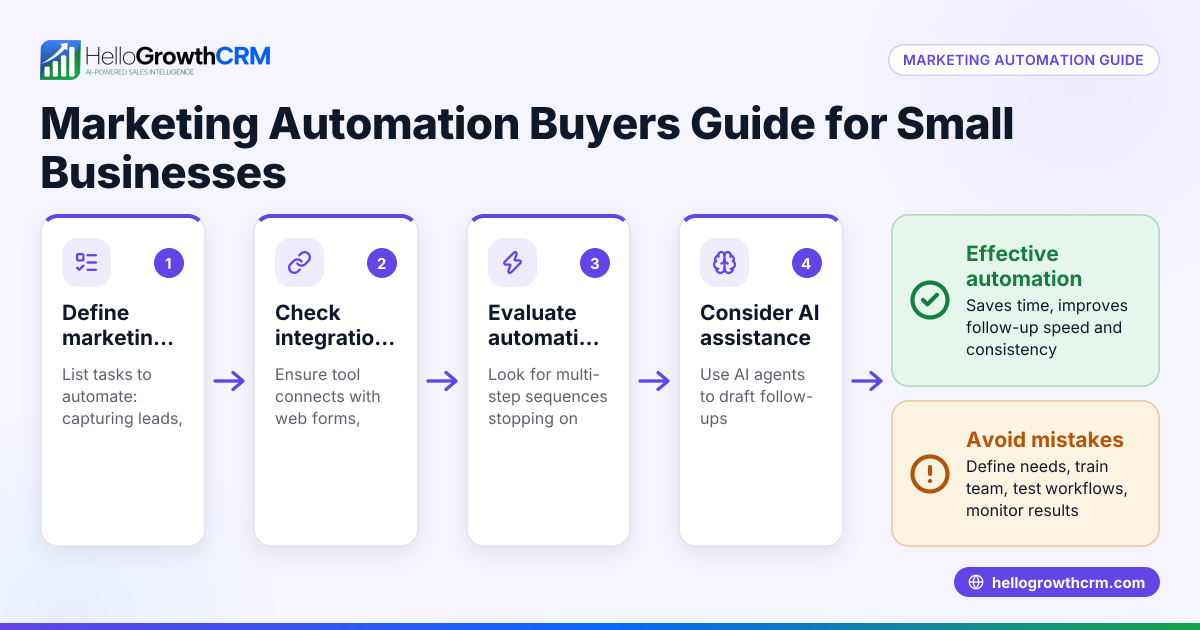
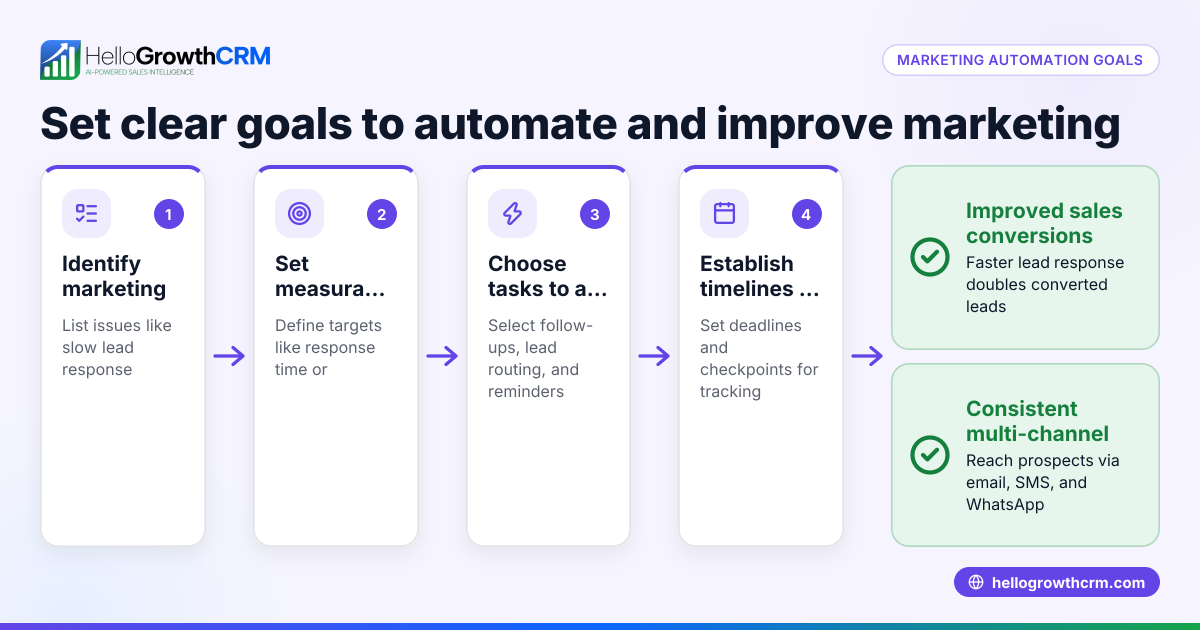
- Define your marketing goals and customer journey: Identify which marketing tasks to automate, such as welcome emails, abandoned cart reminders, or post-purchase follow-ups. Map the stages your customers go through from first visit to repeat purchase.
- Choose your communication channels: Email, SMS, and WhatsApp are common for ecommerce marketing automation. Check which channels your customers prefer and confirm your platform supports them.
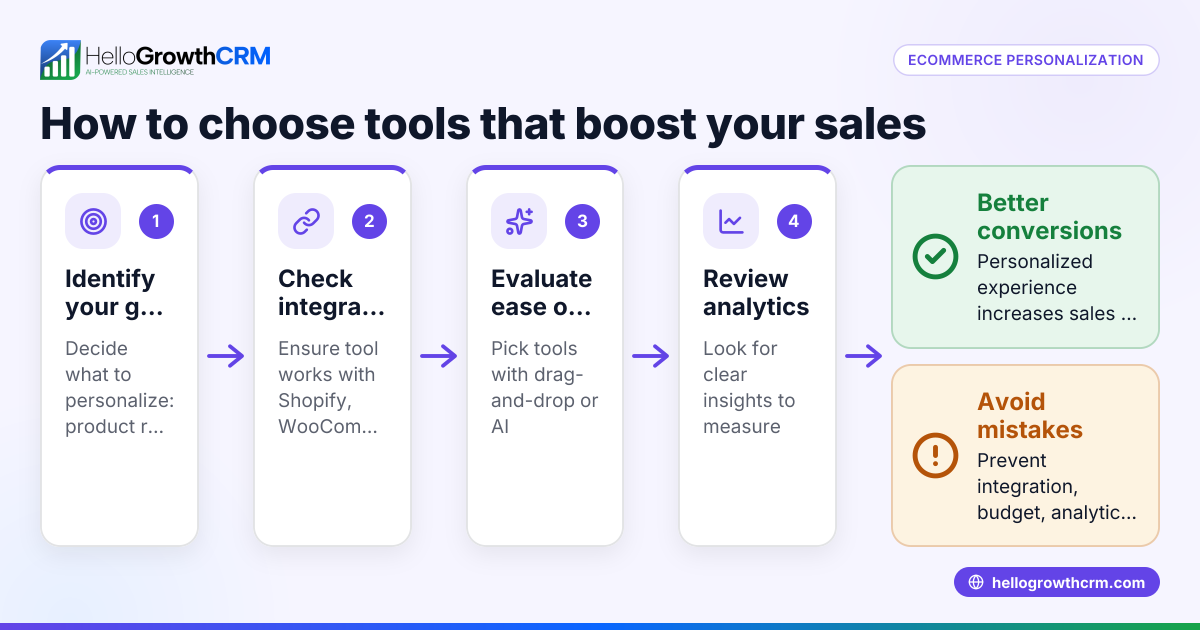
- Select an automation platform suited for ecommerce: Look for features like multi-step sequences that stop on customer reply, campaign management, and automatic lead routing to sales reps. Consider platforms that support workflows and AI assistance.
- Build and test your sequences: Create message workflows with clear timing and tailored content based on customer actions. For example, send an abandoned cart reminder 1 hour after cart abandonment, then follow up 3 days later. Test these sequences on a small group before full rollout.
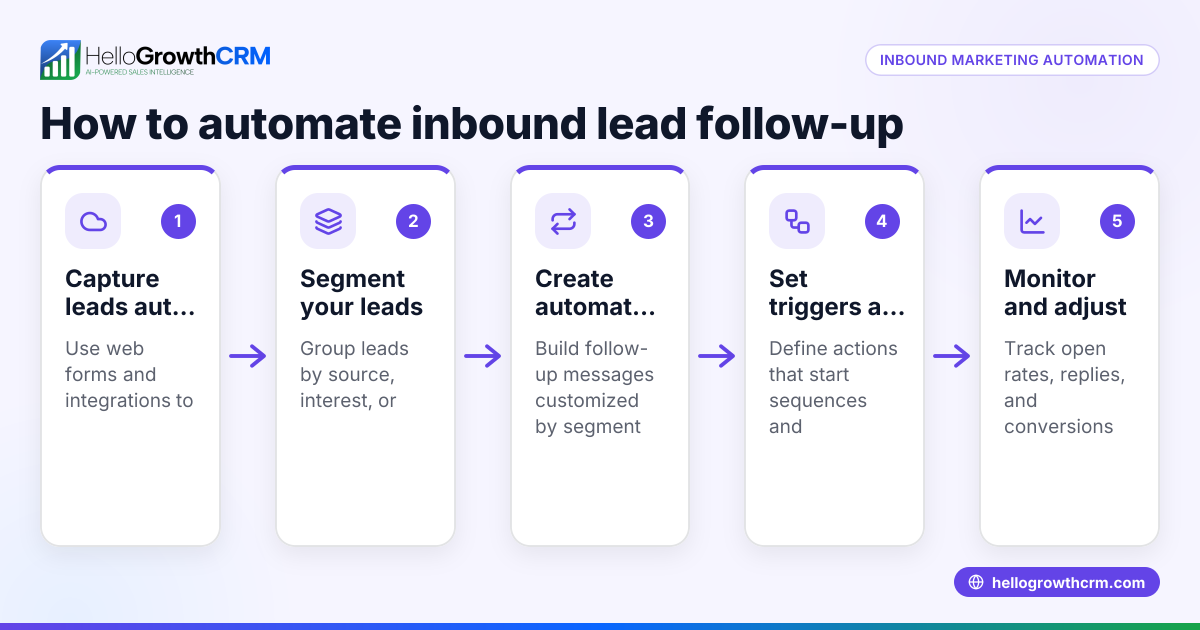
- Set up lead routing and validation rules: Assign leads automatically to sales reps or teams by territory, source, or round-robin to speed up follow-up and avoid manual delays.
- Monitor and optimize your campaigns: Track email open rates, reply rates, click-throughs, and sales conversions. Use these metrics to improve your messaging, timing, and segmentation.
- Ensure compliance and data privacy: Follow US laws governing marketing communications and customer data protection. Obtain consent where required and provide opt-out options.
Learn more about sales automation for ecommerce in our section on E-commerce and online sellers.
Example (fictional figures)
A Denver-based ecommerce store selling eco-friendly home goods wants to recover abandoned carts with automation.
- Average cart value: $120
- Monthly abandoned carts: 1,000
- Conversion rate from follow-up sequence: 10%
- Monthly sequence cost: $200
Calculations:
Recovered sales = 1,000 carts × 10% conversion = 100 sales
Revenue recovered = 100 sales × $120 = $12,000
Net gain = $12,000 - $200 (sequence cost) = $11,800
This example shows how a targeted automated sequence can recover significant revenue with a modest investment.
Common mistakes
- Sending too many messages without stopping on reply: This annoys customers and can damage your brand. Use sequences that halt immediately when prospects respond.
- Ignoring customer channel preferences: Customers may prefer SMS or WhatsApp over email. Check preferences before automating to increase engagement.
- Not automating lead routing: Manual lead assignment delays follow-up and wastes time. Use automated routing by territory or source to speed responses.
- Making sequences too complex: Overcomplicated workflows confuse customers and sales reps. Keep sequences simple, focused, and easy to manage.
- Failing to analyze campaign results: Without tracking metrics, you cannot improve outreach effectiveness. Regularly review open, reply, and conversion rates.
Avoid these mistakes by leveraging automation features explained in our HelloGrowthCRM for the United States guide.
Doing this in HelloGrowthCRM
HelloGrowthCRM helps ecommerce sellers automate marketing with sequences that run a five-step follow-up over two weeks and stop the moment the prospect replies, preventing over-messaging. Its AI agents (currently in Beta) draft follow-up messages after calls so reps only review and send, saving time. Automated workflows and lead routing assign new inquiries round-robin and create first-call tasks automatically, ensuring fast responses. These tools help ecommerce teams automate outreach efficiently and focus on closing sales. Learn more about our AI CRM capabilities.
Frequently asked questions
What is ecommerce marketing automation? It is software that automatically sends marketing messages like emails, SMS, or WhatsApp to ecommerce customers based on their behavior or triggers, improving efficiency and boosting sales.
Which communication channels are best for ecommerce automation? Email, SMS, and WhatsApp are popular choices. The best channels depend on your customers’ preferences and what your automation platform supports.
How can I avoid annoying customers with automation? Use sequences that automatically pause when customers reply and limit message frequency to avoid spamming.
Is marketing automation suitable for small ecommerce teams? Yes, many platforms including HelloGrowthCRM offer scalable automation tools designed for small to mid-sized ecommerce teams.
How do I measure success in ecommerce marketing automation? Track open rates, click-through rates, reply rates, and conversions to sales. Use these metrics to refine your campaigns.
Key takeaways
- Ecommerce marketing automation saves time by running targeted multi-step outreach automatically.
- Choose communication channels your customers prefer and ensure sequences stop on reply.
- Automate lead routing to speed up sales follow-up.
- Monitor campaign results regularly and optimize messaging.
- HelloGrowthCRM supports ecommerce marketing automation with sequences, AI agents, and workflows tailored for US sellers.
Start automating your ecommerce marketing today. Start on the Free Forever plan (200 leads, no credit card).
Ready to put this into practice?
Set up your pipeline, WhatsApp follow-ups, and AI lead scoring in minutes — free, no credit card.
Try HelloGrowthCRM freeGet CRM tips in your inbox
Join thousands of sales professionals who get weekly insights on CRM strategy, AI automation, and pipeline optimization.

The HelloGrowthCRM team publishes guides on CRM strategy, AI sales tools, and revenue operations for small business sales teams.