HelloGrowthCRM software
Built for real small-business sales teams
HelloGrowthCRM helps reps qualify faster, follow up on time, and close more deals—with practical automation in one place.
- AI lead scoring and pipeline visibility
- Built-in dialer, WhatsApp, and email automation
- Sales forecasting and RevOps-ready reporting
Email sequence software automates sending a series of follow-up emails to prospects or customers over a set period, improving lead engagement and saving time. Instead of manually tracking who to email and when, the software schedules multiple emails spaced out over days or weeks and stops sending once the prospect responds. This helps small businesses maintain consistent contact, reduce lost leads due to slow follow-up, and increase conversion rates.
Why this comes up / what goes wrong
Many Indian small business owners start by managing sales outreach manually using WhatsApp, spreadsheets, or basic email clients. This approach often leads to missed or delayed follow-ups because tracking leads and their status becomes cumbersome. Sales teams spend hours deciding who to contact next and when, which slows down response times and causes potential customers to lose interest. Without automation, the sales process becomes inefficient, and leads can slip through the cracks.
Email sequence software comes up as a solution to automate these follow-ups, ensuring prospects receive timely messages without manual effort. This software also standardises messaging, so every lead gets consistent communication, improving professionalism and trust.
Step-by-step
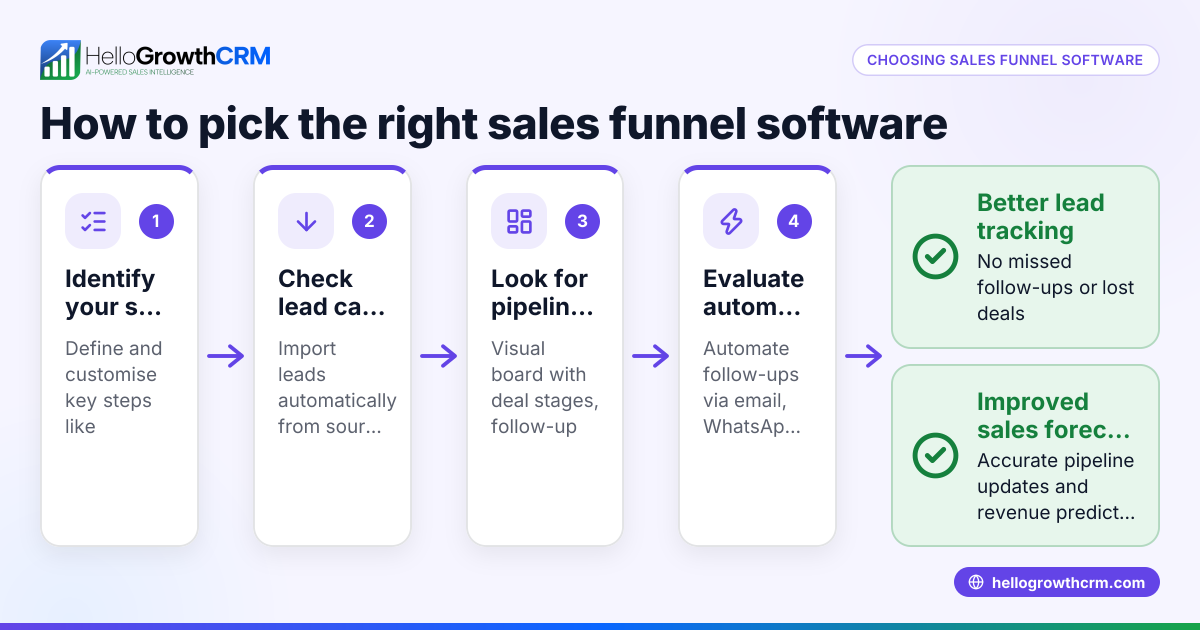
- Identify your business needs and goals. Decide if you want simple email sequences or multi-channel outreach including SMS and WhatsApp. Also consider if you need team collaboration features like shared inboxes.
- Check ease of use and team adoption. The software should be user-friendly for your sales or telecalling team to use daily without complex training. Look for intuitive interfaces and clear workflows.
- Look for automation features. Confirm the software supports multi-step sequences that send emails automatically at set intervals and stop when a prospect replies.
- Evaluate integration options. See if it can capture leads directly from your sources like IndiaMART, JustDial, or web forms, and whether it syncs with your existing sales tools.
- Assess team collaboration features. A shared inbox for incoming replies helps your team stay coordinated without switching between apps.
- Compare pricing and plans. Consider your budget and whether you need advanced features such as A/B testing or multi-channel campaigns.
- Test with a free plan or trial. Use a free or trial version to see if the software fits your workflow and improves follow-up speed before committing.
For more details, see email automation and sequences.
Example (fictional figures)
An Indian small business selling industrial tools wants to automate follow-ups to leads received from JustDial. They run a five-step email sequence over two weeks, sending each email 3 days apart.
- Expected lead value: ₹50,000
- Conversion rate without sequences: 10%
- Conversion rate with sequences: 15%
Calculations:
Leads contacted: 100
Without sequences:
100 × 10% = 10 sales
Total revenue = 10 × ₹50,000 = ₹5,00,000
With sequences:
100 × 15% = 15 sales
Total revenue = 15 × ₹50,000 = ₹7,50,000
Additional revenue from sequences = ₹7,50,000 - ₹5,00,000 = ₹2,50,000
This example shows how automating follow-ups can increase sales and revenue significantly by improving conversion rates.
Common mistakes
- Choosing software with too many unused features. Prevent this by listing your must-have features clearly and ignoring overcomplicated tools that your team won’t use.
- Ignoring team collaboration needs. Prevent missed replies by selecting software with shared inboxes so all team members can see incoming responses.
- Not testing the sequence timing and content. Prevent poor results by running A/B tests or pilot campaigns before full rollout to find the best messaging and intervals.
- Failing to integrate with lead sources. Prevent data silos by confirming the software can capture leads from your platforms like IndiaMART or JustDial.
- Overlooking mobile or WhatsApp integration. Many Indian SMBs rely on WhatsApp heavily. Prevent limitations by choosing software that supports multi-channel outreach including WhatsApp and SMS, such as HelloGrowthCRM’s WhatsApp and SMS CRM features (/product/whatsapp-sms-crm).
- Not monitoring reply behaviour. Prevent wasted effort by using software that stops sequences automatically when prospects reply, avoiding unnecessary messages.
Doing this in HelloGrowthCRM
HelloGrowthCRM offers Sequences and campaigns that automate a five-step follow-up over two weeks, stopping automatically when the prospect replies. This saves time and ensures no lead is forgotten. The HelloMail shared inbox lets your team see replies to quotation emails together on the deal, avoiding missed messages or duplicated efforts. Learn more about these features at email automation and sequences.
Frequently asked questions
What is email sequence software? Email sequence software automates sending a planned series of emails to prospects or customers over time. It helps maintain consistent follow-up and improves chances of engagement without manual effort.
How does email sequence software improve sales? It reduces lead response time and ensures no follow-up is missed. Automated sequences keep prospects engaged with timely messages, increasing conversion rates.
Can email sequence software integrate with WhatsApp or SMS? Some software, like HelloGrowthCRM, supports multi-channel sequences including WhatsApp and SMS, helping teams who rely on those channels alongside email. See WhatsApp and SMS CRM.
Is it difficult for small teams to use email sequence software? Good software is designed for ease of use by sales and telecalling teams, with minimal training. Features like shared inboxes improve team collaboration and reduce switching between apps.
What should I look for in email sequence software pricing? Check if the plan supports the number of leads you have, the number of sequences, and if advanced features like A/B testing or campaigns are included. Always start with a free or trial plan if available.
How to start using email sequence software effectively? Begin with a clear plan for your sequences and test messages on a small group. Monitor responses and adjust timing or content as needed before a full rollout.
Key takeaways
- Email sequence software automates multi-step follow-ups to save time and increase lead engagement.
- Choose software that fits your team’s workflow and integrates with your lead sources.
- Test sequences and timing before full rollout to avoid mistakes.
- Collaboration features like shared inboxes help teams manage replies efficiently.
- Multi-channel outreach including WhatsApp and SMS may be important for Indian SMBs.
- Start with free plans or trials to evaluate software before committing.
To start automating your email follow-ups and manage leads effectively, try HelloGrowthCRM’s free plan with 200 leads and no credit card required at Start on the Free Forever plan (200 leads, no credit card).
Ready to put this into practice?
Set up your pipeline, WhatsApp follow-ups, and AI lead scoring in minutes — free, no credit card.
Try HelloGrowthCRM freeGet CRM tips in your inbox
Join thousands of sales professionals who get weekly insights on CRM strategy, AI automation, and pipeline optimization.

The HelloGrowthCRM team publishes guides on CRM strategy, AI sales tools, and revenue operations for small business sales teams.