HelloGrowthCRM software
Built for real small-business sales teams
HelloGrowthCRM helps reps qualify faster, follow up on time, and close more deals—with practical automation in one place.
- AI lead scoring and pipeline visibility
- Built-in dialer, WhatsApp, and email automation
- Sales forecasting and RevOps-ready reporting
Starting a handyman business involves more than just skills with tools. You must navigate legal, financial, and operational requirements to build a sustainable business. This handyman business startup checklist guides you through the essential steps to set up your business properly, avoid common pitfalls, and plan your finances effectively.
Why this comes up / what goes wrong
Many new handyman business owners or their accountants encounter confusion about what is legally required and how to organize the business. Without a clear checklist, they may overlook registering the business, obtaining the right licenses, or securing insurance. These oversights can cause delays, fines, or loss of client trust. Additionally, mixing personal and business finances or neglecting marketing and lead management can limit growth and complicate tax filing. A focused checklist tailored to handyman startups in the US helps avoid these problems and sets a foundation for success.
Step-by-step
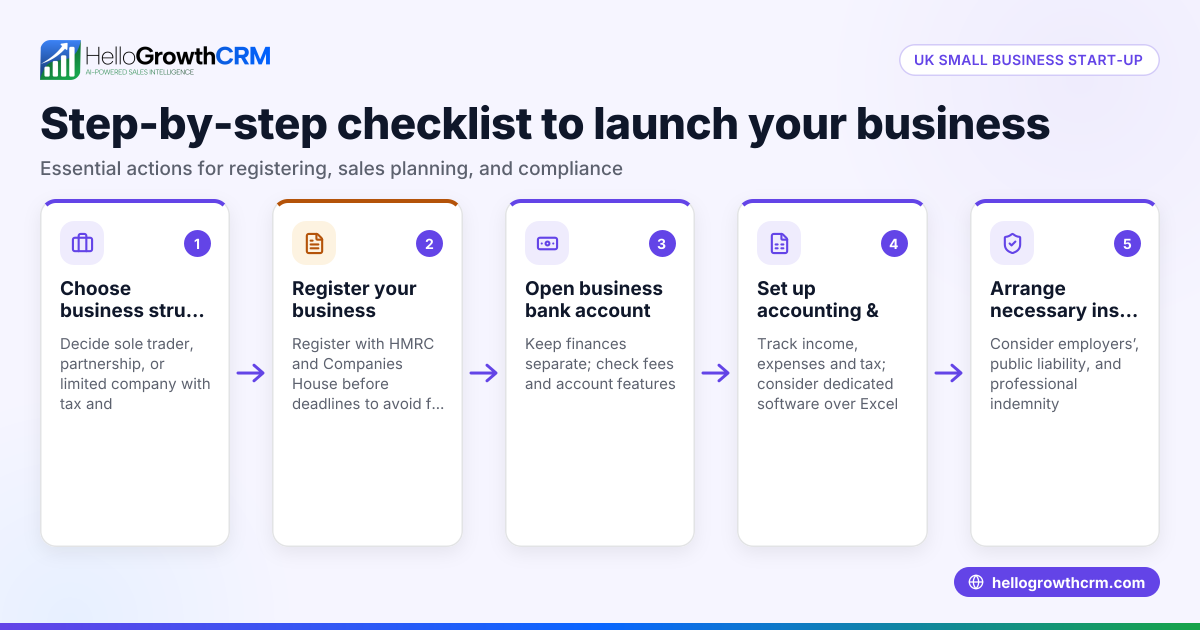
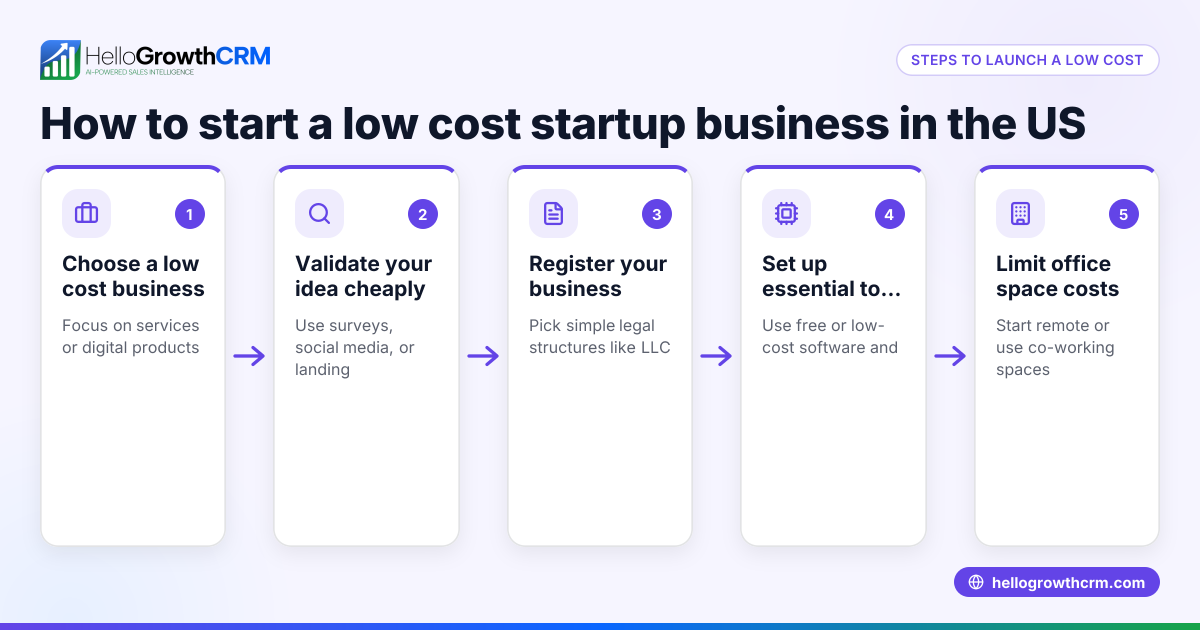
- Choose a business structure: Decide whether to operate as a sole proprietorship, Limited Liability Company (LLC), or another entity. Check your state’s requirements and consider liability protection and tax implications. LLCs often provide liability protection but require more paperwork.
- Register your business name: If you operate under a name other than your own, file a Doing Business As (DBA) registration with your state or county.
- Obtain necessary licenses and permits: Verify local and state licensing rules for handyman services. Some states require a general contractor license for specific repairs or construction tasks. Also, secure a general business license if needed. Licensing requirements vary widely—check with your state’s licensing board and local government.
- Get insurance coverage: Acquire general liability insurance to protect against property damage or injury claims. Consider bonding if clients require it or to build trust.
- Set up business finances: Open a separate business bank account to keep personal and business finances separate. This simplifies accounting and tax filing. Set up bookkeeping or accounting software to track income and expenses.
- Create a pricing strategy: Research local competitors to set competitive and profitable rates. Consider hourly rates, flat fees, or project-based pricing.
- Develop a marketing plan: Build a simple website, create social media profiles, and use local advertising channels such as flyers, community boards, or online listings.
- Prepare tools and supplies: Invest in quality tools and reliable transportation suited to your service area.
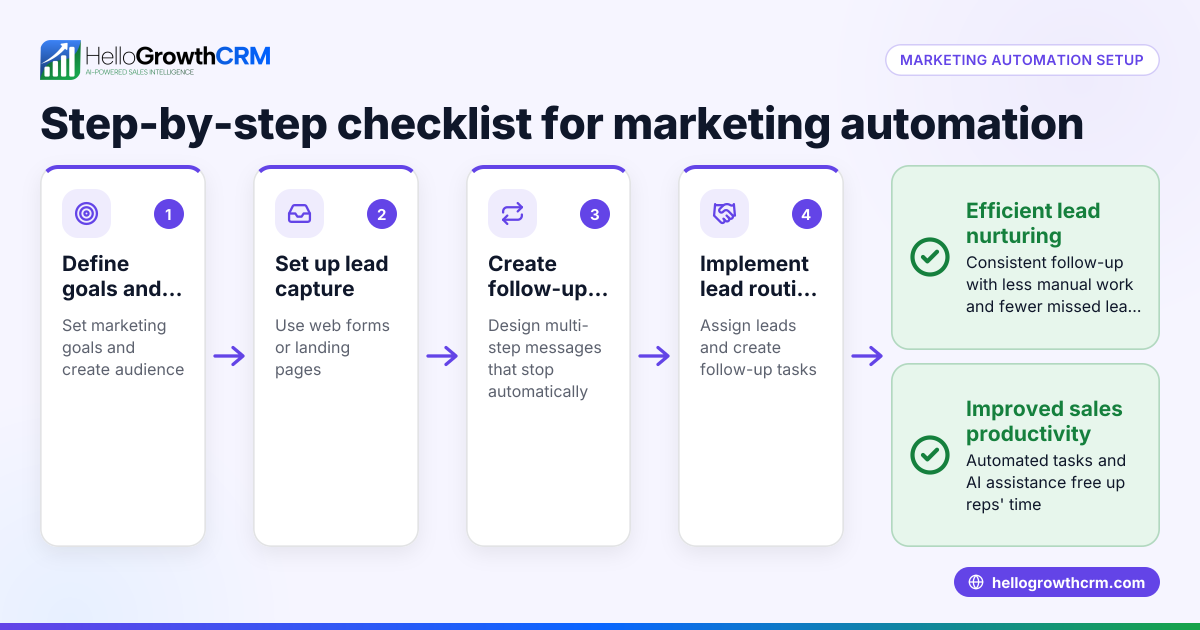
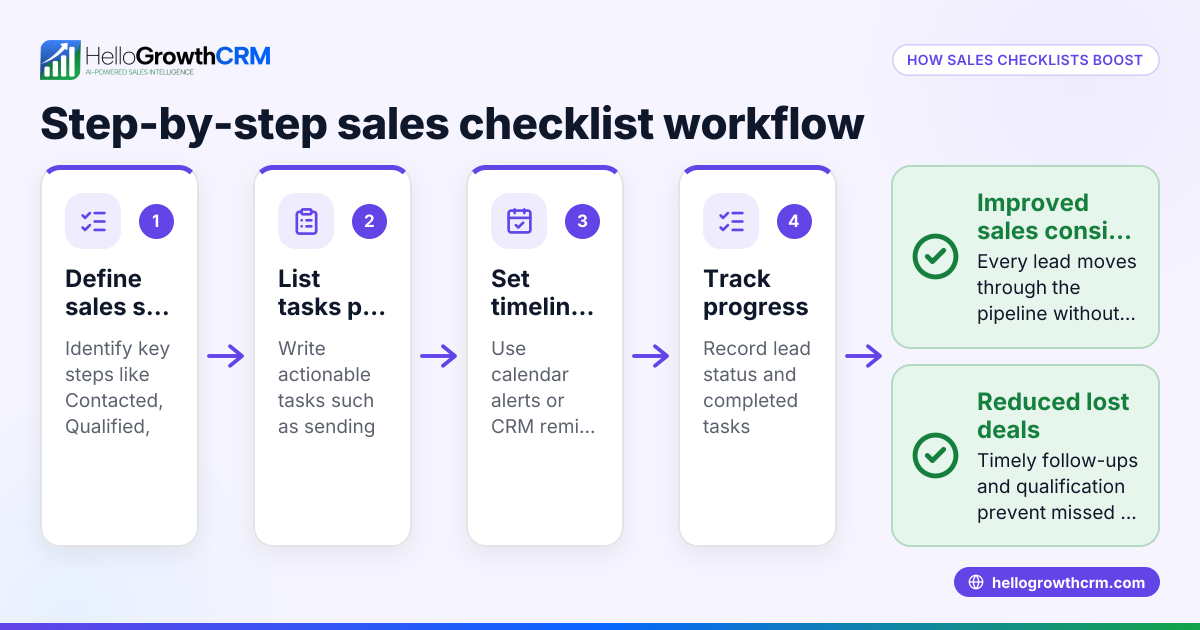
- Plan customer communication and lead management: Organize how you will capture leads and follow up promptly. Efficient communication is vital to convert inquiries into jobs. For ideas on managing sales and communication, see WhatsApp and SMS CRM.
- Comply with tax requirements: Understand your federal, state, and local tax obligations, including income and sales taxes where applicable.
For more guidance on startups, explore Startups and technology companies to see how CRM tools can support your business.
Example (fictional figures)
Imagine a handyman business with two locations in Columbus, Ohio, starting on 01/15/2026. Here is a breakdown of startup costs:
- Business registration fee: $150
- Licenses and permits: $400
- Insurance (annual premium): $1,200
- Tools and supplies: $3,000
- Marketing setup (website and ads): $1,500
- Initial working capital (cash reserve): $5,000
Calculate total startup costs step-by-step:
$150 + $400 = $550
$550 + $1,200 = $1,750
$1,750 + $3,000 = $4,750
$4,750 + $1,500 = $6,250
$6,250 + $5,000 = $11,250
Total startup investment = $11,250
This example helps you plan your budget and prioritize spending to cover critical areas.
Common mistakes
- Skipping business registration: Operating without registering can lead to legal penalties and difficulties opening bank accounts. Always register your business.
- Ignoring licensing requirements: Not obtaining required licenses can halt operations or cause fines. Check local and state regulations carefully.
- Underinsuring the business: Lack of sufficient liability insurance risks personal assets if claims arise. Invest in appropriate coverage.
- Mixing personal and business finances: Combining accounts complicates tax filing and financial tracking. Open a separate business bank account.
- Poor lead follow-up: Slow or disorganized communication can cause lost jobs. Use organized systems to manage customer communication; see HelloGrowthCRM for the United States for CRM options.
- Neglecting marketing: Relying solely on word-of-mouth limits growth. Plan active marketing efforts to reach new customers.
Frequently asked questions
What licenses do I need to start a handyman business? Licensing requirements vary by state and locality. Generally, you need a general business license and may require a contractor’s license for specific tasks. Contact your state’s licensing board and local government to confirm.
How much does it cost to start a handyman business? Startup costs depend on your location and scale but typically include registration fees, insurance, tools, and marketing expenses. A small operation might spend between $5,000 and $15,000 initially.
Do I need insurance for my handyman business? Yes, general liability insurance is essential to protect against claims for property damage or injuries. Bonding may also be necessary or beneficial to clients.
How can I manage leads and customer communication effectively? Using a CRM designed for small businesses helps track leads, schedule follow-ups, and automate communication. See HelloGrowthCRM for the United States for options tailored to your needs.
Should I register as an LLC or sole proprietor? LLCs offer liability protection and may have tax advantages but involve more paperwork and costs. Sole proprietorships are simpler but expose you to personal liability. Consider your risk tolerance and consult a professional.
Key takeaways
- Choose and register your business structure before starting operations.
- Obtain all required licenses and permits specific to your location.
- Secure general liability insurance to protect your business and assets.
- Keep personal and business finances separate for easier accounting.
- Develop a marketing and lead management plan to grow your customer base.
- Budget realistically using detailed cost estimates to cover startup expenses.
Starting your handyman business on the right foot saves time and money. For managing leads and customer communication efficiently, consider starting on the Free Forever plan (200 leads, no credit card) at HelloGrowthCRM.
Ready to put this into practice?
Set up your pipeline, WhatsApp follow-ups, and AI lead scoring in minutes — free, no credit card.
Try HelloGrowthCRM freeGet CRM tips in your inbox
Join thousands of sales professionals who get weekly insights on CRM strategy, AI automation, and pipeline optimization.

The HelloGrowthCRM team publishes guides on CRM strategy, AI sales tools, and revenue operations for small business sales teams.