HelloGrowthCRM software
Built for real small-business sales teams
HelloGrowthCRM helps reps qualify faster, follow up on time, and close more deals—with practical automation in one place.
- AI lead scoring and pipeline visibility
- Built-in dialer, WhatsApp, and email automation
- Sales forecasting and RevOps-ready reporting
You should send marketing emails as often as your audience finds valuable without feeling overwhelmed—typically between once a week and once a month, depending on your business type and customer preferences. This article explains why email frequency matters, offers step-by-step guidance to find your ideal schedule, highlights common mistakes to avoid, and provides a detailed example with realistic USD figures for a US small business.
Why this comes up / what goes wrong
Small business owners often face the challenge of deciding how often to send marketing emails. Sending emails too frequently can annoy customers, leading to increased unsubscribes and damaging your brand reputation. On the other hand, sending emails too infrequently risks losing engagement, missing sales opportunities, and letting competitors capture your audience’s attention. Many small businesses start with irregular email schedules or rely on manual tracking methods like spreadsheets and email drafts, which results in inconsistent follow-up and missed chances to nurture leads effectively. Without a clear, data-driven plan, it’s difficult to balance staying top of mind with respecting your customers’ inboxes.
Step-by-step
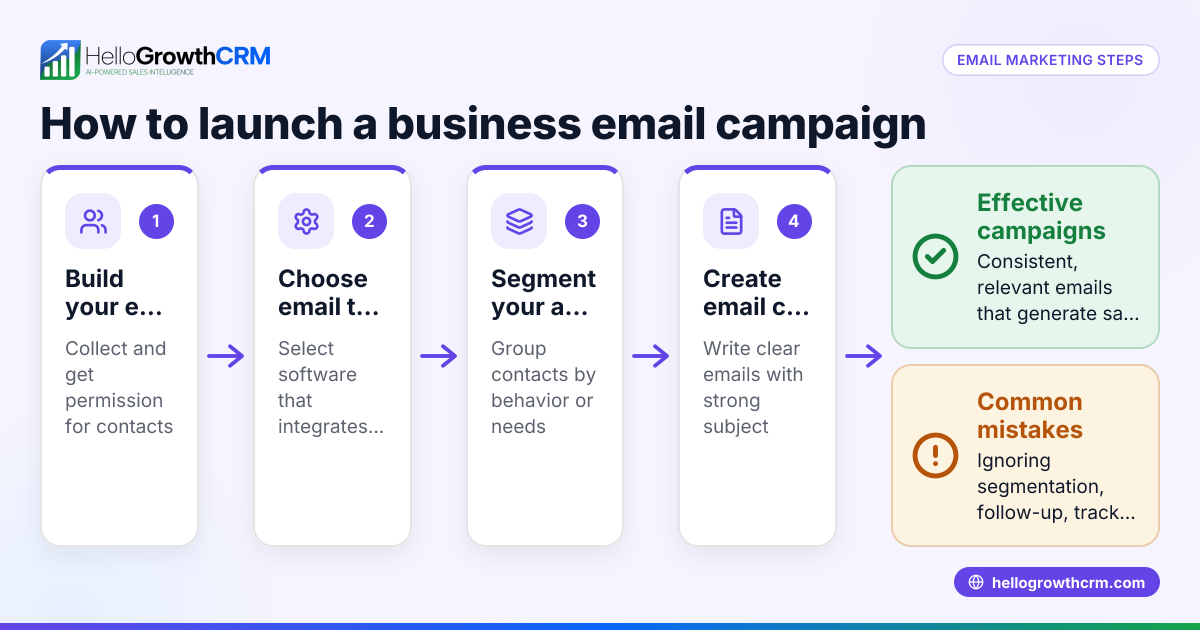
- Segment Your Audience: Divide your email list into groups based on interests, purchase history, or engagement levels. Check that each segment receives content relevant to them to reduce unsubscribes and increase engagement.
- Choose a Base Frequency: Start with a manageable email frequency, such as one email per week or every two weeks. This gives you enough contact to stay relevant without overwhelming subscribers.
- Test and Measure Engagement: Monitor key metrics like open rates, click-through rates, and unsubscribe rates after each campaign. If you notice declining engagement or rising unsubscribes, reduce your email frequency.
- Use Email Automation and Sequences: Automate your email marketing with targeted sequences such as welcome series, promotional offers, or re-engagement campaigns. Automation ensures timely, relevant communication without manual effort. Learn more about email automation and sequences.
- Respect Subscriber Preferences: Provide options for subscribers to choose how often they want to receive emails or which topics interest them. This personalization improves satisfaction and reduces opt-outs.
- Review and Adjust Regularly: Every quarter, analyze your email performance data and customer feedback to refine your schedule and content strategy.
- Combine Channels for Better Reach: Consider integrating email marketing with WhatsApp and SMS campaigns to reach customers where they prefer. HelloGrowthCRM supports WhatsApp and SMS CRM to help manage multichannel marketing.
Example (fictional figures)
A two-location dental practice in Columbus, Ohio, markets check-ups, whitening offers, and new patient specials to 5,000 subscribers.
- They start by sending one email every two weeks.
- Average open rate: 25%
- Average click rate: 8%
- Average unsubscribe rate: 0.3%
Calculations per email:
5,000 subscribers × 25% open rate = 1,250 opens
5,000 subscribers × 8% click rate = 400 clicks
5,000 subscribers × 0.3% unsubscribe rate = 15 unsubscribes
After three months, they increase frequency to one email per week.
- Open rate drops to 18%
- Unsubscribe rate rises to 1%
Calculations per weekly email:
5,000 subscribers × 18% open rate = 900 opens
5,000 subscribers × 1% unsubscribe rate = 50 unsubscribes
They decide to revert to biweekly emails and add a monthly newsletter option for subscribers who want less frequent contact.
This example shows that biweekly emails balance engagement and subscriber retention best for their audience.
Common mistakes
- Sending too often without testing: Prevent this by closely monitoring unsubscribe and engagement rates and adjusting frequency accordingly.
- Ignoring audience segmentation: Avoid this by grouping contacts and personalizing content to increase relevance and reduce unsubscribes.
- Using manual tracking only: Prevent inconsistencies by adopting email automation and sequences to maintain consistent follow-up and timing (/product/email-automation).
- Not respecting subscriber preferences: Include options for email frequency and topics to improve customer satisfaction.
- Failing to review results regularly: Schedule quarterly reviews of email performance and customer feedback to optimize your strategy.
- Neglecting multichannel communication: Combine email with WhatsApp and SMS to improve reach and engagement using WhatsApp and SMS CRM.
Doing this in HelloGrowthCRM
HelloGrowthCRM offers Managed RevOps, where a dedicated revenue specialist works your follow-up queue weekly to ensure timely contact without overload. This service helps founders without a dedicated sales manager keep email marketing on track and maintain pipeline hygiene. Learn more about Managed RevOps at hellogrowthcrm.com/services/managed-revops.
Frequently asked questions
How do I know if I’m emailing too often? Watch for rising unsubscribe rates and declining open rates. If these trends appear after increasing email frequency, it’s a sign to reduce how often you send emails.
Can I send marketing emails daily? Daily emails often overwhelm subscribers unless your content is highly varied and valuable. Most small businesses find weekly or biweekly schedules more effective.
Should I use email automation for marketing? Yes, automation helps send timely, relevant messages without manual effort. HelloGrowthCRM supports email automation and sequences to improve engagement (/product/email-automation).
How does segmentation affect email frequency? Segmenting your audience lets you tailor email frequency and content to different groups. For example, loyal customers might receive monthly updates, while active prospects get weekly offers.
What if my subscribers want different email frequencies? Offer preference centers where subscribers can select how often and what types of emails they receive. This reduces unsubscribes and improves satisfaction.
Can I combine email with other channels? Yes, combining email with WhatsApp and SMS can improve reach and engagement. HelloGrowthCRM supports WhatsApp and SMS CRM features to manage multichannel marketing (/product/whatsapp-sms-crm).
Key takeaways
- Start with one email per week or every two weeks and adjust based on engagement.
- Segment your audience to send relevant content and tailor frequency.
- Use email automation and sequences to maintain consistent follow-up.
- Monitor unsubscribe and open rates to avoid overwhelming your list.
- Offer subscribers control over email frequency and topics.
- Review your email strategy quarterly to optimize results.
Start sending marketing emails with a clear schedule and support. You can Start on the Free Forever plan (200 leads, no credit card) to organize your leads and automate follow-up.
Ready to put this into practice?
Set up your pipeline, WhatsApp follow-ups, and AI lead scoring in minutes — free, no credit card.
Try HelloGrowthCRM freeGet CRM tips in your inbox
Join thousands of sales professionals who get weekly insights on CRM strategy, AI automation, and pipeline optimization.

The HelloGrowthCRM team publishes guides on CRM strategy, AI sales tools, and revenue operations for small business sales teams.