HelloGrowthCRM software
Built for real small-business sales teams
HelloGrowthCRM helps reps qualify faster, follow up on time, and close more deals—with practical automation in one place.
- AI lead scoring and pipeline visibility
- Built-in dialer, WhatsApp, and email automation
- Sales forecasting and RevOps-ready reporting
Customer satisfaction in Scrum should be measured at the end of each sprint cycle, which usually lasts 2 to 4 weeks. This frequent check-in aligns with Scrum’s iterative approach, allowing teams to gather timely feedback, adjust priorities, and improve product quality continuously. Measuring satisfaction less often risks missing critical issues or opportunities for improvement.
Why this comes up / what goes wrong
Small and mid-sized business owners using Scrum often struggle with deciding how often to gauge customer satisfaction. Without regular feedback, teams may build features that don’t meet customer needs or miss bugs and usability problems. Slow or infrequent measurement can cause dissatisfaction to grow unnoticed, leading to lost customers and revenue. For businesses managing sales and service on multiple channels like WhatsApp, email, and spreadsheets, tracking customer happiness consistently is even more challenging.
When customer satisfaction is not measured frequently, teams may wait too long to discover issues, causing delays in fixing problems or adjusting product features. This can frustrate customers and damage the business’s reputation. Additionally, without a clear schedule for feedback, teams might collect data irregularly, making it hard to see trends or improvements over time.
Step-by-step
- Set your sprint length: Confirm your Scrum sprint duration, typically 2 or 4 weeks. This defines how often you will measure satisfaction.
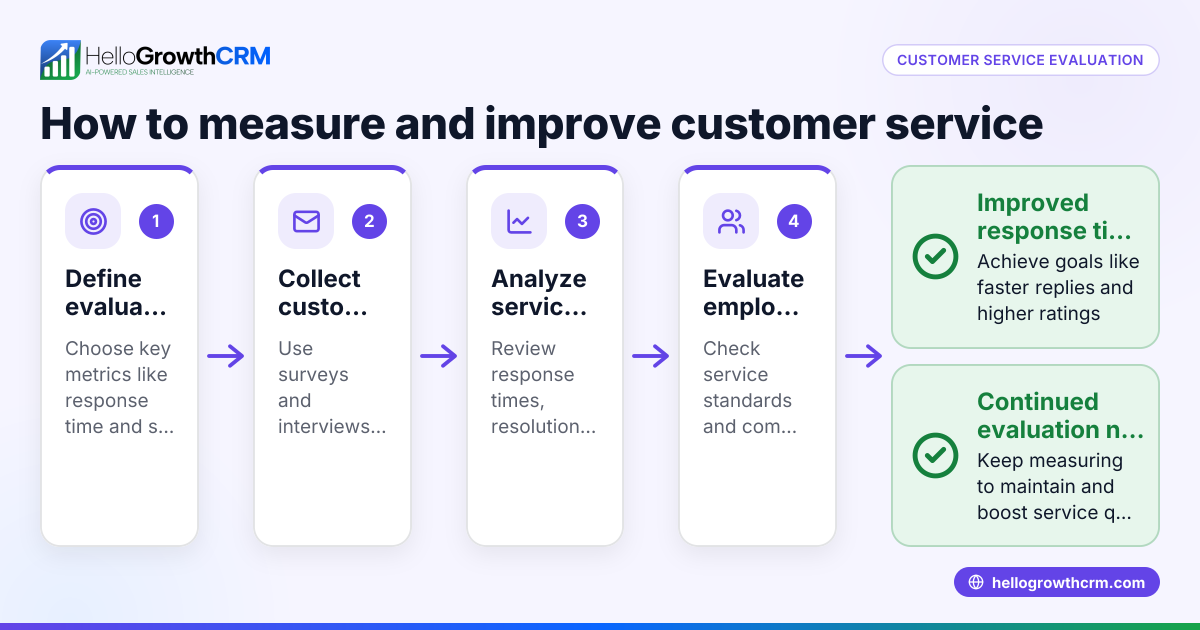
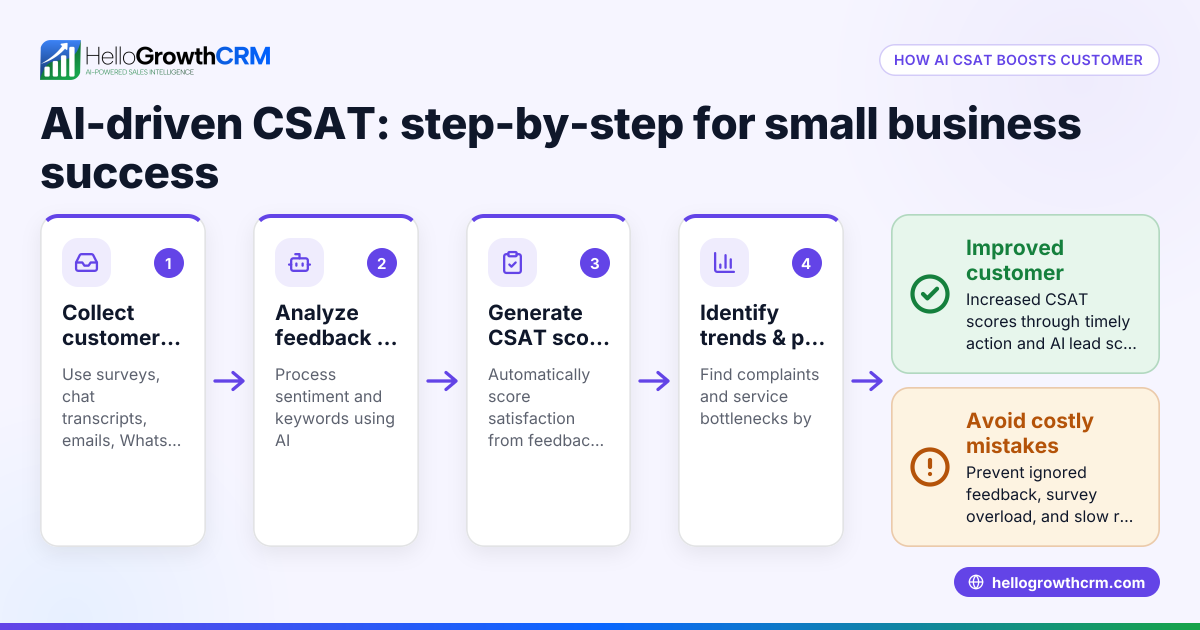
- Choose measurement methods: Use surveys, interviews, or direct feedback during sprint reviews or demos. Check that questions target customer experience and product value.
- Collect data at sprint end: Immediately after each sprint, gather customer satisfaction data before planning the next sprint.
- Analyze results promptly: Review feedback to identify trends, issues, and improvement areas.
- Adjust backlog and priorities: Use satisfaction insights to update your product backlog and sprint goals.
- Communicate changes to customers: Show customers you value their input by sharing updates or fixes based on their feedback.
- Track service requests and tickets: Keep all service interactions linked to the customer record to spot recurring problems.
Regular measurement ensures your Scrum team stays aligned with customer needs and can quickly react to feedback. For more on tracking customer health and satisfaction, see customer health score.
Example (fictional figures)
A residential real-estate team in Phoenix, Arizona, runs 2-week sprints developing a client portal. They decide to measure customer satisfaction after each sprint via a 3-question survey scored out of 100. Their average score after the first sprint is 78.
After analyzing feedback, they identify a need for faster loading times, which they estimate will cost $12,000 to improve.
Their sprint budget is $150,000, and they allocate $12,000 from this budget to optimize performance.
Calculation: $150,000 × 8% = $12,000 (budget portion for performance improvement)
After implementing changes, the next sprint’s satisfaction score rises to 85.
This cycle repeats every 2 weeks, allowing continuous improvement based on customer feedback.
Common mistakes
- Measuring too infrequently: Waiting months misses issues. Prevent by syncing measurement with sprint cycles.
- Ignoring feedback: Collecting data but not acting frustrates customers. Prevent by integrating feedback into backlog updates.
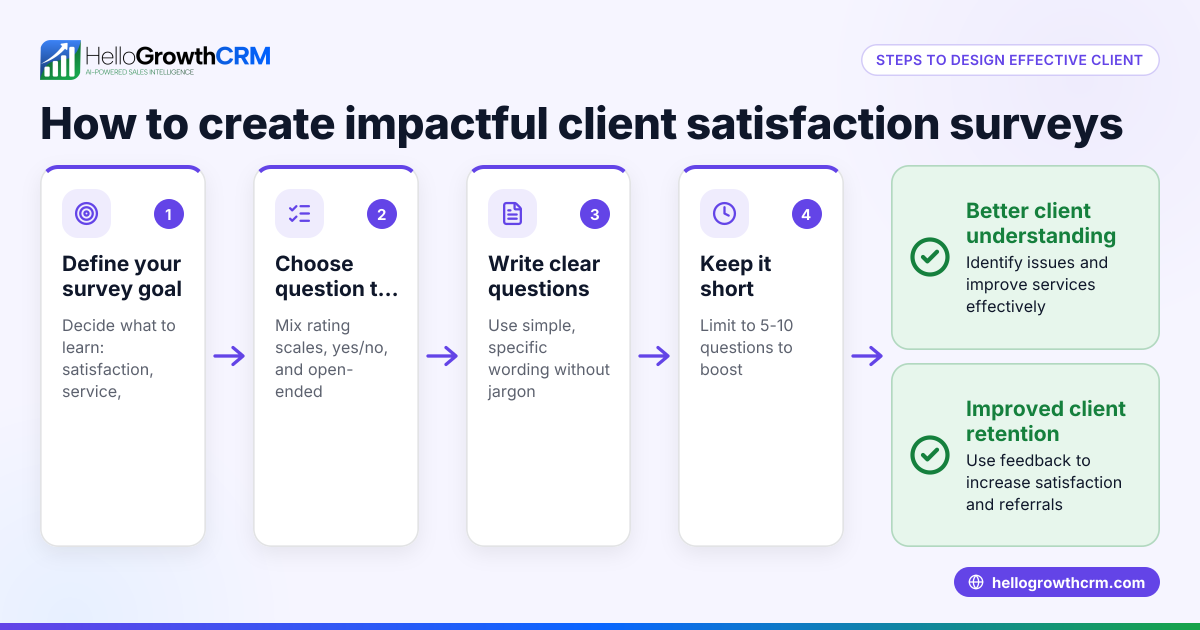
- Using unclear surveys: Vague questions yield useless data. Prevent by designing clear, focused questions.
- Separating service requests from sales records: Losing context on customer issues. Prevent by using a CRM that keeps service tickets linked to deals.
- Overloading customers with surveys: Too frequent surveys cause fatigue. Prevent by limiting to one per sprint and keeping them brief.
- Failing to communicate improvements: Customers may feel ignored if they don’t see changes. Prevent by sharing updates based on feedback.
For guidance on managing service requests and tickets linked to customers, see HelloGrowthCRM for the United States.
Doing this in HelloGrowthCRM
HelloGrowthCRM supports post-sale customer satisfaction tracking with its customer portal, referrals, tickets, and knowledge base features. Service requests and support tickets stay linked on the same customer record as the deal, making it easier to track ongoing satisfaction and resolve issues quickly. This integration helps your Scrum team keep customer context central and respond faster to feedback.
Learn more at WhatsApp and SMS CRM.
Frequently asked questions
How often should customer satisfaction be measured in Scrum? It should be measured at the end of every sprint, typically every 2 to 4 weeks, to ensure continuous feedback and timely improvements.
What methods work best for measuring satisfaction in Scrum? Surveys, direct interviews during sprint reviews, and customer feedback collected via support tickets or portals are effective. Choose methods that fit your customer base and sprint rhythm.
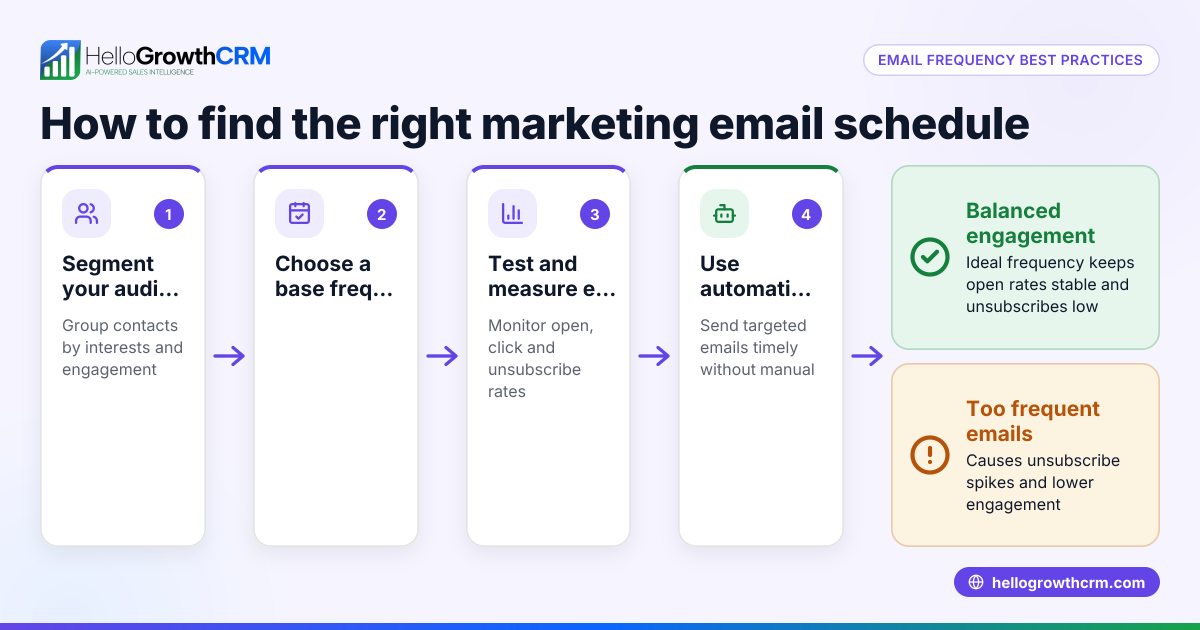
Can measuring satisfaction too often annoy customers? Yes, frequent surveys can cause fatigue. Limit measurement to one survey per sprint and keep it brief to maintain engagement.
How does tracking service requests help with customer satisfaction? Tracking service requests linked to deals provides context on recurring issues and helps your team respond quickly, improving overall satisfaction.
What role does a CRM play in measuring customer satisfaction? A CRM centralizes customer data, feedback, and service requests, making it easier to analyze satisfaction trends and act on them efficiently.
Key takeaways
- Measure customer satisfaction at the end of each Scrum sprint (2-4 weeks).
- Use clear, concise surveys or direct feedback during sprint reviews.
- Integrate feedback into backlog and sprint planning for continuous improvement.
- Link service requests and tickets to customer records to track issues.
- Avoid over-surveying customers to prevent feedback fatigue.
- Use tools like HelloGrowthCRM to keep customer feedback and service requests organized.
Start improving your customer satisfaction tracking today. Start on the Free Forever plan (200 leads, no credit card).
Ready to put this into practice?
Set up your pipeline, WhatsApp follow-ups, and AI lead scoring in minutes — free, no credit card.
Try HelloGrowthCRM freeGet CRM tips in your inbox
Join thousands of sales professionals who get weekly insights on CRM strategy, AI automation, and pipeline optimization.

The HelloGrowthCRM team publishes guides on CRM strategy, AI sales tools, and revenue operations for small business sales teams.