HelloGrowthCRM software
Built for real small-business sales teams
HelloGrowthCRM helps reps qualify faster, follow up on time, and close more deals—with practical automation in one place.
- AI lead scoring and pipeline visibility
- Built-in dialer, WhatsApp, and email automation
- Sales forecasting and RevOps-ready reporting
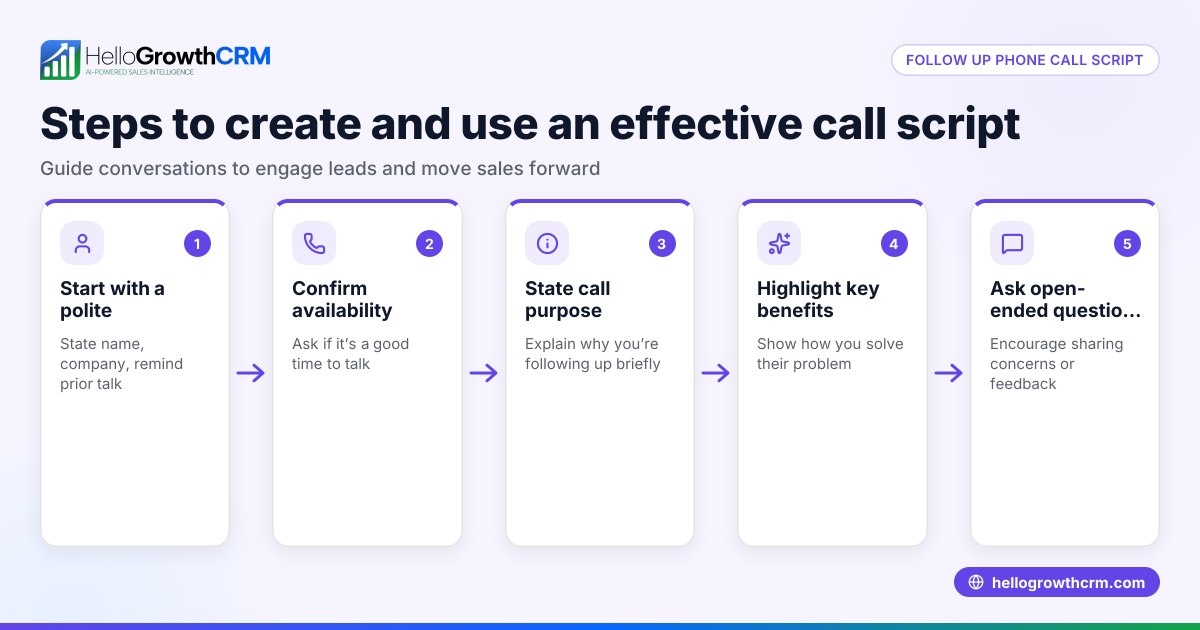
To create a follow up calendar for your UAE business, start by listing every lead and prospect you need to contact. Assign each a follow-up date based on urgency and the sales cycle stage. Use reminders or task boards to ensure no lead is forgotten. This article explains why a follow-up calendar is essential, gives you step-by-step instructions, a realistic example, common pitfalls, and tips on using HelloGrowthCRM to streamline follow-ups.
Why this comes up / what goes wrong
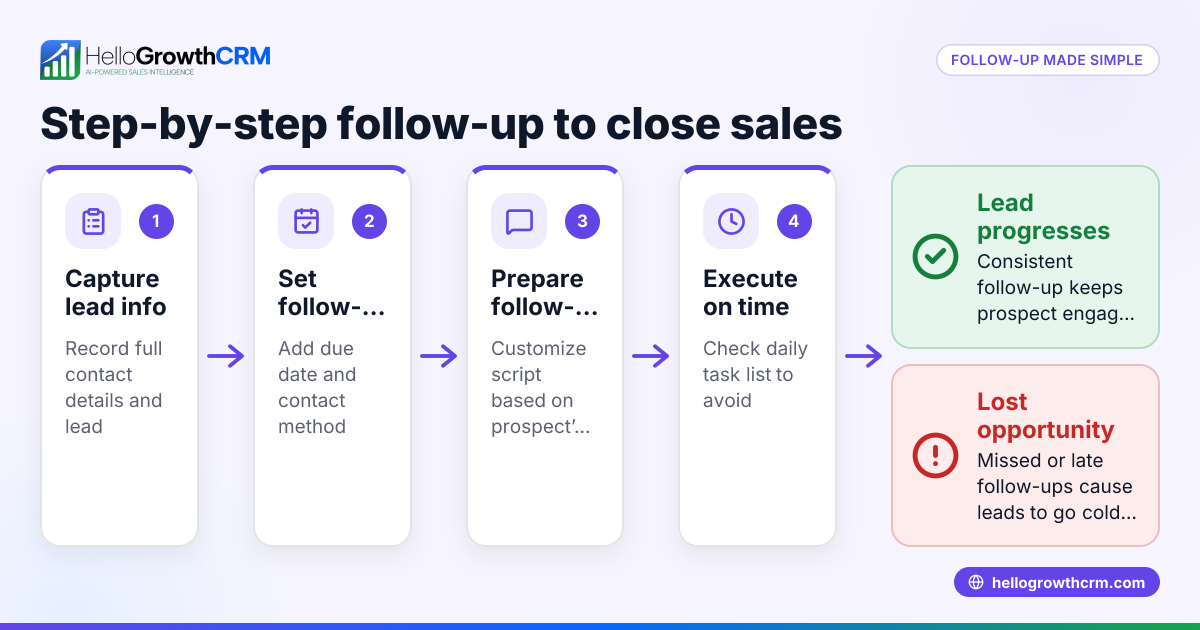
Many small UAE businesses lose leads because follow-up is inconsistent or delayed. Owners and sales teams often rely on WhatsApp chats, calls, or spreadsheets that lack reminders and task tracking. Without a proper follow-up calendar, leads go cold, and sales opportunities are lost. A clear calendar with due dates and follow-up methods helps salespeople stay organised, prioritise leads, and close deals faster.
Step-by-step
- Gather your leads and contacts: Collect all current prospects from WhatsApp, calls, web forms, and spreadsheets into one list.
- Categorise leads by priority: Rank leads as high, medium, or low priority based on interest level or deal size.
- Decide follow-up frequency: For high priority, plan follow-ups every 2-3 days; medium priority every week; low priority every 2 weeks.
- Assign specific follow-up dates: For each lead, set a calendar date for the next contact attempt.
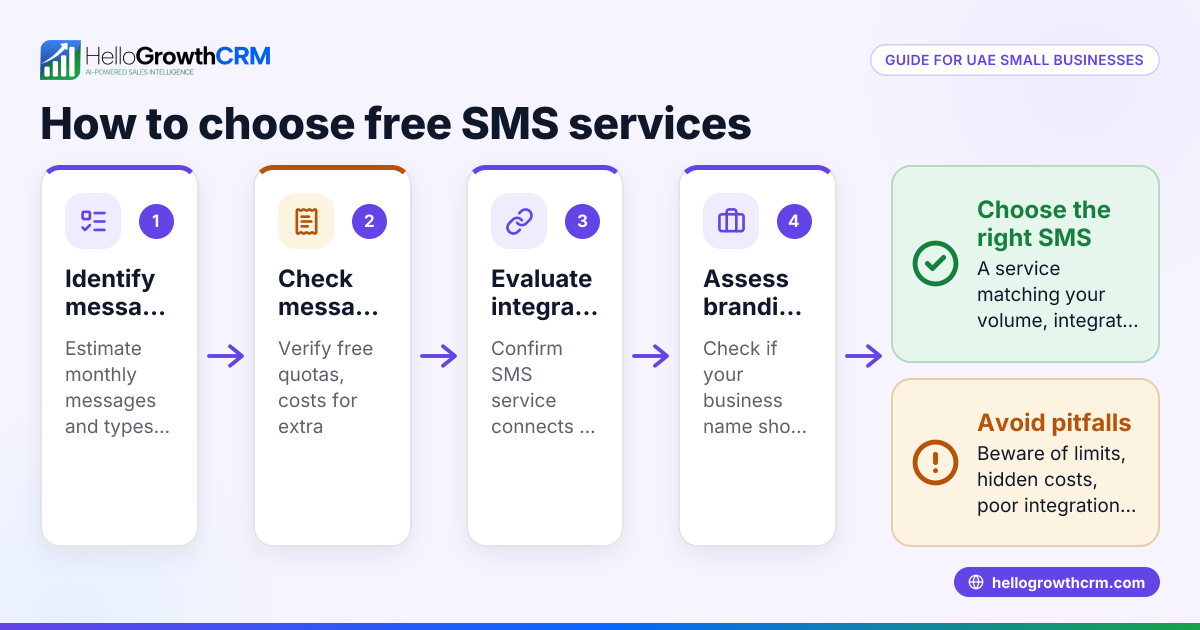
- Choose the follow-up method: Decide if the follow-up will be a WhatsApp message, call, SMS, or email.
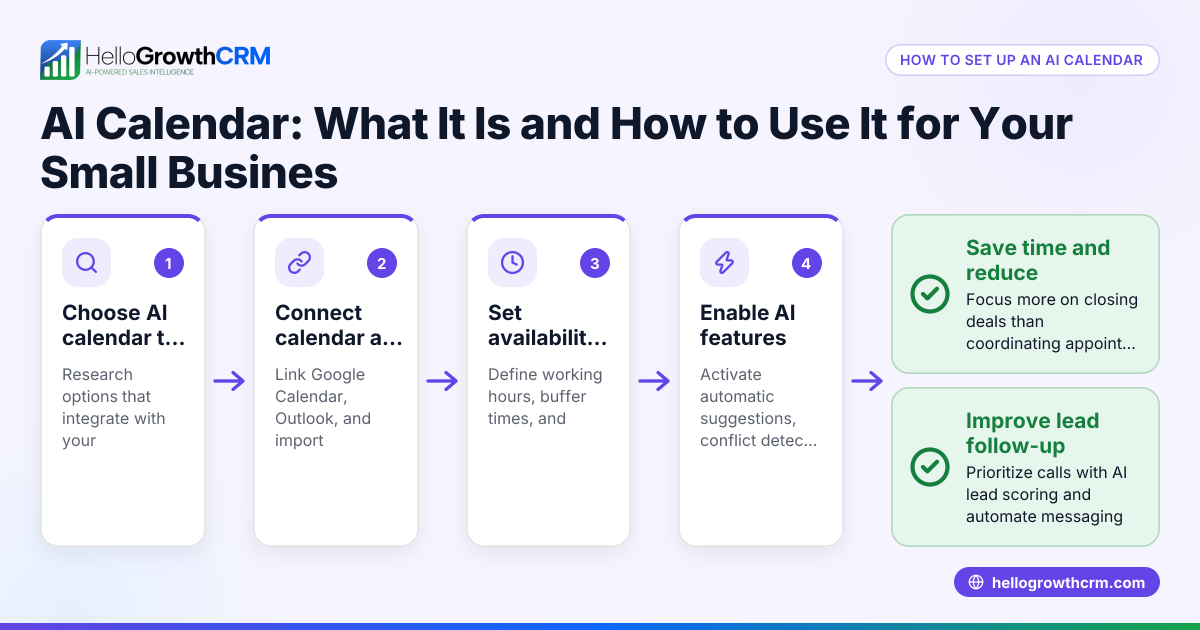
- Set reminders or tasks: Use a calendar app, spreadsheet with alerts, or a CRM task board to remind you of each follow-up.
- Log each follow-up action: Record calls, messages, or meetings to track progress and plan the next step.
- Review and update daily: At the start of each day, check your follow-up calendar and prepare for that day’s contacts.
- Adjust follow-up intervals as needed: If a lead responds, pause or change the follow-up schedule accordingly.
Use tools like sales task boards to manage follow-ups visually and avoid missing calls.
Example (fictional figures)
Business: Business setup consultancy in Business Bay, Dubai.
- Lead: Ahmed, interested in company formation.
- Priority: High
- Last contact: 01/06/2024
- Next follow-up: 04/06/2024
- Follow-up method: WhatsApp message
Calculation for follow-up intervals:
High priority follow-ups every 3 days.
Last contact date: 01/06/2024
Next follow-up date = 01/06/2024 + 3 days = 04/06/2024
Cost of lost opportunity if follow-up delayed:
Estimated deal value: AED 50,000 Probability of closing without follow-up: 10% Probability with timely follow-up: 40%
Additional expected value due to follow-up:
AED 50,000 × (40% - 10%) = AED 50,000 × 30% = AED 15,000
This shows timely follow-ups can significantly increase expected revenue.
Common mistakes
- Not setting specific due dates: Avoid vague plans like "follow up next week"; set exact dates to prevent forgetting.
- Relying on memory alone: Use task boards or calendar reminders instead of remembering follow-ups.
- Ignoring lead priority: Treating all leads equally wastes time; prioritise by deal size and interest.
- Failing to log follow-ups: Without recording actions, you lose context and may repeat or miss steps.
- Not updating the calendar after responses: If a lead replies, pause automated follow-ups to avoid spamming.
- Using multiple unconnected tools: Consolidate follow-ups in one system to avoid confusion.
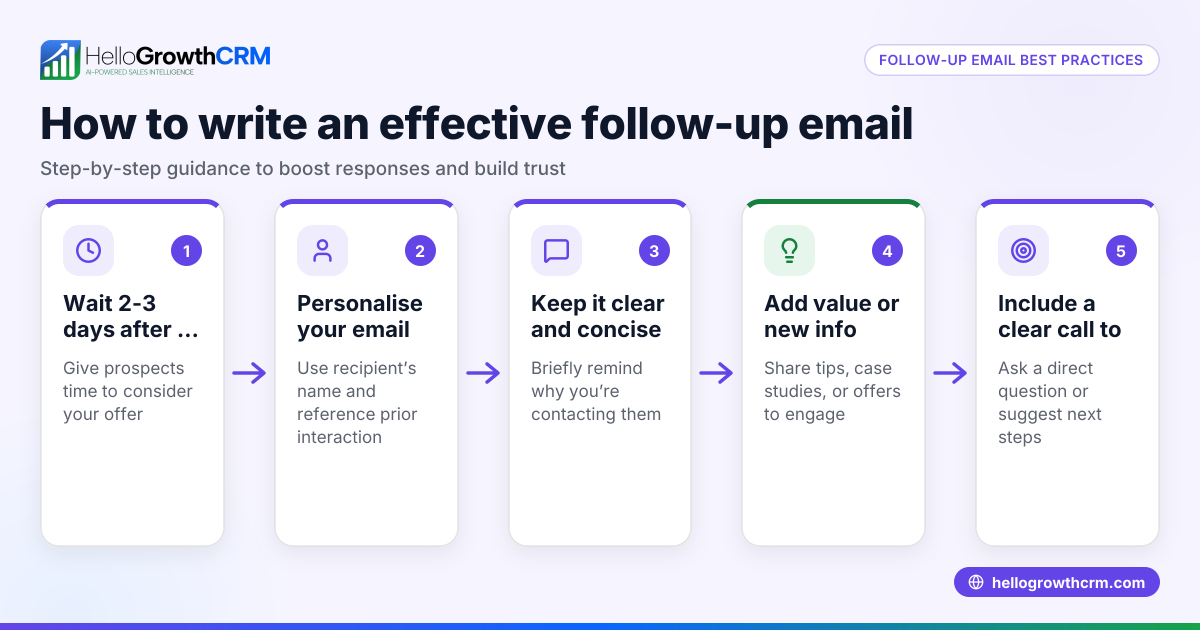
Using email automation and sequences can help automate multi-step follow-ups and reduce errors.
Doing this in HelloGrowthCRM
HelloGrowthCRM offers features to simplify follow-up calendars:
- Activities and task boards: Each follow-up becomes a task with a due date; the day’s calls appear as a list, not a memory test. This keeps your team organised and on schedule. Learn more about sales task boards.
- Sequences and campaigns: Set up a five-step follow-up sequence over two weeks that runs automatically and stops as soon as the prospect replies. This ensures consistent outreach without manual effort. More details at email automation and sequences.
- AI agents: An AI drafts follow-up messages after calls for your review and sending, saving time and improving message quality. This feature is in beta on Growth plans. See HelloGrowthCRM for the United Arab Emirates for full details.
Frequently asked questions
How often should I follow up with leads in the UAE? Follow-up frequency depends on lead priority: high priority leads every 2-3 days, medium priority weekly, and low priority every two weeks. Adjust based on lead responsiveness.
What is the best way to track follow-ups without forgetting? Use a task board or calendar with reminders. HelloGrowthCRM’s activities and task boards help you keep track of due follow-ups so you don’t rely on memory.
Can I automate follow-up messages? Yes, automated sequences let you schedule multi-step follow-ups via WhatsApp, email, or SMS that stop automatically when the prospect responds.
How do I avoid annoying leads with too many follow-ups? Set a maximum number of follow-ups and pause sequences immediately when a lead replies. Always personalise messages and respect the lead’s communication preferences.
Is it better to follow up by WhatsApp or email in UAE small businesses? WhatsApp is popular for quick, informal contact, but email can be better for detailed information. Use both depending on your lead’s preference.
Key takeaways
- Create a clear list of leads with assigned follow-up dates and priority.
- Use specific due dates and reminders to avoid missed contacts.
- Log every follow-up action and update the calendar after each contact.
- Prioritise leads to focus effort on the most promising prospects.
- Avoid over-following by pausing sequences once a lead replies.
- Use tools like HelloGrowthCRM’s task boards and sequences to automate and organise follow-ups.
Start building your follow-up calendar today to improve lead conversion and sales efficiency. To simplify this process, consider trying HelloGrowthCRM’s Free Forever plan with 200 leads and no credit card required at Start on the Free Forever plan (200 leads, no credit card).
Ready to put this into practice?
Set up your pipeline, WhatsApp follow-ups, and AI lead scoring in minutes — free, no credit card.
Try HelloGrowthCRM freeGet CRM tips in your inbox
Join thousands of sales professionals who get weekly insights on CRM strategy, AI automation, and pipeline optimization.

The HelloGrowthCRM team publishes guides on CRM strategy, AI sales tools, and revenue operations for small business sales teams.