HelloGrowthCRM software
Built for real small-business sales teams
HelloGrowthCRM helps reps qualify faster, follow up on time, and close more deals—with practical automation in one place.
- AI lead scoring and pipeline visibility
- Built-in dialer, WhatsApp, and email automation
- Sales forecasting and RevOps-ready reporting
To get into remote sales, you need to focus on three main areas: developing your sales skills for remote communication, setting up digital tools to manage leads and follow-ups, and organizing a repeatable sales process that works without face-to-face contact. This guide will explain why small businesses seek remote sales, provide a clear step-by-step plan, show an example with numbers, list common mistakes, and describe how HelloGrowthCRM supports remote sales teams.
Why this comes up / what goes wrong
Many small business owners want to expand sales beyond their local area or reduce travel costs by selling remotely. However, they often struggle because they rely on informal methods like text messages, emails, and spreadsheets that don’t scale well. Without a structured system, leads get lost or forgotten, follow-ups are inconsistent, and sales slow down. Remote sales require clear organization, reliable communication tools, and a process that keeps your team on track even when working apart.
Step-by-step
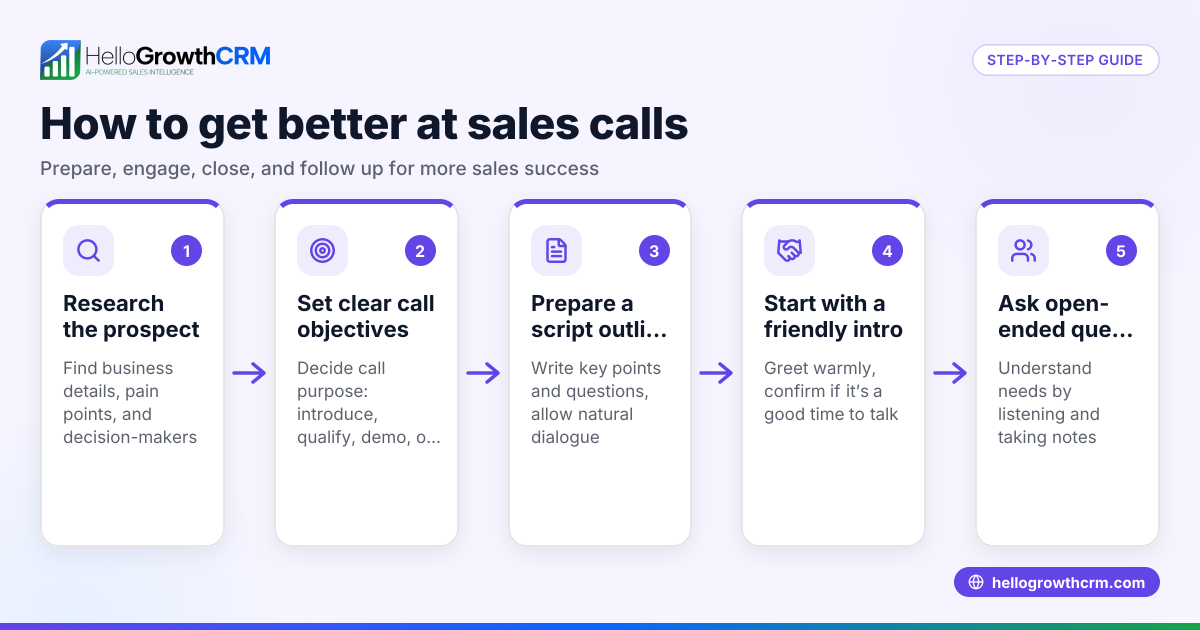
- Learn remote sales skills: Understand how to communicate effectively by phone, email, and chat platforms like WhatsApp. Practice clear, concise messaging and active listening.
- Choose your sales tools: Pick a CRM that supports remote sales with lead capture, pipeline tracking, and communication sequences. Check if it integrates email, SMS, and WhatsApp messaging to centralize contact.
- Set up your sales pipeline: Define your sales stages (e.g., Lead, Contacted, Quote Sent, Negotiation, Closed). Create tasks and follow-up reminders for each stage to avoid losing deals.
- Capture leads efficiently: Use web forms or integrations to automatically add new leads to your CRM. Ensure every lead is assigned and followed up promptly.
- Create communication sequences: Develop email, SMS, and WhatsApp sequences for follow-up that automate reminders and keep prospects engaged.
- Track and analyze your sales data: Monitor your pipeline regularly to forecast sales and identify bottlenecks. Adjust your approach based on results.
- Train your team on remote sales best practices: Share guidelines and scripts for remote calls and messages. Encourage logging all activity in your CRM.
- Review and refine your process weekly: Set aside time to clean up old leads, update deal statuses, and plan next steps.
Check that all tools allow you to work fully remotely and that your team knows how to use them effectively.
Example (fictional figures)
A B2B software reseller in Denver, Colorado, wants to start remote sales on 07/01/2026. They expect 50 new leads per month and aim for a 10% close rate with an average deal size of $12,000.
- Leads per month = 50
- Close rate = 10% = 0.10
- Average deal size = $12,000
Calculate expected monthly sales revenue:
50 × 0.10 = 5 deals closed 5 × $12,000 = $60,000 monthly revenue
To track these deals, they set up a sales pipeline with stages: New Lead, Contacted, Quote Sent, Negotiation, Closed.
Each deal moves through stages with follow-up tasks scheduled. For example, a quote sent on 07/05/2026 has a follow-up reminder for 07/12/2026.
This structure ensures no deal is forgotten and the sales forecast of $60,000 monthly is realistic and trackable.
Common mistakes
- Not using a CRM or using spreadsheets only: Leads get lost or forgotten. Prevent this by adopting a CRM that tracks deals and follow-ups automatically.
- Failing to follow up promptly: Slow follow-up kills deals. Set reminders and sequences to ensure timely contact.
- Poor communication skills on remote channels: Messages that are unclear or too salesy turn prospects off. Use concise, helpful language and listen actively.
- Overcomplicating the sales process: Too many stages or tasks confuse the team. Keep the pipeline simple and focused.
- Ignoring sales data and forecasts: Without tracking, you can’t improve. Review pipeline reports weekly to adjust your strategy.
- Not training the team on remote sales tools and methods: Leads to inconsistent use and lost opportunities. Provide clear training and documentation.
For more on managing pipelines and follow-ups, see HelloGrowthCRM for the United States.
Doing this in HelloGrowthCRM
HelloGrowthCRM helps you manage remote sales by showing deals in a pipeline with stages and follow-up dates. For example, a quotation sent last week appears at the 'quote sent' stage with a follow-up date so it’s not forgotten. If you have field reps, they can log visits from their phones and managers see the day’s activity. For founders without a sales manager, Managed RevOps provides weekly follow-up support to keep your pipeline clean and active. Learn more about these features at WhatsApp and SMS CRM and the built-in CRM dialer.
Frequently asked questions
What skills do I need to succeed in remote sales? You need strong communication skills for phone, email, and chat, plus discipline to follow up consistently. Being organized and comfortable with digital tools is also essential.
How do I keep track of leads and deals remotely? Use a CRM with pipeline management and task reminders. This keeps all your deals visible, tracks follow-ups, and helps forecast sales.
Can I manage remote sales alone as a small business owner? Yes, but it requires a system to keep leads active and follow-ups timely. Managed RevOps services can help by providing weekly follow-up execution.
What tools work best for remote sales communication? Tools that integrate email, SMS, and WhatsApp messaging help centralize communication. A CRM with these built-in sequences saves time and reduces lost leads.
How often should I review my remote sales pipeline? Weekly reviews help keep your pipeline healthy by updating deal statuses, cleaning old leads, and planning next steps.
For more on sales pipeline and follow-up management, visit HelloGrowthCRM for the United States.
Key takeaways
- Start by building remote sales communication skills and discipline.
- Use a CRM to capture leads, track deals, and automate follow-ups.
- Define a simple sales pipeline with clear stages and scheduled tasks.
- Review your sales data weekly to forecast and adjust strategies.
- Avoid common mistakes like losing leads, slow follow-up, and poor communication.
- HelloGrowthCRM supports remote sales with pipeline tracking, field operations logging, and Managed RevOps support.
Start your remote sales journey today with the Free Forever plan (200 leads, no credit card) from HelloGrowthCRM.
Ready to put this into practice?
Set up your pipeline, WhatsApp follow-ups, and AI lead scoring in minutes — free, no credit card.
Try HelloGrowthCRM freeGet CRM tips in your inbox
Join thousands of sales professionals who get weekly insights on CRM strategy, AI automation, and pipeline optimization.

The HelloGrowthCRM team publishes guides on CRM strategy, AI sales tools, and revenue operations for small business sales teams.