HelloGrowthCRM software
Built for real small-business sales teams
HelloGrowthCRM helps reps qualify faster, follow up on time, and close more deals—with practical automation in one place.
- AI lead scoring and pipeline visibility
- Built-in dialer, WhatsApp, and email automation
- Sales forecasting and RevOps-ready reporting
To make funnels, start by defining your goal, identifying your target audience, designing the funnel stages, and creating content or offers for each stage. Then set up tracking and test the funnel. This article covers why funnels matter, detailed steps, a worked example, common mistakes, and FAQs to help you build effective funnels today.
Why this comes up / what goes wrong
Small business owners in the US often want to make funnels to turn website visitors or leads into paying customers. However, many struggle because they run sales processes on text messages, email, and spreadsheets without a clear funnel structure. They lose leads to slow follow-up or unclear next steps. Without funnels, it’s hard to know where prospects drop off or what content moves them forward. Creating funnels helps organize marketing and sales efforts into stages that guide prospects smoothly toward a purchase.
Step-by-step
- Define your funnel goal. Decide what action you want the funnel to achieve, such as booking a consultation, making a purchase, or signing up for a newsletter. Check that this goal aligns with your overall business objectives.
- Identify your target audience. Specify who the funnel is for, including demographics, interests, and pain points. This helps tailor your messaging and offers.
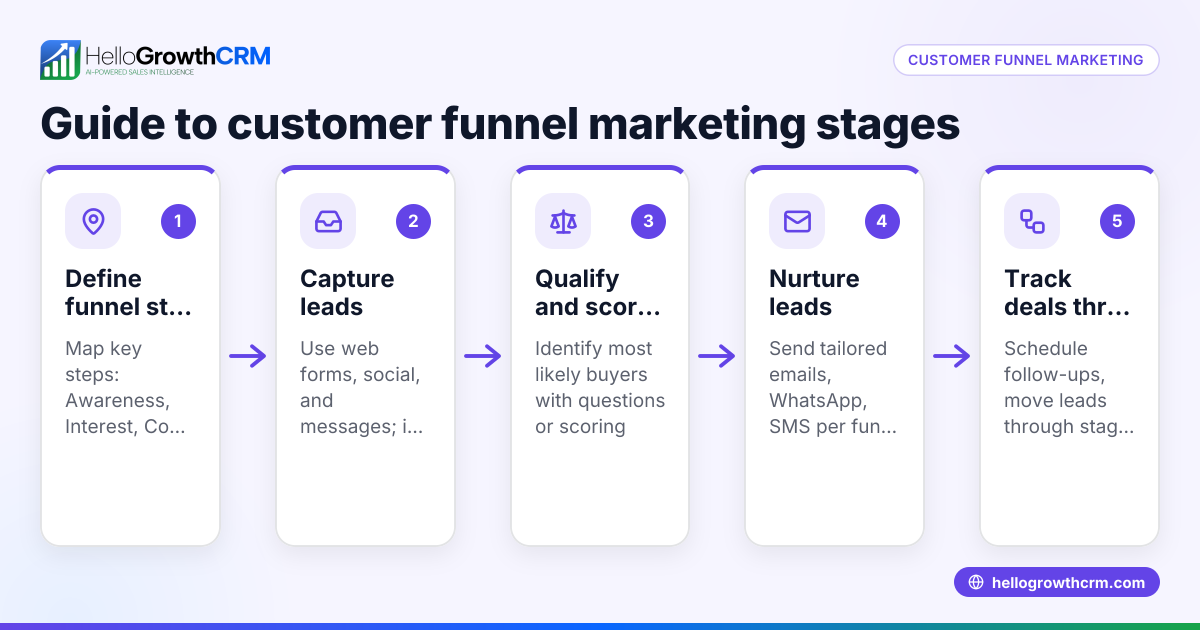
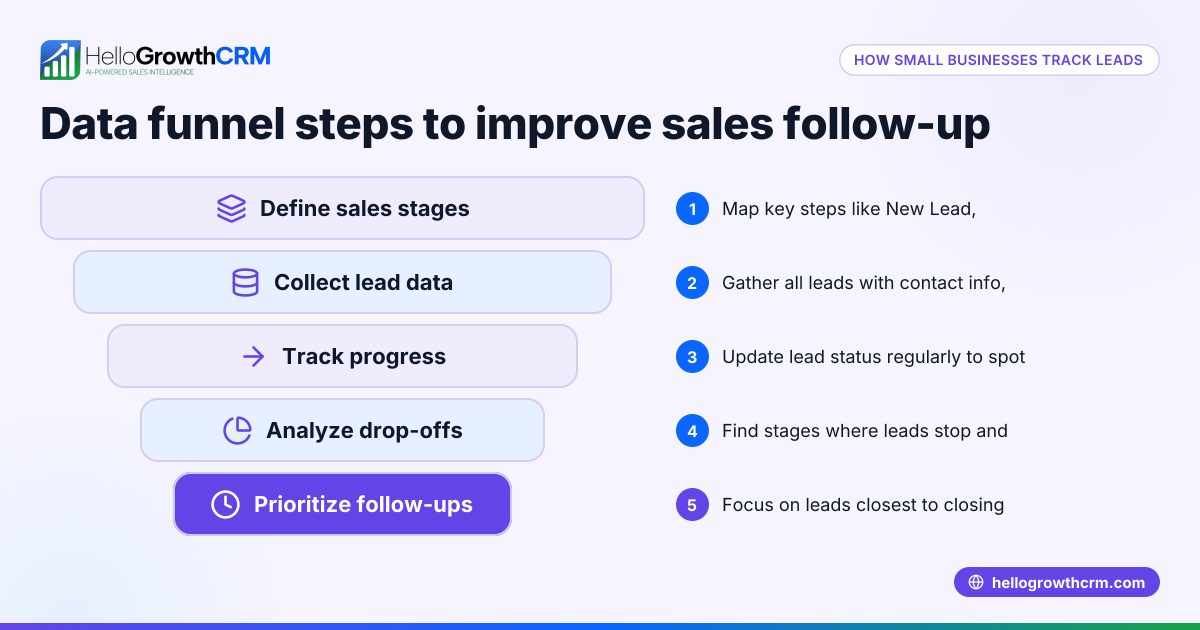
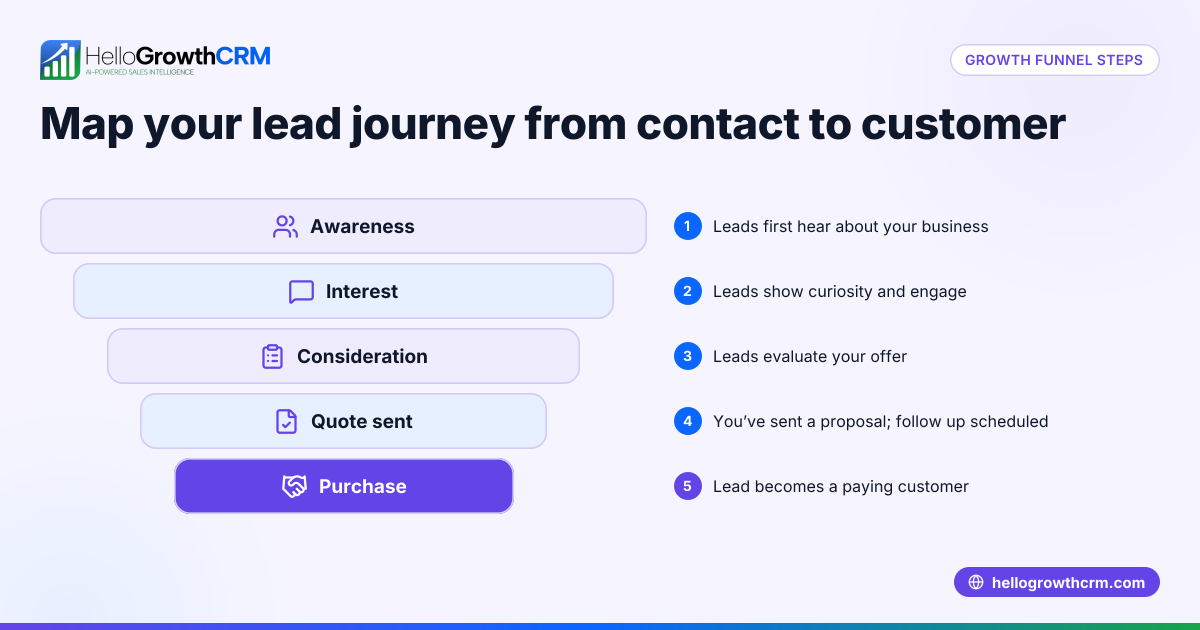
- Map out funnel stages. Typical stages are Awareness (prospect learns about you), Interest (prospect shows interest), Decision (prospect considers buying), and Action (prospect buys). Adjust stages to fit your business.
- Create content or offers for each stage. For Awareness, use blog posts or ads. For Interest, offer free guides or webinars. For Decision, provide demos or consultations. For Action, have a clear call to buy or sign up.
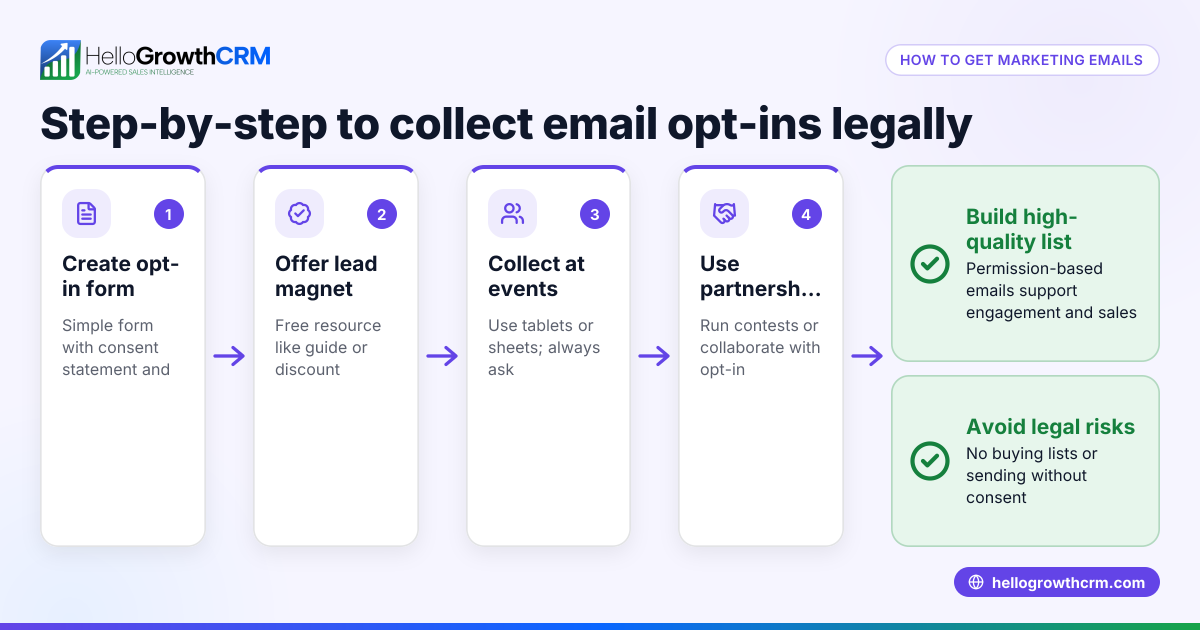
- Set up lead capture methods. Use web forms, landing pages, or integrations to collect contact details at the top of the funnel.
- Plan follow-up sequences. Use email, WhatsApp, or SMS sequences to nurture leads through the funnel stages. Make sure the messages are timely and relevant.
- Track funnel performance. Monitor how many leads enter each stage and how many convert to the next. Adjust your funnel based on these insights.
- Test and optimize. Run A/B tests on offers, messaging, and timing to improve conversion rates.
- Use tools that fit your workflow. Since many US small businesses run sales on text, email, and spreadsheets, consider tools that integrate these channels and automate tracking. See WhatsApp and SMS CRM and built-in CRM dialer for relevant options.
- Review and update regularly. Funnels are not set-and-forget; revisit them monthly or quarterly to keep them effective.
Example (fictional figures)
A two-location dental practice in Columbus, Ohio, wants to create a funnel to increase new patient bookings.
- Goal: Book 50 new patient consultations in 3 months.
- Target audience: Adults aged 25-50 in Columbus area.
Step 1: Awareness stage — Run Facebook ads targeting local adults, expecting 10,000 clicks.
Step 2: Lead capture — Create a landing page with a web form offering a free dental health guide.
Assume 5% of clicks fill the form: 10,000 clicks × 5% = 500 leads
Step 3: Interest stage — Send a WhatsApp message with a special offer for a free consultation.
Assume 30% respond positively: 500 leads × 30% = 150 interested prospects
Step 4: Decision stage — Follow up with phone calls to schedule appointments.
Assume 40% schedule: 150 interested × 40% = 60 booked consultations
Step 5: Action stage — Patients show up for appointments.
Assume 80% attendance: 60 booked × 80% = 48 new patients
Result: 48 new patients close to the 50 goal, showing the funnel’s effectiveness.
Common mistakes
- Skipping funnel planning: Without clear stages and goals, funnels don’t guide prospects effectively. Prevent by mapping stages before launching.
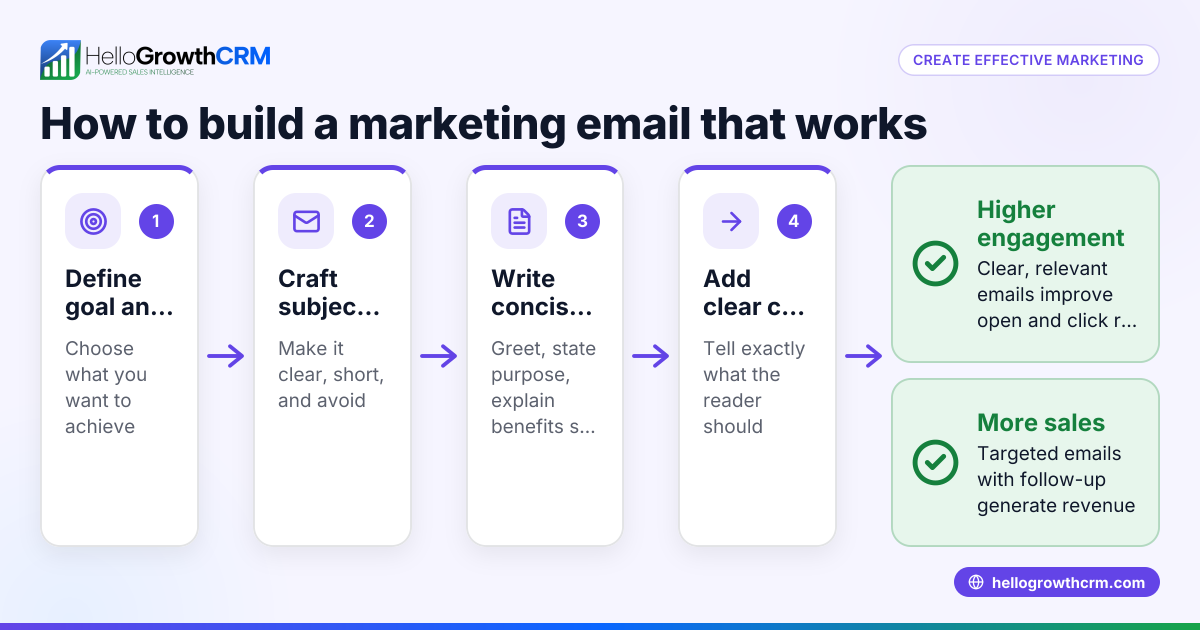
- Ignoring follow-up timing: Delayed follow-up loses leads. Prevent by automating timely messages via email or WhatsApp.
- Using inconsistent messaging: Mixed messages confuse prospects. Prevent by keeping tone and offers aligned across channels like email and SMS.
- Not tracking funnel metrics: Without data, you can’t improve. Prevent by setting up tracking on web forms and follow-ups.
- Relying solely on manual processes: Spreadsheets and texts can cause errors and delays. Prevent by using tools with integrated CRM and dialer features like HelloGrowthCRM for the United States.
Frequently asked questions
What is a sales funnel? A sales funnel is a step-by-step process that guides potential customers from first learning about your business to making a purchase. It breaks down the buyer’s journey into stages like Awareness, Interest, Decision, and Action.
How do I choose the right funnel stages? Choose stages that reflect your customer’s buying process and your sales cycle. Common stages are Awareness, Interest, Decision, and Action, but you can customize based on your business needs.
Can I use WhatsApp and SMS for funnels? Yes, WhatsApp and SMS are effective channels for follow-up and nurturing leads. Using a CRM that supports these channels helps automate and track your funnel communications. See WhatsApp and SMS CRM.
How often should I update my funnel? Review and update your funnel regularly, at least quarterly, to adapt to market changes, customer feedback, and performance data.
What tools can help manage funnels for small businesses? Tools that integrate lead capture, messaging (email, WhatsApp, SMS), and calling help manage funnels efficiently. Consider solutions with built-in dialers and CRM features like built-in CRM dialer.
Key takeaways
- Define clear funnel goals and target audience before building.
- Map funnel stages and create tailored content or offers for each.
- Use lead capture methods and timely follow-up sequences.
- Track funnel metrics and optimize regularly.
- Avoid manual processes; use integrated tools for better funnel management.
Start building your funnels today with tools designed for your workflow. Start on the Free Forever plan (200 leads, no credit card) to organize your leads and follow-ups efficiently.
Ready to put this into practice?
Set up your pipeline, WhatsApp follow-ups, and AI lead scoring in minutes — free, no credit card.
Try HelloGrowthCRM freeGet CRM tips in your inbox
Join thousands of sales professionals who get weekly insights on CRM strategy, AI automation, and pipeline optimization.

The HelloGrowthCRM team publishes guides on CRM strategy, AI sales tools, and revenue operations for small business sales teams.