HelloGrowthCRM software
Built for real small-business sales teams
HelloGrowthCRM helps reps qualify faster, follow up on time, and close more deals—with practical automation in one place.
- AI lead scoring and pipeline visibility
- Built-in dialer, WhatsApp, and email automation
- Sales forecasting and RevOps-ready reporting
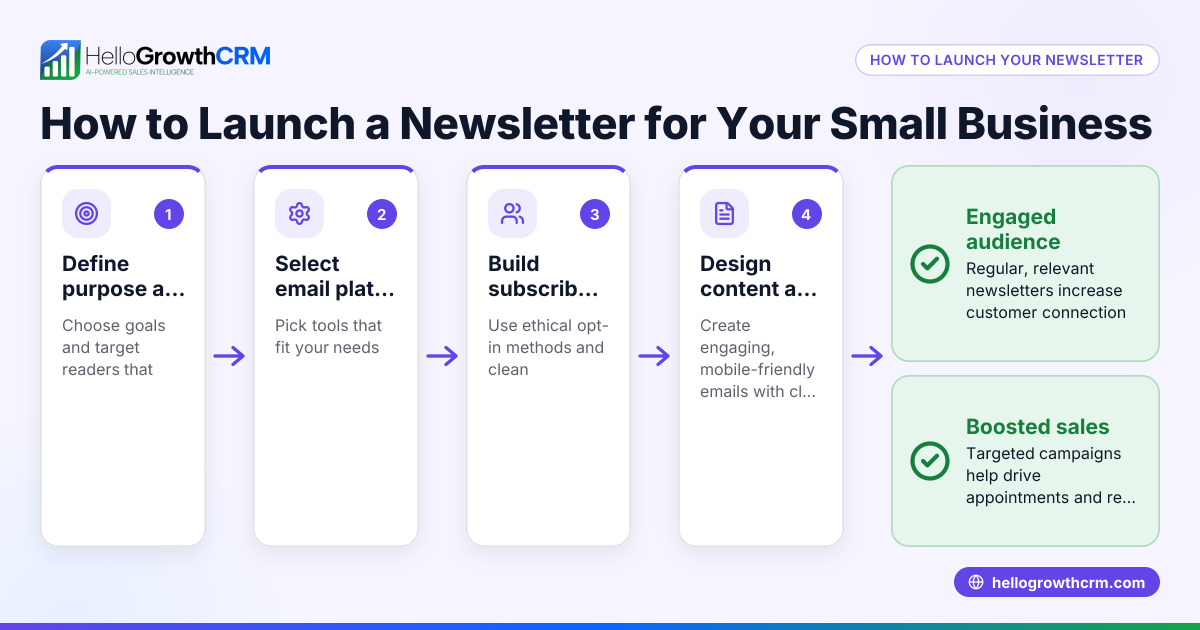
Writing a newsletter is a practical way to keep your customers informed, engaged, and connected to your business. To create one effectively, you need to know your audience, plan your message, write clear and concise content, and include a call to action that encourages reader response. This article breaks down the process into simple steps, offers a realistic example with numbers, highlights common pitfalls, and answers frequently asked questions.
Why this comes up / what goes wrong
Many small business owners want to keep in touch with customers or leads but struggle to write newsletters that get read. They may be unsure what content to include, how often to send, or how to organize their message. Without a clear plan, newsletters can become long, unfocused, or boring, causing readers to unsubscribe or ignore future emails. Also, business owners often lack time or resources to write newsletters that look professional and deliver value.
Step-by-step
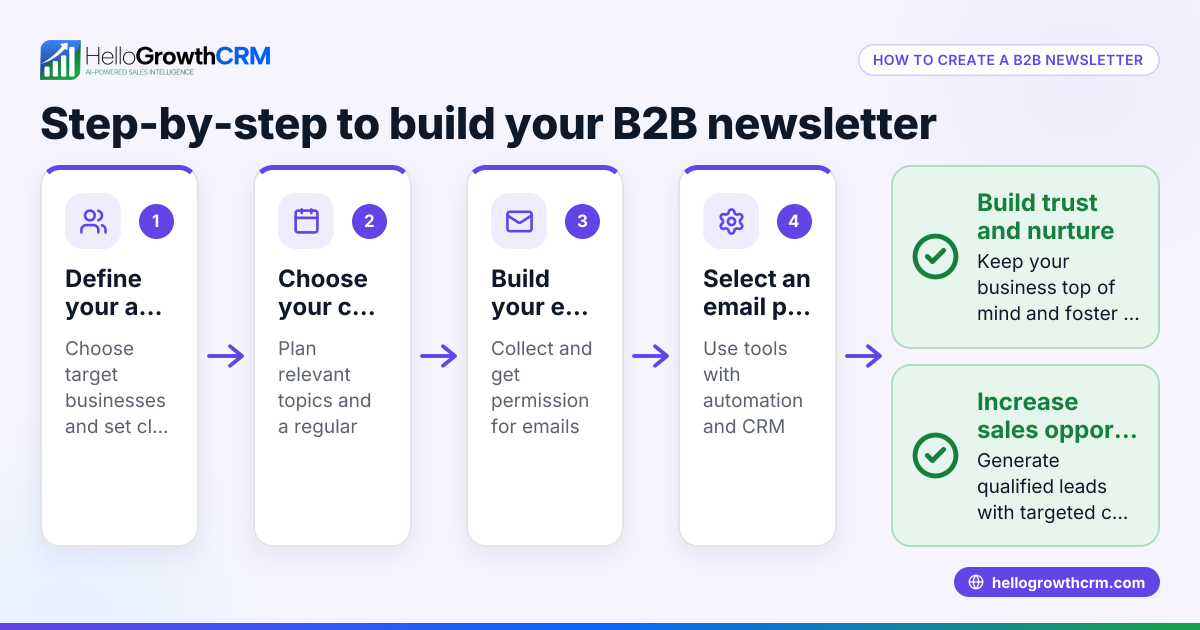
- Define your newsletter’s purpose and audience. Decide if your newsletter aims to inform, promote, educate, or build relationships. Identify who will read it (customers, leads, partners) and what they care about.
- Choose a regular schedule. Pick how often you will send your newsletter (weekly, monthly, quarterly) and stick to it so readers know when to expect it.
- Plan your content themes. Outline main topics for each issue that align with your purpose and audience interests. Examples: industry news, tips, product updates, events.
- Write a compelling subject line. Create a short, clear subject that grabs attention and hints at the newsletter’s value.
- Craft a friendly greeting. Start with a personalized or warm opening to connect with readers.
- Write the main articles or sections. Keep paragraphs short and use headings or bullet points. Focus on one idea per section and provide useful information or stories.
- Include images or visuals if possible. Use photos, charts, or graphics to break up text and add interest.
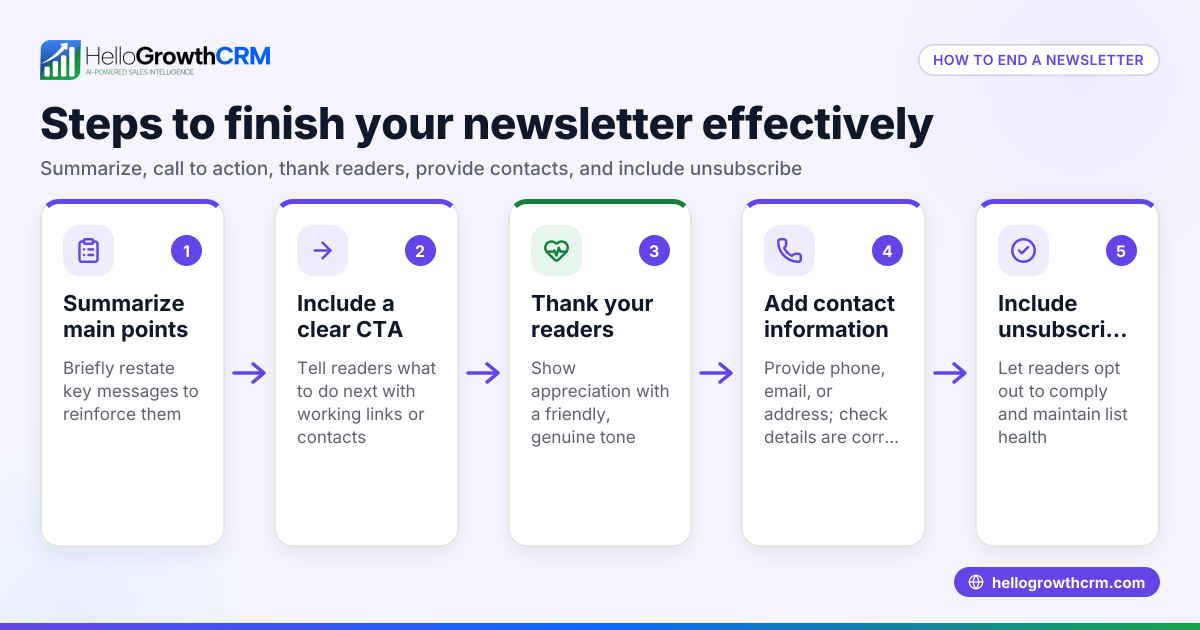
- Add a clear call to action (CTA). Tell readers what you want them to do next (visit your website, book a service, reply to the email).
- Proofread and test. Check spelling, grammar, and formatting. Send a test email to yourself or a colleague to see how it looks.
- Send and track results. Use your email platform to send the newsletter and monitor open rates, clicks, and responses to improve future issues.
For managing your contacts and tracking leads alongside email communication, consider CRM tools like HelloGrowthCRM for the United States that support WhatsApp and SMS outreach as well.
Example (fictional figures)
Meet GreenLeaf Landscaping, a small landscaping contractor in Charlotte, North Carolina. On 06/15/2026, they plan their first monthly newsletter to promote spring services.
- Purpose: Promote spring lawn care packages
- Audience: 500 existing customers and leads
- Subject line: "Get Your Lawn Ready for Summer – Spring Specials Inside"
- Content sections:
- Lawn care tips for spring
- Highlight of $250 spring cleanup package
- Customer testimonial
- CTA: "Book your spring service by 06/30/2026 and save 10%!"
They estimate 20% will open the email:
500 × 20% = 100 readers
Of those, 15% might book a service:
100 × 15% = 15 bookings
At $250 per booking:
15 × $250 = $3,750 revenue
This newsletter helps GreenLeaf generate $3,750 in potential sales from one email.
Common mistakes
- Sending without a clear goal. Prevent by defining your newsletter’s purpose before writing.
- Writing too much text. Keep content concise and scannable with headings and bullets.
- Ignoring mobile readers. Use simple formatting and test emails on phones.
- No call to action. Always include a clear next step for readers.
- Irregular sending schedule. Pick a schedule and stick to it to build trust.
- Not tracking results. Use email analytics or CRM tools to see what works and improve.
Using a CRM with features like WhatsApp and SMS CRM can help you follow up with interested leads quickly and organize your communication.
Frequently asked questions
How often should I send a newsletter? Most small businesses send newsletters monthly or quarterly. Choose a frequency you can maintain consistently without sacrificing quality.
What topics should I include in a newsletter article? Focus on topics your audience cares about, such as tips, updates, promotions, or stories related to your products or services. Keep articles focused and informative.
How do I write an article for a newsletter? Start with a clear headline, write a brief introduction, present your main points in short paragraphs or bullets, and end with a call to action. Use simple language and keep it engaging.
Can I use my CRM to help with newsletters? Yes, CRMs like HelloGrowthCRM help manage contacts, segment your audience, and track engagement. They also include tools like a built-in CRM dialer for follow-up calls.
What is a good subject line for a newsletter? Use clear, benefit-focused language that sparks curiosity or promises value, such as "5 Tips to Save on Your Next Lawn Care" or "Exclusive Offer Inside for Our Valued Customers."
Key takeaways
- Define your newsletter’s purpose and audience before writing.
- Plan and organize content into clear, concise sections.
- Use a compelling subject line and include a clear call to action.
- Maintain a consistent sending schedule to build reader trust.
- Test your newsletter for readability and track engagement to improve.
- Use CRM tools like HelloGrowthCRM for the United States to manage leads and communication.
Start your newsletter today with these steps and watch your customer engagement grow. To manage your contacts and leads efficiently, start on the Free Forever plan (200 leads, no credit card).
Ready to put this into practice?
Set up your pipeline, WhatsApp follow-ups, and AI lead scoring in minutes — free, no credit card.
Try HelloGrowthCRM freeGet CRM tips in your inbox
Join thousands of sales professionals who get weekly insights on CRM strategy, AI automation, and pipeline optimization.

The HelloGrowthCRM team publishes guides on CRM strategy, AI sales tools, and revenue operations for small business sales teams.