HelloGrowthCRM software
Built for real small-business sales teams
HelloGrowthCRM helps reps qualify faster, follow up on time, and close more deals—with practical automation in one place.
- AI lead scoring and pipeline visibility
- Built-in dialer, WhatsApp, and email automation
- Sales forecasting and RevOps-ready reporting
A high retention rate means your business keeps a large percentage of its customers over a set period. This is good because retaining customers usually costs less than acquiring new ones and often leads to more revenue through repeat sales and referrals. For small businesses, focusing on retention stabilizes income and builds a loyal customer base.
Why this comes up / what goes wrong
Small-business owners often ask if a high retention rate is good because they face fluctuating sales and rising marketing expenses. Without tracking retention, it’s hard to tell if customers are satisfied or if growth is sustainable. Common problems include slow follow-up on customer inquiries, scattered customer data across spreadsheets and messages, and weak after-sale service. These issues cause retention to drop, leading to lost revenue and wasted marketing efforts.
Step-by-step
- Define your retention period. Choose a timeframe that fits your business cycle, such as monthly, quarterly, or annually.
- Calculate your retention rate. Use this formula:
(Number of customers at end of period - New customers acquired during period) ÷ Number of customers at start of period × 100
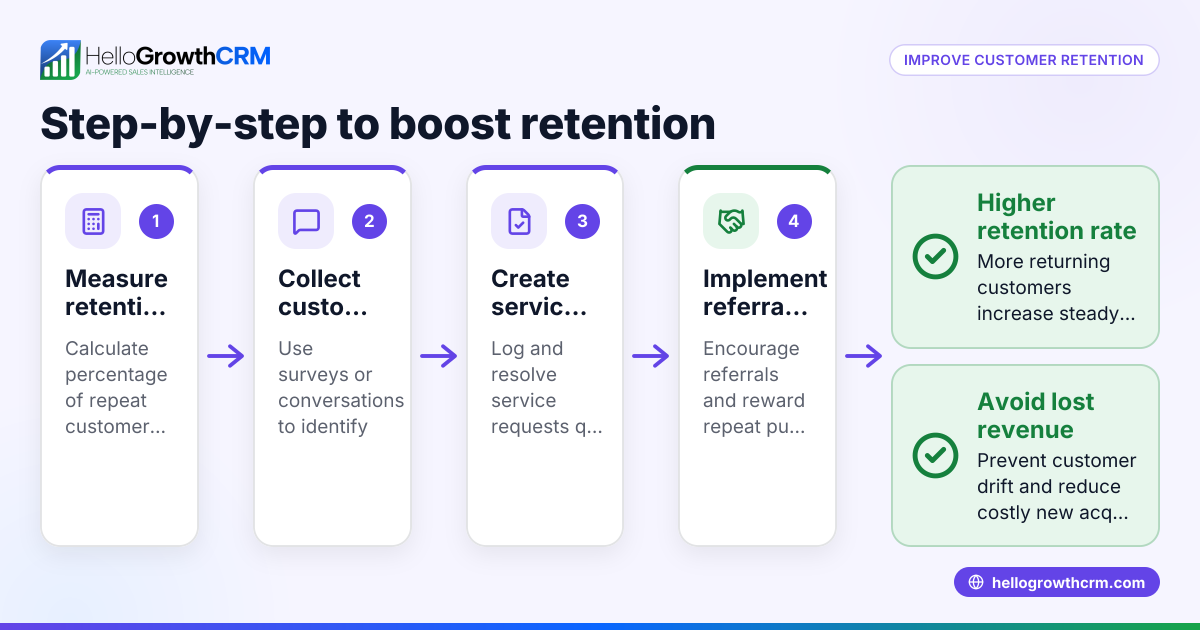
- Track customer interactions. Record sales, service requests, and communications to identify loyal customers and those at risk.
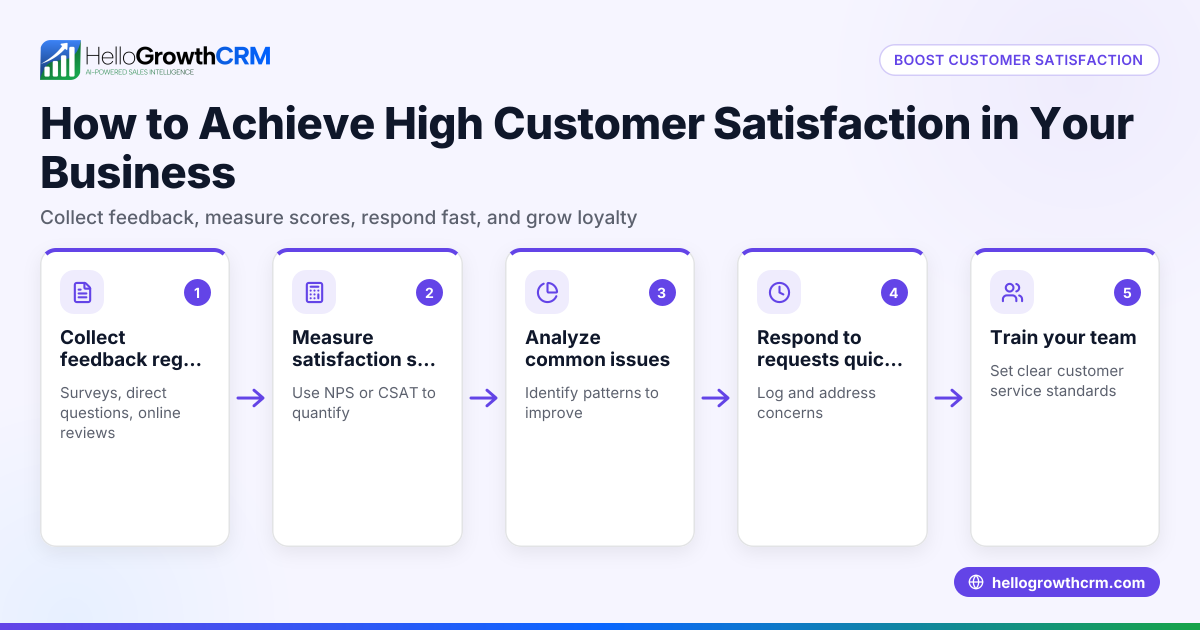
- Analyze reasons for churn. Survey customers who leave or reduce purchases to understand why.
- Improve customer experience. Use feedback to enhance your products, services, and communication.
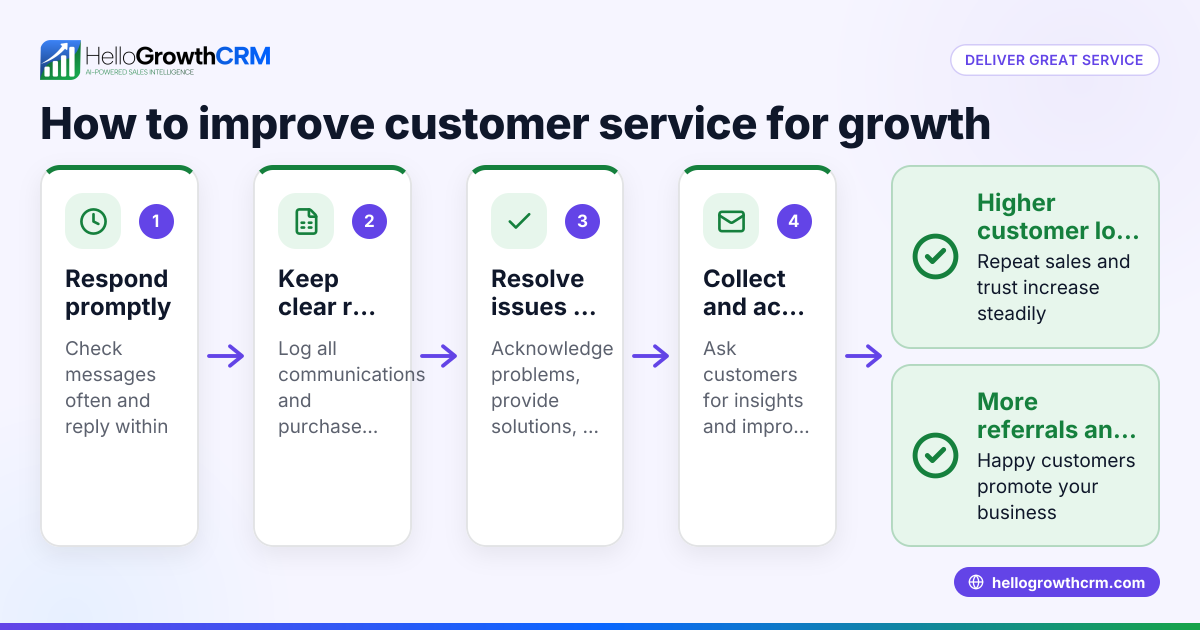
- Follow up consistently. Respond promptly to inquiries and service requests to keep customers engaged.
- Encourage referrals. Loyal customers often refer others, helping growth.
- Review retention regularly. Monitor trends and adjust strategies as needed.
Tracking customer engagement helps you spot issues early; see how customer health score can assist.
Example (fictional figures)
Consider a plumbing company in Austin, Texas, measuring retention quarterly.
- Customers at start (04/01/2026): 1,000
- New customers acquired in quarter: 200
- Customers at end (06/30/2026): 1,100
Calculate retained customers:
1,100 - 200 = 900
Calculate retention rate:
(900 ÷ 1,000) × 100 = 90%
This means the company kept nine out of ten of its existing customers over the quarter, indicating strong loyalty and satisfaction. Retaining these customers saves marketing costs and supports steady revenue.
Common mistakes
- Not measuring retention at all. Prevent by setting up simple tracking systems.
- Confusing retention with total customers. Always separate new customers from retained ones.
- Ignoring customer feedback. Prevent by actively collecting and acting on feedback.
- Neglecting after-sale service. Prevent by managing service requests on the same customer record to ensure continuity.
- Failing to follow up consistently. Prevent by scheduling regular check-ins.
- Overlooking referral opportunities. Prevent by creating a referral program to reward loyal customers.
Learn how HelloGrowthCRM supports referrals and service management in WhatsApp and SMS CRM.
How to Tell if Your Retention Efforts Are Working
You want to know if your efforts to keep customers are paying off. Here are some simple signs to watch for:
- Stable or rising retention rates: Check your retention rate regularly. If it stays steady or improves, your strategies are likely effective.
- Increasing repeat purchases: More customers coming back to buy again means your service or product meets their needs.
- Positive customer feedback: Look for compliments or constructive suggestions that indicate engagement and satisfaction.
- Fewer complaints and service issues: A drop in problems reported shows you’re resolving issues promptly.
- More referrals: When customers recommend your business to others, it signals trust and loyalty.
- Consistent customer interaction: Regular communication, like follow-ups or newsletters, keeps customers connected.
If you don’t see these signs, review your approach. Ask yourself if you’re responding quickly, personalizing your service, and making customers feel valued. Adjust your tactics and keep tracking results. Retention is an ongoing effort that pays off when you stay attentive and proactive.
Doing this in HelloGrowthCRM
HelloGrowthCRM helps small businesses keep service requests, tickets, and referrals linked to the same customer record as the deal. This creates a complete customer history, making follow-up and problem resolution easier. The branded customer portal and knowledge base improve self-service and customer satisfaction. Learn more about managing customer relationships effectively with customer health score.
Frequently asked questions
What is a good retention rate for a small business? A good retention rate varies by industry, but generally, a higher rate indicates better customer loyalty. Focus on improving your rate over time by enhancing customer experience and follow-up.
How can I improve customer retention? Improve retention by responding quickly to service requests, personalizing communication, and encouraging referrals. Using a CRM to track interactions helps maintain consistent engagement.
Why do customers leave? Customers often leave due to poor service, lack of follow-up, better offers from competitors, or unmet expectations. Identifying these reasons through surveys or feedback helps you address problems.
Can retention rate affect revenue? Yes, retaining customers reduces acquisition costs and increases lifetime value, directly impacting your revenue and profitability.
How does HelloGrowthCRM support retention? It centralizes customer data, service tickets, and referrals, enabling your team to provide timely, consistent service and track customer health easily. Explore more on WhatsApp and SMS CRM.
Key takeaways
- A high retention rate means keeping most customers over time, which benefits your business.
- Calculate retention by tracking customers at the start and end of a period, excluding new customers.
- Improve retention by managing service requests, following up consistently, and encouraging referrals.
- Avoid mistakes like ignoring feedback or mixing new and retained customers.
- HelloGrowthCRM links service requests and referrals to customer records for better follow-up and satisfaction.
Start improving your customer retention today. Start on the Free Forever plan (200 leads, no credit card) to organize your customer data and follow up effectively.
Ready to put this into practice?
Set up your pipeline, WhatsApp follow-ups, and AI lead scoring in minutes — free, no credit card.
Try HelloGrowthCRM freeGet CRM tips in your inbox
Join thousands of sales professionals who get weekly insights on CRM strategy, AI automation, and pipeline optimization.

The HelloGrowthCRM team publishes guides on CRM strategy, AI sales tools, and revenue operations for small business sales teams.