HelloGrowthCRM software
Built for real small-business sales teams
HelloGrowthCRM helps reps qualify faster, follow up on time, and close more deals—with practical automation in one place.
- AI lead scoring and pipeline visibility
- Built-in dialer, WhatsApp, and email automation
- Sales forecasting and RevOps-ready reporting
Measuring client satisfaction is important because it gives you clear feedback on how happy your customers are with your products or services. This information helps you improve what you offer, retain clients, and grow your business. Without measuring satisfaction, you risk losing customers without understanding why. This article covers why measuring satisfaction matters for small businesses, how to do it step-by-step, a realistic example with USD figures, common mistakes to avoid, and answers to common questions.
Why this comes up / what goes wrong
Small-business owners often assume that if customers don’t complain, they are satisfied. This assumption can be misleading. Without actively measuring satisfaction, you might miss early signs of dissatisfaction such as fewer repeat purchases or negative word-of-mouth. For example, a B2B software reseller in Denver might notice declining contract renewals but not realize it's because clients experience slow support response times. Measuring client satisfaction helps you identify problems early and focus on fixing them before losing revenue.
Step-by-step
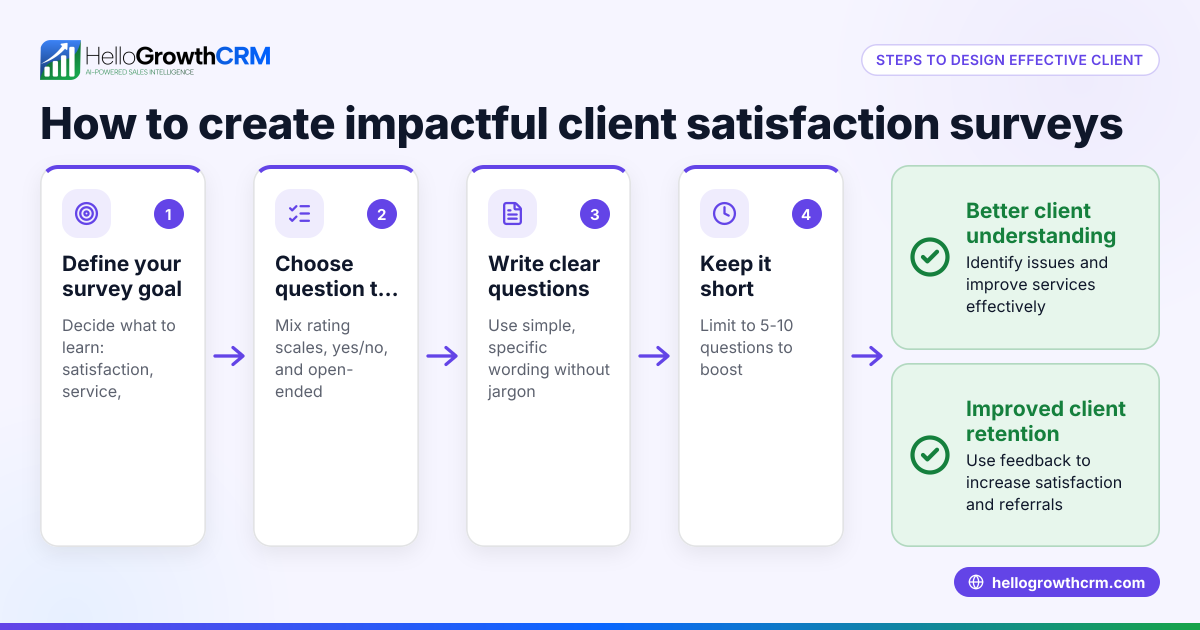
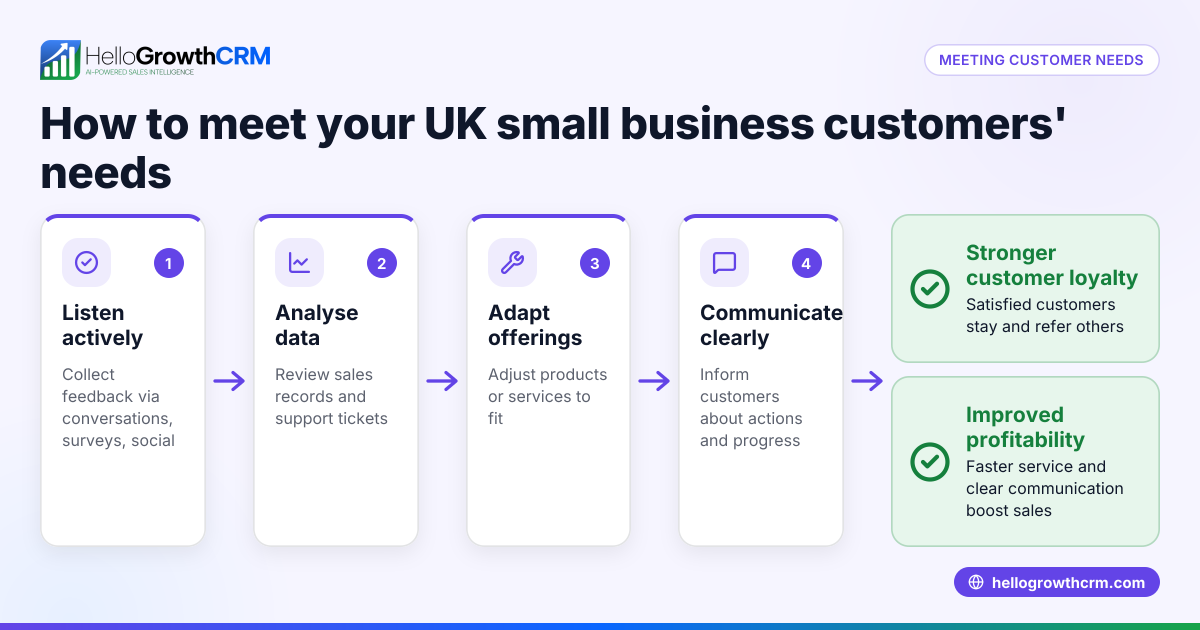
- Define what to measure: Decide which parts of your service or product you want feedback on, such as product quality, customer support, delivery speed, or overall experience.
- Choose a feedback method: Use surveys via email, phone, or online forms; direct interviews; or feedback requests immediately after a sale or service interaction. Keep methods simple to encourage participation.
- Create clear, specific questions: Ask measurable questions like “On a scale of 1 to 10, how satisfied are you with our response time?” or “Would you recommend us to others? Yes or No.”
- Collect feedback regularly: Set a schedule to gather satisfaction data, such as quarterly or after each major transaction.
- Analyze the results: Look for patterns in scores and comments to identify strengths and weaknesses.
- Take action: Use the feedback to improve products or services by addressing common complaints or suggestions.
- Communicate improvements: Inform clients about changes made based on their feedback to show you value their input.
- Repeat measurement: Make satisfaction measurement an ongoing process to track progress and catch new issues.
Using tools like a WhatsApp and SMS CRM or a built-in CRM dialer can help automate feedback collection and follow-up. (business.whatsapp.com) Learn more about HelloGrowthCRM for the United States to see how these tools assist sales and client communication.
Example (fictional figures)
A B2B software reseller in Denver, Colorado, surveyed 100 clients after the first quarter ending 03/31/2026. They received 60 responses.
- Average satisfaction score: 7.5 out of 10
- 45 clients said they would recommend the reseller
- 15 clients reported slow support response times
The reseller wants to improve the average satisfaction score to 8.5 by the next quarter by reducing support response times.
Calculations:
Current satisfaction score = 7.5 Target satisfaction score = 8.5 Improvement needed = 8.5 - 7.5 = 1.0 point
Recommendation rate = (45 ÷ 60) × 100 = 75%
They plan to reduce support response time from 48 hours to 24 hours by hiring an additional support agent. This improvement aims to increase satisfaction and recommendation rates, leading to higher client retention and revenue.
Common mistakes
- Asking too many questions: Long surveys discourage responses. Keep surveys brief and focused to get meaningful feedback.
- Ignoring negative feedback: Don’t dismiss complaints. Use them as opportunities to improve your business.
- Not acting on feedback: Collecting feedback without making changes frustrates customers and wastes effort.
- Measuring too infrequently: Waiting too long between surveys misses early signs of dissatisfaction. Regular measurement helps you catch problems sooner.
- Using unclear questions: Vague or complex questions produce unreliable answers. Be specific and straightforward.
- Not tracking results over time: Without comparing feedback across periods, you can’t tell if your improvements are working.
Avoid these mistakes by following the step-by-step guide above. Using a WhatsApp and SMS CRM or a built-in CRM dialer can streamline survey distribution and response tracking. See how HelloGrowthCRM for the United States can support your sales and client communication efforts.
Frequently asked questions
How often should I measure client satisfaction? Measuring client satisfaction quarterly is common, but you can adjust based on your business needs. Fast-moving industries may benefit from monthly checks. The key is to measure consistently to track trends.
What’s the best way to ask for feedback? Simple surveys sent via email or WhatsApp messages work well. Asking right after a service interaction or purchase improves response rates. Use clear, direct questions.
How do I handle negative feedback? Respond quickly and professionally. Thank clients for their honesty and explain how you will address their concerns. This approach can turn unhappy clients into loyal ones.
Can measuring satisfaction increase sales? Yes. Understanding client needs and improving service based on feedback can boost repeat sales and referrals.
What tools can help with measuring client satisfaction? CRM systems with communication features like WhatsApp and SMS CRM or a built-in CRM dialer can automate surveys and track responses efficiently. Learn more about these tools in HelloGrowthCRM for the United States, WhatsApp and SMS CRM, and the built-in CRM dialer.
Key takeaways
- Measuring client satisfaction shows how well your business meets customer expectations.
- Use simple, focused surveys regularly to collect actionable feedback.
- Analyze results carefully and take concrete steps to improve products or services.
- Avoid common mistakes like ignoring feedback or surveying too rarely.
- Consistent measurement helps retain clients and grow your business.
- Tools like WhatsApp and SMS CRM or a built-in CRM dialer can streamline feedback collection.
Measuring client satisfaction is a practical step any small business can take to improve retention and sales. Start on the Free Forever plan (200 leads, no credit card) at HelloGrowthCRM to organize your sales and client communications efficiently.
Ready to put this into practice?
Set up your pipeline, WhatsApp follow-ups, and AI lead scoring in minutes — free, no credit card.
Try HelloGrowthCRM freeGet CRM tips in your inbox
Join thousands of sales professionals who get weekly insights on CRM strategy, AI automation, and pipeline optimization.

The HelloGrowthCRM team publishes guides on CRM strategy, AI sales tools, and revenue operations for small business sales teams.