HelloGrowthCRM software
Built for real small-business sales teams
HelloGrowthCRM helps reps qualify faster, follow up on time, and close more deals—with practical automation in one place.
- AI lead scoring and pipeline visibility
- Built-in dialer, WhatsApp, and email automation
- Sales forecasting and RevOps-ready reporting
Personalized customer interaction means customizing your communication and service to fit each customer's unique needs, preferences, and history with your business. Instead of generic messages or one-size-fits-all sales approaches, you engage customers with relevant offers, timely responses, and a consistent experience across channels. This article covers why personalized interaction is important for small businesses, how to implement it step-by-step, a detailed example, common pitfalls to avoid, and how HelloGrowthCRM helps manage these interactions efficiently.
Why this comes up / what goes wrong
Many small-business owners struggle with personalized customer interaction because they rely on manual processes like spreadsheets, text messages, and emails scattered across different tools. This fragmentation causes slow follow-up, inconsistent messaging, and missed opportunities. Without a clear view of each customer's history, preferences, and previous interactions, sales and support teams often repeat questions, send irrelevant offers, or fail to resolve issues promptly. This leads to lost leads, unhappy customers, and lower revenue.
Step-by-step
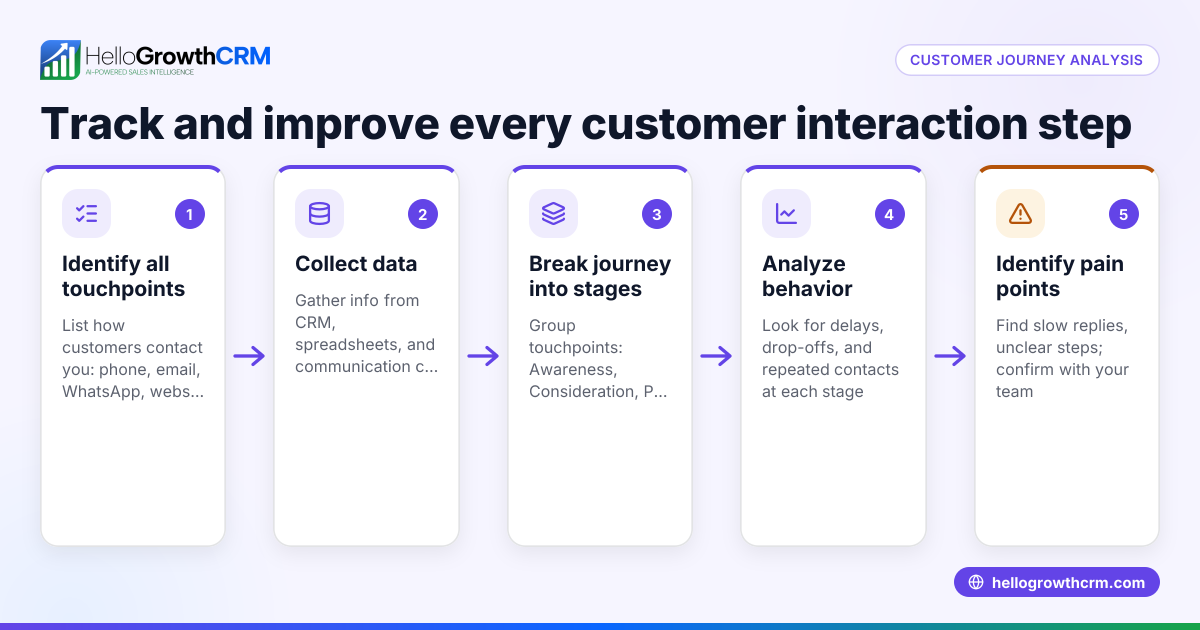
- Collect detailed customer information: Gather data such as contact details, purchase history, preferences, and communication channel preferences. Check that this data is stored centrally for easy access.
- Segment your customers: Group customers by traits such as buying behavior, location, or product interest. Verify that segmentation reflects meaningful differences for targeted messaging.
- Tailor communication channels: Use the customer's preferred channels—WhatsApp, SMS, or email—to contact them. Confirm your system supports these channels reliably.
- Create personalized messages and offers: Develop messages that address the customer's specific needs or past purchases. Review message relevance before sending.
- Track interactions and follow-ups: Record every contact, inquiry, and sale in one place. Check that follow-up tasks are assigned and reminders are set.
- Use feedback to improve: Collect customer feedback and adjust your approach accordingly. Ensure feedback is linked to customer records for context.
Using a CRM with WhatsApp and SMS capabilities helps you manage these steps effectively. Learn more about WhatsApp and SMS CRM and how to monitor customer engagement with a customer health score.
Example (fictional figures)
A plumbing company in Austin, Texas, wants to personalize interactions to increase repeat business.
- They collect customer data from web forms and past service calls.
- Segment customers into "emergency repairs" and "scheduled maintenance."
- Send WhatsApp messages with maintenance tips to scheduled customers and quick response offers to emergency customers.
- Track all interactions and schedule follow-ups.
Results for Q1 2026:
- Total customers: 500
- Emergency segment: 300 customers
- Scheduled segment: 200 customers
- Average repair cost: $350
- Average maintenance contract: $1,200
If 20 scheduled customers renew maintenance contracts due to personalized follow-up:
200 × 10% = 20 renewals
Revenue from renewals:
20 × $1,200 = $24,000
If emergency segment customers increase repeat calls by 15:
15 × $350 = $5,250
Total added revenue:
$24,000 + $5,250 = $29,250
This example shows how personalized communication can increase revenue by targeting relevant customer segments with appropriate messages.
Common mistakes
- Ignoring customer preferences: Contacting customers via undesired channels causes frustration. Prevent by asking and recording channel preferences.
- Using generic messages: Sending the same message to all customers reduces engagement. Prevent by segmenting and tailoring messages.
- Failing to track interactions: Losing history causes repeated questions and missed follow-ups. Prevent by logging every interaction in a central CRM.
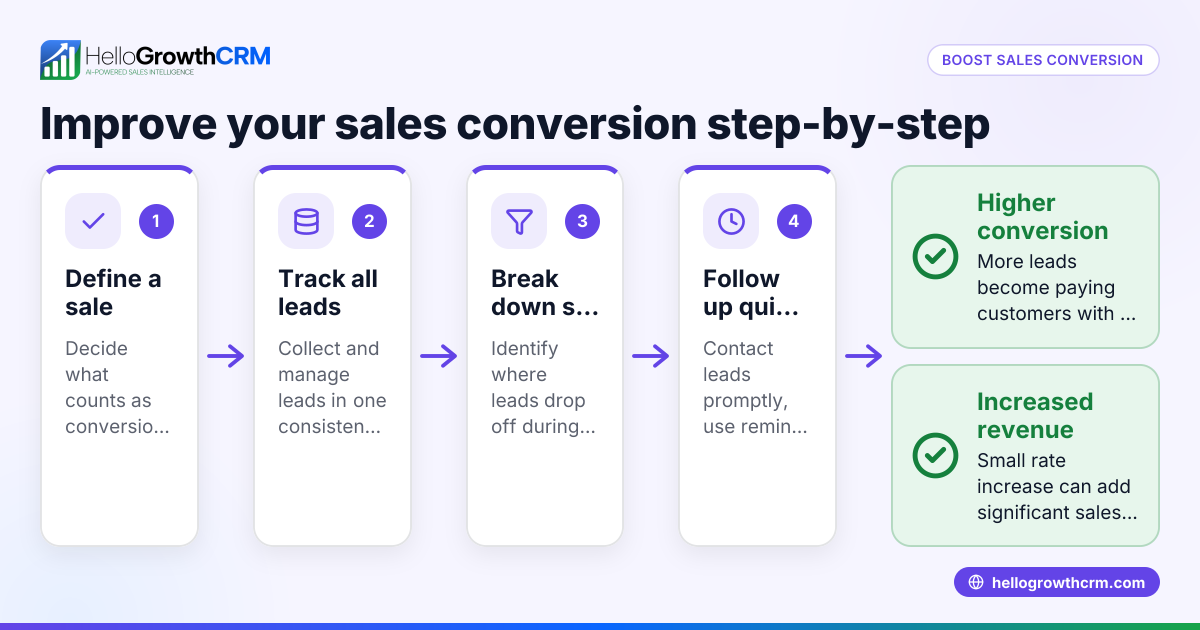
- Delaying follow-up: Slow responses lose leads. Prevent by setting reminders and automating follow-up tasks.
- Overloading customers with messages: Excessive contact causes opt-outs. Prevent by scheduling messages thoughtfully and respecting opt-out requests.
- Not using customer feedback: Missing chances to improve. Prevent by collecting and applying feedback linked to customer records.
See how tracking and managing these steps fits into your workflow with HelloGrowthCRM, which offers lead capture, task management, and pipeline tools.
Doing this in HelloGrowthCRM
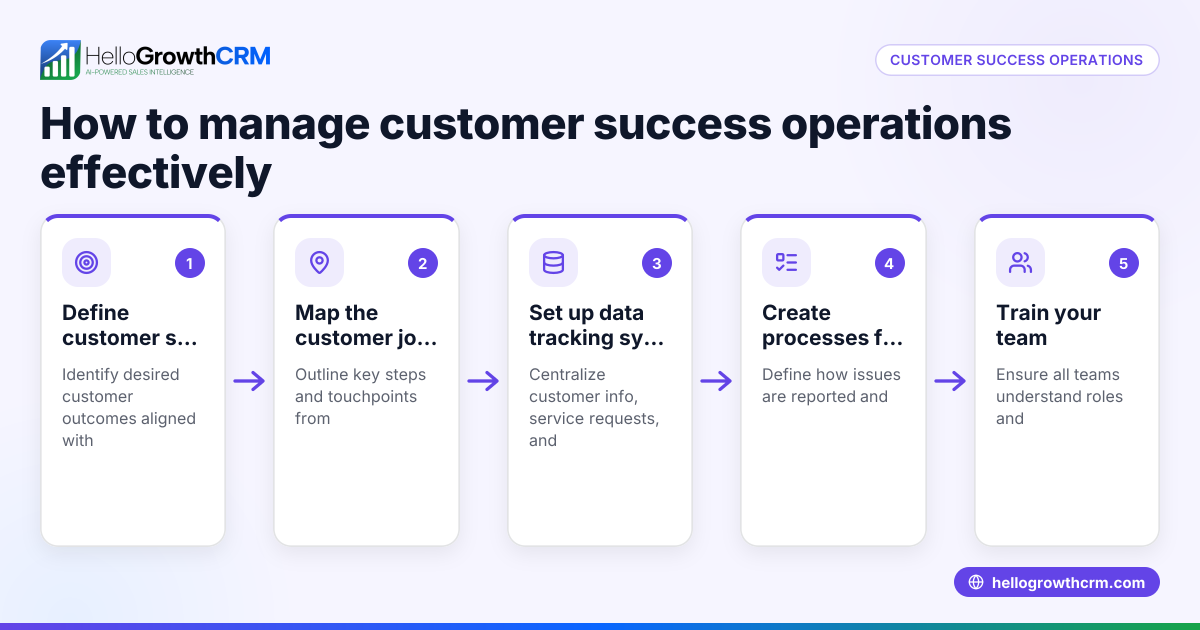
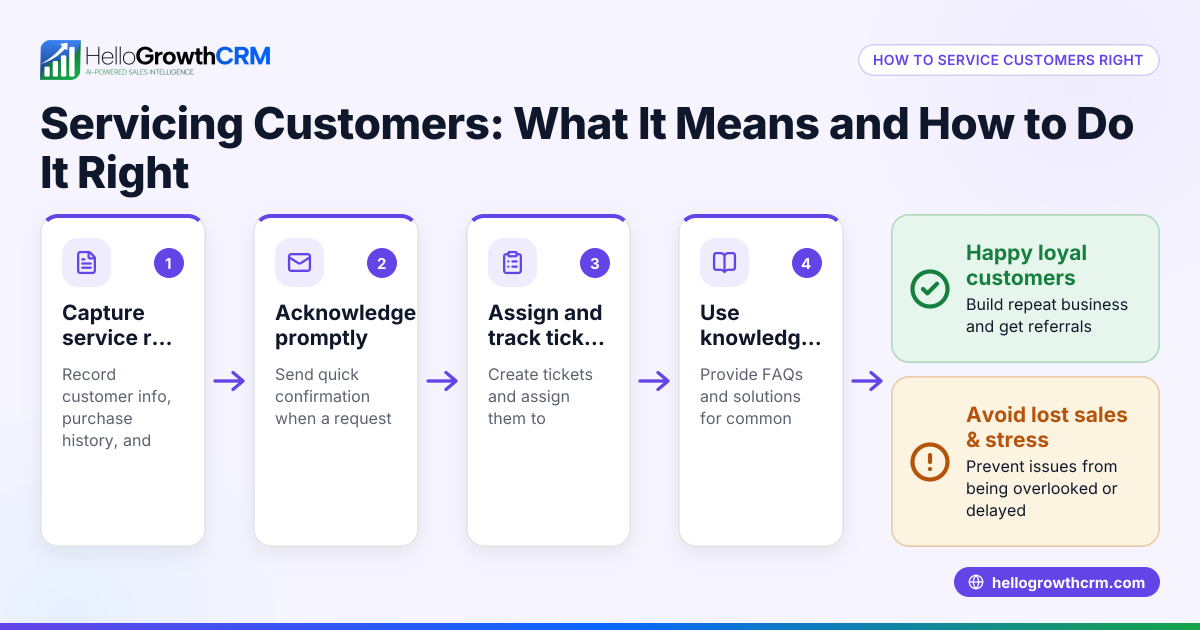
HelloGrowthCRM supports personalized customer interaction by keeping service requests, tickets, and referrals linked to the same customer record as the deal. This means after the sale, you can handle support tickets and track referrals without losing context. The branded self-service customer portal and knowledge base let customers find answers and submit requests easily, enhancing their experience and reducing your team's workload.
Frequently asked questions
What is personalized customer interaction? It is customizing your communication and service to each customer's unique needs, history, and preferences to build stronger relationships and improve sales.
How can I collect customer preferences effectively? Use web forms, direct questions during calls, and record channel preferences in a CRM. Make sure the data is updated regularly.
Why is tracking interactions important? Tracking ensures your team knows the customer's history, preventing repeated questions and enabling timely follow-ups, which improves customer satisfaction.
Can I use WhatsApp and SMS for personalized interactions? Yes, these channels are widely used and effective. A CRM with WhatsApp and SMS features helps you manage sequences and conversations in one place.
How do I avoid overwhelming customers with messages? Schedule messages thoughtfully, respect opt-out requests, and tailor frequency based on customer preferences and feedback.
See more on managing customer engagement with a customer health score.
Key takeaways
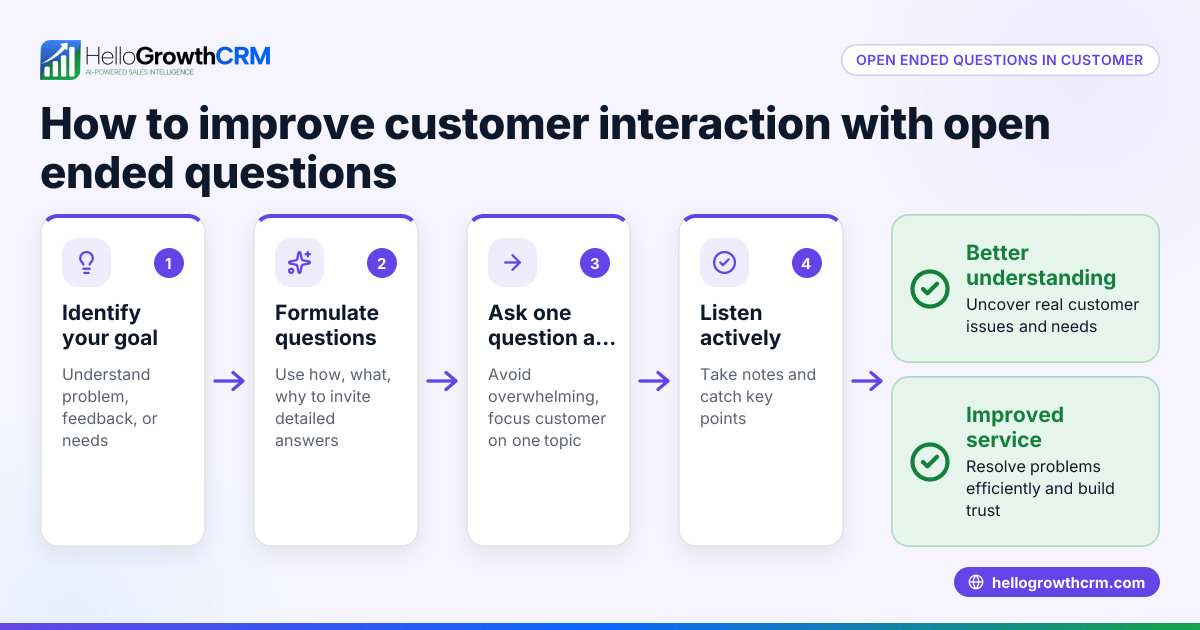
- Personalized customer interaction means tailoring communication to each customer's preferences and history.
- Collect and centralize detailed customer data to enable personalization.
- Segment customers and use their preferred channels like WhatsApp, SMS, or email.
- Track every interaction and follow up promptly to maintain engagement.
- Avoid generic messages and over-contacting to keep customers satisfied.
- HelloGrowthCRM helps by linking service tickets and referrals to customer records and offering a customer portal.
Start improving your customer interactions today. Start on the Free Forever plan (200 leads, no credit card) to organize your sales and support with personalized communication.
Ready to put this into practice?
Set up your pipeline, WhatsApp follow-ups, and AI lead scoring in minutes — free, no credit card.
Try HelloGrowthCRM freeGet CRM tips in your inbox
Join thousands of sales professionals who get weekly insights on CRM strategy, AI automation, and pipeline optimization.

The HelloGrowthCRM team publishes guides on CRM strategy, AI sales tools, and revenue operations for small business sales teams.