HelloGrowthCRM software
Built for real small-business sales teams
HelloGrowthCRM helps reps qualify faster, follow up on time, and close more deals—with practical automation in one place.
- AI lead scoring and pipeline visibility
- Built-in dialer, WhatsApp, and email automation
- Sales forecasting and RevOps-ready reporting
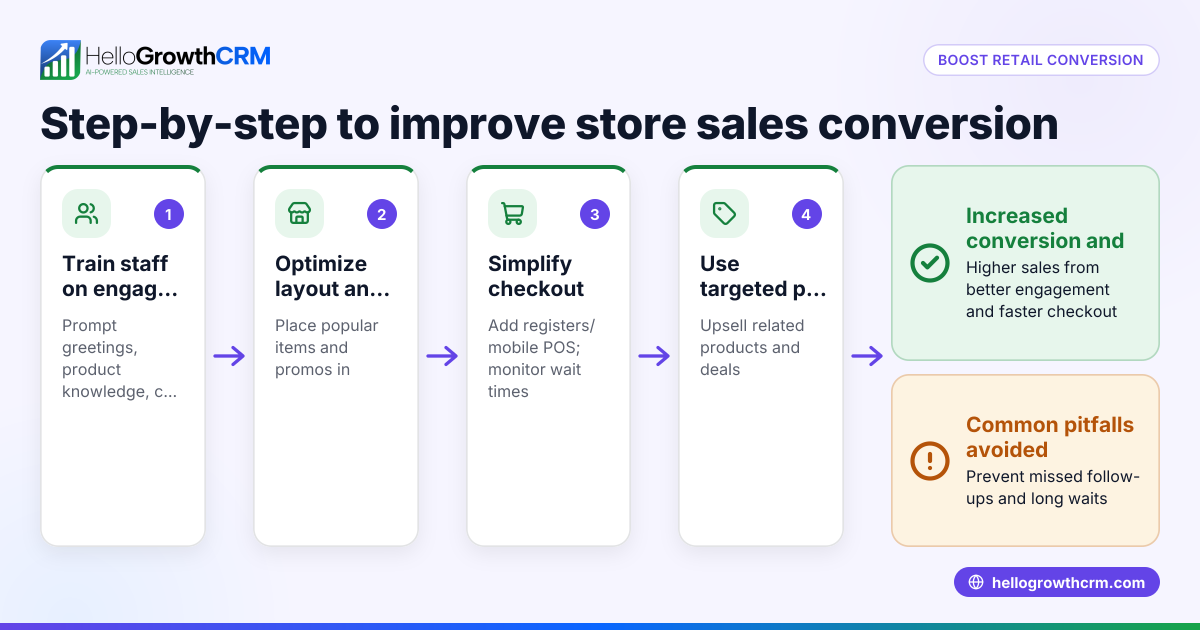
Low conversion rates in retail often stem from poor customer experience, ineffective follow-up, unclear product value, and inefficient sales processes. This article covers the main reasons retail businesses face low conversion rates, step-by-step checks to identify issues, a worked example for a US retail shop, common mistakes to avoid, and how HelloGrowthCRM can help improve sales follow-up.
Why this comes up / what goes wrong
Retail business owners and accountants in the US frequently see low conversion rates when customers visit their stores or websites but do not complete a purchase. This can happen in physical shops or online retail settings. Common situations include customers browsing without buying, slow follow-up on inquiries, or sales teams overwhelmed by manual tracking with spreadsheets and text messages. These challenges reduce sales effectiveness and revenue growth.
Retail shops often struggle because they lack a clear process to capture leads, score their interest, and follow up promptly. Without proper tools or dedicated sales management, leads slip through the cracks. Additionally, unclear product messaging or poor in-store experience can cause shoppers to leave without buying. For small to mid-sized retail businesses, understanding these reasons is critical to improving sales conversion.
Step-by-step
- Check Customer Experience: Visit your store or review your website from a customer's perspective. Are products easy to find? Is the checkout process smooth? Are staff helpful? Poor experiences discourage purchases.
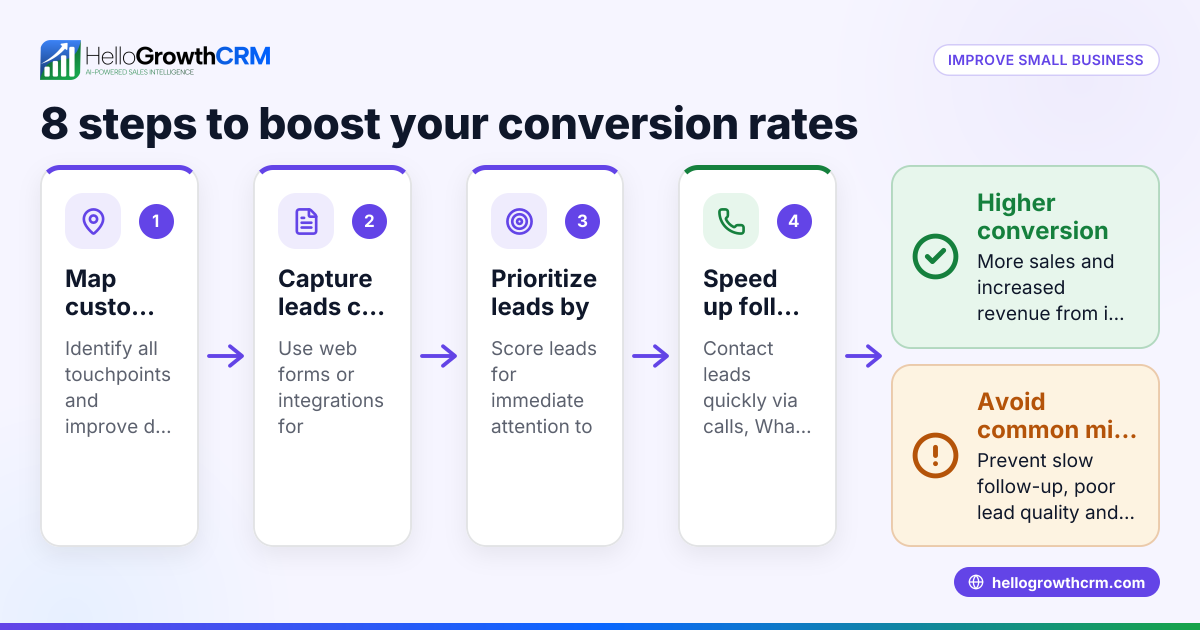
- Evaluate Lead Capture and Follow-up: Track how customer inquiries or interest are recorded. Are you capturing contact details from web forms or in-store visits? Check if follow-up happens quickly and consistently.
- Review Sales Messaging: Make sure product benefits and pricing are clear and compelling. Confusing or missing information can lower buyer confidence.
- Analyze Sales Process Efficiency: Identify if your sales team uses manual tools like spreadsheets or text messages that cause delays or lost leads. Lack of a centralized system can hurt conversion.
- Assess Sales Team Activity: Monitor how often sales reps contact leads and the outcome of those calls or messages. Are leads contacted promptly? Are outcomes logged?
- Use Data to Identify Bottlenecks: Look at your sales funnel metrics to find where prospects drop off. This guides where to focus improvement efforts.
- Consider Managed Sales Support: If you lack a sales manager, consider having someone dedicated to working the follow-up queue weekly to keep leads active.
These steps help pinpoint weak spots in your retail sales cycle and guide targeted fixes.
Example (fictional figures)
A retail clothing shop in Phoenix, Arizona, tracked 1,000 visitors in April 2026. They recorded 100 sales, a 10% conversion rate, which they want to improve.
- Total visitors = 1,000
- Sales = 100
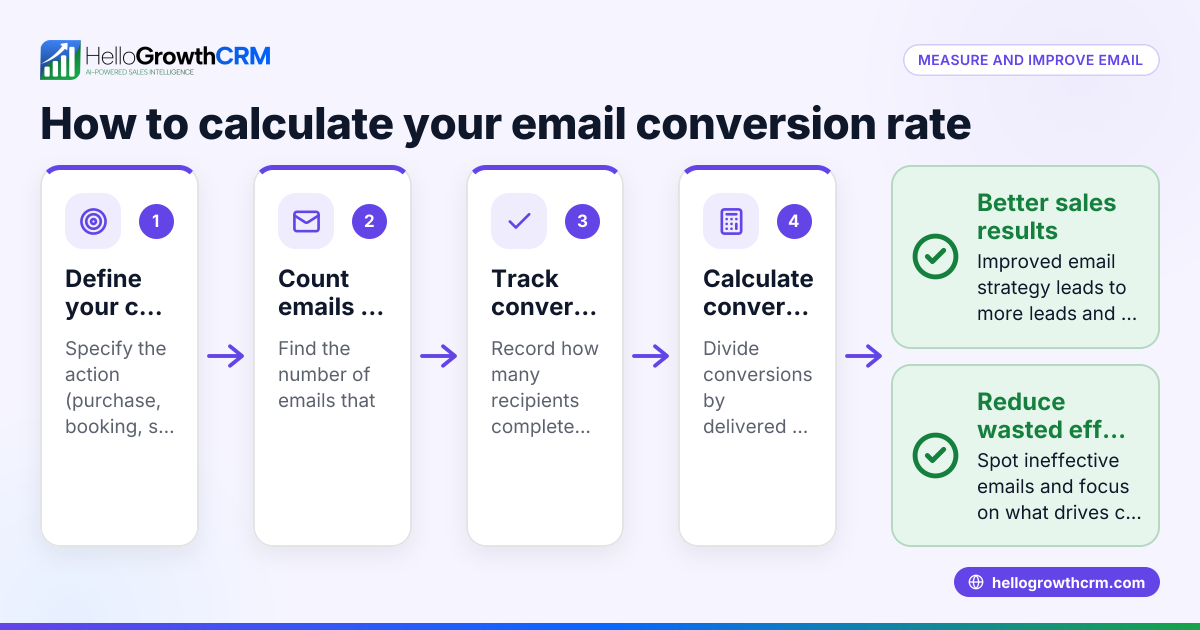
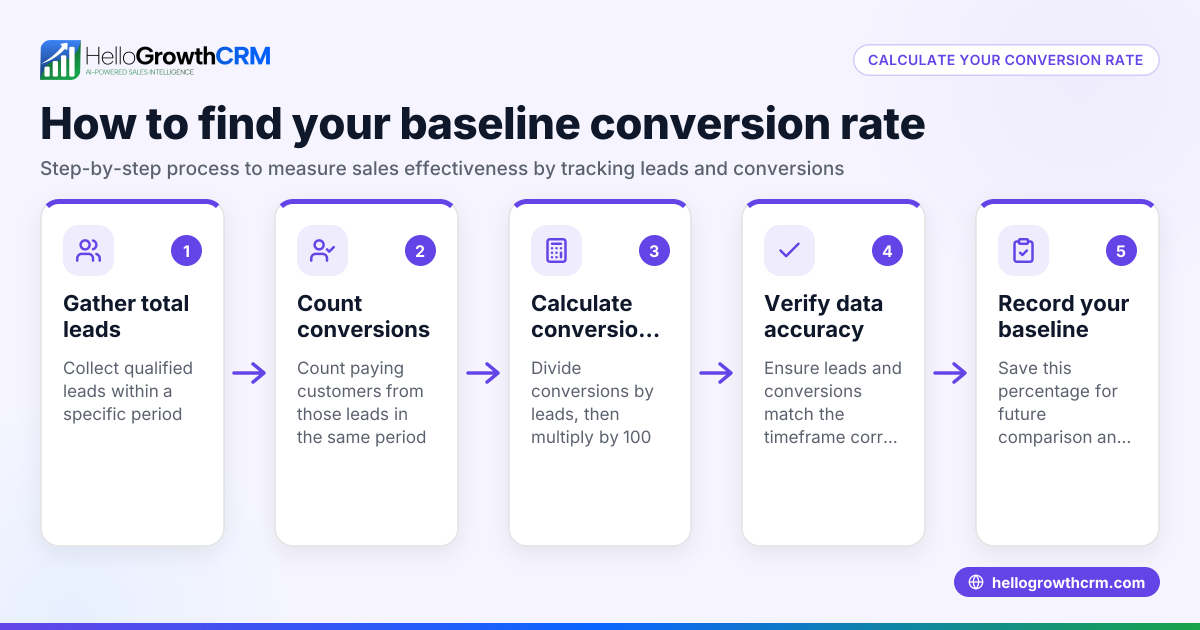
- Conversion rate = Sales ÷ Visitors = 100 ÷ 1,000 = 0.10 or 10%
They found that 300 visitors left without interacting with staff, and 200 inquiries from the website went unanswered.
By improving follow-up on website leads and training staff to engage visitors, they increased sales to 150 in May with the same visitor count.
- New sales = 150
- New conversion rate = 150 ÷ 1,000 = 0.15 or 15%
This 5% increase translated to $50,000 more revenue assuming an average sale value of $1,000:
- Additional sales = 50
- Average sale value = $1,000
- Additional revenue = 50 × $1,000 = $50,000
This example shows how addressing follow-up and engagement can boost conversion and revenue.
Common mistakes
- Ignoring Lead Follow-up: Not contacting interested customers promptly leads to lost sales. Prevent this by setting a clear follow-up schedule.
- Using Disorganized Sales Tools: Managing leads via spreadsheets and text messages causes errors and delays. Switch to a CRM with integrated calling and logging.
- Overlooking Customer Experience: Poor in-store or online navigation frustrates shoppers. Regularly review and improve the shopping environment.
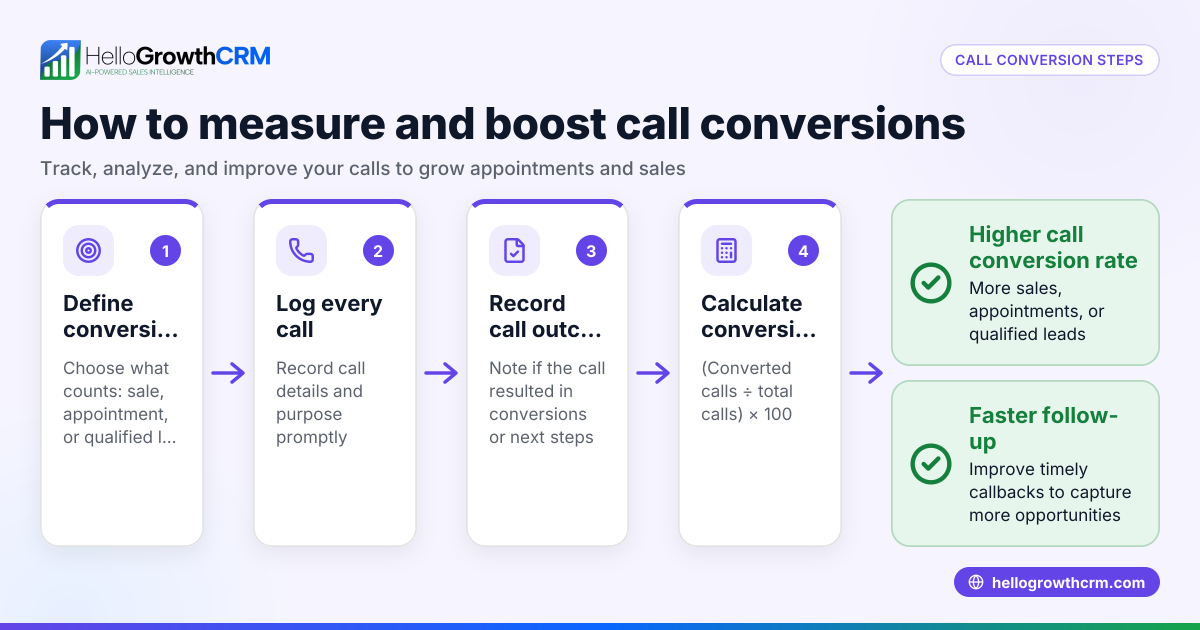
- Failing to Track Sales Activities: Without logging calls and outcomes, it's hard to know what works. Use tools that automatically record sales interactions.
- No Dedicated Sales Management: Founders without sales managers may let leads slip. Consider managed RevOps support to maintain pipeline hygiene.
- Unclear Product Messaging: If customers don’t understand product value, they won’t buy. Ensure all sales materials clearly communicate benefits.
Preventing these mistakes helps raise retail conversion rates.
Doing this in HelloGrowthCRM
HelloGrowthCRM offers a built-in dialer that lets your sales reps call leads directly from the CRM. Each call outcome is logged on the lead record, keeping full call history tied to contacts and deals. This streamlines follow-up and reduces lost leads.
For founders without a sales manager, the Managed RevOps service provides a dedicated revenue specialist who works your follow-up queue weekly. This ensures leads are contacted promptly and pipelines stay clean.
Learn more about how HelloGrowthCRM supports retail sales teams on WhatsApp and SMS CRM and see how it fits HelloGrowthCRM for the United States. Also explore solutions tailored for Retail shops.
Frequently asked questions
What are the main reasons retail stores have low conversion rates? Common reasons include poor customer experience, slow or no follow-up on leads, confusing product information, and inefficient sales processes that lose track of prospects.
How can I improve follow-up with retail leads? Capture leads accurately from all channels, prioritize quick follow-up, and use tools like a CRM with a built-in dialer to log calls and outcomes. Consistency is key.
Is it better to have a sales manager or use a service like Managed RevOps? If hiring a sales manager is not feasible, Managed RevOps provides expert weekly follow-up and pipeline management to keep sales moving.
Can improving product messaging increase conversion rates? Yes. Clear, compelling product benefits and transparent pricing help customers make buying decisions faster.
Why should retail businesses avoid using spreadsheets for sales tracking? Spreadsheets are prone to errors, delays, and lost data. A CRM centralizes information, automates logging, and improves team collaboration.
Key takeaways
- Low retail conversion rates often result from poor customer experience and weak follow-up.
- Use a step-by-step approach to check customer journey, sales processes, and team activity.
- Avoid common mistakes like disorganized tools and unclear messaging.
- Tools like HelloGrowthCRM’s built-in dialer and Managed RevOps help streamline follow-up and increase sales.
- Regularly review sales funnel data to identify and fix bottlenecks.
Start improving your retail sales conversion today. Start on the Free Forever plan (200 leads, no credit card) to organize leads and follow-up efficiently with HelloGrowthCRM.
Ready to put this into practice?
Set up your pipeline, WhatsApp follow-ups, and AI lead scoring in minutes — free, no credit card.
Try HelloGrowthCRM freeGet CRM tips in your inbox
Join thousands of sales professionals who get weekly insights on CRM strategy, AI automation, and pipeline optimization.

The HelloGrowthCRM team publishes guides on CRM strategy, AI sales tools, and revenue operations for small business sales teams.