HelloGrowthCRM software
Built for real small-business sales teams
HelloGrowthCRM helps reps qualify faster, follow up on time, and close more deals—with practical automation in one place.
- AI lead scoring and pipeline visibility
- Built-in dialer, WhatsApp, and email automation
- Sales forecasting and RevOps-ready reporting
A remote sales manager leads and coordinates sales teams that do not work from a centralized office but instead operate remotely. This role requires tools and processes to keep sales activities organized, ensure timely follow-up, and maintain team accountability despite the lack of face-to-face interaction.
Why this comes up / what goes wrong
Small business owners often consider hiring a remote sales manager when their sales team grows beyond a few people or when team members are spread across different locations. Remote sales managers help maintain sales momentum, improve lead follow-up speed, and provide structure to sales processes. Without effective remote management, businesses risk losing leads due to slow responses, poor tracking of deals, and lack of visibility into field activities.
Step-by-step
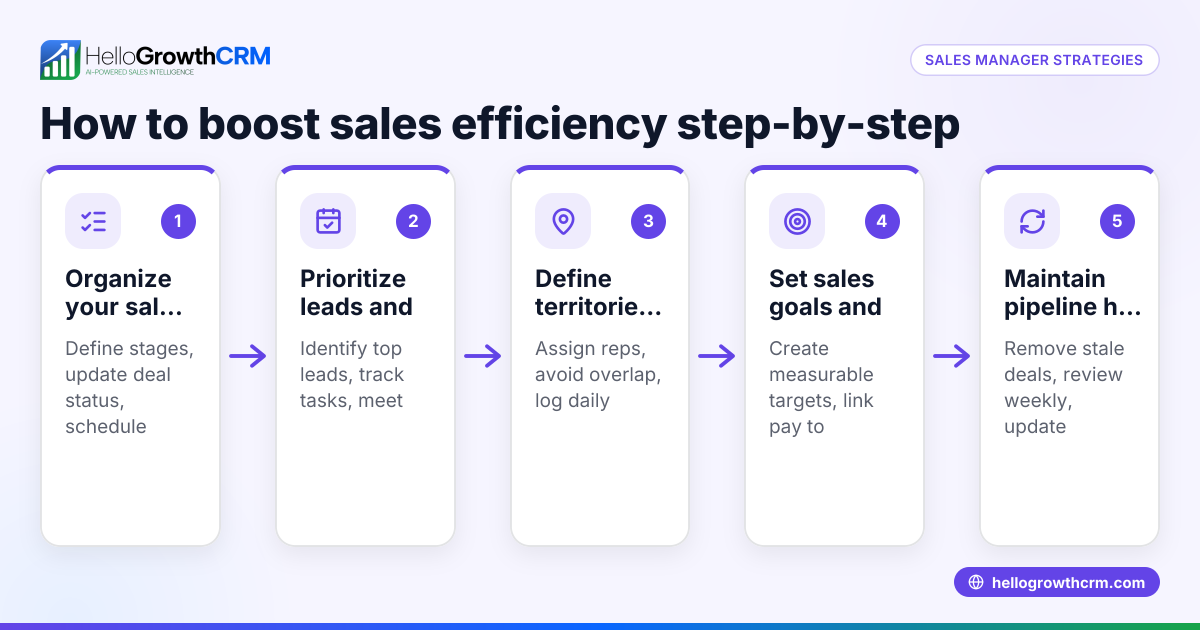
- Define clear sales goals and territories: Set measurable targets for the remote sales team and assign specific territories or customer segments to avoid overlap. Check that each rep understands their focus area.
- Set up a centralized sales pipeline: Use a CRM to track leads, deals, and follow-ups in one place. Verify that all team members update deal stages and next steps regularly.
- Schedule regular communication: Hold weekly video calls or check-ins to review progress, address challenges, and share updates. Confirm everyone has access to necessary communication tools.
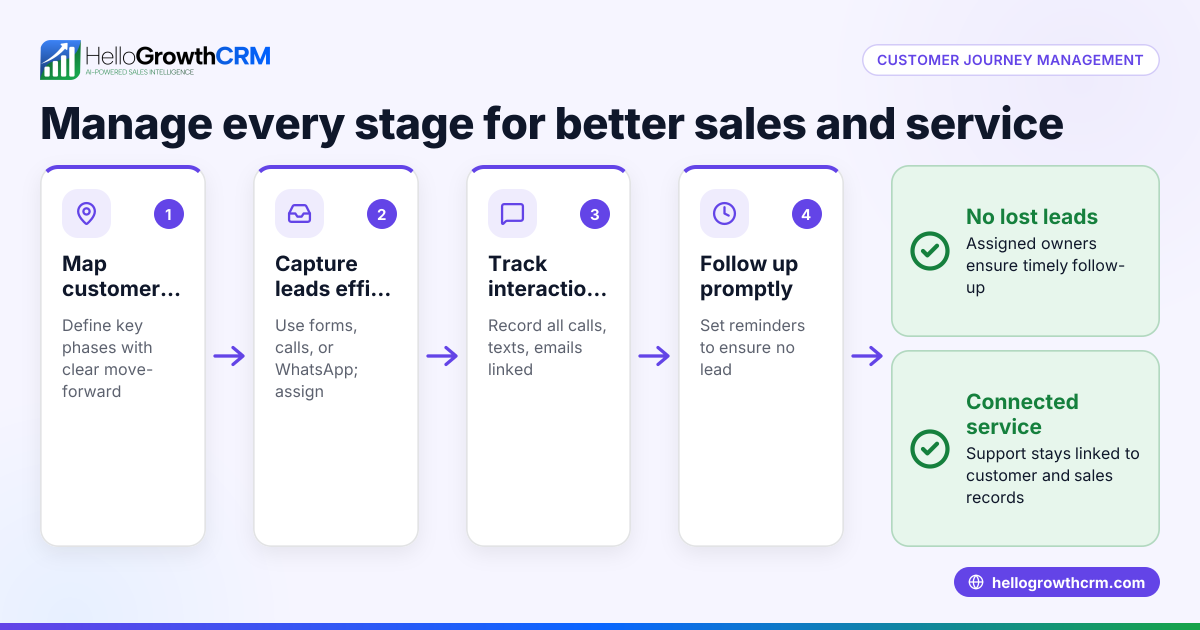
- Implement follow-up reminders and task boards: Assign follow-up tasks with due dates to ensure leads don’t fall through the cracks. Check that reminders trigger automatically and tasks are completed on time.
- Monitor field activities and visit logs: For sales reps who visit clients, track their daily visits and routes remotely. Ensure reports are submitted promptly and managers review them.
- Use sales forecasting and reporting: Analyze pipeline data to predict revenue and identify bottlenecks. Check that reports are shared with the team and used to adjust strategies.
- Provide training and support remotely: Offer online sales training sessions and resources. Confirm that remote reps can access materials and ask questions.
- Review commissions and incentives transparently: Clearly communicate commission structures and update earnings based on closed deals. Verify accuracy and timeliness.
Example (fictional figures)
GreenLeaf Landscaping, a landscaping contractor in Charlotte, North Carolina, hired a remote sales manager on 03/01/2026 to oversee three sales reps working from home. Here’s how they tracked a key deal:
- Quotation sent to a commercial client: $48,000
- Probability of closing: 60%
- Expected value = $48,000 × 60% = $28,800
- Follow-up date set for 03/15/2026
The manager used a CRM pipeline to track this deal at the "quote sent" stage with a reminder to follow up on 03/15/2026. After follow-up, the client requested a revision, which the sales rep updated in the CRM. The deal moved to "negotiation" stage with a revised expected value:
- Revised quotation: $56,640
- Probability: 75%
- Expected value = $56,640 × 75% = $42,480
This structured tracking helped avoid losing the lead due to missed follow-up and kept the team aligned remotely.
Common mistakes
- Lack of centralized tracking: Without a shared CRM pipeline, deals get lost or forgotten. Prevent this by using a CRM with deal stages and follow-up reminders.
- Infrequent communication: Not scheduling regular check-ins leads to misalignment. Set fixed weekly meetings and use messaging tools for daily updates.
- Ignoring field activity reports: Not monitoring remote reps’ client visits causes missed opportunities. Use tools that log visits and routes automatically.
- Unclear goals and territories: Overlapping sales efforts waste time and confuse customers. Define territories clearly and confirm understanding.
- Poor follow-up discipline: Leads slip away when follow-up tasks aren’t tracked. Use task boards and automated reminders to keep follow-ups on schedule.
- Neglecting training: Remote reps without ongoing training lose effectiveness. Provide accessible online training and encourage questions.
Doing this in HelloGrowthCRM
HelloGrowthCRM helps remote sales managers by providing a pipeline management layer where deals appear at their current stage with follow-up dates, so quotations sent last week are not forgotten. For teams with field reps, territories and visit logging from mobile devices let managers see the day’s beat remotely. Founders without dedicated sales managers can use Managed RevOps to have a specialist work the follow-up queue weekly, keeping leads moving. Learn more about WhatsApp and SMS CRM, the built-in CRM dialer, and HelloGrowthCRM for the United States.
Frequently asked questions
What skills should a remote sales manager have? A remote sales manager needs strong communication, organization, and tech skills to manage teams without face-to-face contact. They must be comfortable using CRM tools, scheduling regular check-ins, and monitoring pipeline activities remotely.
How do I keep my remote sales team motivated? Set clear goals, recognize achievements publicly during team calls, provide regular feedback, and offer incentives tied to performance. Use transparent commission tracking and maintain open communication channels.
What tools are essential for remote sales management? A CRM with pipeline and task management, communication platforms (video calls, messaging), and field activity tracking tools are essential. HelloGrowthCRM provides these features tailored for remote sales teams.
How often should a remote sales manager check in with reps? Weekly video meetings combined with daily messaging updates work well. Adjust frequency based on team size and sales cycle length.
Can a remote sales manager handle field sales reps effectively? Yes, with territory management and visit logging tools, remote managers can monitor field activities, review visit reports, and plan routes without being onsite.
Key takeaways
- A remote sales manager leads and organizes sales teams working from various locations.
- Centralized CRM pipelines with deal stages and follow-up reminders are critical.
- Regular communication and clear territory assignments prevent overlap and confusion.
- Tracking field visits and sales activities remotely improves accountability.
- Avoid common mistakes like poor follow-up discipline and lack of training.
- HelloGrowthCRM offers pipeline, territory, and managed RevOps features to support remote sales management.
Managing a remote sales team requires clear processes, reliable tools, and consistent communication. To get started, consider using HelloGrowthCRM’s Free Forever plan with 200 leads and no credit card required at Start on the Free Forever plan (200 leads, no credit card).
Ready to put this into practice?
Set up your pipeline, WhatsApp follow-ups, and AI lead scoring in minutes — free, no credit card.
Try HelloGrowthCRM freeGet CRM tips in your inbox
Join thousands of sales professionals who get weekly insights on CRM strategy, AI automation, and pipeline optimization.

The HelloGrowthCRM team publishes guides on CRM strategy, AI sales tools, and revenue operations for small business sales teams.