HelloGrowthCRM software
Built for real small-business sales teams
HelloGrowthCRM helps reps qualify faster, follow up on time, and close more deals—with practical automation in one place.
- AI lead scoring and pipeline visibility
- Built-in dialer, WhatsApp, and email automation
- Sales forecasting and RevOps-ready reporting
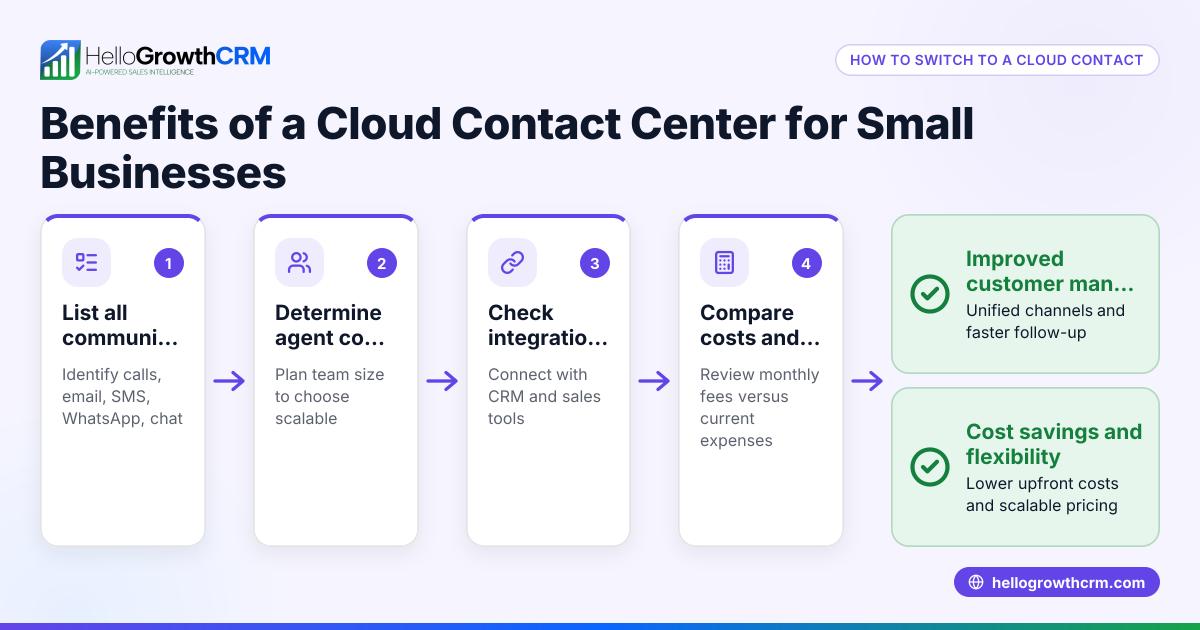
A retail contact center is a dedicated system or team that handles customer interactions for retail businesses through phone, email, chat, or messaging. For US retail shops, an effective contact center improves customer service, manages orders, and supports sales. This article covers why retail businesses need contact centers, step-by-step setup guidance, a realistic example, common pitfalls, and answers to frequent questions.
Why this comes up / what goes wrong
Retail business owners and accountants often look into retail contact centers when they notice customer inquiries are delayed, orders are mishandled, or sales opportunities are lost. Small to mid-sized retail shops in the United States, especially those with multiple locations or growing online presence, struggle to keep up with customer demands using only in-store staff or basic phone lines. Without a contact center, customer communication becomes fragmented across phone calls, text messages, and emails, leading to slow responses and lost sales. Accountants also face challenges reconciling sales and customer data when contact channels are scattered.
Step-by-step
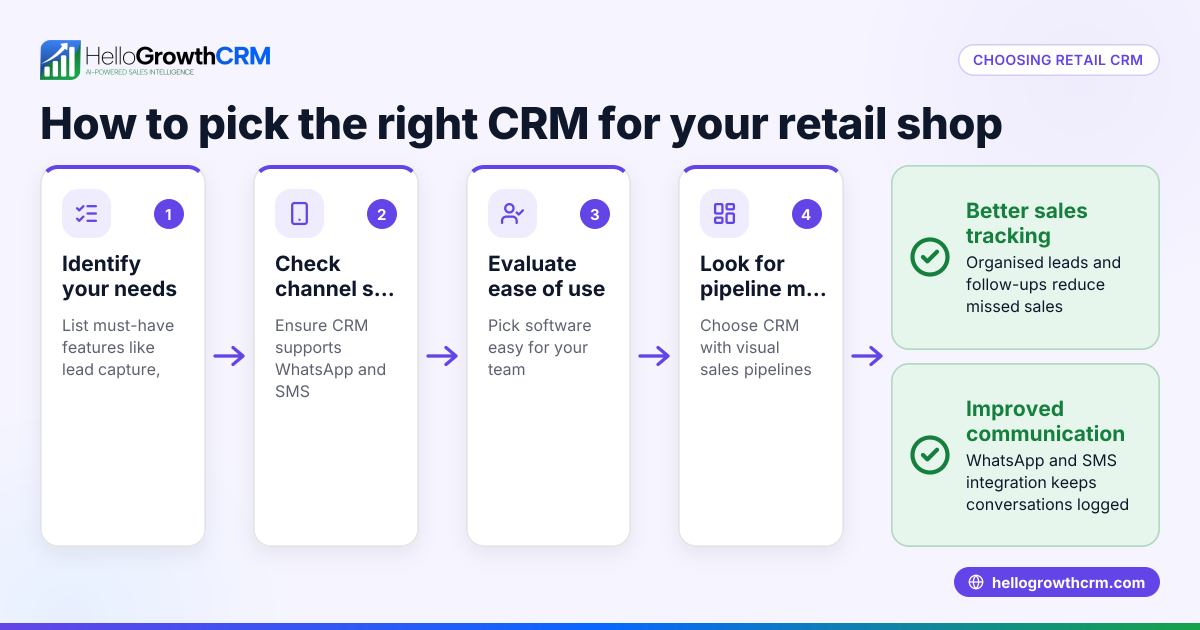
- Assess Your Business Needs
- Determine the volume and types of customer contacts (calls, emails, chats).
- Identify peak hours and days to staff appropriately.
- Check if you need multi-location support or integration with online sales.
- Choose Contact Channels
- Decide which channels suit your customers: phone, email, WhatsApp, SMS, or live chat.
- Consider your team’s ability to manage these channels efficiently.
- Select Technology and Tools
- Look for retail-friendly contact center software that supports your chosen channels.
- Ensure it can integrate with your existing sales or inventory systems.
- Check for features like task boards or lead capture if relevant.
- Hire and Train Staff
- Recruit agents familiar with retail products and customer service.
- Provide training on communication tools, product knowledge, and sales techniques.
- Set Up Processes and Scripts
- Develop standard operating procedures for common inquiries and issues.
- Create scripts to maintain consistent messaging and improve efficiency.
- Test and Monitor Performance
- Run a pilot phase to identify bottlenecks.
- Monitor metrics like response time, resolution rate, and customer satisfaction.
- Adjust staffing and processes based on feedback.
- Maintain and Scale
- Regularly update training and scripts.
- Scale your contact center as your retail business grows or adds channels.
For more on retail-specific operations, see Retail shops.
Example (fictional figures)
A two-location clothing retail store in Columbus, Ohio, decides to set up a retail contact center to handle customer calls and WhatsApp messages.
- Monthly customer contacts: 1,200 calls + 800 WhatsApp messages = 2,000 total
- Average handling time per contact: 5 minutes
- Total monthly handling time: 2,000 × 5 minutes = 10,000 minutes = 166.67 hours
They hire 2 full-time agents working 160 hours/month each, totaling 320 hours available.
- Available agent hours (320) > required handling time (166.67), allowing for breaks and admin tasks.
Monthly salary per agent: $3,000
- Total monthly salary cost: 2 × $3,000 = $6,000
Technology subscription: $300/month
Total monthly contact center cost:
$6,000 + $300 = $6,300
This setup supports current volume with capacity for growth.
Common mistakes
- Underestimating contact volume: Leads to understaffing and slow responses. Prevent by analyzing historical data and adding a buffer.
- Choosing too many channels at once: Spreads resources thin and confuses customers. Start with key channels like phone and WhatsApp, then expand.
- Neglecting staff training: Results in inconsistent service and lost sales. Invest in ongoing training.
- Ignoring performance metrics: Misses opportunities to improve. Track response times and customer feedback regularly.
- Not integrating with sales systems: Causes data silos and reporting errors. Choose tools that connect with your retail software.
See more about retail operations and communication tools at HelloGrowthCRM for the United States and WhatsApp and SMS CRM.
Frequently asked questions
What is a retail contact center? A retail contact center is a system or team that manages customer interactions for retail businesses across multiple channels such as phone, email, text, and chat. It helps improve customer service and sales efficiency.
How do I know if my retail business needs a contact center? If your customers experience long wait times, missed calls, or inconsistent communication, or if your sales and order processes are disorganized, a contact center can help centralize and streamline these interactions.
What channels should a retail contact center support? Common channels include phone calls, email, WhatsApp, SMS, and live chat. The choice depends on where your customers prefer to communicate and what your team can manage effectively.
How can I measure the success of my retail contact center? Track metrics like average response time, call resolution rate, customer satisfaction scores, and sales conversion rates to evaluate performance and identify improvement areas.
Can a small retail shop afford a contact center? Yes, many solutions scale to small businesses’ needs and budgets. Starting with a small team and essential channels can keep costs manageable.
Key takeaways
- Retail contact centers centralize customer communication to improve service and sales.
- Assess your business needs carefully before selecting channels and tools.
- Staff training and clear processes are essential for consistent customer experience.
- Monitor performance regularly to optimize operations.
- Start small and scale your contact center as your retail business grows.
Setting up a retail contact center can streamline your customer interactions and boost sales. To get started, consider your business’s specific needs and begin with manageable steps. You can explore options and start on the Free Forever plan (200 leads, no credit card) at Start on the Free Forever plan (200 leads, no credit card).
Ready to put this into practice?
Set up your pipeline, WhatsApp follow-ups, and AI lead scoring in minutes — free, no credit card.
Try HelloGrowthCRM freeGet CRM tips in your inbox
Join thousands of sales professionals who get weekly insights on CRM strategy, AI automation, and pipeline optimization.

The HelloGrowthCRM team publishes guides on CRM strategy, AI sales tools, and revenue operations for small business sales teams.