HelloGrowthCRM software
Built for real small-business sales teams
HelloGrowthCRM helps reps qualify faster, follow up on time, and close more deals—with practical automation in one place.
- AI lead scoring and pipeline visibility
- Built-in dialer, WhatsApp, and email automation
- Sales forecasting and RevOps-ready reporting
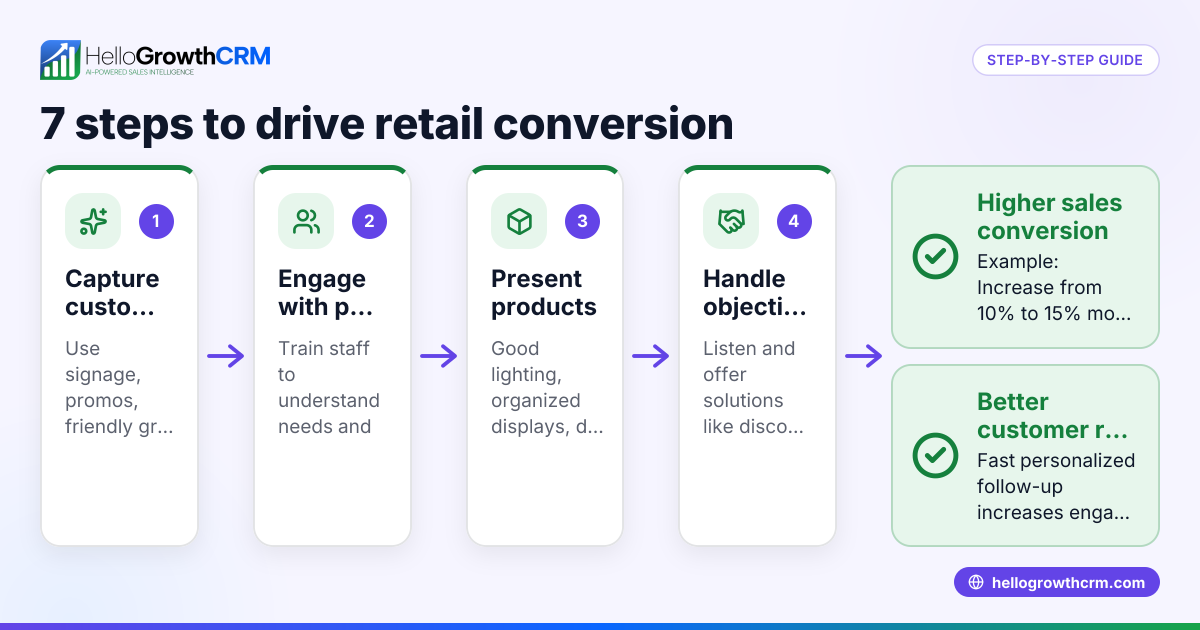
Retail customer satisfaction measures how pleased customers are with their experience in your store, from product availability to staff interaction and after-sales support. For US retail business owners, maintaining high satisfaction is essential to encourage repeat business and positive word-of-mouth. This article explains why retail customer satisfaction is a frequent challenge, provides step-by-step guidance to improve it, shares a detailed example from a typical US retail shop, highlights common mistakes to avoid, and shows how HelloGrowthCRM helps manage customer relationships efficiently.
Why this comes up / what goes wrong
Retail business owners and accountants often face challenges with customer satisfaction due to slow responses to inquiries, inconsistent service quality, and lack of follow-up after sales. Customers expect quick answers, easy returns, and helpful support. Without a system to track customer requests and feedback, retail shops relying on text messages, email, or spreadsheets risk losing leads and repeat buyers. Accountants may notice this as reduced sales and customer retention. The absence of centralized service ticket tracking and referral management further hurts satisfaction.
Step-by-step
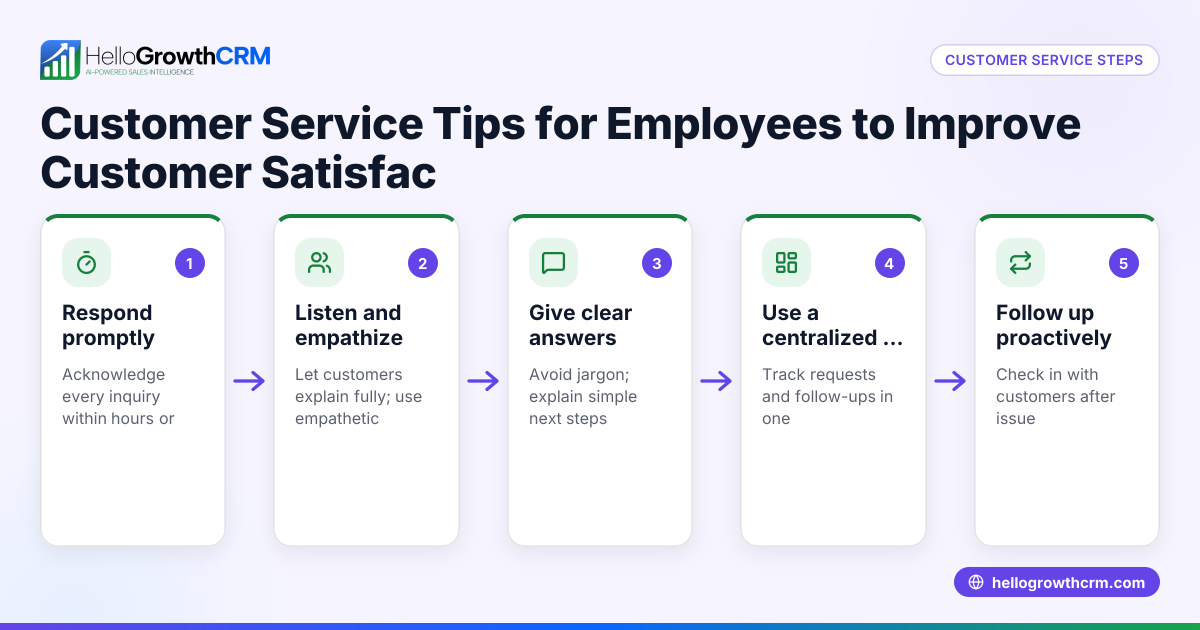
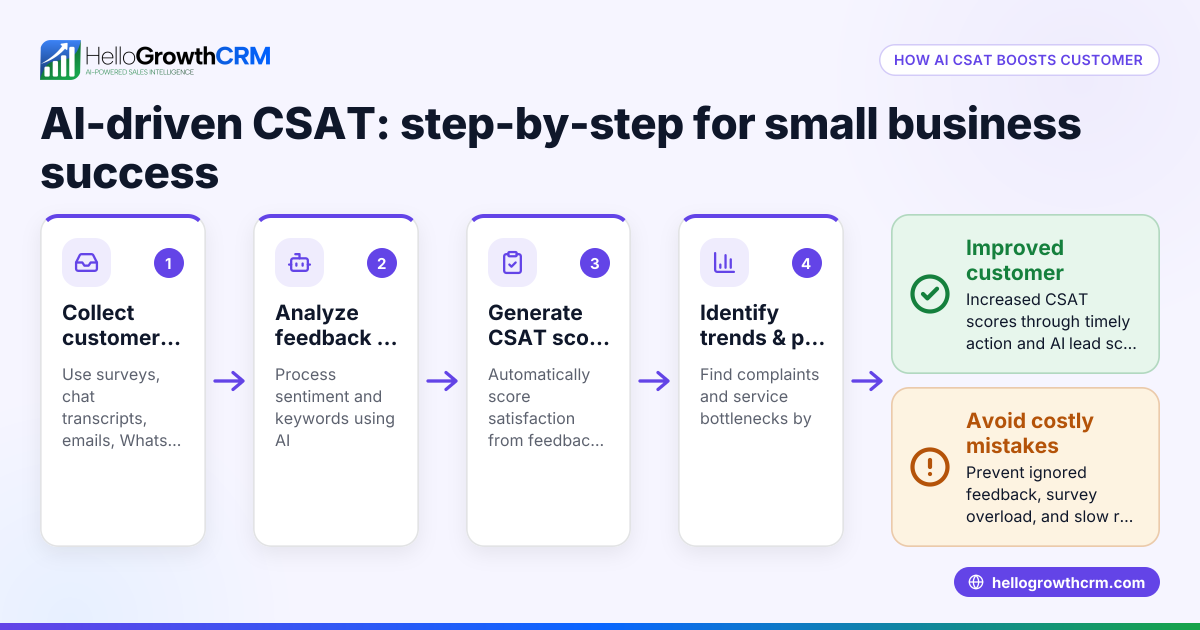
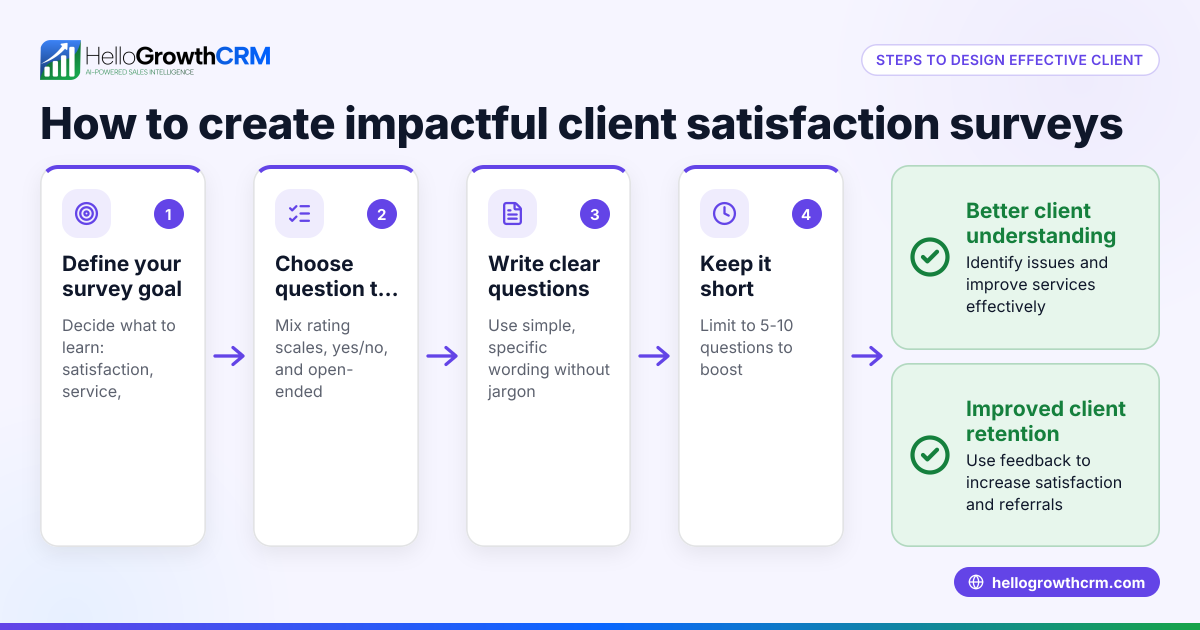
- Collect Customer Feedback Regularly: Use in-store feedback forms, digital surveys, or follow-up emails to ask customers about their experience. Check for recurring complaints or suggestions.
- Respond Quickly and Personally: When a customer raises an issue, reply promptly via phone, email, or WhatsApp. Confirm you understand their concern and explain next steps.
- Track Service Requests on Customer Records: Keep all customer interactions, support tickets, and referrals linked to their profile. This prevents repeated questions and improves service consistency.
- Train Staff on Consistent Service Standards: Ensure employees know how to handle common issues and meet your service expectations.
- Use a Customer Portal for Self-Service: Provide customers with access to order status, returns, or answers via a branded portal and knowledge base.
- Monitor Customer Health Scores: Regularly review satisfaction metrics and follow up with customers at risk of churning. See customer health score for more.
- Encourage Referrals and Repeat Business: Track and reward customers who refer new shoppers to your store.
- Review and Improve Processes Regularly: Analyze feedback and ticket trends monthly to identify areas for improvement.
Example (fictional figures)
A retail clothing store in Austin, Texas, with $1,200,000 annual sales noticed a decline in repeat customers in Q1 2026. They began improvements on 01/15/2026:
- Sent feedback surveys to 2,000 customers; 400 responded.
- Found 25% reported slow responses to returns.
- Hired a part-time customer service representative at $2,500/month.
- Launched a customer portal for self-service.
- Handled 50 support tickets in February, resolving 90% within 24 hours.
Calculations:
2,000 customers × 20% repeat rate = 400 repeat customers before improvements
After improvements, repeat rate rose to 30%:
2,000 customers × 30% repeat rate = 600 repeat customers
Additional revenue from repeat customers (average $150 per visit):
(600 - 400) customers × $150 = $30,000 extra revenue
Cost of customer service rep for 3 months:
$2,500 × 3 = $7,500
Net gain:
$30,000 - $7,500 = $22,500
This example shows how investing in customer satisfaction can increase revenue.
Common mistakes
- Ignoring customer feedback: Prevent by setting up regular feedback collection and reviewing results.
- Slow or no responses to complaints: Prevent by assigning clear responsibility for customer replies and using a ticket system.
- Fragmented customer information: Prevent by using a CRM that keeps all service requests on one customer record.
- Inconsistent staff training: Prevent by documenting service standards and holding regular training.
- Not offering self-service options: Prevent by providing a customer portal with FAQs and ticket submission.
- Failing to track referrals: Prevent by implementing a referral tracking system to reward loyal customers.
For more on managing retail stores, see Retail shops.
Doing this in HelloGrowthCRM
HelloGrowthCRM offers a branded self-service customer portal, referrals tracking, support tickets, and a knowledge base to help retail businesses manage customer satisfaction. After the sale, service requests stay on the same customer record as the deal, so your team has full context to resolve issues efficiently. These features help reduce wait times and improve satisfaction. Learn more at HelloGrowthCRM for the United States.
Frequently asked questions
What is the best way to measure retail customer satisfaction? Surveys asking about product quality, staff helpfulness, and overall experience are common. Tracking repeat purchases and referral rates also helps gauge satisfaction.
How quickly should I respond to customer complaints? Aim to reply promptly to show customers you value their feedback. Faster responses improve satisfaction and reduce negative reviews.
Can I improve satisfaction without hiring more staff? Yes, by using a customer portal and knowledge base, customers can get answers quickly. Automating ticket tracking also helps your existing team manage requests efficiently.
How do referrals affect retail customer satisfaction? Referrals show customers trust your store and can increase sales. Tracking and rewarding referrals encourages satisfied customers to promote your business.
What role does staff training play in customer satisfaction? Well-trained staff provide consistent, helpful service that meets customer expectations, reducing complaints and improving loyalty.
See also customer health score for tracking satisfaction metrics.
Key takeaways
- Collect and act on customer feedback regularly.
- Respond quickly and track all service requests in one place.
- Use a customer portal for self-service options.
- Train staff consistently on your service standards.
- Track referrals to encourage repeat business.
- Review customer health scores and improve processes continuously.
Improving retail customer satisfaction requires clear steps and consistent effort. Start with feedback and fast responses, then use tools like HelloGrowthCRM to keep everything organized.
Start on the Free Forever plan (200 leads, no credit card) at HelloGrowthCRM to manage your retail customer relationships efficiently.
Ready to put this into practice?
Set up your pipeline, WhatsApp follow-ups, and AI lead scoring in minutes — free, no credit card.
Try HelloGrowthCRM freeGet CRM tips in your inbox
Join thousands of sales professionals who get weekly insights on CRM strategy, AI automation, and pipeline optimization.

The HelloGrowthCRM team publishes guides on CRM strategy, AI sales tools, and revenue operations for small business sales teams.