HelloGrowthCRM software
Built for real small-business sales teams
HelloGrowthCRM helps reps qualify faster, follow up on time, and close more deals—with practical automation in one place.
- AI lead scoring and pipeline visibility
- Built-in dialer, WhatsApp, and email automation
- Sales forecasting and RevOps-ready reporting
SaaS revenue recognition software in Canada is designed to help startups and technology companies comply with accounting rules by automating the process of recording revenue as it is earned rather than when cash is received. This is crucial for subscription-based businesses that deliver services over time. This guide covers why revenue recognition is a challenge for SaaS businesses, step-by-step advice for selecting software, a worked example with Canadian figures, common mistakes to avoid, and answers to frequently asked questions.
Why this comes up / what goes wrong
SaaS business owners and accountants in Canada face specific challenges with revenue recognition because their income often comes from subscriptions, licenses, or usage-based fees that span multiple months or years. Unlike one-time product sales, revenue must be recognized systematically over the service period according to accounting standards such as IFRS 15 or ASPE guidelines NEEDS EXPERT REVIEW. Without proper software, companies risk misreporting revenue, which can affect tax filings, investor relations, and financial forecasting.
Many startups try to manage revenue recognition manually using spreadsheets or generic accounting software, which can lead to errors, delays, and compliance risks. Additionally, Canadian tax considerations and provincial regulations may influence how revenue is reported, so software tailored to these needs or configurable for Canadian standards is preferred.
Step-by-step
- Identify your revenue streams and contracts: List all SaaS offerings, subscription types, and contract terms. Check if contracts include multiple deliverables or variable consideration.
- Understand applicable accounting standards: Confirm whether your business follows IFRS 15 or ASPE for revenue recognition. This affects how and when revenue is recognized.
- Define recognition rules for each revenue type: For example, monthly subscriptions may be recognized evenly over the subscription period, while one-time setup fees might be recognized upfront or amortized.
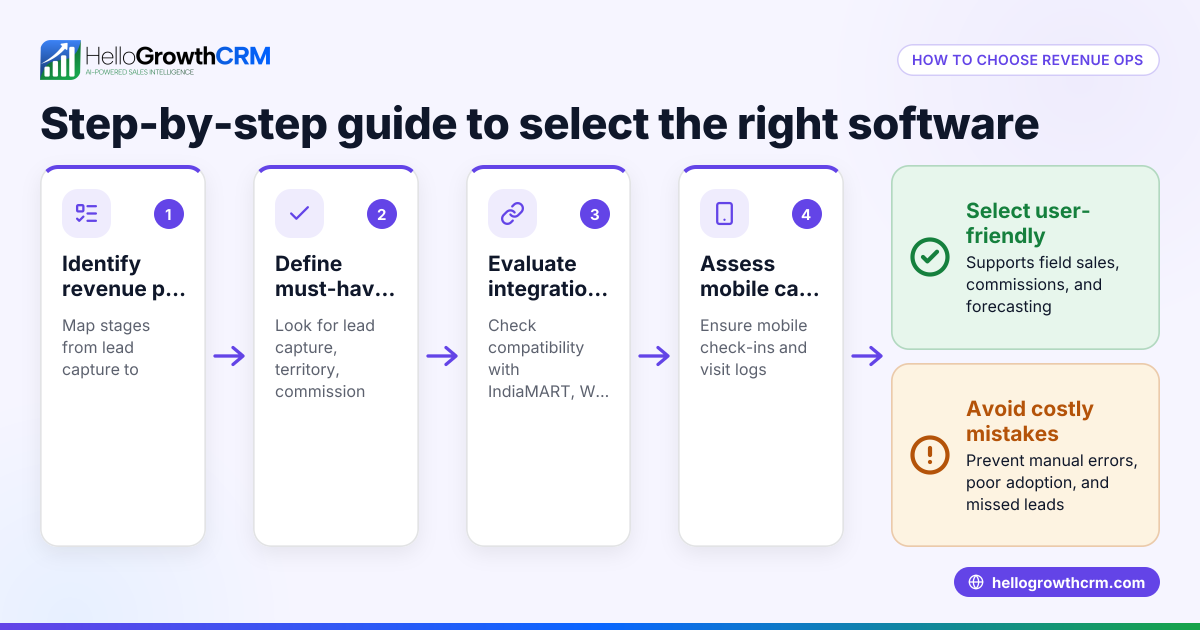
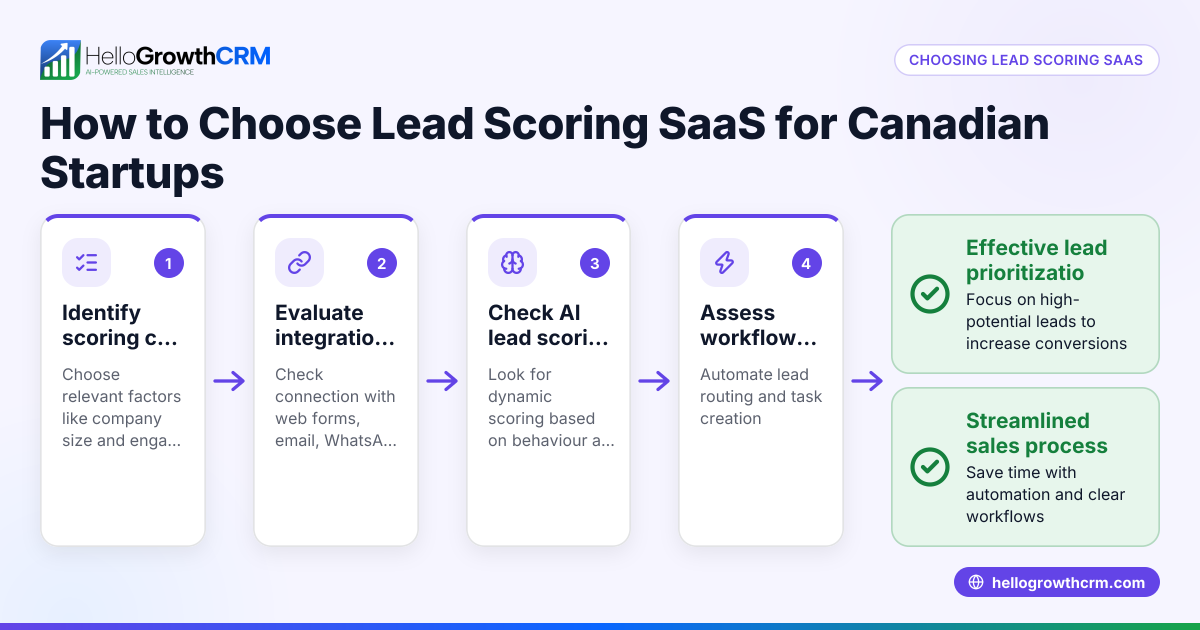
- Evaluate software options for Canadian SaaS businesses: Look for tools that support multi-period revenue recognition, handle deferred revenue, and allow customization for Canadian accounting practices.
- Check integration capabilities: Ensure the software integrates with your billing, CRM, and accounting systems to reduce manual data entry and errors.
- Test reporting and compliance features: The software should generate reports that support tax filings and audits, showing recognized revenue and deferred amounts clearly.
- Plan for scalability and support: Choose software that can grow with your business and offers reliable customer support.
- Train your finance and sales teams: Proper use of the software ensures accurate data input and timely revenue recognition.
For startups and technology companies, having accurate revenue recognition supports better sales forecasting and financial planning.
Example (fictional figures)
Consider a SaaS startup based in Mississauga, Ontario, that sells a yearly subscription service for C$12,000 per customer, billed upfront on 2024-01-01.
- Contract value: C$12,000
- Subscription period: 12 months (2024-01-01 to 2024-12-31)
The company must recognize revenue monthly over the subscription period.
Calculation:
C$12,000 ÷ 12 months = C$1,000 revenue recognized per month
On 2024-01-01, the company records C$12,000 cash received but recognizes only C$1,000 as revenue for January. The remaining C$11,000 is deferred revenue (a liability).
Each month, the company reduces deferred revenue by C$1,000 and recognizes it as earned revenue.
This ensures compliance with revenue recognition standards and accurate financial statements.
Common mistakes
- Recognizing revenue upfront for subscriptions: Avoid this by setting up software rules that spread revenue over the service period.
- Using generic accounting software without SaaS-specific features: Prevent errors by choosing software that handles deferred revenue and multi-period recognition.
- Not integrating billing and accounting systems: This leads to manual errors; select software with integration capabilities.
- Ignoring Canadian accounting and tax requirements: Consult your accountant and verify the software supports Canadian standards.
- Failing to update recognition rules when contracts change: Regularly review contracts and adjust software settings accordingly.
- Neglecting team training: Ensure finance and sales teams understand how to use the software properly.
Frequently asked questions
What is the best revenue recognition method for SaaS companies in Canada? The most common method is recognizing revenue over the subscription period as services are delivered, matching revenue to the period when customers receive value. Specific methods depend on contract terms and accounting standards followed. Consult your accountant for your situation.
Can I use general accounting software for SaaS revenue recognition? While possible, general software often lacks features for deferred revenue and subscription billing complexities. SaaS revenue recognition software designed for startups can automate these processes and reduce errors.
How does revenue recognition software help with tax compliance in Canada? It ensures revenue is reported accurately according to accounting standards, which supports correct tax filings. However, always verify with your accountant that the software meets Canadian tax requirements.
Do I need software that integrates with my CRM? Integration helps keep customer, billing, and revenue data aligned, reducing manual work and errors. For startups, linking CRM and revenue recognition software can improve sales forecasting and financial visibility.
Is revenue recognition software expensive for startups? Costs vary widely. Some software offers scalable pricing or free tiers for small businesses. Consider the value of accurate revenue reporting and compliance when evaluating costs.
Where can I find SaaS revenue recognition software suited for Canadian startups? Look for vendors with experience serving Canadian technology companies or customizable solutions. Resources on Startups and technology companies can help you identify options.
Key takeaways
- SaaS revenue recognition in Canada requires spreading revenue over the service period to comply with accounting standards.
- Choosing software that supports deferred revenue, multi-period recognition, and Canadian accounting rules reduces errors.
- Integration with billing and CRM systems improves data accuracy and supports sales forecasting.
- Avoid common mistakes like recognizing revenue upfront or ignoring contract changes by regularly reviewing processes.
- Training your team on software use ensures accurate and timely revenue recognition.
Startups and technology companies can improve financial accuracy and compliance by selecting the right SaaS revenue recognition software tailored to Canadian needs. For a free CRM to help manage leads and sales alongside your finance processes, Start on the Free Forever plan (200 leads, no credit card).
Ready to put this into practice?
Set up your pipeline, WhatsApp follow-ups, and AI lead scoring in minutes — free, no credit card.
Try HelloGrowthCRM freeGet CRM tips in your inbox
Join thousands of sales professionals who get weekly insights on CRM strategy, AI automation, and pipeline optimization.

The HelloGrowthCRM team publishes guides on CRM strategy, AI sales tools, and revenue operations for small business sales teams.