HelloGrowthCRM software
Built for real small-business sales teams
HelloGrowthCRM helps reps qualify faster, follow up on time, and close more deals—with practical automation in one place.
- AI lead scoring and pipeline visibility
- Built-in dialer, WhatsApp, and email automation
- Sales forecasting and RevOps-ready reporting
Sales notes are detailed records of your conversations, observations, and follow-up actions related to each sales lead or customer. They capture what was discussed, customer needs, objections, next steps, and any other relevant details that help you keep track of your sales process and improve follow-up. Good sales notes ensure no important information is lost and that every lead gets timely attention.
Why this comes up / what goes wrong
Many small-business owners and sales teams lose deals because they don't keep consistent or clear sales notes. When notes are scattered across emails, texts, spreadsheets, or forgotten altogether, important details slip through the cracks. This leads to slow or ineffective follow-up, repeated questions, missed opportunities, and frustrated customers. Without organized sales notes, it’s hard to know where each prospect stands or what to do next.
Step-by-step
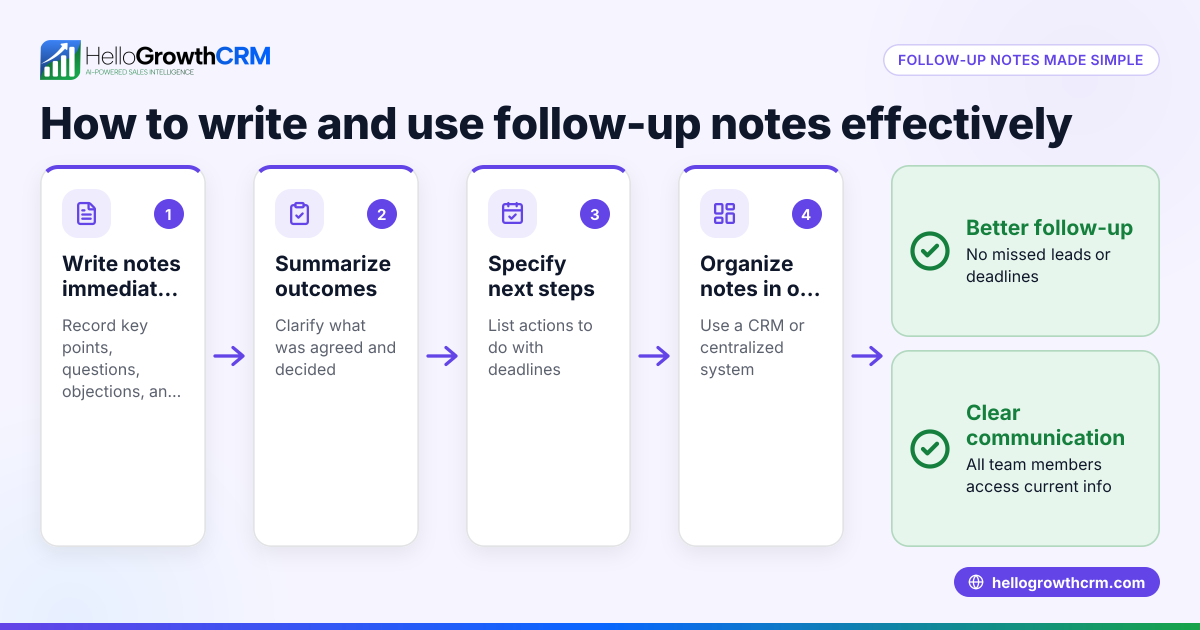
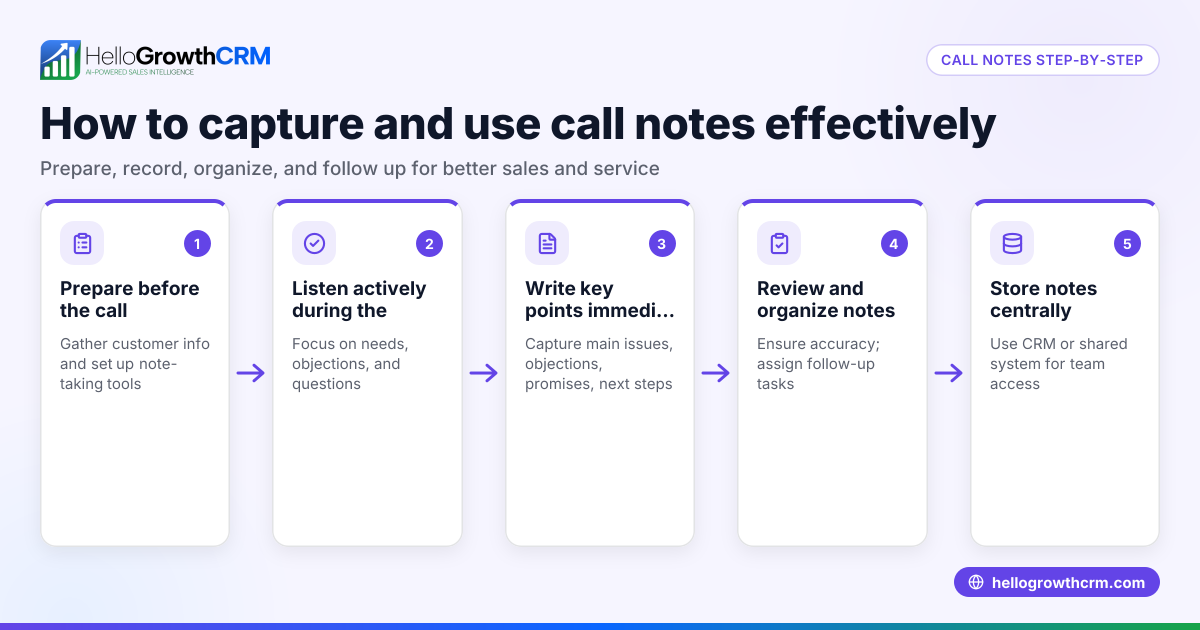
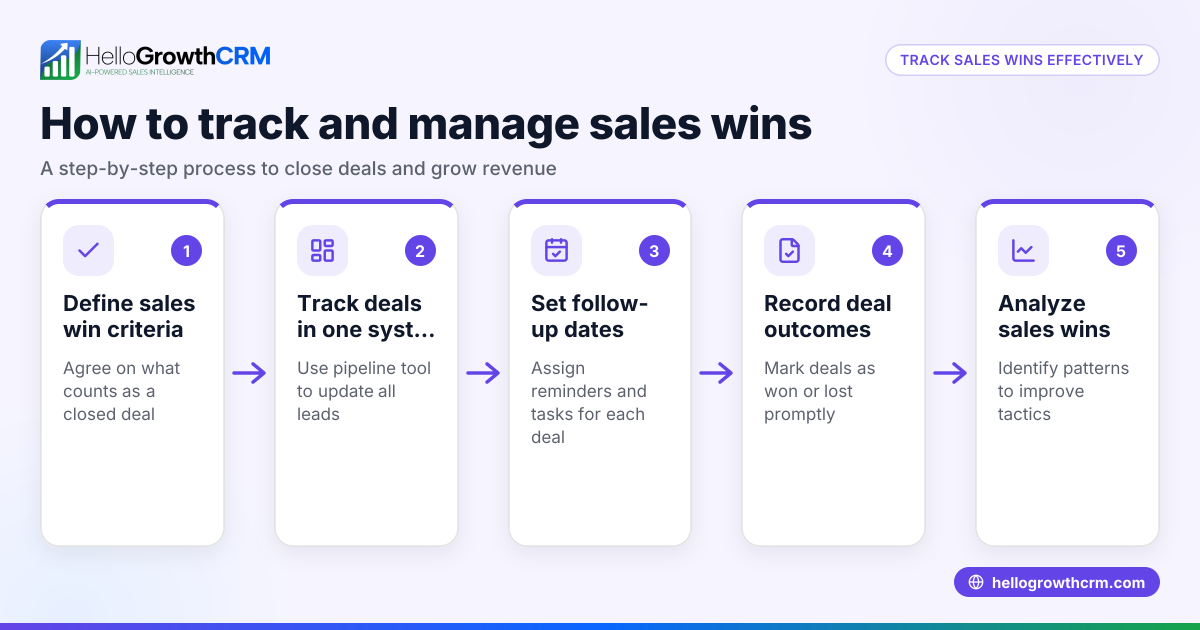
- Record every sales interaction immediately: After a call, meeting, or message, write down what was discussed, customer needs, objections, and any commitments made. Check that your notes include dates and contact details.
- Summarize key points clearly and concisely: Use bullet points or short sentences to make notes easy to scan later. Avoid vague statements like “good call” without specifics.
- Log next steps and follow-up dates: Always note what the next action is and when it should happen. Check that these follow-up tasks are visible in your sales system or calendar.
- Organize notes by lead or deal: Keep all notes for each prospect together, ideally in a CRM or a single document. Check regularly that notes are updated and accurate.
- Review and update notes before each contact: Before reaching out again, read previous notes to refresh your memory. Check that your follow-up is relevant to the lead’s current status.
- Share notes with your sales team: If you have a team, make sure notes are accessible to others who might contact the lead. Check that everyone uses the same system for consistency.
Example (fictional figures)
A landscaping contractor in Charlotte, North Carolina, named GreenScape, uses sales notes to track a potential commercial client.
- 03/15/2026: Initial call with Mr. Smith, facility manager at ABC Corp.
- Discussed landscaping needs for 5-acre property.
- Mr. Smith wants a quote by 03/22/2026.
- Next step: Prepare and send detailed quote by 03/21/2026.
On 03/21/2026, GreenScape sends a quote of $48,000.
- 03/22/2026: Follow-up call scheduled.
- 03/22/2026: Call with Mr. Smith.
- Mr. Smith requests addition of seasonal flower beds, estimated extra $8,640.
- Next step: Update quote and resend by 03/25/2026.
Calculations: $48,000 + $8,640 = $56,640
GreenScape updates the sales notes accordingly and schedules the next follow-up.
Common mistakes
- Not recording notes immediately: Leads to forgotten details. Prevent by setting a reminder to write notes right after every interaction.
- Writing vague or incomplete notes: Makes follow-up difficult. Prevent by including who, what, when, and next steps clearly.
- Scattering notes across multiple places: Causes confusion and lost information. Prevent by using a single system or CRM.
- Failing to review notes before follow-up: Results in irrelevant or repeated communication. Prevent by making note review a standard step.
- Not sharing notes with the team: Leads to inconsistent messaging. Prevent by centralizing notes and training the team on usage.
- Ignoring follow-up dates: Causes missed opportunities. Prevent by setting reminders or tasks linked to notes.
Doing this in HelloGrowthCRM
HelloGrowthCRM helps you keep sales notes organized and actionable. With its Deals (pipeline) feature, a quotation sent last week appears as a deal at the 'quote sent' stage with a follow-up date, so you never forget to check back. Distributors can use Territories and field operations tools to log visit notes directly from their phones, letting managers see daily activity. If you don’t have a sales manager, Managed RevOps assigns a revenue specialist to keep your follow-up queue active every week. Learn more about HelloGrowthCRM for the United States and its WhatsApp and SMS CRM capabilities, plus the built-in CRM dialer to streamline calls.
Frequently asked questions
What should I include in sales notes? Include the date, who you spoke with, key points discussed, customer needs or objections, next steps, and any commitments made. Clear, concise notes help you plan your follow-up effectively.
How often should I update sales notes? Update notes immediately after each interaction and review them before every follow-up. This keeps information current and relevant.
Can sales notes be shared with my team? Yes, sharing sales notes ensures everyone is on the same page and can provide consistent communication. Use a CRM or centralized system to manage access.
How do sales notes help improve sales results? They prevent lost information, enable timely follow-up, and help tailor your approach to each lead’s needs, increasing your chances of closing deals.
Is it possible to automate sales note reminders? Yes, many CRMs, including HelloGrowthCRM, allow you to set follow-up tasks and reminders linked to deals and notes, ensuring timely actions.
Key takeaways
- Sales notes are essential records of all sales interactions and next steps.
- Write clear, concise notes immediately after each contact.
- Organize and centralize notes to avoid losing information.
- Review notes before follow-ups to keep communication relevant.
- Use tools like HelloGrowthCRM to track deals, follow-ups, and field visits.
- Avoid common mistakes by setting reminders and sharing notes within your team.
Start managing your sales notes effectively today. Start on the Free Forever plan (200 leads, no credit card) with HelloGrowthCRM to keep your sales organized and never miss a follow-up.
Ready to put this into practice?
Set up your pipeline, WhatsApp follow-ups, and AI lead scoring in minutes — free, no credit card.
Try HelloGrowthCRM freeGet CRM tips in your inbox
Join thousands of sales professionals who get weekly insights on CRM strategy, AI automation, and pipeline optimization.

The HelloGrowthCRM team publishes guides on CRM strategy, AI sales tools, and revenue operations for small business sales teams.