HelloGrowthCRM software
Built for real small-business sales teams
HelloGrowthCRM helps reps qualify faster, follow up on time, and close more deals—with practical automation in one place.
- AI lead scoring and pipeline visibility
- Built-in dialer, WhatsApp, and email automation
- Sales forecasting and RevOps-ready reporting
A sales qualification methodology is a structured approach to decide if a prospect has the potential to become a paying customer. It involves assessing factors like budget, need, authority, and timing to prioritize leads that are worth pursuing. This method prevents wasting time on unlikely deals and improves sales efficiency.
Why this comes up / what goes wrong
Small business owners often struggle with managing leads effectively. Without a clear qualification method, sales teams chase every inquiry, leading to slow follow-up and lost opportunities. For example, a plumbing company might get many calls but lacks a way to quickly identify which customers have an urgent plumbing need and the budget to pay. This results in wasted effort and missed sales. Sales qualification methodology helps by providing a consistent way to evaluate leads and focus on those with the best chance of closing.
Step-by-step
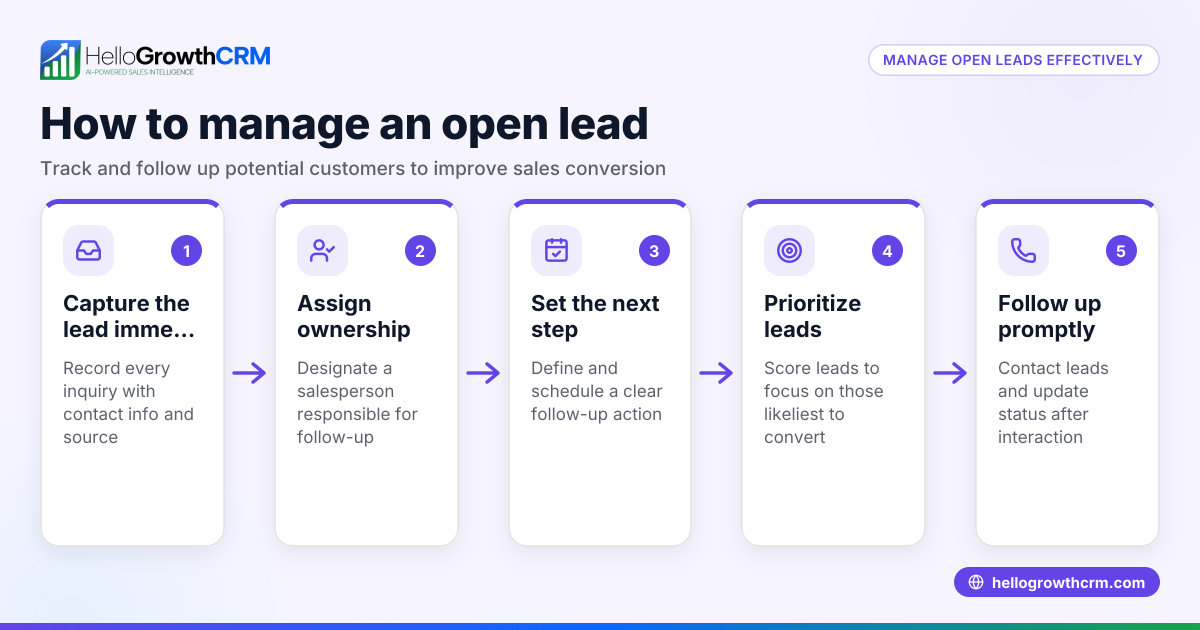
- Gather Lead Information
- Collect key details: contact info, company size, budget, need, decision-maker identity, and timeline.
- Check if the lead came from a reliable source like a web form or referral.
- Assess Budget and Authority
- Confirm if the lead has the budget allocated for your product or service.
- Verify if the contact is the decision-maker or has influence.
- Determine Need and Fit
- Identify the lead’s problem and how your offering solves it.
- Check if your product matches the lead’s requirements (industry, size, features).
- Evaluate Timing
- Ask about the lead’s purchase timeline.
- Prioritize leads ready to buy within a reasonable timeframe.
- Score and Prioritize Leads
- Use a simple scoring system (e.g., 1-5) on each factor.
- Focus follow-up on leads with the highest scores.
- Record and Track in a Pipeline
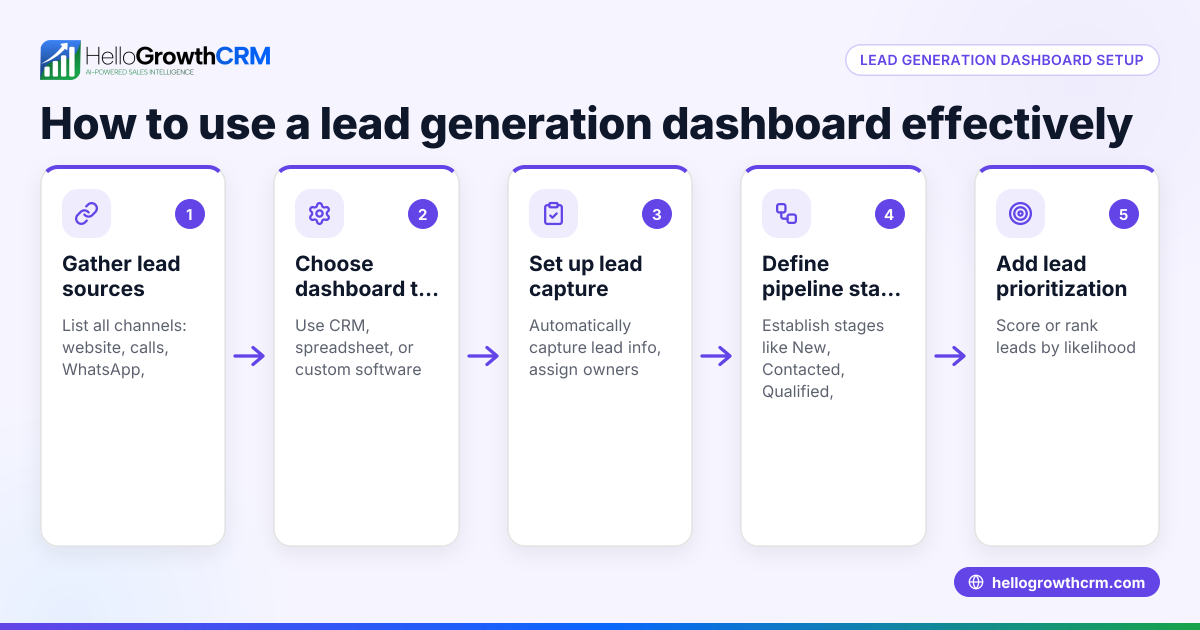
- Enter qualified leads into a sales pipeline with stages like "Contacted," "Qualified," "Quote Sent," and "Negotiation."
- Set follow-up tasks and dates to avoid forgetting leads.
- Review and Adjust Regularly
- Periodically review lead qualification criteria.
- Adjust based on what works and market changes.
Using a CRM with pipeline management helps automate steps 6 and 7, keeping leads organized and follow-ups timely.
Example (fictional figures)
A plumbing company in Austin, Texas, receives a lead on 05/10/2026 from a website form:
- Contact: John Smith
- Need: Leak repair
- Budget: $500 (estimated)
- Decision-maker: John (owner)
- Timeline: Needs service within 7 days
Step 1: Gather information — all details collected.
Step 2: Budget and authority — $500 budget confirmed, John is decision-maker.
Step 3: Need and fit — leak repair is a service offered.
Step 4: Timing — urgent, within 7 days.
Step 5: Score each factor (scale 1-5):
- Budget: 4 (budget fits service)
- Authority: 5 (owner)
- Need: 5 (core service)
- Timing: 5 (urgent)
Total score = 4 + 5 + 5 + 5 = 19 out of 20
Step 6: Enter as deal in pipeline at "Qualified" stage with follow-up date 05/15/2026.
Step 7: Review weekly to track progress.
This lead is high priority and should be contacted immediately.
Common mistakes
- Chasing every lead without qualification: Prevent by setting clear criteria and scoring leads.
- Ignoring budget or authority: Always confirm these early to avoid wasted effort.
- Failing to track leads systematically: Use a CRM pipeline to avoid forgetting follow-ups.
- Not updating lead status regularly: Schedule weekly reviews to keep pipeline accurate.
- Delaying follow-up on qualified leads: Set reminders and deadlines for timely contact.
- Using overly complex qualification criteria: Keep it simple and actionable.
Using tools like the built-in CRM dialer and WhatsApp and SMS CRM can help speed follow-up and communication.
Doing this in HelloGrowthCRM
HelloGrowthCRM supports sales qualification with its Deals (pipeline) feature. For example, a quotation sent last week appears as a deal at the "quote sent" stage with a follow-up date, so it is not forgotten. This keeps leads organized and ensures timely action. For businesses with field sales, Territories and field operations let reps log visits from their phone, while managers get visibility on daily activity. Founders without sales managers can use Managed RevOps to have a specialist work the follow-up queue weekly. These features help small and mid-sized businesses maintain consistent qualification and follow-up without losing leads.
Frequently asked questions
What is the difference between lead qualification and lead scoring? Lead qualification is the overall process of determining if a lead is worth pursuing, while lead scoring assigns a numeric value to leads based on criteria like budget and timing. Scoring helps prioritize leads within qualification.
How often should I review my sales qualification criteria? Review at least quarterly or when you notice changes in your market or sales results. Adjust criteria to reflect what leads convert best.
Can I qualify leads without a CRM? Yes, but it is harder to keep track and follow up consistently. A CRM like HelloGrowthCRM helps automate pipeline management and reminders.
What are the key factors to qualify a lead? Budget, authority, need, and timing are the main factors. Confirming these early saves time.
How does HelloGrowthCRM improve sales qualification? It provides a Deals pipeline to track stages and follow-up dates, plus tools for field sales and managed revenue operations support, making qualification and follow-up more reliable.
Key takeaways
- Sales qualification methodology helps prioritize leads based on budget, authority, need, and timing.
- Use a simple scoring system to rank leads and focus on the best opportunities.
- Track leads in a pipeline with follow-up dates to avoid losing prospects.
- Regularly review and update qualification criteria to stay effective.
- Avoid common mistakes like chasing unqualified leads or failing to follow up.
- HelloGrowthCRM’s Deals pipeline and field sales tools support organized qualification and timely action.
Start qualifying your leads effectively today. Start on the Free Forever plan (200 leads, no credit card) with HelloGrowthCRM and keep your sales process on track.
Ready to put this into practice?
Set up your pipeline, WhatsApp follow-ups, and AI lead scoring in minutes — free, no credit card.
Try HelloGrowthCRM freeGet CRM tips in your inbox
Join thousands of sales professionals who get weekly insights on CRM strategy, AI automation, and pipeline optimization.

The HelloGrowthCRM team publishes guides on CRM strategy, AI sales tools, and revenue operations for small business sales teams.