HelloGrowthCRM software
Built for real small-business sales teams
HelloGrowthCRM helps reps qualify faster, follow up on time, and close more deals—with practical automation in one place.
- AI lead scoring and pipeline visibility
- Built-in dialer, WhatsApp, and email automation
- Sales forecasting and RevOps-ready reporting
Targeted email campaigns focus your marketing efforts by sending emails to groups of contacts who share common traits or interests. This makes your messages more relevant and increases the chance prospects will respond or buy. Small businesses often struggle with slow follow-up or generic emails that don’t connect. Targeted campaigns solve this by using data to tailor messages and timing.
Why this comes up / what goes wrong
Small businesses in Canada often collect leads from their website, social media, or in-person events. Without a system to segment these leads, they send the same email to everyone or delay follow-up. This wastes time and loses potential sales. For example, a landscaping company might send one email to all contacts instead of a special offer to homeowners in a certain area. Targeted email campaigns help by focusing on the right people with the right message.
Many small businesses run their sales on text messages, email, and spreadsheets without a clear way to organise or prioritise leads. This leads to lost opportunities when follow-up is slow or inconsistent. Targeted email campaigns allow you to reach the right contacts with messages that resonate, increasing the chance of a reply or sale.
Step-by-step
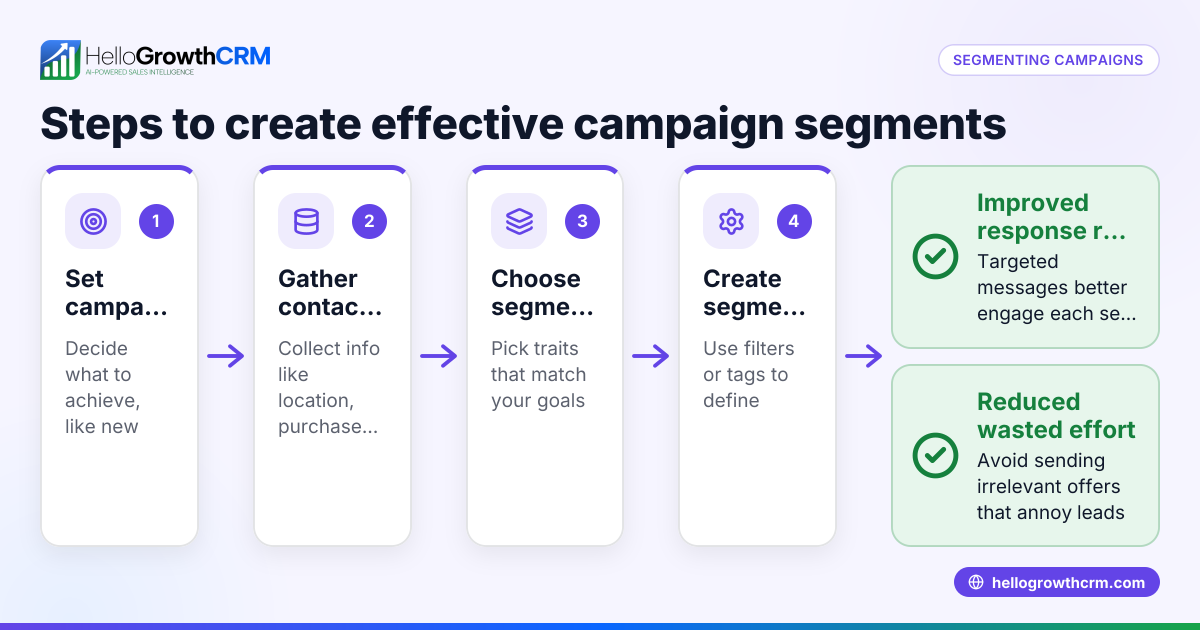
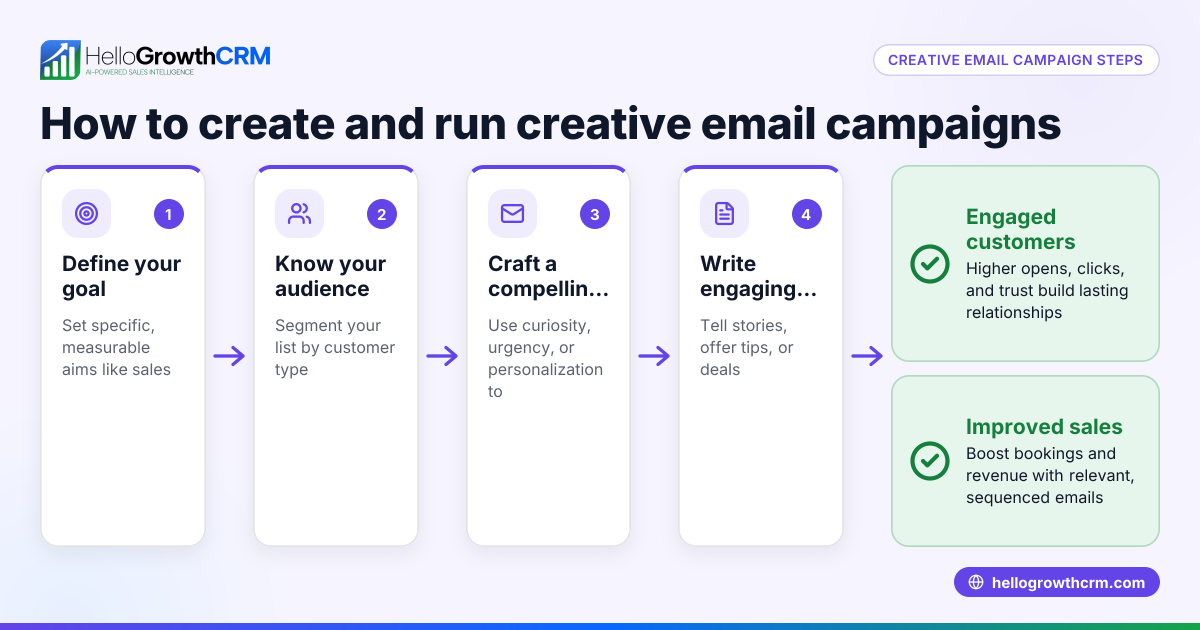
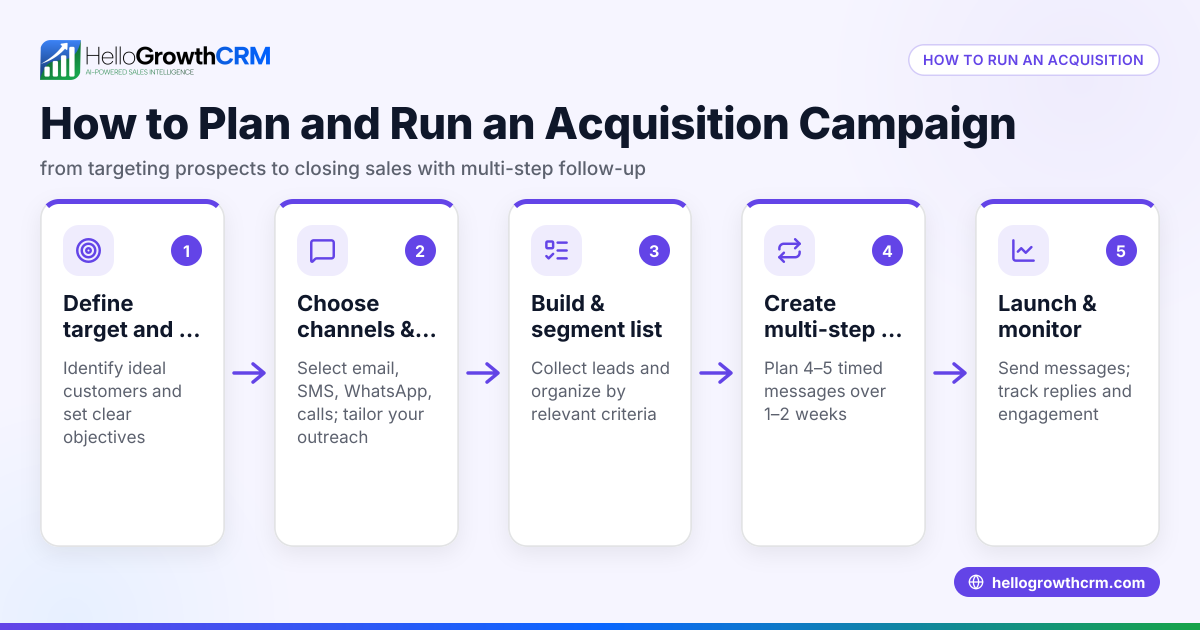
- Gather and segment your contacts: Group your contacts by criteria like location, purchase history, or expressed interest. Check your list for accuracy, remove duplicates, and ensure contact details are up to date.
- Define your campaign goal: Decide what you want to achieve—book appointments, promote a new service, or announce a sale. Clear goals help tailor your message and measure success.
- Craft your message: Write clear, relevant emails tailored to each segment’s needs. Use simple language and include a strong call to action that tells recipients what to do next.
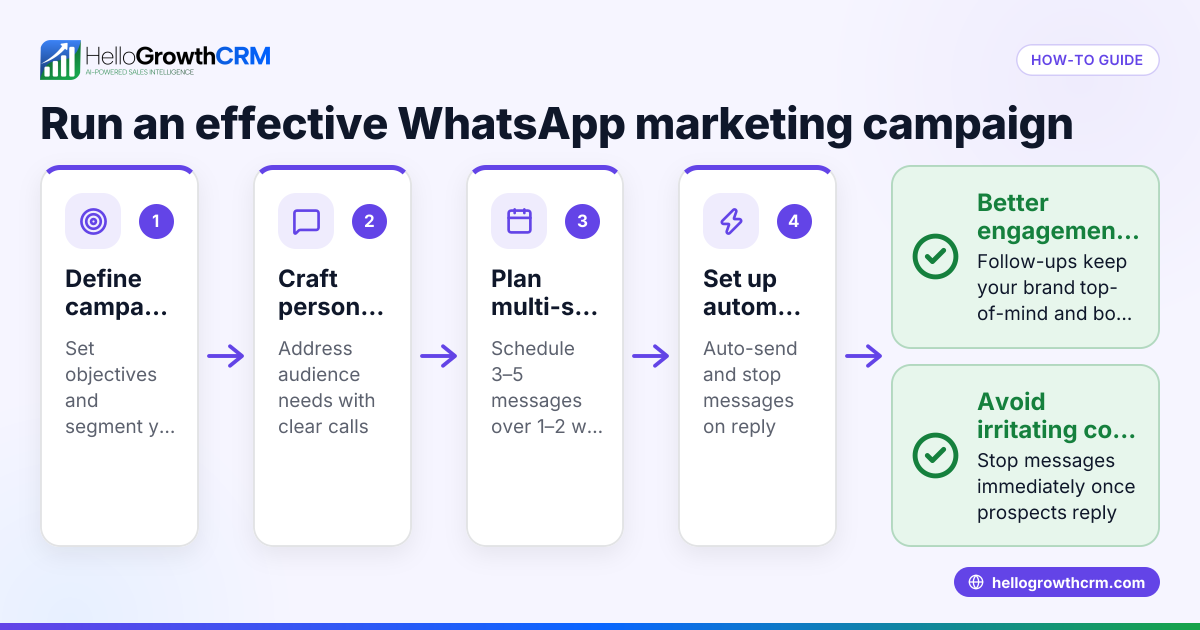
- Set the schedule and automation: Plan a sequence of emails spaced over days or weeks. Check timing to avoid spamming and fatigue. Use automation tools to send follow-ups automatically.
- Send and monitor results: Launch your campaign and track open rates, clicks and replies. Use this data to adjust future emails and improve engagement.
Segmenting and automating follow-up emails is easier with tools like email automation and sequences. Using a shared inbox like HelloMail helps your team respond to replies quickly and stay coordinated, ensuring no leads slip through.
Example (fictional figures)
A Surrey-based HVAC company wants to promote a winter heating tune-up special to homeowners in their service area.
- They have 1,000 contacts from Surrey and 500 from other cities.
- The company segments contacts by location and selects only Surrey homeowners.
- They plan a 5-email sequence over 2 weeks offering a C$99 tune-up.
Calculations: Number of targeted contacts = 1,000 Expected open rate = 30% (assumed illustrative) Expected responses = 1,000 × 30% = 300 Conversion rate = 20% (assumed illustrative) Expected bookings = 300 × 20% = 60 Revenue per booking = C$99 Expected revenue = 60 × C$99 = C$5,940
This approach focuses effort on the most relevant leads, improving efficiency and revenue.
Common mistakes
- Not segmenting contacts: Sending the same email to all contacts reduces relevance and engagement. Prevent this by grouping contacts based on clear criteria like location or past purchases.
- Ignoring timing: Bombarding contacts with emails too quickly causes unsubscribes and annoyance. Use spaced sequences and monitor engagement to find the best timing.
- Weak calls to action: Vague or missing next steps confuse prospects and reduce replies. Always include a clear, simple action such as "Book your tune-up now" or "Reply to schedule an appointment".
- Neglecting replies: Failing to respond to replies wastes leads and damages relationships. Use a shared inbox like HelloMail so your team can manage inbound emails together and reply promptly.
- Not tracking results: Without monitoring open and click rates, you can’t improve your campaigns. Track these metrics and adjust your messages and schedule accordingly.
- Overlooking multi-channel opportunities: Relying only on email may miss contacts who prefer text or WhatsApp. Using a CRM with WhatsApp and SMS CRM alongside email helps you reach contacts on their preferred channels.
Doing this in HelloGrowthCRM
HelloGrowthCRM supports targeted email campaigns with Sequences and campaigns, which automate multi-step outreach over two weeks and stop when a prospect replies. This keeps follow-up timely without manual effort. The HelloMail shared inbox lets your team view and respond to replies to quotation emails together, preventing lost leads and duplicated effort. Learn more about these features at email automation and sequences.
Frequently asked questions
What makes an email campaign "targeted"? A targeted email campaign sends messages to specific groups of contacts based on characteristics like location, behaviour, or past purchases. This focus increases relevance and engagement compared to generic mass emails.
How often should I send emails in a targeted campaign? A common approach is to send a sequence of emails spaced over a period of time in a targeted email campaign. This balances staying top-of-mind without overwhelming recipients. Adjust frequency based on response rates and feedback.
Can I combine email with other channels? Yes, combining email with SMS or WhatsApp messages can improve reach and response. HelloGrowthCRM supports multi-channel sequences to automate this, helping you connect with leads where they are most active.
How do I measure success in a targeted campaign? Track metrics like open rate, click-through rate, reply rate, and conversions such as bookings or sales. Use these insights to refine your messages, timing, and segment choices for better results.
Do I need a CRM for targeted email campaigns? While it is possible to manage campaigns manually, a CRM helps automate segmentation, scheduling, and tracking. It also centralizes communication for your team, making campaigns more consistent and efficient.
What if my team receives multiple replies to the same email? Using a shared inbox like HelloMail ensures all replies are visible to the whole team. This prevents duplicated effort and ensures timely responses to every prospect.
Key takeaways
- Targeted email campaigns send relevant messages to specific contact groups.
- Segment your contacts and define clear goals before crafting emails.
- Use automated sequences to follow up consistently and stop when prospects reply.
- Monitor results and adjust your campaign based on engagement data.
- Avoid common mistakes like ignoring segmentation, timing, and replies.
- Combine email with SMS or WhatsApp for better reach.
- HelloGrowthCRM offers sequences and a shared inbox to simplify targeted email campaigns.
Start your targeted email campaigns today with HelloGrowthCRM. Start on the Free Forever plan (200 leads, no credit card) to organise your leads and automate follow-up.
Ready to put this into practice?
Set up your pipeline, WhatsApp follow-ups, and AI lead scoring in minutes — free, no credit card.
Try HelloGrowthCRM freeGet CRM tips in your inbox
Join thousands of sales professionals who get weekly insights on CRM strategy, AI automation, and pipeline optimization.

The HelloGrowthCRM team publishes guides on CRM strategy, AI sales tools, and revenue operations for small business sales teams.