HelloGrowthCRM software
Built for real small-business sales teams
HelloGrowthCRM helps reps qualify faster, follow up on time, and close more deals—with practical automation in one place.
- AI lead scoring and pipeline visibility
- Built-in dialer, WhatsApp, and email automation
- Sales forecasting and RevOps-ready reporting
A virtual sales team is a group of salespeople who operate remotely rather than from a traditional office or storefront. They use digital communication tools like email, phone, WhatsApp, and CRM software to manage leads, conduct sales conversations, and close deals. This setup allows businesses to expand their reach, reduce overhead costs, and respond faster to leads.
Why this comes up / what goes wrong
Small business owners often consider a virtual sales team when their sales process becomes too large or complex for in-person management. For example, a business owner who previously handled all sales calls and emails might find it hard to keep up as leads grow. Hiring remote sales reps lets them cover more ground without needing extra office space.
However, without the right tools and processes, virtual teams can struggle with communication gaps, slow lead follow-up, and lost sales opportunities. Sales managers may find it difficult to track progress or hold reps accountable when everyone works from different locations. These challenges make it crucial to have clear steps and technology in place.
Step-by-step
- Define your sales goals and territories. Decide what sales targets you want to hit and how to divide leads geographically or by customer type. Check that your sales reps understand their assigned areas to avoid overlap or missed leads.
- Hire and train remote sales reps. Look for candidates comfortable with digital communication and self-management. Provide training on your products, sales scripts, and the tools they will use.
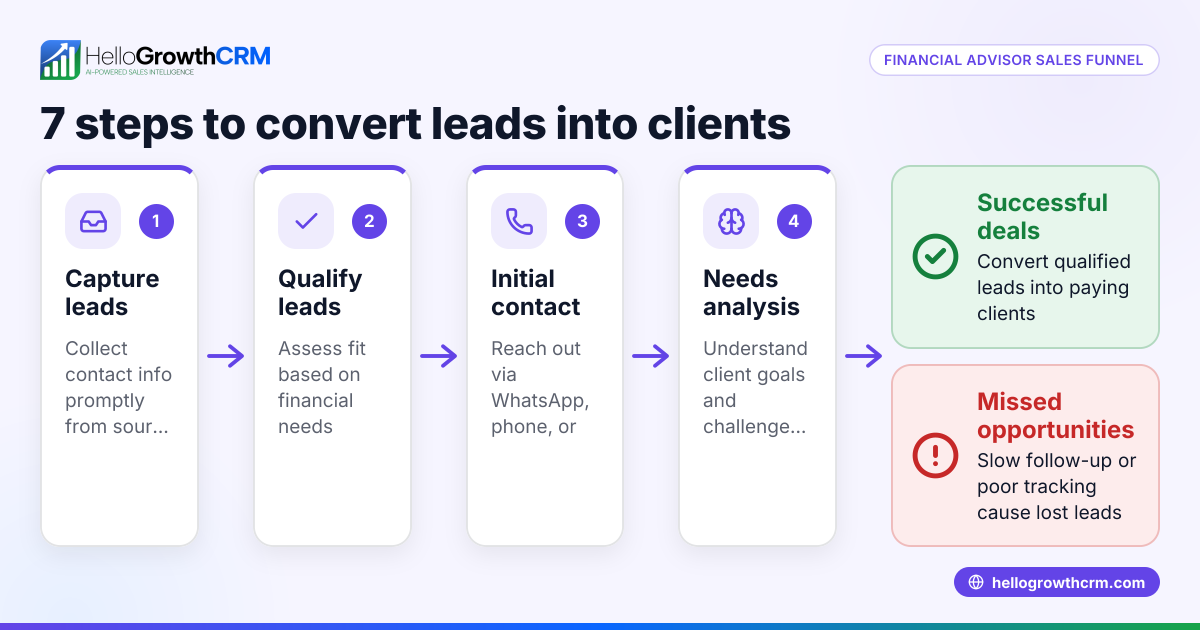
- Set up a CRM system to centralize leads and communication. Choose software that integrates phone, email, WhatsApp, and SMS in one place. Check that it supports pipeline tracking and follow-up reminders.
- Establish clear sales processes and follow-up schedules. Document how leads move through stages and when reps should contact prospects. Check adherence regularly.
- Use regular reporting and check-ins to monitor performance. Schedule weekly meetings and review pipeline reports to catch bottlenecks or stalled deals.
- Provide tools for field operations if reps visit clients. Equip them with mobile apps to log visits and update managers on their daily routes and activities.
- Continuously optimize with lead scoring and managed revenue operations support. Use AI or expert services to prioritize leads and keep your sales pipeline clean.
For more on managing territories and field operations, see territories, field operations and commissions. To learn about CRM features that help keep deals on track, visit HelloGrowthCRM for the United States.
Example (fictional figures)
A two-location dental practice in Columbus, Ohio, wants to expand its patient base without opening new offices. They hire two remote sales reps to handle outreach and appointment scheduling.
- Monthly new patient target: 100
- Average revenue per patient: $1,200
- Sales rep salary: $4,000 each per month
The practice sets up a CRM pipeline to track leads and schedules weekly follow-ups.
Calculations:
100 patients × $1,200 = $120,000 monthly revenue target
$4,000 × 2 reps = $8,000 monthly sales payroll
If the virtual sales team meets the target, the practice gains $120,000 in revenue at a $8,000 cost, a strong return on investment.
Common mistakes
- Lack of clear territory assignment: Overlapping leads cause confusion. Prevent by defining territories clearly using tools like HelloGrowthCRM’s territory management.
- Poor follow-up discipline: Leads go cold if reps delay contact. Set automated reminders and track follow-up stages in your CRM.
- Inadequate training on digital tools: Reps struggle if not comfortable with CRM or communication apps. Provide thorough onboarding.
- Ignoring pipeline hygiene: Stale deals clutter the system and hide priority opportunities. Regularly clean and update your pipeline.
- No performance monitoring: Without reports, problems go unnoticed. Use weekly KPI reviews and dashboards.
- Underestimating communication needs: Remote teams need scheduled check-ins to stay aligned.
Learn more about avoiding follow-up issues with the built-in CRM dialer.
Doing this in HelloGrowthCRM
HelloGrowthCRM offers features to support virtual sales teams effectively. Its Deals (pipeline) feature tracks open opportunities from first contact through close, showing quotations at the 'quote sent' stage with follow-up dates so nothing is forgotten. For teams with field reps, territories and field operations tools let salespeople log visits from their phones while managers see daily activity. Founders without sales managers can benefit from Managed RevOps, where a specialist works the follow-up queue weekly to keep deals moving. These features help small businesses organize and scale virtual sales efforts efficiently.
Frequently asked questions
What is a virtual sales team? A virtual sales team is a group of salespeople who work remotely, using digital tools to communicate with prospects and customers instead of meeting in person. This allows businesses to reduce costs and expand reach.
How do I manage a virtual sales team effectively? Use a CRM system to centralize lead management, set clear territories and sales processes, and schedule regular check-ins. Tools that combine phone, email, WhatsApp, and SMS help keep communication smooth.
Can small businesses benefit from virtual sales teams? Yes, especially when sales volume grows beyond what a single person can handle. Virtual teams allow scaling without needing physical office space.
What tools support virtual sales teams best? CRMs with pipeline tracking, follow-up reminders, territory management, and integrated communication channels are ideal. HelloGrowthCRM offers these features tailored to small businesses.
How do I avoid losing leads with a virtual sales team? Set up automated reminders for follow-up, monitor pipeline stages regularly, and consider managed revenue operations support to keep deals progressing.
Key takeaways
- A virtual sales team works remotely using digital tools to manage sales.
- Clear territories, sales processes, and training are essential for success.
- CRM systems centralize communication and track deals to prevent lost leads.
- Regular reporting and pipeline hygiene keep the team accountable.
- HelloGrowthCRM supports virtual sales with pipeline tracking, territory tools, and managed RevOps.
Start managing your virtual sales team with HelloGrowthCRM. Start on the Free Forever plan (200 leads, no credit card).
Ready to put this into practice?
Set up your pipeline, WhatsApp follow-ups, and AI lead scoring in minutes — free, no credit card.
Try HelloGrowthCRM freeGet CRM tips in your inbox
Join thousands of sales professionals who get weekly insights on CRM strategy, AI automation, and pipeline optimization.

The HelloGrowthCRM team publishes guides on CRM strategy, AI sales tools, and revenue operations for small business sales teams.