What is different about saas & tech in India
Indian SaaS sellers targeting global buyers need to track which country's tax rules apply per deal, since export of services has different GST treatment (typically zero-rated under LUT) than domestic SaaS sales. Enquiries for IT services and managed IT providers usually arrive through RFPs, LinkedIn outreach and partner referrals rather than self-serve signups, so the pipeline needs a technical-evaluation stage that can run for weeks before commercial terms are discussed.
Domestic SaaS and IT service invoices carry GST, while export invoices to foreign clients are typically zero-rated under a Letter of Undertaking, and mixing the two templates causes finance headaches, so they should stay separate in the CRM. Client and end-user data handled by SaaS platforms falls under the DPDP Act 2023, with additional scrutiny for cybersecurity and AI companies handling sensitive datasets. Enterprise buying activity often slows in the final weeks of the March financial year-end as IT budgets get finalised.
Set up your CRM for India saas & tech teams
- Separate the GST-LUT export invoice template from the domestic GST template so finance doesn't mix export and domestic billing.
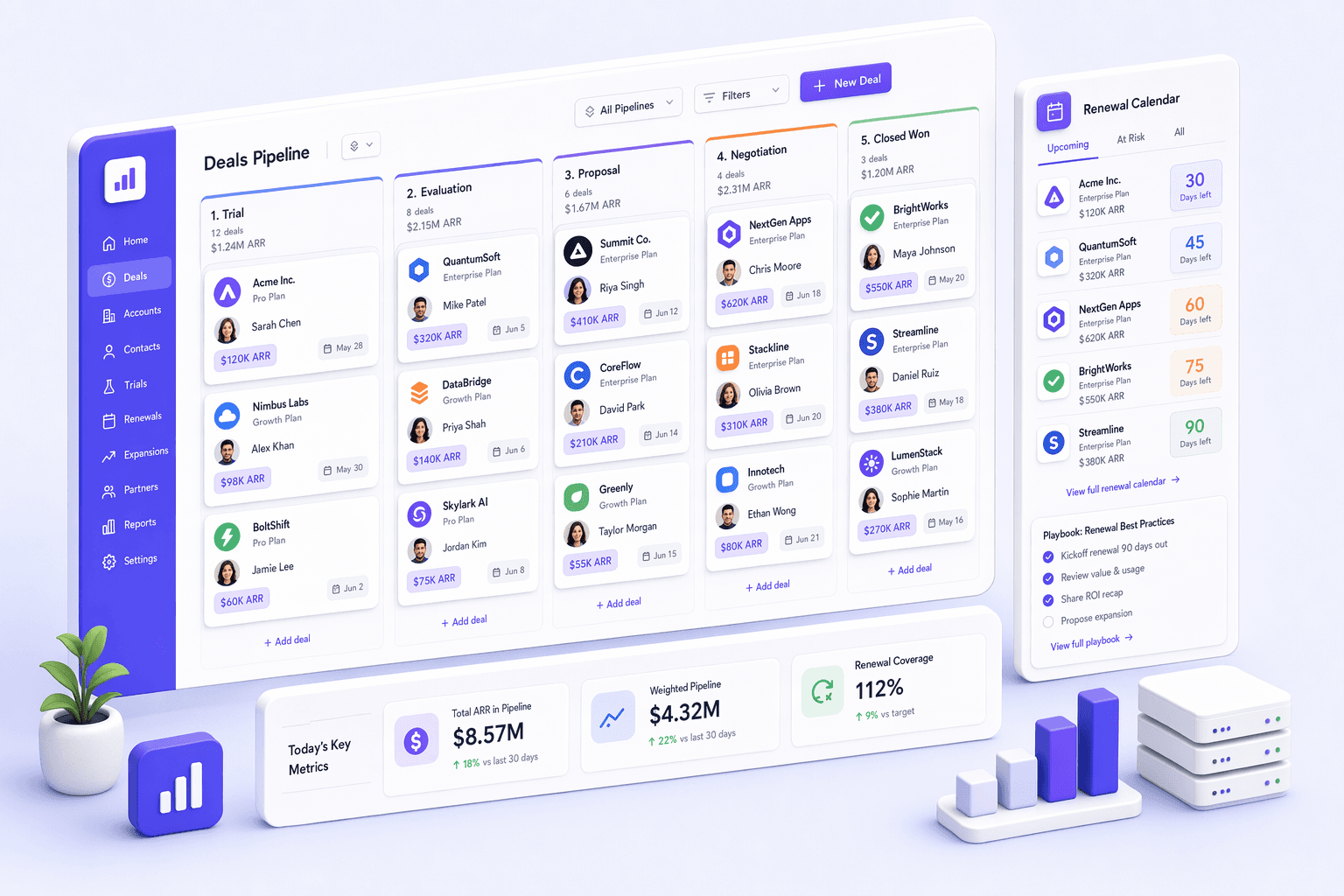
- Add a technical-evaluation pipeline stage before commercial terms, since enterprise IT deals stall there for weeks.
- Flag the March financial year-end as a slow-decision window when enterprise IT budgets are still being finalised.