HelloGrowthCRM software
Built for real small-business sales teams
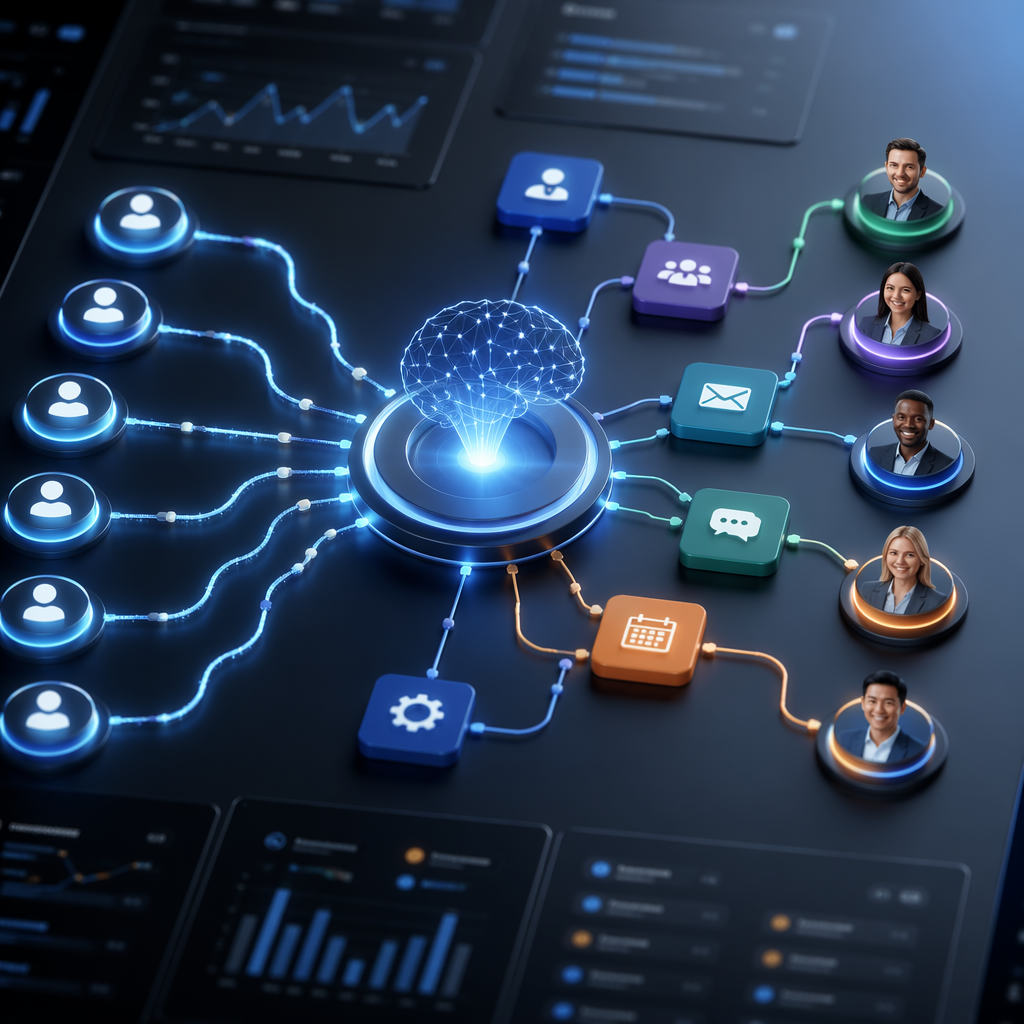
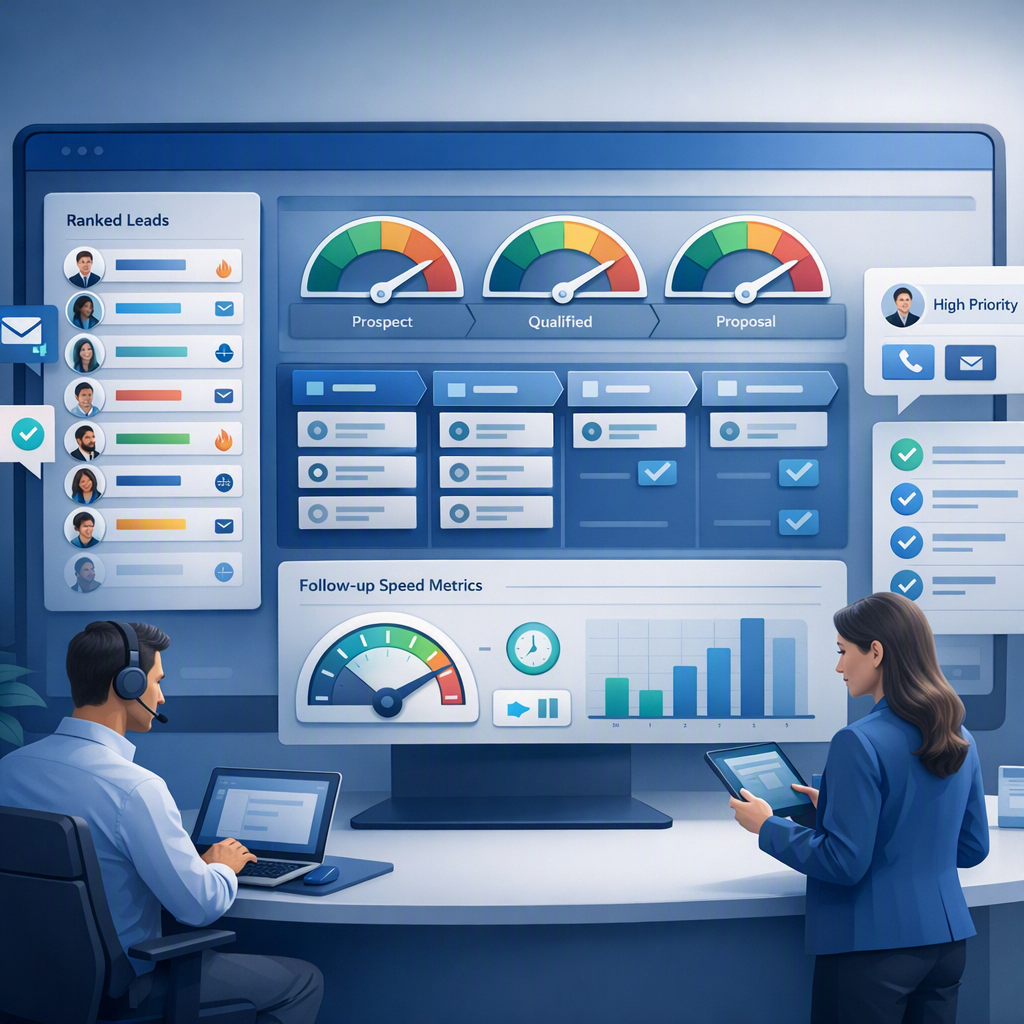
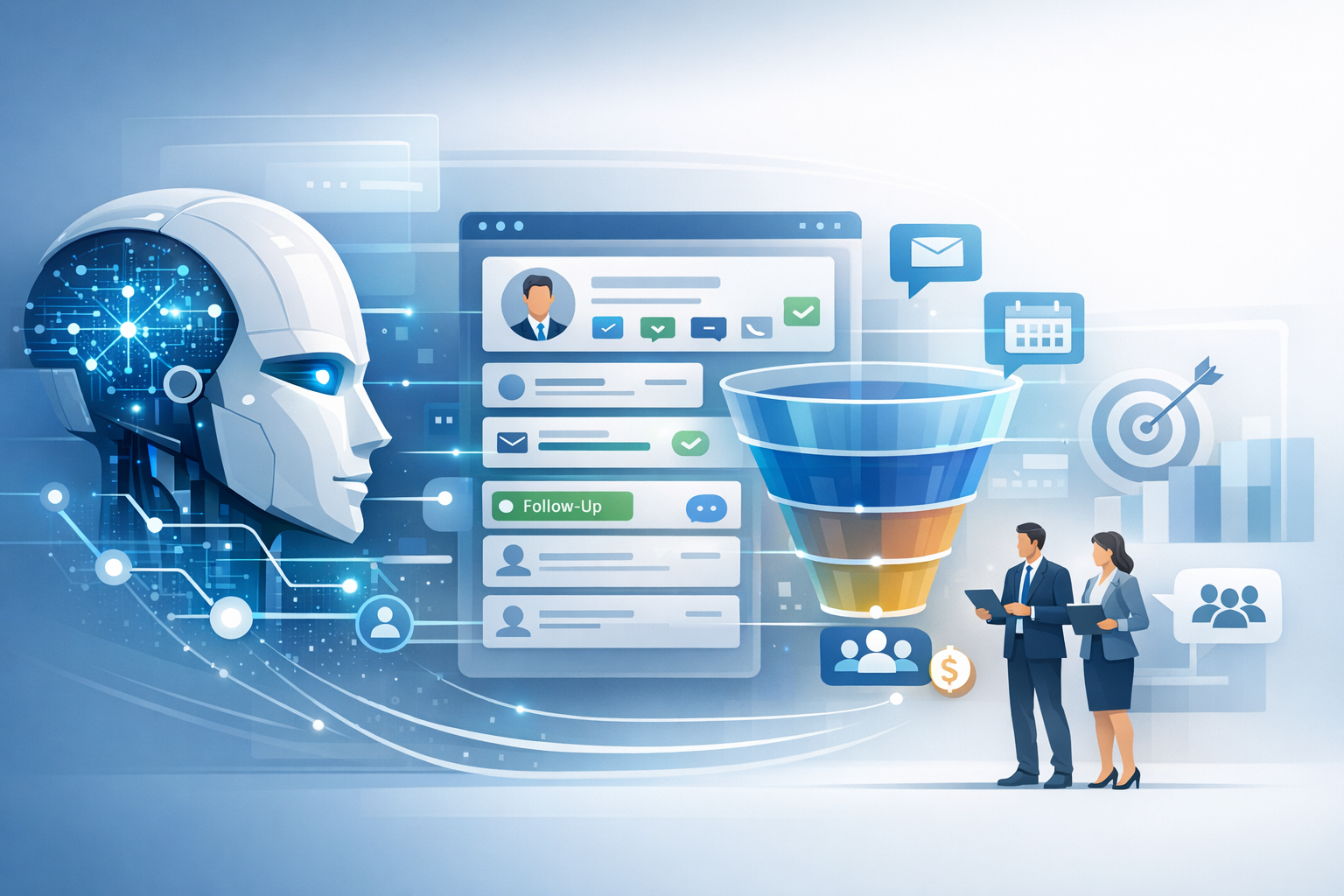
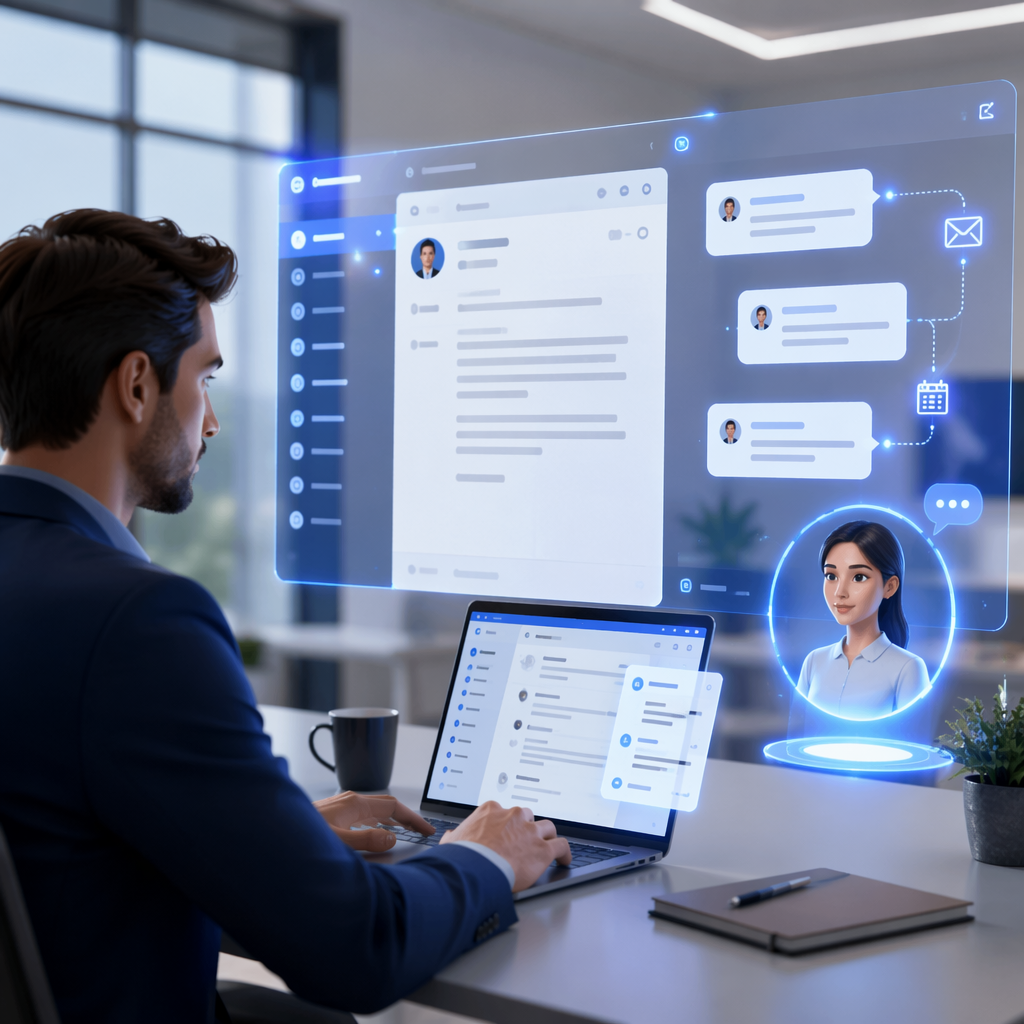
HelloGrowthCRM helps reps qualify faster, follow up on time, and close more deals—with practical automation in one place.
- AI lead scoring and pipeline visibility
- Built-in dialer, WhatsApp, and email automation
- Sales forecasting and RevOps-ready reporting
In today's digital landscape, email marketing remains a powerful tool for businesses looking to engage with their audience and drive conversions. However, the effectiveness of email campaigns has evolved significantly. Simple tactics, such as adding a recipient's name in the subject line, are no longer sufficient. To truly capture attention and encourage action, businesses must embrace advanced email personalization strategies. This article will explore effective methods to enhance email personalization and ultimately boost conversion rates.
Understanding Email Personalization
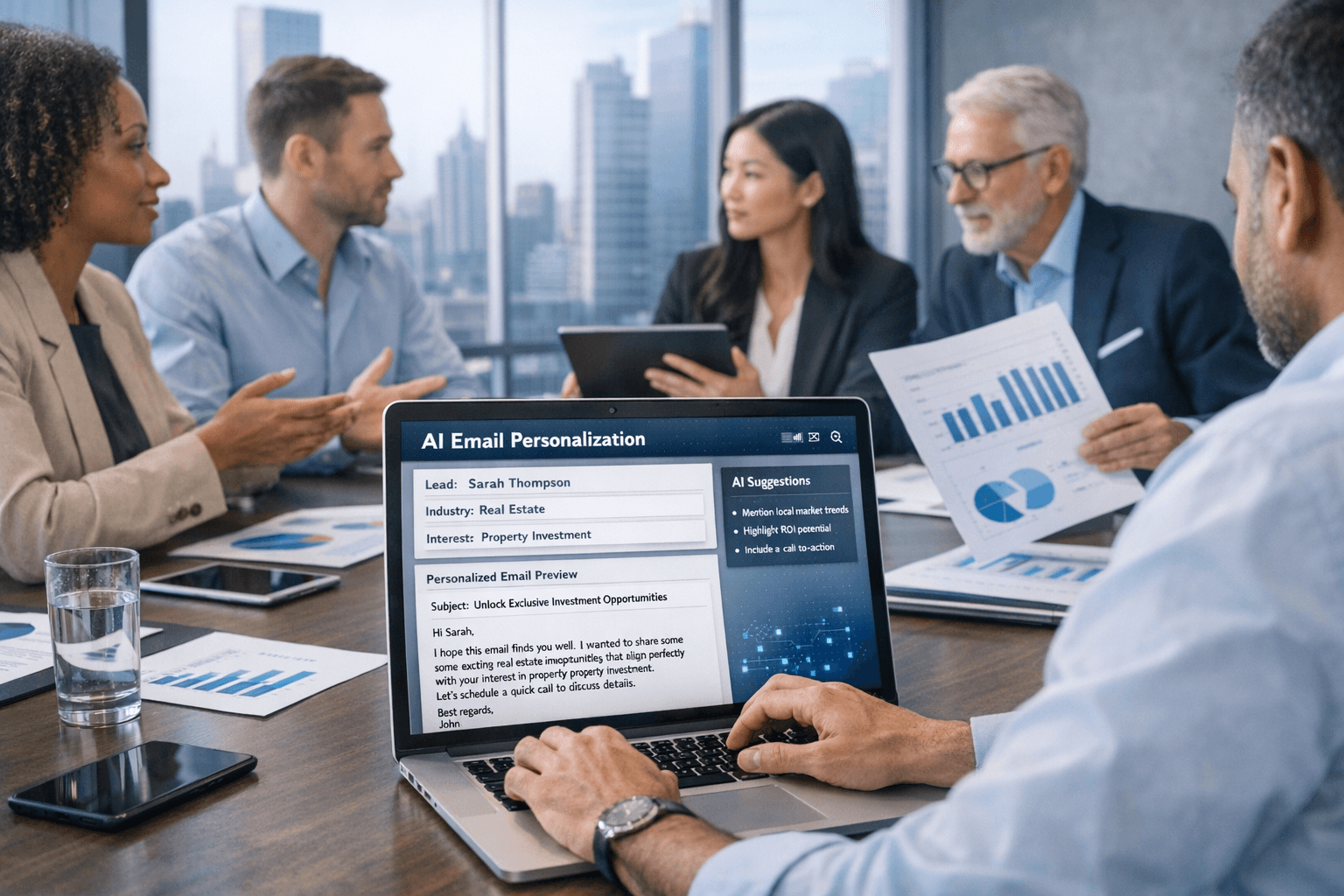
Email personalization involves tailoring content to match the preferences and behaviors of individual recipients. This goes beyond just addressing the recipient by name. Personalization can include segmenting your audience based on demographics, past purchases, or engagement history. By understanding your audience better, you can create messages that resonate more deeply with them.
Effective personalization strategies can lead to increased open rates, higher engagement, and ultimately, improved conversion rates. When emails feel relevant and tailored, recipients are more likely to take the desired action, whether that’s making a purchase, signing up for a webinar, or downloading a resource.
- Personalization can include:
- Using recipient names
- Segmenting based on behavior
- Tailoring content to interests
The Importance of Segmentation
Segmentation is a crucial component of email personalization. By dividing your audience into smaller groups based on shared characteristics, you can send more targeted messages. This approach helps ensure that the right message reaches the right people at the right time.
Common segmentation strategies include:
- Demographic factors such as age, gender, and location
- Behavioral data like past purchases or website interactions
- Engagement levels, such as frequency of email opens or clicks
By implementing effective segmentation, businesses can create more relevant content that speaks directly to the needs and interests of each group. This can lead to higher engagement rates and increased conversions.
Crafting Personalized Content
Once you have segmented your audience, the next step is to craft personalized content that speaks to each group. This involves more than just changing a few words in your email. It requires a thoughtful approach to content creation.
Consider the following strategies for crafting personalized content:
- Use dynamic content blocks that change based on the recipient's data
- Incorporate recommendations based on past purchases or browsing history
- Tailor subject lines to reflect the interests of each segment
By creating content that feels custom-made for each recipient, you can significantly enhance the effectiveness of your email campaigns. Personalized content can help establish a connection with your audience, making them more likely to engage and convert.
Timing and Frequency of Emails
Another critical aspect of email personalization is timing and frequency. Sending emails at the right time can greatly influence open and conversion rates. Understanding when your audience is most likely to engage with your emails can help you optimize your email schedule.
Consider these factors when determining the best timing:
- Analyze past engagement data to identify peak open times
- Experiment with different days of the week to see what works best
- Adjust frequency based on audience preferences to avoid overwhelming them
By personalizing not only the content but also the timing and frequency of your emails, you can create a more engaging experience for your recipients. This approach can lead to higher conversion rates over time.
Testing and Optimization
Email personalization is not a one-size-fits-all strategy. What works for one audience may not work for another. Therefore, continuous testing and optimization are essential for improving your email campaigns.
Implement A/B testing to compare different versions of your emails. Test elements such as:
- Subject lines
- Email layouts
- Calls to action
By analyzing the results, you can identify what resonates most with your audience and refine your approach accordingly. Regular testing allows you to stay agile and adapt to changing preferences, ensuring your email campaigns remain effective over time.
Conclusion
Email personalization is a powerful strategy that can significantly enhance engagement and drive higher conversions. By understanding your audience, segmenting effectively, crafting personalized content, optimizing timing, and continually testing your approach, you can create email campaigns that resonate with recipients. As the digital landscape continues to evolve, embracing advanced personalization techniques will be crucial for businesses looking to thrive in email marketing.
Frequently Asked Questions
What is email personalization?
Email personalization involves tailoring content to match the preferences and behaviors of individual recipients.
Why is segmentation important in email marketing?
Segmentation allows businesses to send targeted messages to smaller groups, increasing relevance and engagement.
Ready to put this into practice?
Set up your pipeline, WhatsApp follow-ups, and AI lead scoring in minutes — free, no credit card.
Try HelloGrowthCRM freeGet CRM tips in your inbox
Join thousands of sales professionals who get weekly insights on CRM strategy, AI automation, and pipeline optimization.

The HelloGrowthCRM team publishes guides on CRM strategy, AI sales tools, and revenue operations for small business sales teams.