HelloGrowthCRM software
Built for real small-business sales teams
HelloGrowthCRM helps reps qualify faster, follow up on time, and close more deals—with practical automation in one place.
- AI lead scoring and pipeline visibility
- Built-in dialer, WhatsApp, and email automation
- Sales forecasting and RevOps-ready reporting
B2B email addresses are professional contacts used by businesses to communicate with other businesses. They differ from personal email addresses because they typically use a company’s domain and connect you to decision-makers or relevant employees at other companies. Understanding what B2B email addresses are and how to find and use them effectively can help your small business reach the right contacts for sales, partnerships, or service.
Why this comes up / what goes wrong
Small-business owners often need B2B email addresses when trying to reach potential clients, suppliers, or partners. For example, you might collect leads from trade shows, website forms, or referrals but lack accurate contact details to follow up. Without verified B2B email addresses, your outreach can be slow, ineffective, or end up in spam folders, causing lost sales opportunities. Many owners also struggle with managing multiple email threads scattered across personal inboxes or spreadsheets, leading to missed replies or duplicated efforts.
Step-by-step
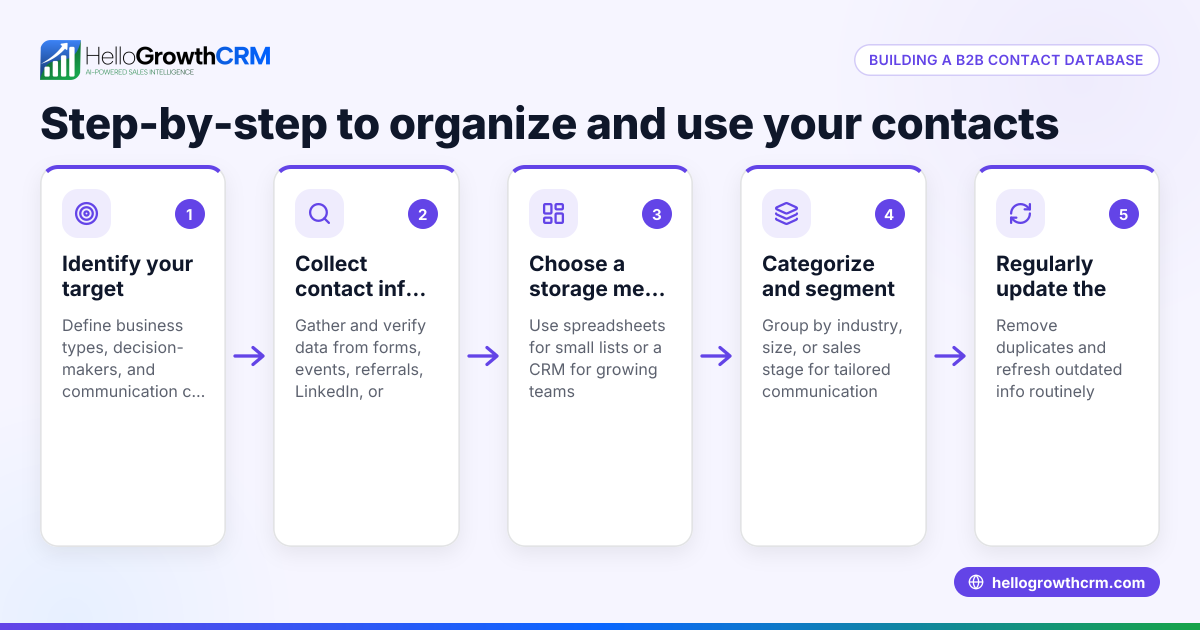
- Identify your target audience: Decide which businesses and roles you want to contact, such as purchasing managers, IT directors, or operations heads.
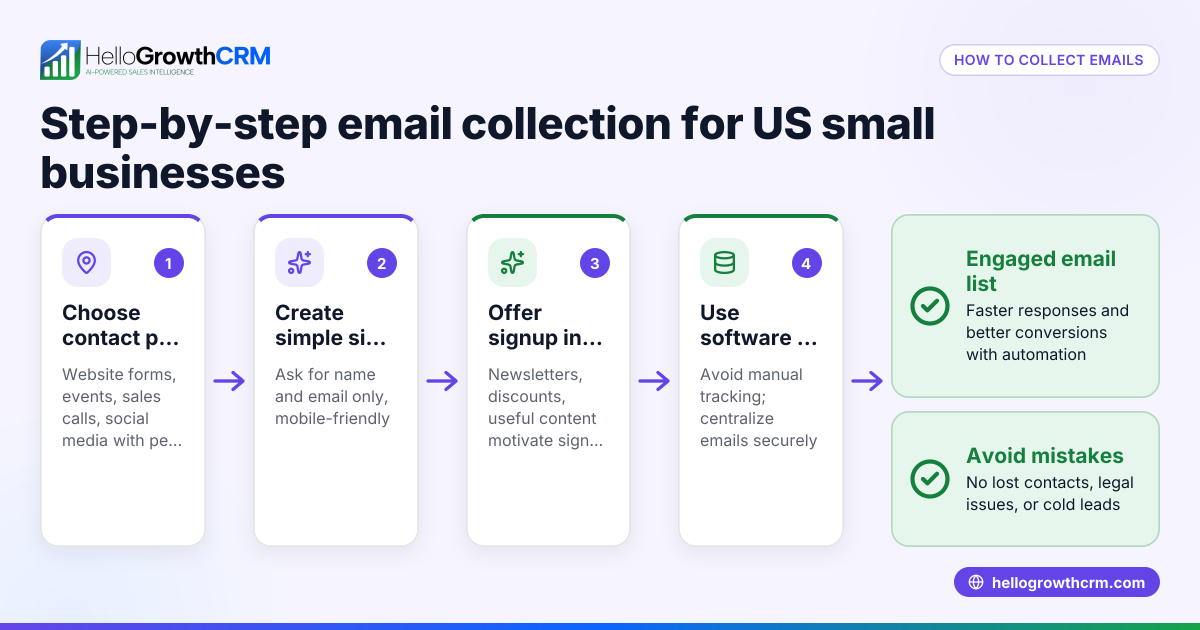
- Collect email addresses: Gather contacts from your website forms, LinkedIn profiles, company websites, or trusted B2B directories. Always look for professional emails that use the company’s domain (e.g., name@company.com).
- Verify emails: Use email verification tools or send test messages to check if emails are valid and reduce bounce-backs.
- Organize your contacts: Store all email addresses in one place, ideally a CRM, to track communication history and follow-ups.
- Segment your list: Group contacts by industry, company size, or role to tailor your messaging effectively.
- Plan your outreach: Create email sequences or campaigns that send timed messages to engage contacts over days or weeks.
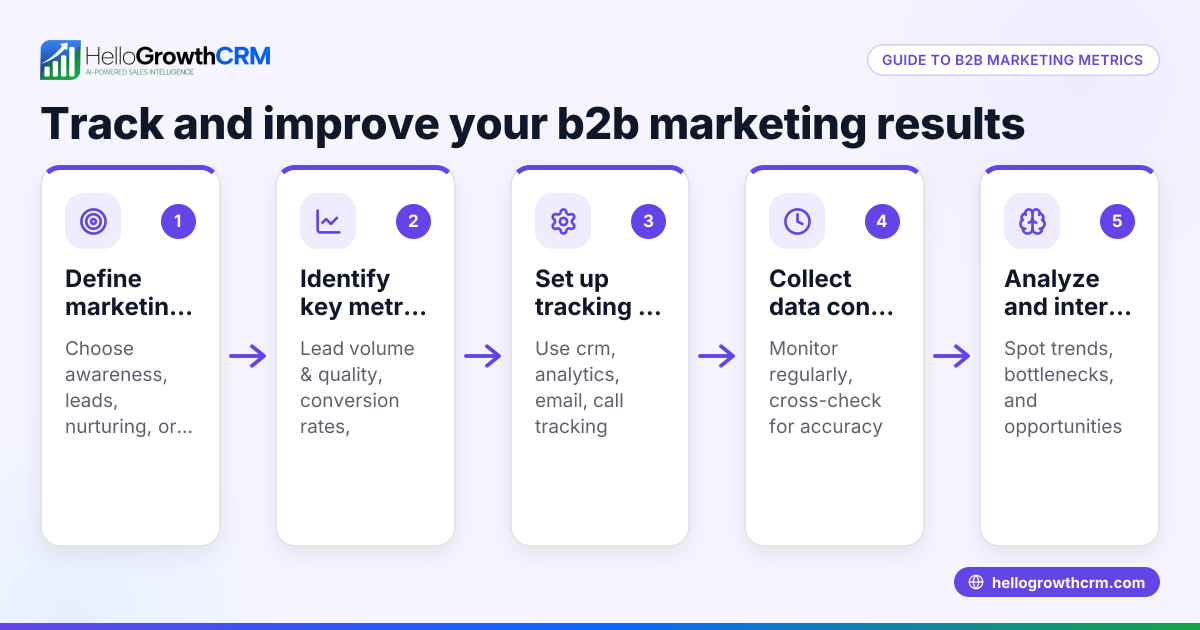
- Monitor responses: Track replies and update contact status to focus on engaged leads and avoid unnecessary follow-ups.
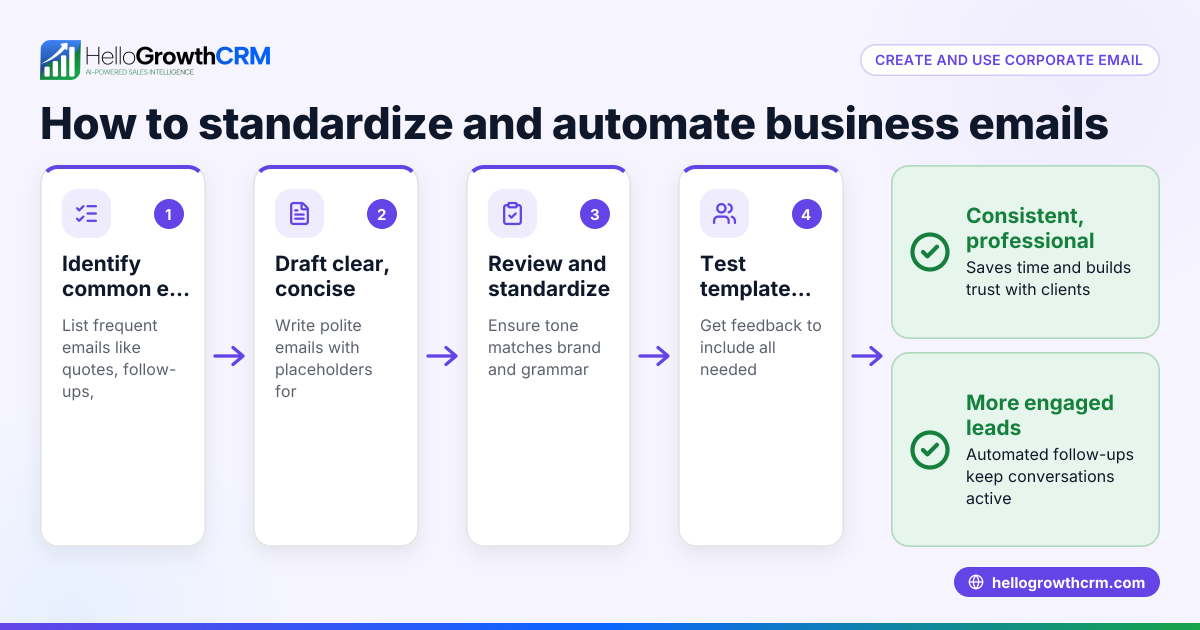
Using tools like email automation and sequences can help you run follow-ups automatically and save time.
Example (fictional figures)
A two-location dental practice in Columbus, Ohio, wants to reach local dental supply companies to negotiate better pricing. They identify 100 potential suppliers and collect their B2B email addresses from company websites and referrals.
- They verify the emails and find 90 valid addresses.
- They organize these contacts initially in a spreadsheet but decide to use a CRM for better tracking.
- They send an introductory email offering a partnership discount.
- Assume 10% of the valid contacts reply positively, so 9 replies.
Calculations:
100 total contacts
- 10 invalid emails
= 90 valid contacts
90 valid contacts × 10% positive reply rate = 9 positive replies
This focused approach helps the practice avoid wasting time on invalid or uninterested contacts and concentrate efforts on 9 engaged suppliers.
Common mistakes
- Using personal emails instead of business emails: Prevent this by verifying that email domains match the company’s official domain.
- Not verifying emails before outreach: Always use verification tools to reduce bounce rates and protect your sender reputation.
- Scattering contacts across multiple platforms: Centralize your contacts in one system, such as a CRM, to avoid lost leads and duplicated efforts.
- Sending generic emails to all contacts: Segment your list to send relevant, personalized messages that increase engagement.
- Ignoring follow-ups: Use automated sequences to ensure timely follow-up without manual effort.
- Failing to track replies: Use a shared inbox or CRM to see all communications in one place and avoid missed responses.
Learn more about managing inbound email efficiently with a shared inbox.
Doing this in HelloGrowthCRM
HelloGrowthCRM offers a HelloMail shared inbox where replies to quotation emails are visible to the whole team on the deal, preventing missed responses. You can also set up sequences and campaigns to automate a five-step follow-up over two weeks that stops as soon as the prospect replies. This streamlines your email outreach and keeps your team coordinated. See email automation and sequences for details.
Frequently asked questions
What makes a good B2B email address? A good B2B email address is professional, usually with the company’s domain (e.g., name@company.com), and belongs to a relevant decision-maker or contact person. Avoid generic emails like info@ or sales@ when possible.
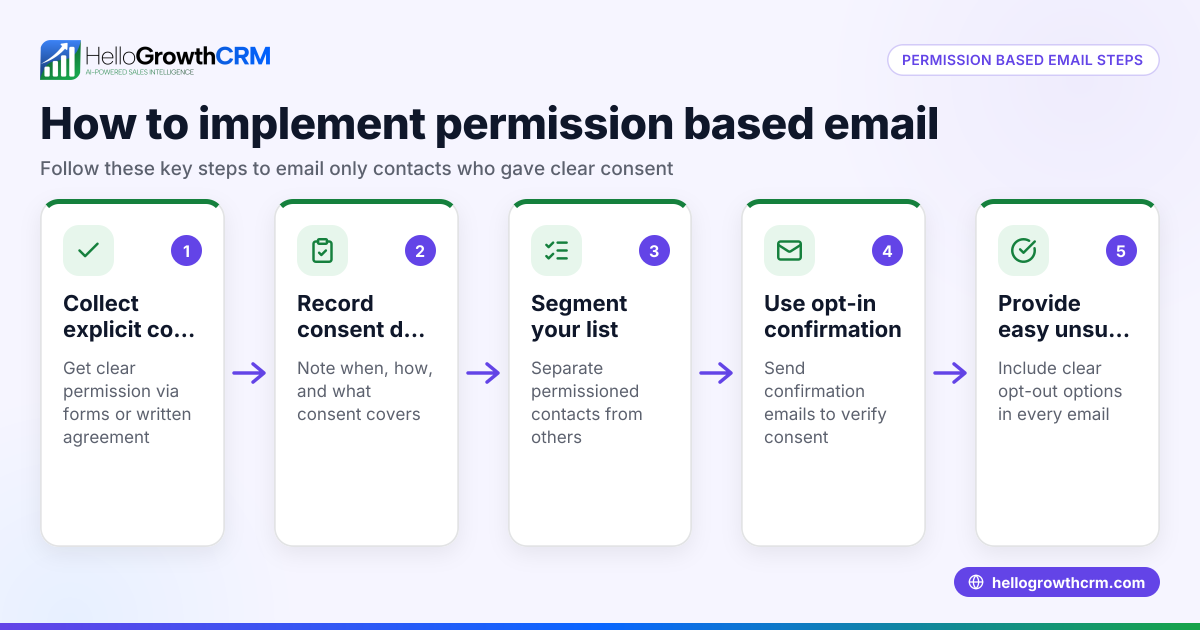
How can I find B2B email addresses legally? You can collect B2B emails from public sources such as company websites, LinkedIn profiles, trade shows, or through opt-in web forms. Always respect privacy laws and avoid buying lists that do not comply with regulations.
Why should I verify B2B email addresses? Verifying emails reduces bounce rates, protects your sender reputation, and increases the chances your messages reach the right person.
How can I manage B2B email outreach efficiently? Using a CRM with shared inboxes and automated sequences helps keep track of conversations, avoid duplicated outreach, and follow up consistently. HelloGrowthCRM offers these features.
Can I use the same email address for multiple contacts? It’s best to have unique email addresses per contact to track communication accurately. Shared emails like info@company.com can cause confusion.
For more on managing multi-channel outreach, see WhatsApp and SMS CRM.
Key takeaways
- B2B email addresses connect you to business contacts for sales and partnerships.
- Collect and verify emails from trustworthy sources to improve outreach success.
- Organize and segment contacts to tailor your communications.
- Avoid common mistakes like unverified emails and scattered contact lists.
- Use tools like HelloGrowthCRM’s shared inbox and automated sequences to manage follow-ups.
Start growing your business communications by managing your B2B email outreach effectively. Start on the Free Forever plan (200 leads, no credit card) to try HelloGrowthCRM today.
Ready to put this into practice?
Set up your pipeline, WhatsApp follow-ups, and AI lead scoring in minutes — free, no credit card.
Try HelloGrowthCRM freeGet CRM tips in your inbox
Join thousands of sales professionals who get weekly insights on CRM strategy, AI automation, and pipeline optimization.

The HelloGrowthCRM team publishes guides on CRM strategy, AI sales tools, and revenue operations for small business sales teams.