HelloGrowthCRM software
Built for real small-business sales teams
HelloGrowthCRM helps reps qualify faster, follow up on time, and close more deals—with practical automation in one place.
- AI lead scoring and pipeline visibility
- Built-in dialer, WhatsApp, and email automation
- Sales forecasting and RevOps-ready reporting
B2B prospecting is the process of identifying and reaching out to potential business customers who might be interested in your products or services. It involves researching leads, making contact, and qualifying prospects to build a sales pipeline. This article explains why B2B prospecting matters for small businesses, outlines clear steps to do it effectively, highlights common mistakes to avoid, and answers frequently asked questions.
Why this comes up / what goes wrong
Small and mid-sized business owners in the US often rely on slow, manual, or inconsistent methods to find new business customers. They might use text messages, email, or spreadsheets to track leads but lose potential sales because follow-up is delayed or disorganized. Without a clear prospecting process, it becomes hard to prioritize leads, manage outreach, or forecast sales. This leads to missed opportunities and wasted time.
Many owners also struggle to identify the right businesses to contact or to know what to say when making initial contact. They want a practical, repeatable way to grow their B2B sales pipeline without relying on guesswork or scattered notes.
Step-by-step
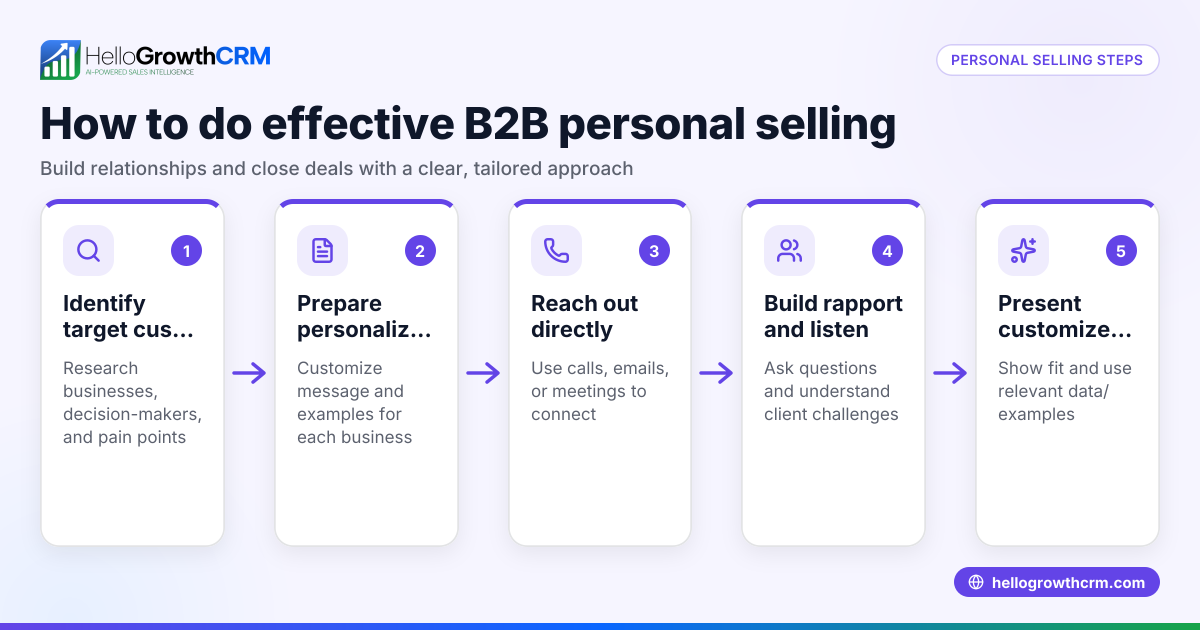
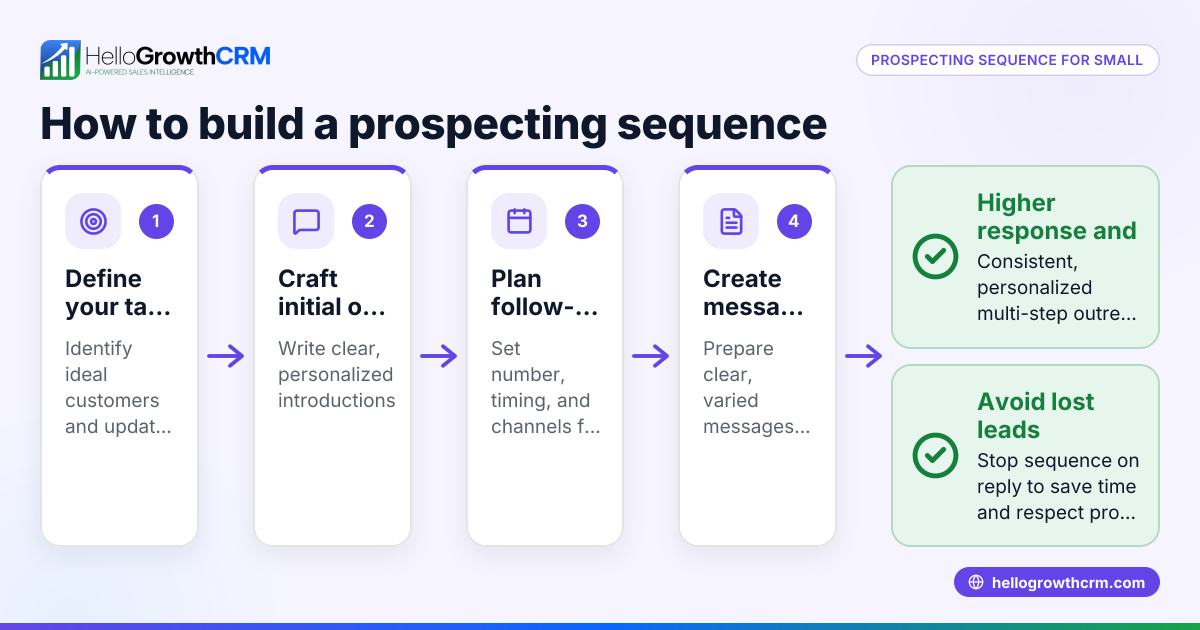
- Define your ideal customer profile (ICP)
- Identify the type of business that benefits most from your product or service.
- Check company size, industry, location, and decision-maker roles.
- Build a targeted lead list
- Use online business directories, LinkedIn, or industry databases.
- Verify contact details like email and phone number.
- Research each prospect
- Learn about their business needs, challenges, and recent news.
- Check for signals they might need your solution.
- Craft personalized outreach messages
- Address the prospect by name and mention specifics about their business.
- Clearly state how you can help solve a problem or add value.
- Choose your communication channels
- Use email, phone calls, or messaging apps like WhatsApp or SMS depending on what the prospect prefers.
- Keep track of all interactions in one place for easy follow-up.
- Follow up consistently
- Schedule follow-up messages or calls within a few days if no response.
- Adjust your message based on previous interactions.
- Qualify the prospect
- Ask questions to understand their budget, timeline, and authority to buy.
- Decide if they fit your ICP and are worth pursuing further.
- Update your pipeline and plan next steps
- Move qualified leads to the next sales stage.
- Set reminders for future contact or meetings.
This structured approach helps small businesses avoid losing leads and ensures steady pipeline growth. Managing this process digitally, for example through a WhatsApp and SMS CRM, can improve organization and speed.
Example (fictional figures)
A residential real-estate team in Phoenix, Arizona, wants to prospect local property management companies to offer their leasing services.
- Define ICP: Property management companies with 50+ units in Phoenix.
- Build lead list: Find 30 companies via online directories.
- Research: Check each company’s website and LinkedIn for recent expansions.
- Outreach message: “Hi [Name], I noticed your company recently expanded. We help lease residential units faster and reduce vacancy. Can we discuss how we might help you?”
- Channel: Email first, then WhatsApp if no reply in 3 days.
- Follow-up: Send a second message 5 days after the first.
- Qualify: Ask about their current leasing challenges and budget.
- Pipeline: Move interested companies to ‘contacted’ stage and schedule calls.
If 10 companies respond positively and 5 convert to clients paying $2,000/month:
$2,000 × 5 clients = $10,000 monthly revenue $10,000 × 12 months = $120,000 annual revenue
This example shows how structured prospecting turns leads into predictable revenue.
Common mistakes
- Not defining your ideal customer: Leads become unfocused and waste time. Prevent by clearly outlining ICP.
- Using generic messages: Prospects ignore impersonal outreach. Prevent by personalizing each message.
- Inconsistent follow-up: Leads go cold without timely contact. Prevent by scheduling follow-ups.
- Scattered tracking: Using separate tools like spreadsheets and text messages causes lost info. Prevent by consolidating communication and lead data in one system, such as a WhatsApp and SMS CRM.
- Ignoring qualification: Spending time on unqualified leads wastes resources. Prevent by asking qualification questions early.
- Relying on one channel: If prospects prefer WhatsApp or phone calls, email-only outreach may fail. Prevent by using multiple channels and a built-in CRM dialer for calls.
Frequently asked questions
What is the difference between B2B prospecting and lead generation? B2B prospecting specifically involves identifying and reaching out to potential business customers to start sales conversations. Lead generation is broader and includes marketing activities to attract potential leads, which prospecting then qualifies and contacts.
How do I find good B2B leads? Start with defining your ideal customer profile, then use business directories, LinkedIn, and industry databases to find companies matching that profile. Verify contact info before outreach.
How often should I follow up with prospects? A good rule is to follow up within 3-5 business days after initial contact if there is no response, then continue periodic follow-ups based on the prospect’s engagement.
Can I use WhatsApp and SMS for B2B prospecting? Yes, many businesses prefer quick, informal communication through WhatsApp and SMS. Using a WhatsApp and SMS CRM helps manage these conversations alongside email and calls.
What if my sales team is small and busy? Use tools that consolidate lead capture, communication, and follow-up reminders to save time and avoid losing leads. A built-in CRM dialer can also speed up phone outreach.
Key takeaways
- B2B prospecting means finding and contacting potential business customers to build sales.
- Define your ideal customer and build a targeted lead list before outreach.
- Personalize messages and follow up consistently across multiple channels.
- Track all communication in one place to avoid lost leads and ensure timely follow-up.
- Qualify prospects early to focus efforts on those most likely to buy.
- Avoid common mistakes like generic messaging, scattered tracking, and inconsistent follow-up.
Start your B2B prospecting today by organizing your leads and outreach. Start on the Free Forever plan (200 leads, no credit card) to manage your leads efficiently.
For more on managing communication channels, see WhatsApp and SMS CRM and improve calling with a built-in CRM dialer. Learn about the platform tailored for US businesses at HelloGrowthCRM for the United States.
Ready to put this into practice?
Set up your pipeline, WhatsApp follow-ups, and AI lead scoring in minutes — free, no credit card.
Try HelloGrowthCRM freeGet CRM tips in your inbox
Join thousands of sales professionals who get weekly insights on CRM strategy, AI automation, and pipeline optimization.

The HelloGrowthCRM team publishes guides on CRM strategy, AI sales tools, and revenue operations for small business sales teams.