HelloGrowthCRM software
Built for real small-business sales teams
HelloGrowthCRM helps reps qualify faster, follow up on time, and close more deals—with practical automation in one place.
- AI lead scoring and pipeline visibility
- Built-in dialer, WhatsApp, and email automation
- Sales forecasting and RevOps-ready reporting
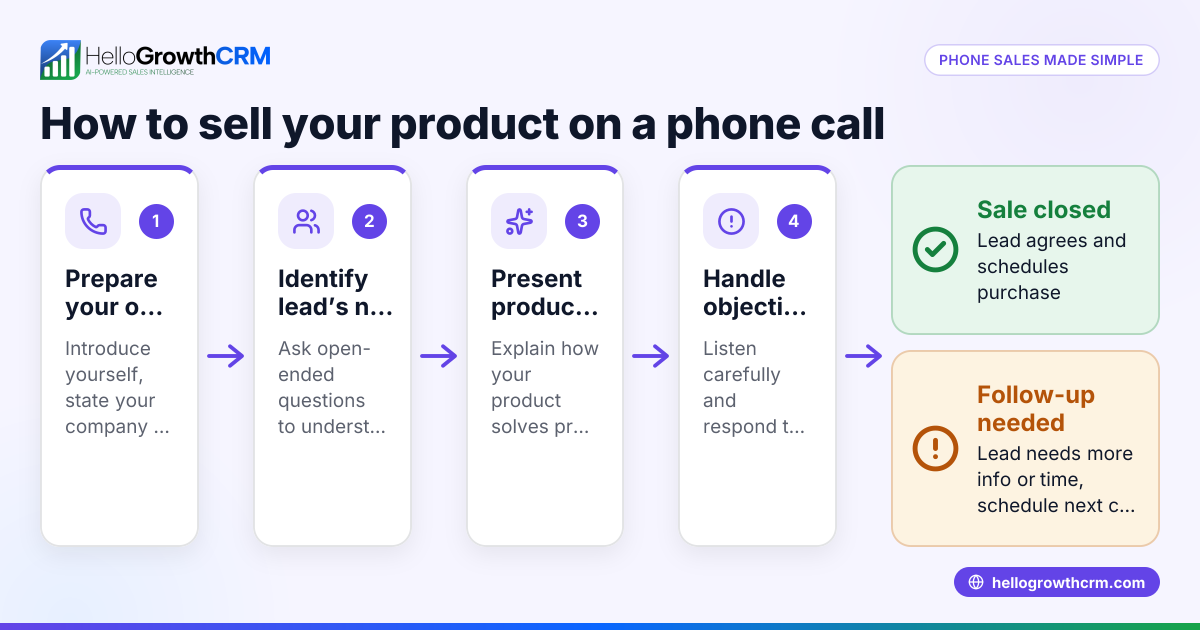
Personal selling B2B involves a business salesperson engaging directly and personally with another business to sell products or services. This method emphasizes relationship-building, understanding client needs, and customizing offers rather than relying on mass marketing or impersonal outreach. For US small and mid-sized businesses, personal selling is crucial to winning and retaining clients in complex B2B markets.
Why this comes up / what goes wrong
Many small-business owners in the US face challenges in B2B sales because they use impersonal methods like blanket emails, cold calls, or spreadsheets to track leads. These approaches often fail to build trust or address specific client problems, leading to lost sales opportunities. Slow follow-up and disorganized communication cause leads to go cold. Since B2B decisions usually involve multiple stakeholders and longer sales cycles, personal selling helps by creating direct connections, allowing you to understand and solve unique business challenges.
Step-by-step
- Identify Your Target Business Customers
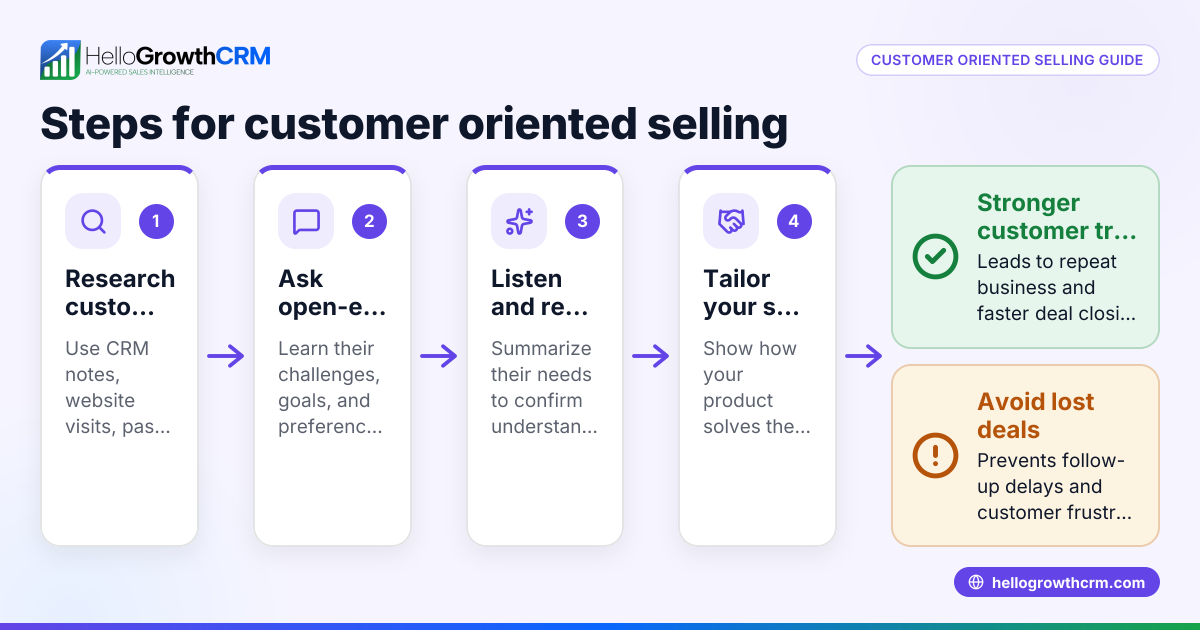
- Research businesses that match your product or service.
- Look into their industry, size, pain points, and decision-makers.
- Verify contact details and preferred communication channels.
- Prepare a Personalized Sales Pitch
- Customize your message to address each business’s specific needs.
- Highlight how your product or service solves their problems.
- Prepare examples or case studies relevant to their sector.
- Reach Out Directly
- Use phone calls, emails, or in-person meetings to initiate contact.
- Schedule appointments to discuss their needs in detail.
- Build Rapport and Listen Actively
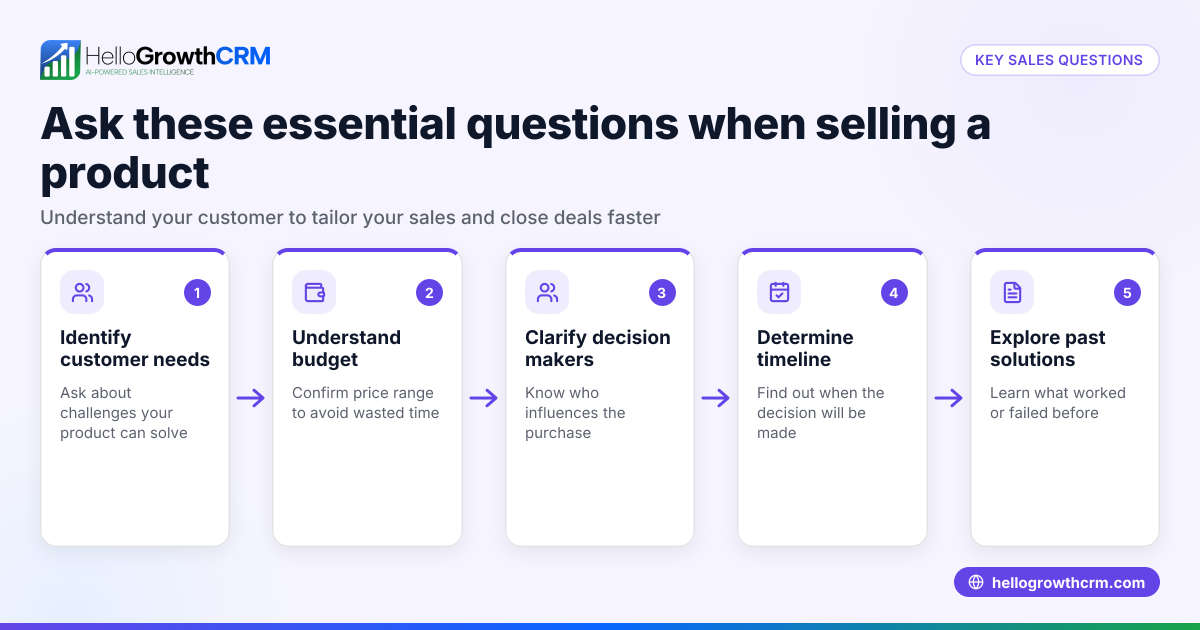
- Ask open-ended questions to uncover challenges.
- Listen carefully and take notes to understand their perspective.
- Present Customized Solutions
- Show how your offering fits their unique requirements.
- Use relevant examples and data to support your points.
- Handle Objections Thoughtfully
- Address concerns honestly and clearly.
- Provide additional information or alternatives as needed.
- Follow Up Promptly
- Send a summary of your meeting and agreed next steps.
- Maintain consistent communication until the deal closes.
- Maintain the Relationship After the Sale
- Check in regularly to ensure satisfaction.
- Offer ongoing support or additional products/services.
To keep these steps organized and timely, many sales teams use tools like a WhatsApp and SMS CRM or a built-in CRM dialer to manage leads, communications, and follow-ups efficiently.
Example (fictional figures)
A residential real-estate team in Phoenix, Arizona, wants to sell property management software to local property owners (businesses).
- They identify 50 property management companies as potential customers.
- They prepare a personalized pitch highlighting how the software saves time managing tenants.
- They schedule meetings with 20 companies.
- After presentations, 10 companies express interest.
- They handle objections about price by showing the return on investment (ROI).
- They close 5 deals at $12,000 each by 08/15/2025.
Calculations:
$12,000 × 5 = $60,000 total revenue from sales
This example shows how personal selling moves from identifying prospects to closing deals by tailoring communication and following up effectively.
Common mistakes
- Not researching the client beforehand: Prevent by preparing detailed profiles of target businesses to understand their needs.
- Using generic, one-size-fits-all pitches: Prevent by customizing your message for each business to show relevance.
- Slow or inconsistent follow-up: Prevent by setting reminders and tracking communications with tools like a built-in CRM dialer.
- Ignoring or dismissing objections: Prevent by listening carefully and preparing thoughtful responses.
- Failing to build ongoing relationships after the sale: Prevent by scheduling regular check-ins to maintain client satisfaction.
- Relying only on cold calls or emails without using other channels: Prevent by combining communication methods, including direct messaging platforms such as WhatsApp, which can be managed via a WhatsApp and SMS CRM.
Frequently asked questions
What is the difference between personal selling and other B2B sales methods? Personal selling involves direct, personalized interaction with the customer, unlike mass marketing or automated outreach. It builds trust and adapts to client needs, which is essential in B2B where decisions are complex and involve multiple stakeholders.
How can small businesses manage personal selling efficiently? By organizing leads, communications, and follow-ups systematically. Tools like a WhatsApp and SMS CRM or a built-in CRM dialer help small teams keep track of contacts and speed up response times.
Is personal selling effective for all types of B2B products? It works best for products or services that require explanation, customization, or a longer sales cycle. For simple or low-cost items, other sales methods may be more efficient.
How do I handle objections in personal selling? Listen carefully, acknowledge concerns, provide clear information or alternatives, and avoid pushing too hard. This approach builds trust and increases the chance of closing the sale.
Can personal selling be done remotely? Yes, personal selling can be done via phone, video calls, or messaging apps like WhatsApp, supported by CRM tools designed for these channels.
Key takeaways
- Personal selling B2B is direct, personalized communication to build relationships and close sales.
- Research and customize your approach for each business prospect.
- Follow up promptly and handle objections thoughtfully.
- Use tools like a WhatsApp and SMS CRM or built-in CRM dialer to organize and speed up sales tasks.
- Avoid common mistakes like generic pitches or slow follow-up.
- Personal selling suits complex or customized B2B products with longer sales cycles.
Start your personal selling journey with organized tools and clear steps. To manage your leads and communication efficiently, Start on the Free Forever plan (200 leads, no credit card).
Ready to put this into practice?
Set up your pipeline, WhatsApp follow-ups, and AI lead scoring in minutes — free, no credit card.
Try HelloGrowthCRM freeGet CRM tips in your inbox
Join thousands of sales professionals who get weekly insights on CRM strategy, AI automation, and pipeline optimization.

The HelloGrowthCRM team publishes guides on CRM strategy, AI sales tools, and revenue operations for small business sales teams.