HelloGrowthCRM software
Built for real small-business sales teams
HelloGrowthCRM helps reps qualify faster, follow up on time, and close more deals—with practical automation in one place.
- AI lead scoring and pipeline visibility
- Built-in dialer, WhatsApp, and email automation
- Sales forecasting and RevOps-ready reporting
Business phone numbers are dedicated telephone numbers used by companies to manage customer communications professionally and efficiently. They often differ from personal numbers by offering features like call routing and multiple extensions. This article explains why business phone numbers matter, how to set them up step-by-step, common mistakes to avoid, and answers frequently asked questions relevant to Canadian small businesses.
Why this comes up / what goes wrong
Small-business owners in Canada often face challenges with managing customer calls using personal phone numbers. Using a personal number can seem informal and may confuse customers about the legitimacy of the business. Without a dedicated business phone number, calls can be missed or mixed with personal calls, leading to lost leads and poor customer experience. Additionally, as the business grows, managing multiple team members answering calls without a proper system becomes difficult, causing delays and inefficiencies.
Step-by-step
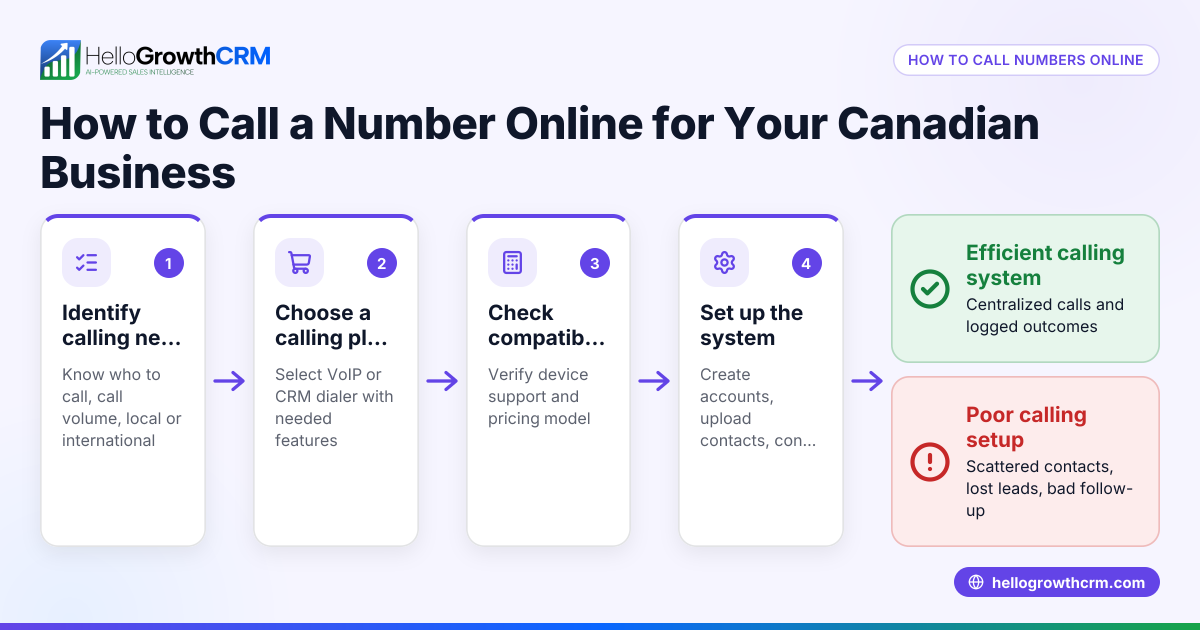
- Decide on the type of business phone number you need: Choose between a local number, toll-free number, or a VoIP number based on your business location and customer expectations. Check if you want features like call forwarding, voicemail, or multiple extensions.
- Select a provider or service: Research Canadian telecom providers or VoIP services that offer business phone numbers. Compare pricing, features, and customer support. Confirm compatibility with your existing phone systems.
- Register your business number: Follow the provider's process to obtain your business phone number. Ensure the number is easy to remember and reflects your business location if local presence matters.
- Set up call handling features: Configure voicemail, call forwarding, auto-attendants, or call queues as needed. Test these features to ensure calls are routed correctly.
- Inform your customers and update contact info: Update your website, email signatures, business cards, and marketing materials with the new business phone number.
- Train your team: If multiple people answer calls, establish protocols for call handling and use tools like a built-in CRM dialer to streamline follow-up and record keeping.
- Monitor and adjust: Regularly review call logs and customer feedback to ensure the phone system supports your business needs effectively.
Example (fictional figures)
A bilingual insurance agency in Laval, Quebec, decides to get a local business phone number to improve customer trust and manage calls better.
- They choose a local Laval number with call forwarding to mobile phones for after-hours.
- The provider charges C$30 monthly plus a one-time setup fee of C$50.
- The agency expects 200 calls monthly.
Monthly cost calculation:
C$30 (monthly fee) × 1 = C$30
One-time setup fee:
C$50
Total first month cost:
C$30 + C$50 = C$80
The agency updates their website and marketing materials on 2026-06-01 and trains their staff to use the new number professionally.
Common mistakes
- Using a personal phone number for business: This can confuse customers and mix personal and business communications. Prevent by obtaining a dedicated business number.
- Choosing a number that is hard to remember or irrelevant to the business location: Customers may struggle to recall or trust the number. Choose a local or toll-free number that fits your market.
- Neglecting call handling features: Without voicemail or call forwarding, you risk missing important calls. Set up and test these features thoroughly.
- Failing to update all customer touchpoints: If the new number isn’t updated on your website, social media, and printed materials, customers won’t reach you. Make a checklist to update everywhere.
- Not training staff on phone protocols: Inconsistent or unprofessional call handling can hurt your brand. Provide clear training and use tools like a built-in CRM dialer to help manage calls and follow-ups efficiently. See more about built-in CRM dialer.
Frequently asked questions
What is the difference between a business phone number and a personal phone number? A business phone number is dedicated to company use and often supports features like multiple extensions, call routing, and voicemail tailored for business needs. Personal numbers lack these features and can mix personal and business communications, which may seem unprofessional.
Can I use my mobile phone number as my business phone number? While possible, using a personal mobile number for business can cause confusion and privacy concerns. It’s better to have a separate business number to keep communications organized and professional.
What types of business phone numbers are available in Canada? Common types include local numbers tied to a geographic area, toll-free numbers that customers can call without charge, and VoIP numbers that use internet technology. Choose based on your customers' preferences and business needs.
How do I choose the right business phone number for my small business? Consider your customer base location, budget, and required features. Local numbers build local trust, toll-free numbers add professionalism, and VoIP numbers offer flexibility. Research providers and compare options carefully.
Can I integrate my business phone number with a CRM? Yes, integrating your phone system with a CRM can help manage leads, track calls, and improve follow-up. For example, a WhatsApp and SMS CRM can centralize communications and automate workflows.
Key takeaways
- Business phone numbers separate personal and professional communications, improving customer trust.
- Choose the type of number and provider based on your business location and needs.
- Set up call handling features like voicemail and forwarding to avoid missed calls.
- Update all customer contact points and train your team on phone protocols.
- Avoid common mistakes like using personal numbers or neglecting call management features.
- Consider integrating your phone system with a CRM for better lead and communication management.
Start managing your business communications efficiently. Start on the Free Forever plan (200 leads, no credit card).
Ready to put this into practice?
Set up your pipeline, WhatsApp follow-ups, and AI lead scoring in minutes — free, no credit card.
Try HelloGrowthCRM freeGet CRM tips in your inbox
Join thousands of sales professionals who get weekly insights on CRM strategy, AI automation, and pipeline optimization.

The HelloGrowthCRM team publishes guides on CRM strategy, AI sales tools, and revenue operations for small business sales teams.