HelloGrowthCRM software
Built for real small-business sales teams
HelloGrowthCRM helps reps qualify faster, follow up on time, and close more deals—with practical automation in one place.
- AI lead scoring and pipeline visibility
- Built-in dialer, WhatsApp, and email automation
- Sales forecasting and RevOps-ready reporting
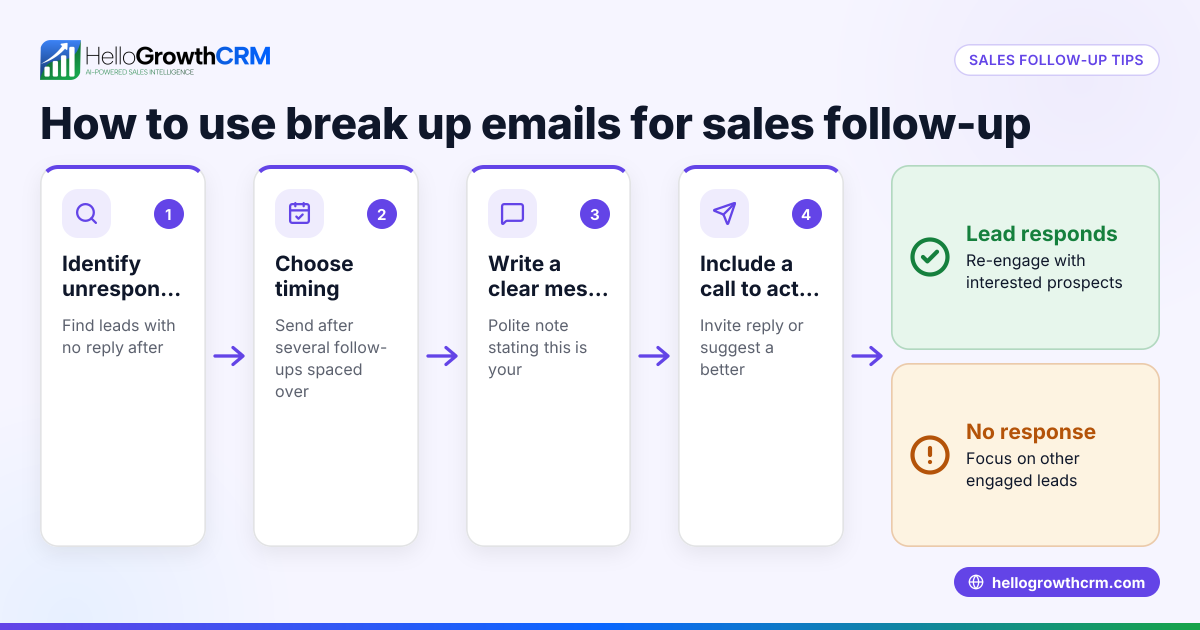
A chaser email is a follow-up email sent to a prospect or customer who has not replied to your initial message. It serves as a polite reminder to encourage a response, often regarding quotations, proposals, or important requests. Sending chaser emails helps small businesses avoid losing leads due to slow or missed follow-up.
Why this comes up / what goes wrong
Small business owners in Singapore often handle sales communication through WhatsApp, email, and spreadsheets. Without a clear system, leads can slip through the cracks when prospects don’t reply promptly. For example, a renovation contractor may send a quotation but not hear back, losing potential revenue if they don’t follow up effectively. Many businesses delay or forget follow-ups, or send generic reminders that don’t motivate a reply.
Step-by-step
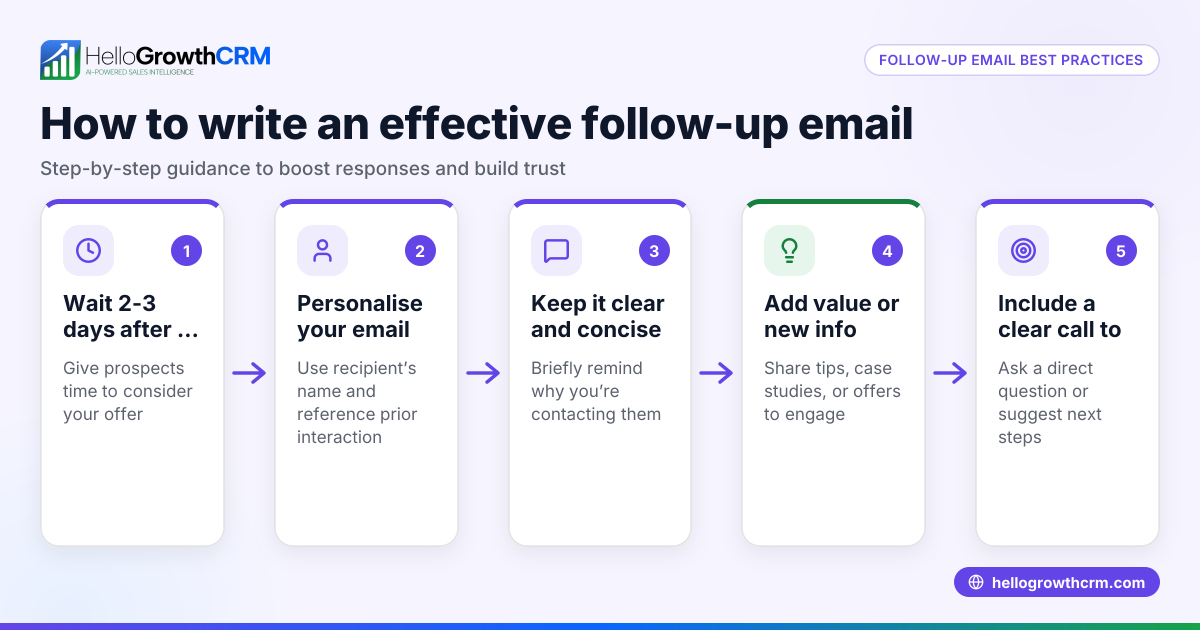
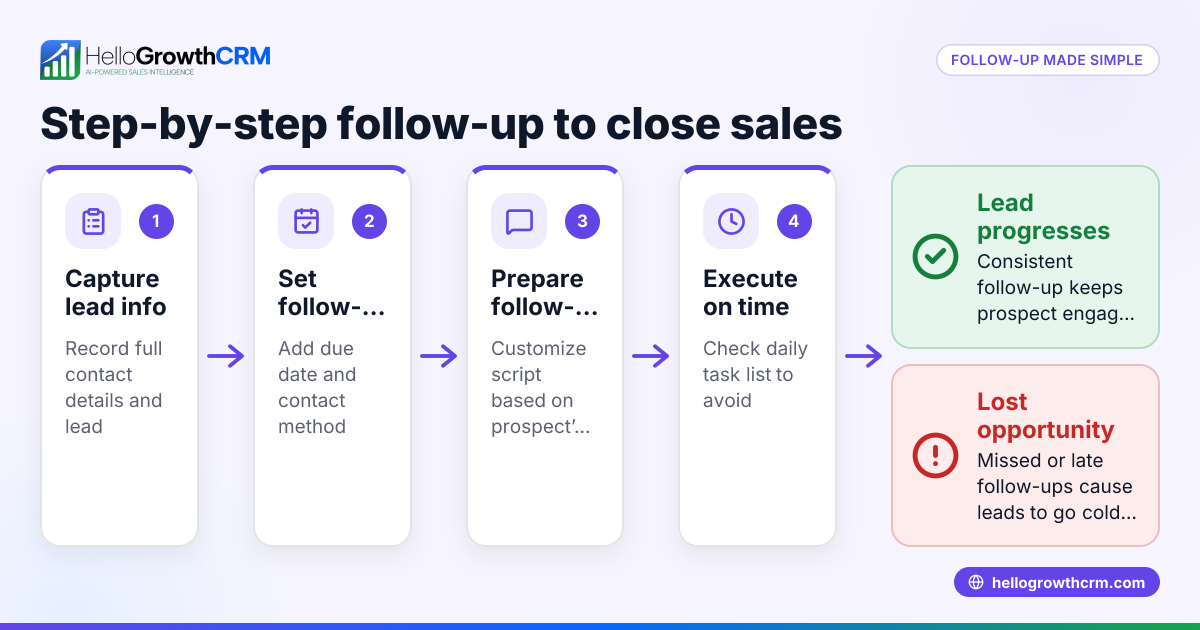
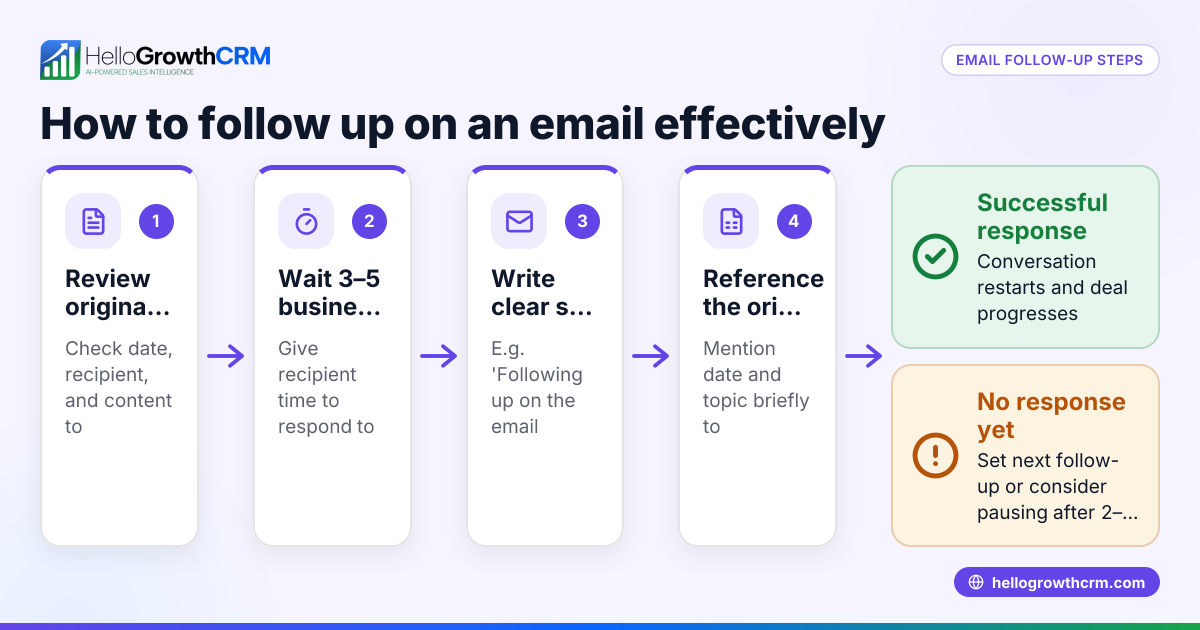
- Identify the right timing: Consider waiting a few days after your initial email before sending a chaser. Check your calendar or CRM to track when the first message was sent.
- Personalise the message: Address the recipient by name and mention the specific quotation or request to show attention to detail.
- Be polite and concise: Keep the tone friendly and professional. Avoid sounding pushy or impatient.
- Include a clear call to action: Ask a specific question or suggest the next step, such as confirming the quotation or arranging a call.
- Check for errors: Review your email for spelling, grammar, and correct recipient details before sending.
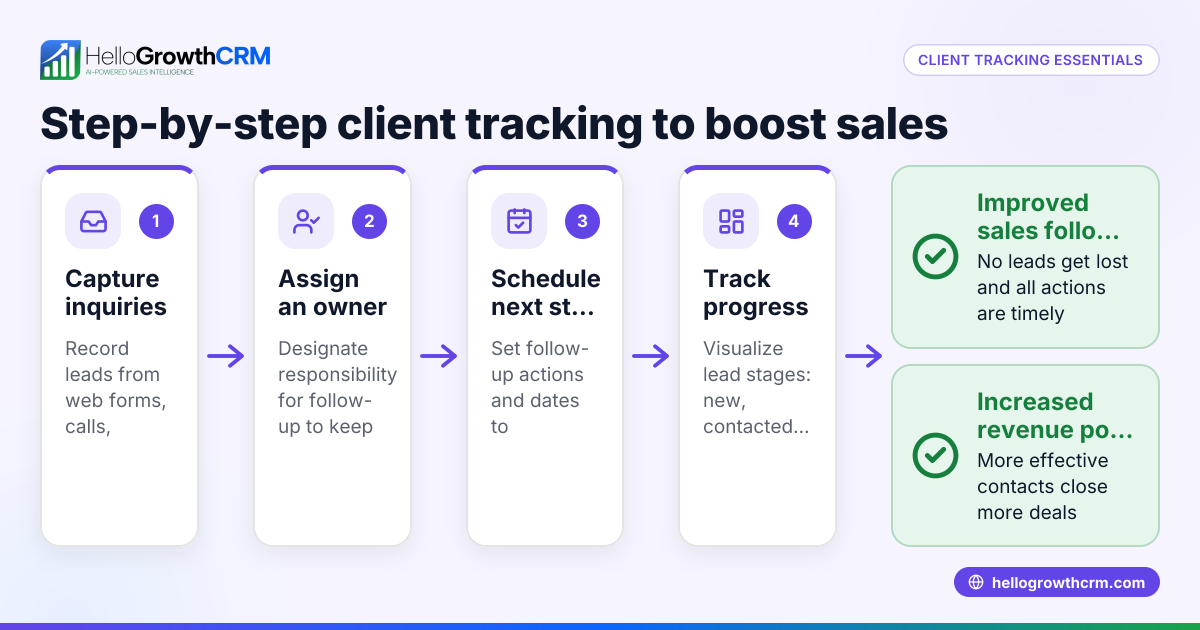
- Use a tracking tool: If possible, send the chaser through a CRM or email automation tool that tracks opens and replies.
- Plan further follow-ups: If there’s still no response, schedule additional chasers spaced a few days apart, but limit the total number to avoid annoyance.
Example (fictional figures)
A renovation contractor in Jurong sends a quotation email on 01/06/2026 for a kitchen upgrade costing S$18,000.
Step 1: Wait 5 days after 01/06/2026 = 06/06/2026 to send a chaser email.
Step 2: Write a personalised chaser email: "Dear Mr Tan,
I hope this finds you well. I wanted to check if you had a chance to review the kitchen upgrade quotation we sent on 01/06/2026 for S$18,000. Please let me know if you have any questions or would like to proceed.
Best regards, [Your Name]"
Step 3: Send the email on 06/06/2026.
Step 4: If no reply by 10/06/2026, send a second chaser with a clear call to action.
Common mistakes
- Sending too soon or too late: Sending a chaser immediately after the first email can seem impatient, while waiting too long risks losing the lead. Prevent this by scheduling follow-ups 3-7 days apart.
- Using generic or impersonal messages: Avoid copy-pasting vague reminders. Personalise each email to the recipient and context.
- Being too pushy or aggressive: Politeness encourages replies; aggressive tones can annoy prospects. Review tone before sending.
- Not tracking replies or follow-ups: Without tracking, you may send unnecessary chasers or miss when a prospect replies. Use tools or CRM features to monitor responses.
- Forgetting to include a clear next step: Every chaser should guide the prospect on what to do next. Include a question or call to action.
Doing this in HelloGrowthCRM
HelloGrowthCRM offers a shared inbox called HelloMail, where replies to your quotation emails are visible to your entire sales team, preventing missed responses. You can also set up automated sequences and campaigns to run a five-step follow-up over two weeks that stops immediately when the prospect replies. This automation ensures timely and consistent chaser emails without manual effort. Learn more about email automation and sequences and managing leads with WhatsApp and SMS CRM.
Frequently asked questions
What is the difference between a chaser email and a reminder email? A chaser email specifically follows up on an unanswered previous email, often to prompt a reply about a quotation or request. A reminder email can be broader, such as reminding about an upcoming appointment or payment deadline.
How many chaser emails should I send before stopping? Typically, 3 to 5 chaser emails spaced a few days apart are enough. Sending too many can annoy prospects and harm your reputation.
Can I automate chaser emails? Yes, using CRM tools like HelloGrowthCRM, you can automate multi-step follow-ups that send chaser emails automatically until the prospect replies.
What should I include in a chaser email subject line? Keep it clear and polite, such as "Follow-up on your quotation" or "Checking in on your decision" to encourage opening without pressure.
Is it okay to send chaser emails via WhatsApp? Yes, many Singapore businesses use WhatsApp for sales follow-ups. Using a CRM that supports WhatsApp sequences can help manage this efficiently.
How do I know if my chaser email worked? Track whether the recipient opens the email or replies. Automated tools can provide these insights to adjust your follow-up strategy.
Key takeaways
- A chaser email is a polite follow-up to prompt a reply to an unanswered message.
- Timing and personalisation are crucial for effective chasers.
- Use clear calls to action and maintain a friendly tone.
- Avoid common mistakes like sending too many or generic emails.
- Automate follow-ups with HelloGrowthCRM to save time and improve response rates.
Start improving your follow-up process today. Start on the Free Forever plan (200 leads, no credit card).
Ready to put this into practice?
Set up your pipeline, WhatsApp follow-ups, and AI lead scoring in minutes — free, no credit card.
Try HelloGrowthCRM freeGet CRM tips in your inbox
Join thousands of sales professionals who get weekly insights on CRM strategy, AI automation, and pipeline optimization.

The HelloGrowthCRM team publishes guides on CRM strategy, AI sales tools, and revenue operations for small business sales teams.